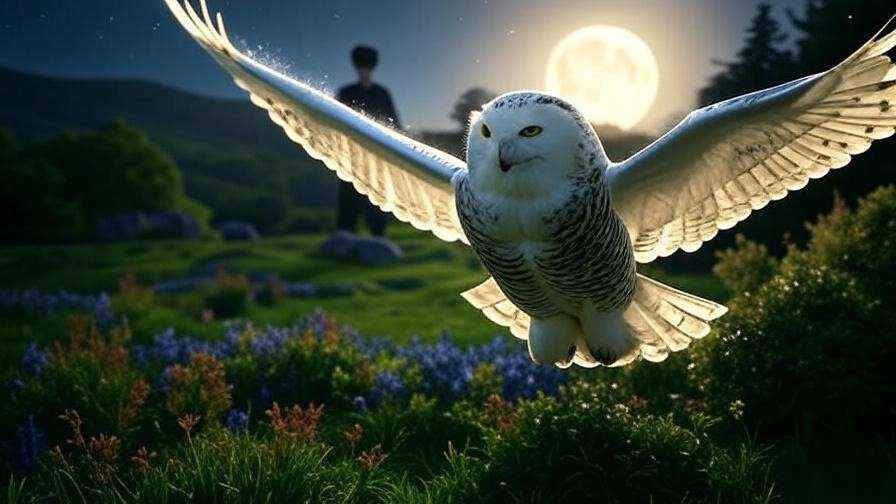
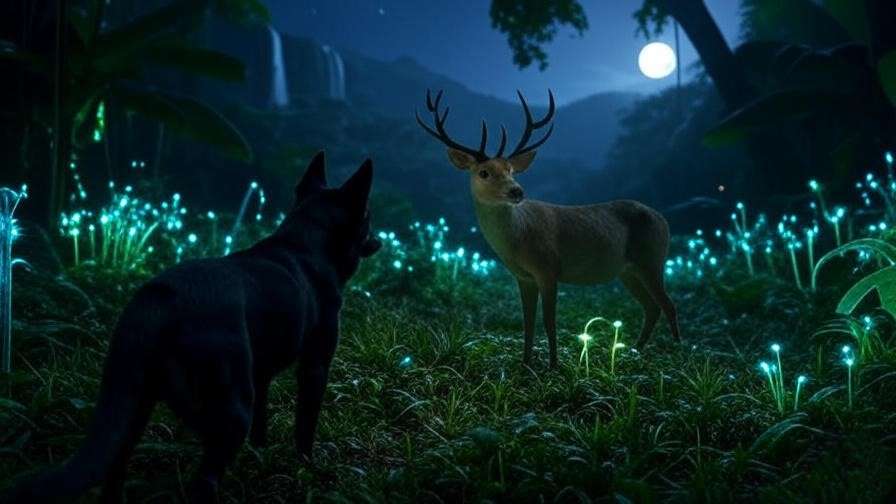
Picture this: a moonlit night at Hogwarts, a black dog bounding through the Forbidden Forest, and a majestic stag standing watch nearby. These are Padfoot and Prongs, the Animagus alter egos of Sirius Black and James Potter, two of the most beloved figures in the Harry Potter universe. For fans, the names Padfoot Prongs evoke a sense of camaraderie, rebellion, and heartbreaking sacrifice. But who were these Marauders, and why do their stories resonate so deeply? This article dives into the lore, symbolism, and legacy of Padfoot and Prongs, offering a comprehensive exploration of their roles in J.K. Rowling’s wizarding world. Whether you’re a lifelong Potterhead or a curious newcomer, you’ll uncover hidden details, emotional insights, and practical ways to celebrate their enduring impact.
Who Are Padfoot and Prongs? Defining the Legends
Sirius Black as Padfoot
Sirius Black, known as Padfoot, transforms into a large, shaggy black dog—a form that perfectly mirrors his fierce loyalty and protective nature. In Harry Potter and the Prisoner of Azkaban, Padfoot first appears as a mysterious figure shadowing Harry, later revealed as Sirius, Harry’s godfather, escaping Azkaban to protect him. The nickname “Padfoot,” inspired by folklore about spectral dogs, reflects Sirius’s rebellious spirit and his role as a guardian. His Animagus form allowed him to slip past Dementors and navigate dangerous situations, showcasing his cunning and bravery. As a Marauder, Padfoot was the heart of the group, balancing mischief with unwavering devotion to his friends.
James Potter as Prongs
James Potter, or Prongs, took the form of a stag, a creature symbolizing nobility and grace. This Animagus form not only complemented his leadership within the Marauders but also left a lasting mark on Harry’s life through the stag Patronus. In Prisoner of Azkaban, Harry’s Patronus takes the shape of Prongs, a poignant reminder of his father’s love and protection. James’s choice of a stag reflects his bold, charismatic personality and his role as a stabilizing force among his friends. His legacy as Prongs endures through Harry, connecting father and son across time in one of the series’ most emotional threads.
The Marauders’ Nicknames: A Brotherhood Unveiled
The nicknames Padfoot, Prongs, Moony (Remus Lupin), and Wormtail (Peter Pettigrew) were born from the Marauders’ tight-knit bond at Hogwarts. These monikers, tied to their Animagus forms or, in Remus’s case, his werewolf condition, were more than playful aliases—they symbolized their shared rebellion and loyalty. The Marauders’ Map, a magical artifact they created, bears their nicknames as a testament to their ingenuity. As J.K. Rowling revealed in a 2004 interview, the map was a product of their “combined magical brilliance,” with Padfoot and Prongs playing pivotal roles in its creation. This brotherhood defined their youth and shaped the wizarding world’s history.
The Animagus Connection: Why Padfoot and Prongs Chose Their Forms
The Symbolism of the Black Dog and the Stag
In mythology, black dogs often represent loyalty, protection, or omens, aligning with Sirius’s role as Harry’s steadfast guardian. The stag, a symbol of nobility and renewal in Celtic lore, mirrors James’s leadership and his ultimate sacrifice for his family. These forms weren’t random; they reflected the Marauders’ personalities and values. Sirius’s black dog form allowed him to blend into shadows, embodying his cunning and resilience, while James’s stag stood tall, a beacon of strength. These symbolic choices deepen our understanding of Padfoot and Prongs, grounding their magic in universal archetypes.

The Animagus Transformation Process
Becoming an Animagus is no small feat. According to Pottermore, the process involves holding a mandrake leaf in one’s mouth for a month, brewing a complex potion, and reciting an incantation under specific conditions. Sirius and James mastered this at a young age to support Remus during his werewolf transformations, a testament to their loyalty and magical prowess. The choice of their forms—dog and stag—likely stemmed from their personalities and the need to safely accompany Remus. This act of friendship underscores the Marauders’ bond and highlights Padfoot and Prongs as selfless heroes in their youth.
How Their Forms Shaped Their Legacy
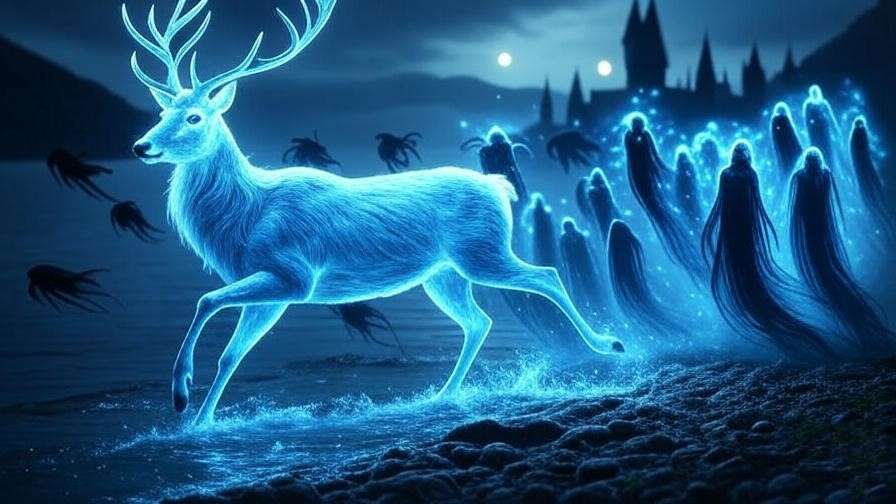
Padfoot’s black dog form was instrumental in Sirius’s escape from Azkaban, allowing him to evade capture and protect Harry. In Goblet of Fire, he uses this form to remain near Hogwarts, watching over his godson. Prongs’s stag form, while less directly seen, lives on through Harry’s Patronus, a magical echo of James’s love. In Prisoner of Azkaban, Harry’s stag Patronus drives off Dementors, a moment that cements the emotional link between father and son. These Animagus forms weren’t just tools; they were extensions of Padfoot and Prongs’s identities, shaping their contributions to the wizarding world.
Padfoot and Prongs in the Marauders’ Era
The Marauders’ Friendship Dynamics
The Marauders—Sirius, James, Remus, and Peter—were Hogwarts’s resident troublemakers, blending mischief with profound loyalty. Sirius, as Padfoot, brought charisma and daring, often egging on James, the group’s natural leader as Prongs. Their adventures, from sneaking through Hogwarts under the Invisibility Cloak to perfecting the Marauder’s Map, showcased their brilliance. J.K. Rowling described them as “the cleverest students of their year” in a 2005 interview, emphasizing their magical talent. Despite their pranks, their bond was rooted in supporting Remus, with Padfoot and Prongs risking everything to become Animagi for him.

Their Role in the First Wizarding War
As members of the Order of the Phoenix, Padfoot and Prongs fought against Voldemort’s rise. Sirius’s loyalty to the Order never wavered, even after enduring betrayal and imprisonment. James, alongside Lily, defied Voldemort three times, as revealed in Order of the Phoenix. Their courage as Padfoot and Prongs made them targets, culminating in James’s sacrifice and Sirius’s framing for Peter’s betrayal. These events, detailed in Deathly Hallows, highlight their heroism and the tragic cost of their loyalty, cementing their status as legends in the wizarding world.
The Marauder’s Map: A Lasting Legacy
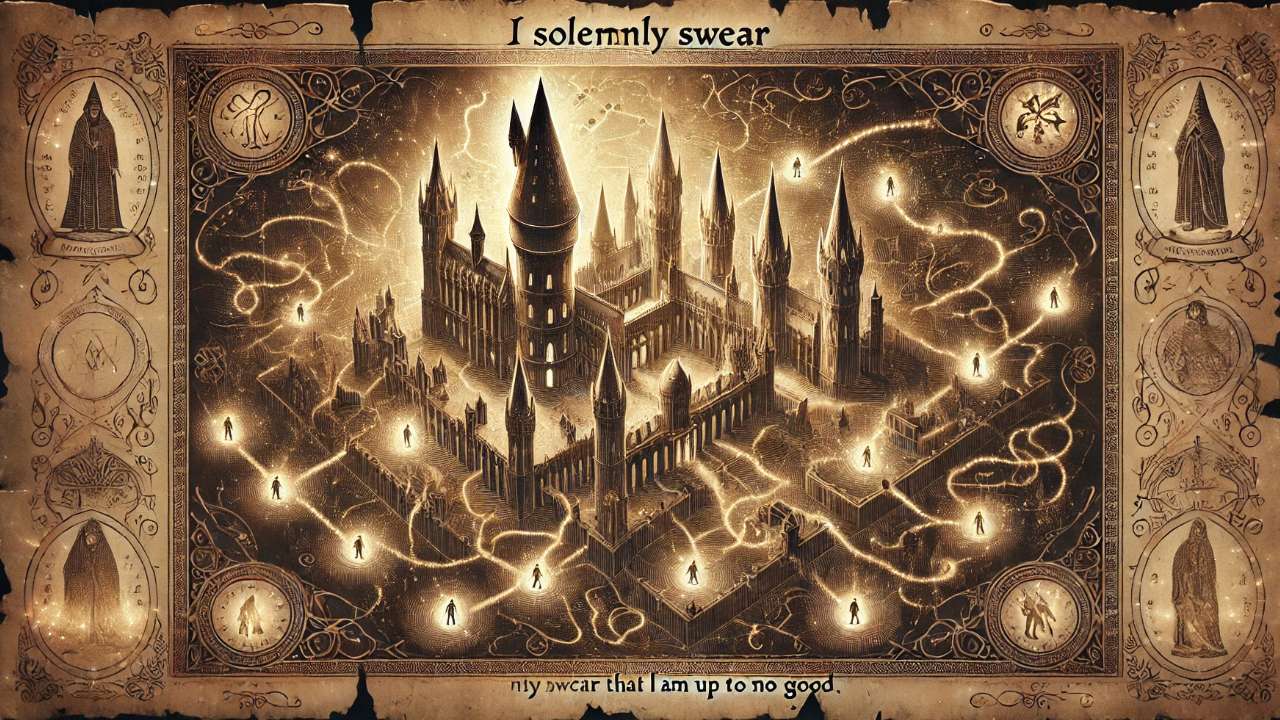
The Marauder’s Map, a magical masterpiece, stands as one of Padfoot and Prongs’s most enduring contributions. This enchanted parchment, introduced in Prisoner of Azkaban, reveals Hogwarts’s layout and tracks its inhabitants in real time. Sirius and James, alongside Remus and Peter, crafted it using advanced charms, likely including the Homonculous Charm, as hinted in Pottermore. Padfoot’s cunning and Prongs’s leadership were key to its creation, blending their magical expertise with their knack for mischief. The map’s passphrase, “I solemnly swear that I am up to no good,” reflects their playful spirit, while its utility in Harry’s adventures underscores its lasting impact.
Padfoot, Prongs, and Harry’s Journey
Sirius as Harry’s Godfather (Padfoot’s Influence)
Sirius Black, as Padfoot, becomes Harry’s anchor in a world of loss. In Prisoner of Azkaban, Sirius risks everything to protect Harry, revealing himself as a loyal godfather rather than a fugitive. His black dog form allows him to stay close, as seen in Goblet of Fire when he lingers near Hogwarts in Animagus form. Their bond deepens in Order of the Phoenix, where Sirius’s home at Grimmauld Place becomes a refuge. A poignant moment occurs when Sirius gifts Harry a two-way mirror, symbolizing his desire to remain connected. Padfoot’s protective instincts, rooted in his Animagus identity, make him a fan-favorite for his fierce devotion.
James’s Legacy Through Prongs
Though James Potter never appears in the flesh, his identity as Prongs profoundly shapes Harry’s journey. The stag Patronus, first conjured by Harry in Prisoner of Azkaban, is a direct link to James, symbolizing his enduring love. As Remus explains in the book, “Your father’s Patronus was a stag, too.” This connection peaks during the climactic scene where Harry’s stag drives off Dementors, a moment fans cherish for its emotional weight. Prongs’s legacy also surfaces in memories shared by Remus and Sirius, painting James as a brave, if flawed, hero whose sacrifice defines Harry’s path.
The Emotional Weight of Their Absence
The absence of Padfoot and Prongs looms large over Harry’s story, amplifying themes of loss and resilience. Sirius’s death in Order of the Phoenix devastates Harry, leaving him to grapple with grief. James’s death, recounted in Deathly Hallows, underscores the cost of standing against Voldemort. Yet, their presence lingers—through the stag Patronus, the Marauder’s Map, and Harry’s own courage. As J.K. Rowling noted in a 2007 Bloomsbury chat, “Sirius and James were like brothers to Harry in different ways.” This emotional thread resonates with fans, who see Padfoot and Prongs as symbols of enduring love amid tragedy.
Hidden Details and Fan Theories About Padfoot and Prongs
Easter Eggs in the Books and Films
J.K. Rowling’s world is rich with subtle nods to Padfoot and Prongs. In Prisoner of Azkaban, the black dog’s first appearance on Magnolia Crescent hints at Sirius’s protective nature long before his identity is revealed. The films amplify this with visual cues, like the stag’s silhouette in Deathly Hallows: Part 2 during Harry’s resurrection stone scene. Pottermore reveals that James’s wand, made of mahogany, was “excellent for transfiguration,” aligning with his Animagus skill. These details reward attentive fans and deepen the lore surrounding Padfoot and Prongs.
Popular Fan Theories
Fan communities on platforms like Reddit and X have spun intriguing theories about Padfoot and Prongs. One popular idea suggests Sirius’s black dog form influenced the Grim, a death omen Harry mistakes him for, adding layers to his misunderstood character. Another theory posits that James’s stag form inspired Lily’s doe Patronus, symbolizing their soulmate connection. While not explicitly confirmed, Rowling’s comment in a 2005 interview that “Patronuses can reflect deep bonds” lends credence. These theories, grounded in canon, spark discussion and showcase the Marauders’ lasting intrigue.
Symbolism in the Wizarding World
Padfoot and Prongs embody universal themes: loyalty, sacrifice, and legacy. Sirius’s black dog form aligns with guardian archetypes, like Anubis in Egyptian mythology, reinforcing his role as Harry’s protector. James’s stag evokes the Celtic stag god Cernunnos, symbolizing leadership and renewal. Their Animagus forms tie into the wizarding world’s emphasis on transformation and identity, reflecting how personal choices shape destinies. For fans, these symbols resonate beyond fiction, encouraging reflection on friendship and standing up for what’s right.
Why Padfoot and Prongs Matter to Fans Today
Their Enduring Popularity
Padfoot and Prongs remain fan favorites due to their complexity and relatability. Sirius’s journey from outcast to hero mirrors real-world struggles with redemption, while James’s growth from arrogant youth to selfless father inspires. Fan art, cosplay, and Marauders-centric fan fiction thrive on platforms like Archive of Our Own, with thousands of stories tagged “Sirius Black” and “James Potter.” Their appeal lies in their flaws and triumphs, making them timeless figures in the Harry Potter fandom.
Lessons from Their Stories
The stories of Padfoot and Prongs teach enduring lessons. Sirius’s loyalty to Harry, despite personal loss, highlights the power of chosen family. James’s sacrifice for Lily and Harry underscores the courage to stand against evil. Fans can apply these lessons by fostering strong friendships or advocating for justice. As Rowling wrote in a 2011 Pottermore post, “The Marauders represent the best of youth—flawed but striving.” Their stories encourage readers to embrace resilience and empathy in their own lives.
How to Celebrate Their Legacy
Fans can honor Padfoot and Prongs in meaningful ways. Reread key chapters, like “The Shrieking Shack” in Prisoner of Azkaban, to relive their impact. Watch film scenes, such as Sirius’s reunion with Harry or the Patronus sequence, for visual storytelling. Explore Marauders-themed merchandise, like wands or Marauder’s Map replicas, available on the Wizarding World shop. Engaging with fan communities on X or Reddit, using hashtags like #Marauders or #PadfootProngs, fosters connection. Hosting a Harry Potter book club or trivia night can also bring their legacy to life.
FAQs About Padfoot and Prongs
Why did Sirius choose the nickname Padfoot?
Sirius’s nickname reflects his black dog Animagus form, inspired by folklore about spectral dogs called “Padfoots.” It suits his loyal yet rebellious nature, as seen in his defiance of his family’s dark legacy.
How did James’s Animagus form influence Harry’s Patronus?
Harry’s stag Patronus mirrors James’s Prongs, a magical connection symbolizing his father’s love. This link, revealed in Prisoner of Azkaban, ties Harry to his father’s protective legacy.
What role did Padfoot and Prongs play in the Marauder’s Map?
Sirius and James were instrumental in crafting the map, using their Animagus knowledge and charm expertise. Their nicknames adorn the map, cementing their mischievous legacy.
Are there any untold stories about Padfoot and Prongs?
While Rowling has hinted at Marauders prequels, no official stories exist. Fan speculation on X suggests untold adventures, but Rowling’s focus remains on their Hogwarts years and Order contributions.
Padfoot and Prongs—Sirius Black and James Potter—are more than Marauders; they’re symbols of loyalty, sacrifice, and the enduring power of friendship. From their Animagus forms to the Marauder’s Map, their legacy weaves through Harry’s journey, touching fans with its emotional depth. By exploring their stories, we uncover lessons of courage and love that resonate beyond the wizarding world. Share your favorite Padfoot and Prongs moments in the comments or on X with #Marauders, and let their magic inspire you to embrace your own inner hero.