Imagine being sorted into a house that the wizarding world loves to hate. A house whose very name evokes whispers of dark magic, ambition gone wrong, and serpents coiled in the shadows. Yet, for millions of Harry Potter fans, Slytherin represents something far more compelling: unapologetic drive, razor-sharp intellect, and the courage to pursue greatness on your own terms. If you’ve ever searched for “Slytherin words” because you’re proud of your Sorting Hat result, curious about the house’s deeper meaning, or simply tired of the stereotypes, this guide is for you. Here, we’ll explore the core Slytherin words—those defining traits, iconic quotes, and signature terms—that reveal why Slytherin isn’t the “evil house,” but one of the most complex and empowering in J.K. Rowling’s beloved series.
As a lifelong Harry Potter scholar who has reread the books countless times, analyzed Rowling’s Pottermore (now Wizarding World) writings, and engaged with fan communities for over two decades, I’ve seen how Slytherin resonates with readers who value strategy, resilience, and self-determination. This comprehensive exploration goes beyond surface-level lists to uncover the nuance that makes Slytherin enduringly fascinating.
The Core Slytherin Traits: What Makes a True Slytherin?
The foundation of Slytherin identity lies in the traits Salazar Slytherin himself prized, as repeatedly described by the Sorting Hat across the Harry Potter books. These aren’t random qualities—they form a cohesive philosophy of achievement and survival in a challenging world.
Ambition
Ambition is perhaps the most quoted Slytherin trait, and for good reason. The Sorting Hat sings, “Those cunning folk use any means to achieve their ends,” but ambition is the engine driving those ends. In the books, we see it in young Tom Riddle’s relentless pursuit of power and immortality, but also in positive lights: Horace Slughorn’s desire to surround himself with influential people, or Regulus Black’s bold decision to defy Voldemort.
Real-world ambition, when channeled ethically, fuels innovation and leadership. Many successful entrepreneurs and artists identify with Slytherin because they recognize that healthy ambition means setting audacious goals and refusing to settle.
Cunning
Cunning often gets a bad rap, equated with deceit. But in Rowling’s world, cunning is cleverness applied strategically. Severus Snape’s masterful double-agent role required immense cunning—fooling Voldemort while protecting Harry. It’s about reading situations, anticipating outcomes, and choosing the smartest path, not necessarily the most straightforward one.
In everyday life, this translates to problem-solving under pressure: negotiating a better salary, navigating office politics, or finding creative solutions when resources are limited.
Resourcefulness
Slytherins are survivors. Resourcefulness means making the most of what’s available, a trait brilliantly displayed by Snape brewing flawless potions with limited ingredients or Merlin (yes, that Merlin, confirmed by Rowling as a Slytherin) revolutionizing wizardkind with ingenious magic.
This trait explains why so many fans sorted into Slytherin describe themselves as adaptable—able to thrive in uncertain environments where others might falter.
Leadership and Determination
While Gryffindors charge forward with bravery, Slytherins lead through calculated determination. Draco Malfoy’s leadership among his peers, Slughorn’s influence via the Slug Club, and even Voldemort’s ability to command unwavering loyalty (however twisted) demonstrate this. True Slytherin leadership is visionary: seeing what needs to change and having the willpower to make it happen.
Shrewdness and Self-Preservation
Shrewdness involves keen judgment and protecting one’s interests—a trait often misunderstood as selfishness. Narcissa Malfoy’s lie to Voldemort to save Draco shows how self-preservation can be profoundly loving. It’s about boundaries and smart risk assessment, qualities essential for long-term success.
Loyalty (to Their Own)
Contrary to popular belief, Slytherins are intensely loyal—just selectively so. The Sorting Hat notes they’ll “use any means” for those they care about. Examples abound: Snape’s lifelong devotion to Lily Potter, Narcissa and Bellatrix’s fierce family bonds, and Regulus Black’s ultimate sacrifice for his house-elf Kreacher.
This selective loyalty fosters deep, meaningful relationships rather than superficial ones, a strength many Slytherins cherish.
Iconic Slytherin Quotes from the Harry Potter Series
Words have power in the wizarding world, and Slytherins wield them masterfully. These quotes capture the house’s wit, depth, and philosophy.
Quotes from Slytherin Characters
Severus Snape delivers some of the series’ most memorable lines. “Always” remains iconic, revealing the depth of his loyalty and love. Another: “The mind is not a book, to be opened at will and examined at leisure.” This speaks to Slytherin respect for privacy and mental discipline.
Draco Malfoy’s vulnerability shines in moments like “My father will hear about this!”—initially arrogant, but later revealing a scared boy under pressure. Horace Slughorn’s “I am not proud… I am just afraid” humanizes ambition tinged with fear.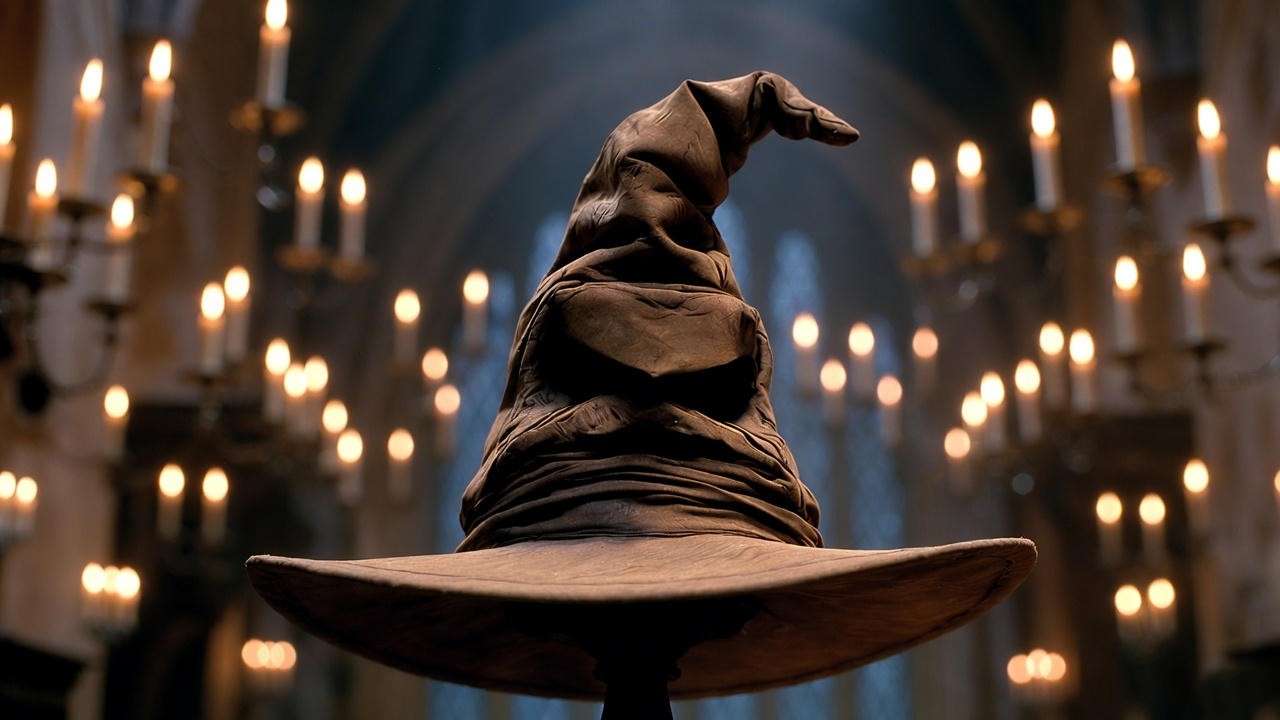
Even darker characters offer insight. Voldemort’s “There is no good and evil, there is only power and those too weak to seek it” distorts Slytherin ambition but highlights the house’s focus on agency.
The Sorting Hat’s Song on Slytherin
Every year, the Hat reminds us: “Or perhaps in Slytherin, / You’ll make your real friends, / Those cunning folk use any means / To achieve their ends.” This verse, consistent across books, emphasizes friendship and determination over morality dictated by others.
Dumbledore and Others on Slytherin
Dumbledore himself notes, “It is our choices, Harry, that show what we truly are, far more than our abilities”—a line directed at Harry’s near-Slytherin sorting. The headmaster also acknowledges teaching many Slytherins and seeing their potential.
Key Terms and Vocabulary Associated with Slytherin
Beyond traits, specific terms and symbols define Slytherin culture in the books and beyond.
House Symbols and Elements
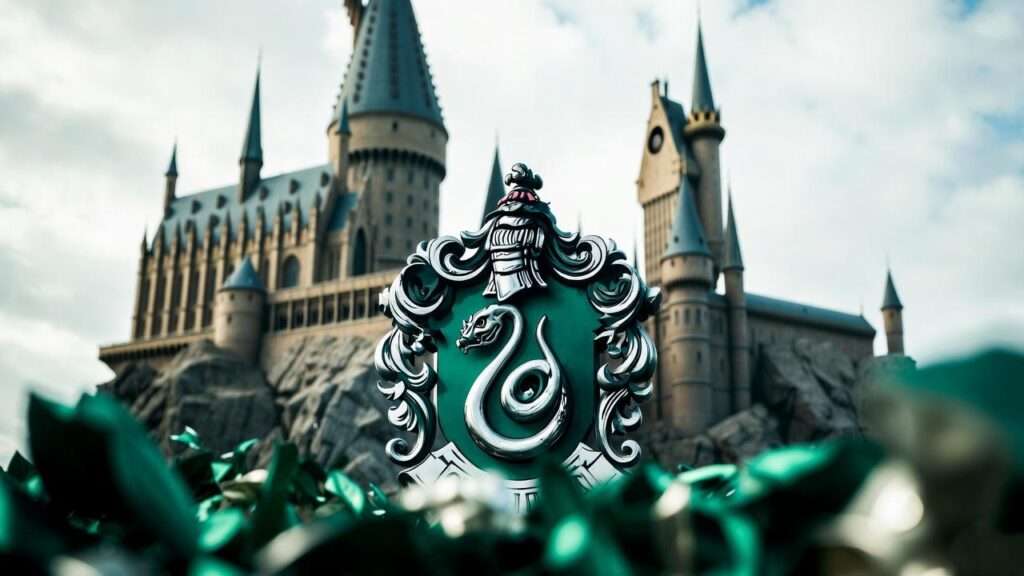
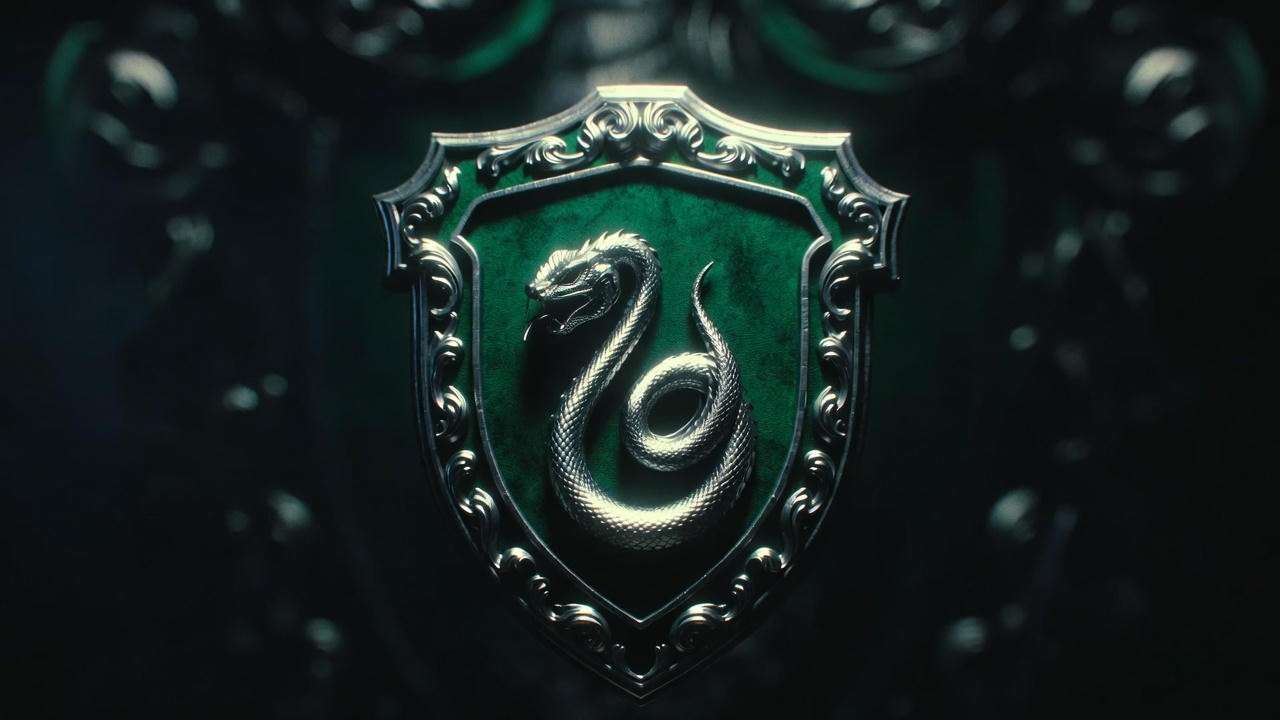
The serpent emblem represents wisdom and rebirth in many cultures—fitting for a house of transformation. Colors silver and green evoke water (Slytherin’s element) and the dungeons’ cool, underwater common room. The motto “Slytherin will help you on your way to greatness” promises support for ambitious members.
Famous Slytherin Passwords and Phrases
Known common room passwords include “pure-blood” (reflecting historical bias) and others like “aspiration” or “ambition” in fan-extended canon. These change regularly but often tie to house values—pride, heritage, or drive.
Related Wizarding Terms
Parseltongue, the ability to speak to snakes, links directly to Salazar Slytherin and became stigmatized through Voldemort. Skills like Legilimency and Occlumency—mind reading and blocking—were specialties of Snape, showcasing mental prowess.
Terms like “blood purity” represent outdated ideology many modern Slytherins reject, as seen in Rowling’s writings.
Modern Fan Vocabulary
In fan communities, “Slytherin energy” describes someone strategic, stylish, and unapologetically goal-oriented. Hybrids like “Slytherpuff” or “Slytherclaw” acknowledge overlapping traits.
Famous Slytherins: Heroes, Villains, and Everything In Between
Slytherin House has produced some of the most memorable and multifaceted characters in the Harry Potter series. Far from a monolithic group of villains, its alumni span the moral spectrum, illustrating how the same traits—ambition, cunning, and determination—can lead to vastly different outcomes depending on choices.
Salazar Slytherin
The founder himself remains controversial. Salazar valued magical heritage and prized ambition and cunning in his students. His disagreement with the other founders over blood purity led to the Chamber of Secrets, but Rowling has clarified that his views were extreme even for his era. Understanding Salazar helps contextualize the house’s historical baggage while recognizing that modern Slytherins define themselves beyond his legacy.
Severus Snape
No discussion of Slytherin is complete without Severus Snape, arguably the series’ most complex character. Head of Slytherin House for years, Snape embodied every core trait: ambition in his pursuit of mastery in potions and the Dark Arts, cunning in his double-agent role, resourcefulness in inventing spells like Sectumsempra, and unwavering loyalty to Lily Evans—even after her death.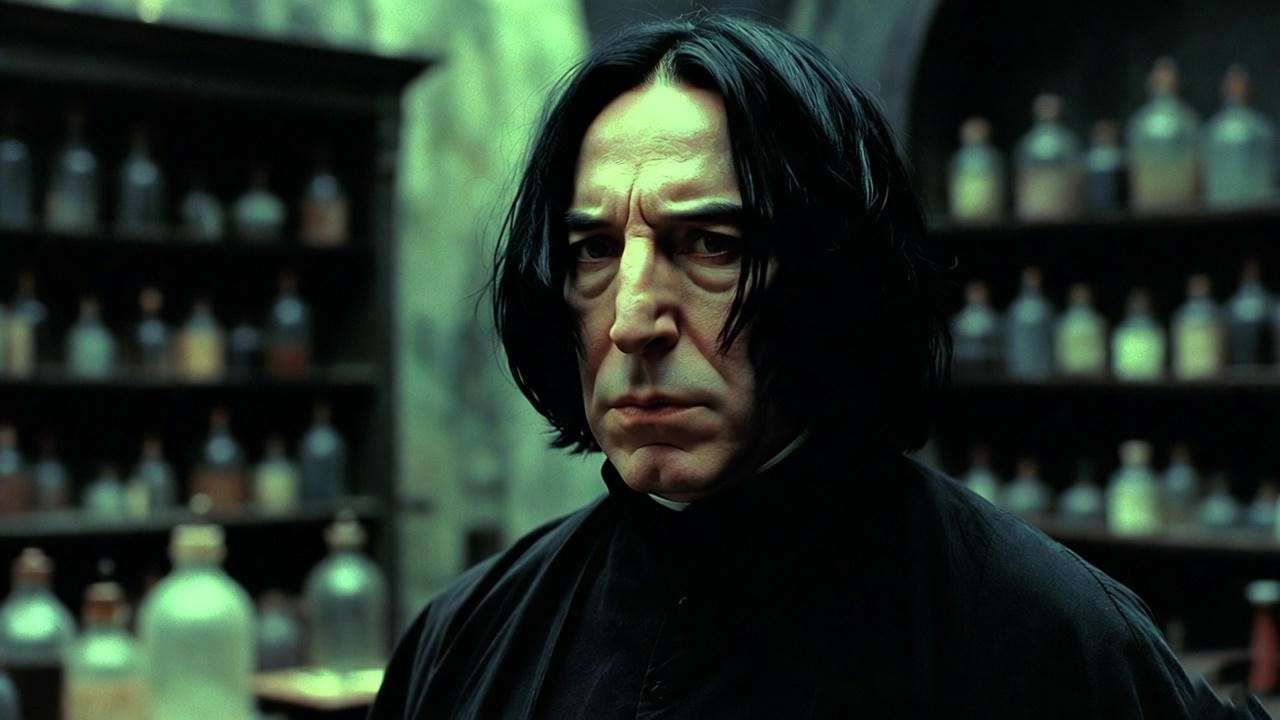
His story arc, fully revealed in The Deathly Hallows, redeems him in the eyes of many fans. As Rowling stated in interviews, Snape represents the idea that our choices, not our houses or abilities, define us. His Patronus—a doe matching Lily’s—symbolizes that love can transcend house rivalries.
Draco Malfoy and the Malfoys
Draco begins as Harry’s antagonist, embodying pure-blood arrogance. Yet his journey reveals vulnerability: pressured by family expectations, terrified of failure, and ultimately unable to kill Dumbledore. Post-war, Rowling confirmed Draco reformed, raising his son Scorpius without the same prejudices.
Lucius and Narcissa further humanize the family. Narcissa’s lie to Voldemort (“He is dead!”) to protect Draco is one of the series’ pivotal moments of maternal love overriding ideology.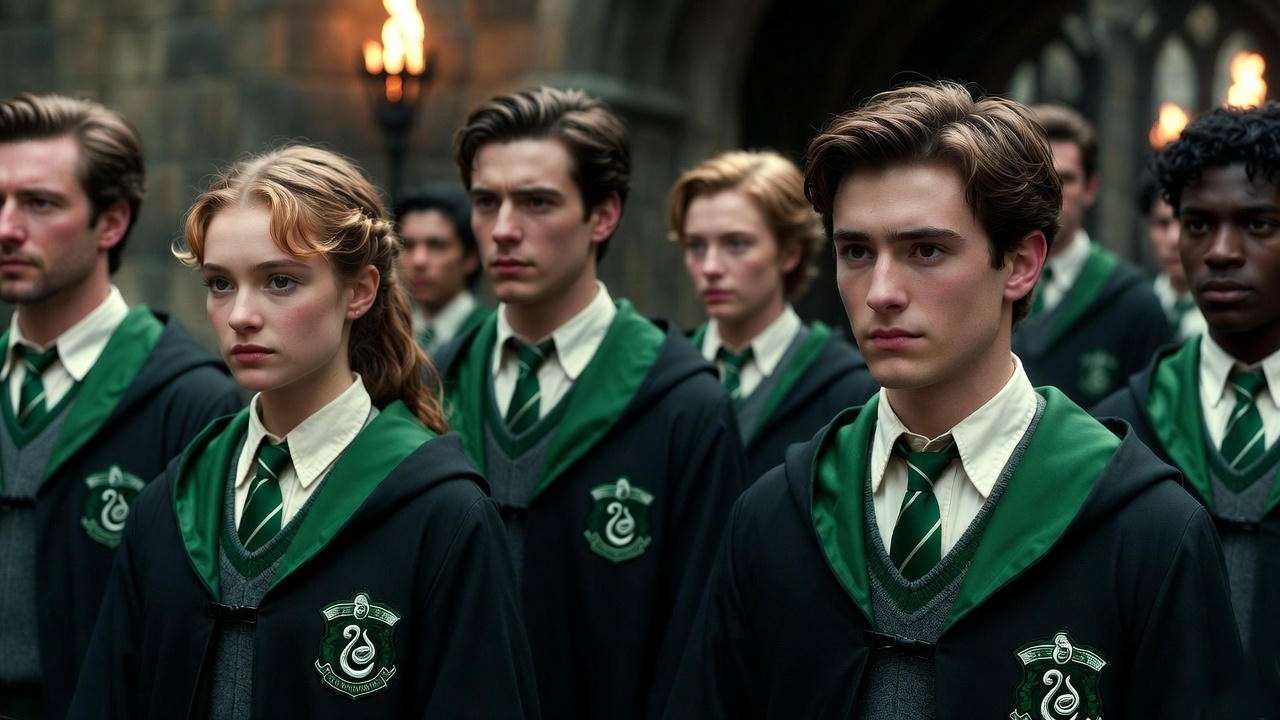
Horace Slughorn
Professor Slughorn offers a lighter, more relatable take on Slytherin ambition. His “Slug Club” collected influential and talented students—not out of malice, but networking savvy. Slughorn’s regret over sharing the Horcrux secret with young Tom Riddle adds depth, showing how ambition can inadvertently cause harm when not tempered with caution.
Merlin and Other Positive Examples
J.K. Rowling has repeatedly affirmed that Merlin, the most famous wizard in history, was a Slytherin. This single revelation reframes the house’s potential for greatness. Merlin’s legendary achievements—founding the Order of Merlin, advising King Arthur—highlight how Slytherin traits can serve the greater good.
Redeemed or Nuanced Slytherins
Regulus Black sacrificed himself to retrieve a Horcrux, proving bravery and moral courage. Andromeda Tonks defied her family to marry Ted Tonks, raising the compassionate Nymphadora. Even lesser-known alumni like Blaise Zabini’s mother (resourceful in business) or Phineas Nigellus Black (sharp-witted former headmaster) add layers.
These examples collectively demonstrate that Slytherin produces leaders, innovators, and heroes—not just villains.
Debunking Myths: Why Slytherin Isn’t “The Evil House”
One of the most persistent misconceptions about Slytherin is that it’s inherently evil. This stereotype stems largely from Voldemort’s influence during Harry’s years at Hogwarts, when many Death Eaters were Slytherins. However, a closer look at canon reveals a more balanced picture.
Not All Slytherins Are Bad
During the Battle of Hogwarts, while no Slytherins initially stayed to fight (many were evacuated with minors), Slughorn returned with reinforcements and duelled Voldemort himself. Rowling noted on Pottermore/Wizarding World that the house’s reputation suffered from a vocal minority pushing blood purity—an ideology not shared by all members.
Harry himself was nearly sorted into Slytherin, with the Hat seeing great potential there. As the Hat told him: “You could be great, you know, it’s all here in your head, and Slytherin will help you on the way to greatness, no doubt about that.”
Positive Slytherin Traits in Real Life
In the Muggle world, Slytherin qualities drive progress. Ambition pushes scientists toward breakthroughs; cunning helps diplomats negotiate peace; resourcefulness aids entrepreneurs in tough markets. Many fans sorted into Slytherin on official quizzes identify as high-achievers who value strategy and loyalty—traits celebrated in business, law, arts, and activism.
Rowling has addressed this directly in interviews, emphasizing that every house has flaws and virtues. Gryffindors can be reckless, Ravenclaws aloof, Hufflepuffs overly trusting—yet only Slytherin carries the “evil” label, which she attributes to narrative bias from Harry’s perspective.
Embracing Your Inner Slytherin: Tips for Fans
Whether the Sorting Hat placed you in Slytherin or you simply admire the house, channeling its traits positively can enhance your life.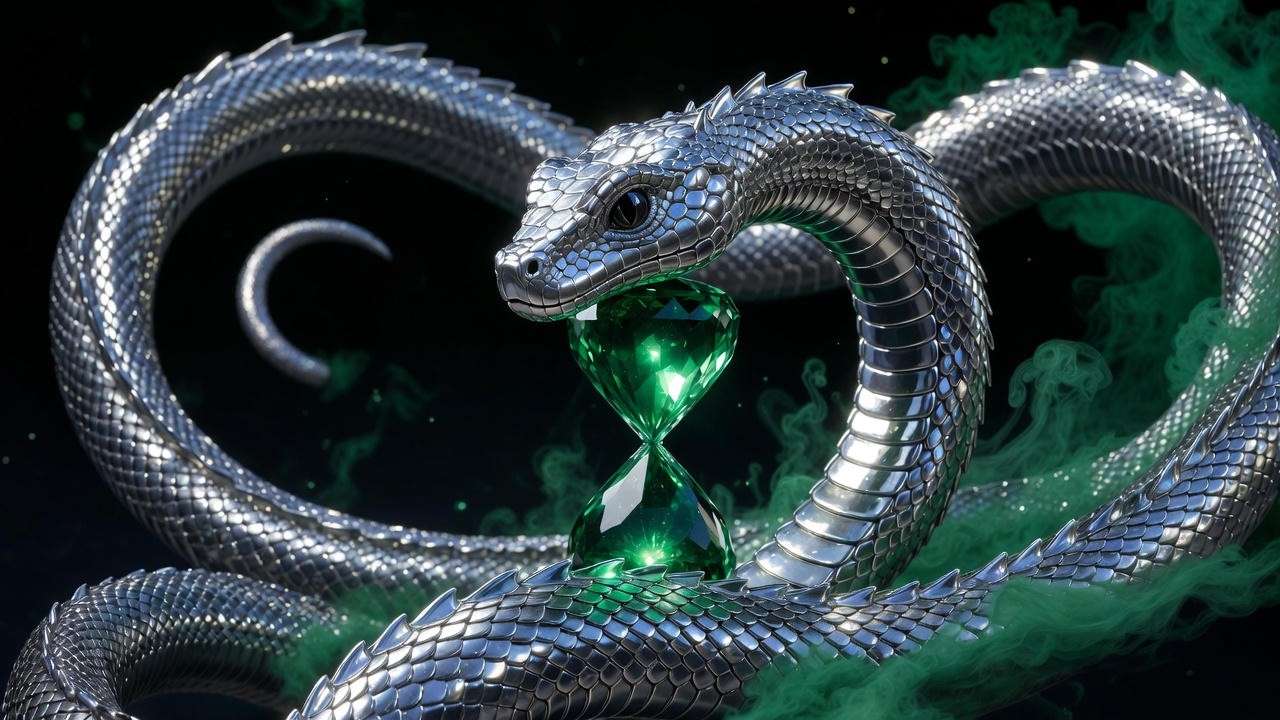
How to Channel Slytherin Traits Positively
- Set Ambitious Goals: Use tools like SMART goals, but infuse them with Slytherin determination—break big dreams into strategic steps.
- Practice Strategic Thinking: Before decisions, ask: “What outcome do I want, and what’s the smartest path?” This is pure cunning without harm.
- Build Selective, Deep Loyalty: Invest in relationships that matter. Like Narcissa or Snape, protect your inner circle fiercely.
- Develop Resourcefulness: When faced with obstacles, brainstorm unconventional solutions—think “MacGyver” with magic.
Slytherin-Inspired Activities
- Create a vision board with green and silver themes, featuring motivational quotes.
- Journal using prompts like “What would Snape do?” for tough emotional situations.
- Join or start a “Slug Club”-style network of mentors and peers in your field.
- Wear house pride subtly—emerald accessories or serpent jewelry—as a reminder of your inner strength.
Expert Insights: Why Slytherin Resonates Today
As someone who has followed the Harry Potter fandom since the books’ release, attended midnight launches, and studied Rowling’s additional writings extensively, I believe Slytherin’s modern appeal lies in its realism. In an uncertain world, traits like ambition and self-preservation feel empowering rather than villainous.
Fan discussions on platforms like Reddit and Wizarding World show a surge in Slytherin pride, with many citing characters like Snape and Regulus as inspirations for personal growth. The house teaches that greatness isn’t about being the loudest hero—it’s about resilience, clever choices, and defining success on your terms.
FAQs
What are the main Slytherin words/traits? The core traits are ambition, cunning, resourcefulness, leadership, determination, shrewdness, and strong loyalty to chosen people.
What are some famous Slytherin quotes? Iconic ones include Snape’s “Always,” the Sorting Hat’s “Those cunning folk use any means to achieve their ends,” and Voldemort’s line on power (as a cautionary example).
Was Harry Potter almost a Slytherin? Yes—the Sorting Hat seriously considered it, seeing Harry’s ambition and resourcefulness, but placed him in Gryffindor at his request.
Are there good Slytherins? Absolutely: Severus Snape, Regulus Black, Horace Slughorn, Andromeda Tonks, and even Merlin himself.
What do Slytherin passwords mean? They often reflect house values like “pure-blood” (historical) or words tied to ambition and pride, changing regularly for security.
How can I embody positive Slytherin qualities? Focus on ethical ambition, strategic planning, deep loyalty, and resourceful problem-solving in daily life.
Slytherin words—traits like ambition and cunning, quotes that reveal profound depth, and terms rich with symbolism—paint a portrait of a house far more nuanced than its reputation suggests. From Salazar’s legacy to Snape’s redemption, from Merlin’s greatness to modern fans embracing “Slytherin energy,” the house of the serpent invites us to own our drive unapologetically.
Whether you’re a proud Slytherin or simply appreciate its complexity, these words remind us that true power lies in choices, resilience, and pursuing greatness with intelligence and heart. Embrace the serpent—you might just discover your own path to extraordinary things.