
Picture a rainy afternoon in 1997, with children and adults alike queuing outside bookstores, buzzing with anticipation for a tale about a boy wizard. Fast forward to 2025, and Harry Potter remains a global phenomenon, its magic undimmed. The stories behind Harry Potter’s success are as enchanting as the series itself, weaving together J.K. Rowling’s perseverance, masterful storytelling, and a cultural juggernaut that reshaped entertainment. What made this saga a timeless triumph? This article dives into the untold tales, creative decisions, and cultural impacts that fueled the Harry Potter legacy, offering fans and curious readers a deeper appreciation of its magic.
The Origin Story: J.K. Rowling’s Journey to Creating a Global Phenomenon
From a Train Ride to a Magical World
In 1990, a delayed train from Manchester to London became the unlikely birthplace of Harry Potter. J.K. Rowling, then a struggling writer, envisioned a bespectacled boy discovering his magical destiny. This spark of inspiration ignited a world that would captivate millions. Rowling’s journey was far from easy—she balanced single motherhood and financial hardship while crafting Harry Potter and the Philosopher’s Stone. Her dedication to her vision, scribbling ideas in cafés, showcases a tenacity that resonates with aspiring writers. In a 2008 interview with Oprah Winfrey, Rowling reflected, “The idea felt so real, I knew I had to write it.” Her story underscores the power of persistence in creative endeavors.
The Rejection Gauntlet
Before Harry Potter became a household name, Rowling faced relentless rejection. Twelve publishers dismissed her manuscript, citing its length or perceived lack of commercial appeal. Bloomsbury, a small British publisher, took a chance in 1996, swayed by the enthusiasm of chairman Nigel Newton’s daughter. With a modest £2,500 advance, the first print run was just 500 copies—many now collector’s items. By 2000, the series had sold millions, with Harry Potter and the Goblet of Fire alone selling 3 million copies in its first weekend. This meteoric rise from obscurity to global fame highlights the unpredictable nature of literary success.
Crafting a Timeless Narrative
Universal Themes That Resonate
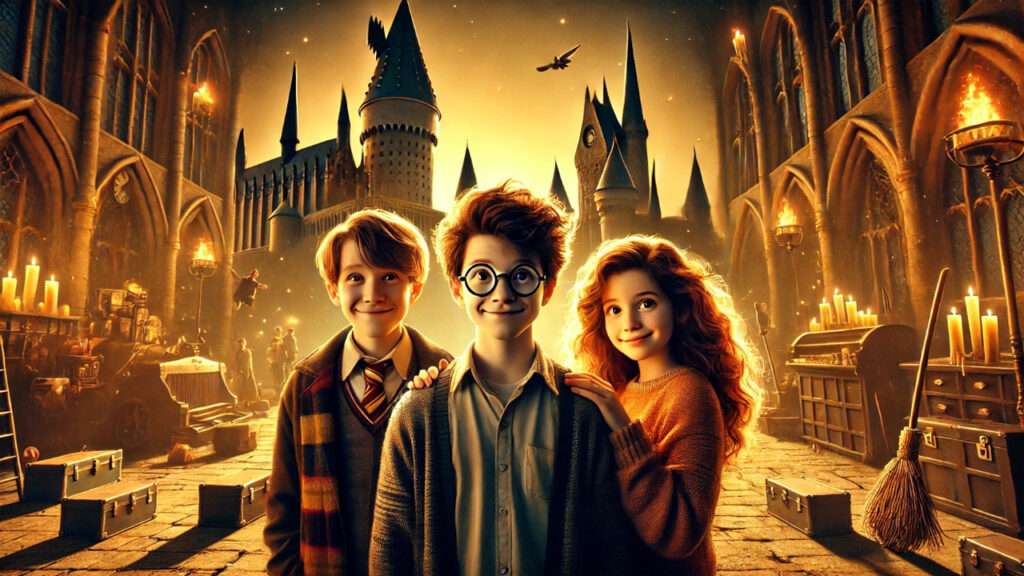
At its core, Harry Potter thrives on universal themes: friendship, courage, and the battle between good and evil. Harry, Ron, and Hermione’s bond mirrors the loyalty readers crave in their own lives, while Harry’s struggle against Voldemort echoes timeless moral conflicts. Rowling masterfully wove coming-of-age struggles—identity, loss, and love—into a fantastical framework, making the series relatable across cultures. Fans often cite moments like Harry’s sacrifice in Deathly Hallows as emotionally resonant. Tip: Revisit your favorite scenes to spot these themes—try journaling how they reflect your own experiences for a deeper connection.
World-Building Mastery
Rowling’s wizarding world is a triumph of imagination. From the sprawling halls of Hogwarts to the bustling Diagon Alley, every detail—Quidditch, Polyjuice Potion, or Patron uses—feels alive. Literary scholar John Granger notes, “Rowling’s world is immersive because it balances familiarity with wonder.” Her meticulous planning, including detailed backstories for minor characters like Remus Lupin, adds depth. The series’ 80+ translations reflect its global appeal, with elements like the Sorting Hat sparking fan debates worldwide. This intricate world-building invites readers to lose themselves in a universe that feels as real as their own.
The Publishing Phenomenon
Breaking Sales Records
Harry Potter redefined publishing. By 2025, the series has sold over 600 million copies globally, translated into 85 languages. Midnight release parties for books like Order of the Phoenix became cultural events, with fans donning cloaks and wands. In 2007, Deathly Hallows sold 11 million copies in its first 24 hours. These events fostered a sense of community, turning readers into lifelong fans. Example: Fans recall camping outside bookstores, sharing theories about Snape’s allegiance—an experience that deepened their love for the series.
The Role of Bloomsbury and Scholastic
Publishers Bloomsbury (UK) and Scholastic (US) were pivotal in Harry Potter’s rise. Bloomsbury’s decision to market the books to both children and adults, with distinct cover designs, broadened its appeal. Scholastic’s aggressive marketing, including school book fairs, introduced the series to young American readers. By 2000, the first three books occupied the top spots on The New York Times bestseller list, prompting the creation of a separate children’s list. A timeline of milestones—Philosopher’s Stone (1997), Chamber of Secrets (1998), Prisoner of Azkaban (1999)—shows how strategic publishing fueled the series’ momentum.
From Page to Screen: The Cinematic Triumph
Casting the Perfect Ensemble
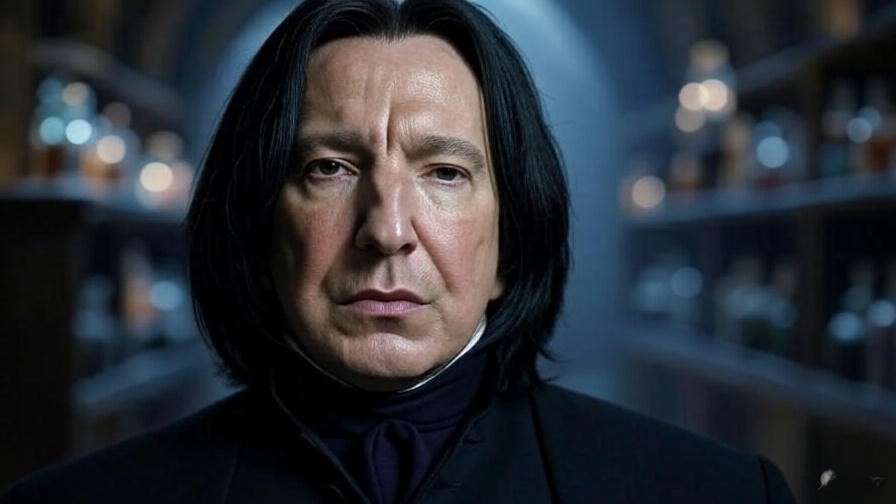
The Harry Potter films, released from 2001 to 2011, amplified the series’ reach. Casting unknowns like Daniel Radcliffe (Harry), Emma Watson (Hermione), and Rupert Grint (Ron) alongside legends like Alan Rickman (Snape) and Maggie Smith (McGonagall) was a masterstroke. Director Chris Columbus emphasized authenticity, auditioning thousands to find the trio. Rickman’s nuanced portrayal of Snape, informed by Rowling’s private insights, became iconic. Producer David Heyman noted in a 2011 interview, “The cast grew with their characters, mirroring the books’ emotional depth.” This synergy between actors and roles captivated audiences.
Visualizing the Wizarding World
The films brought Rowling’s world to life with breathtaking visuals. Production designer Stuart Craig crafted Hogwarts’ gothic grandeur, while John Williams’ score imbued scenes with magic. The Great Hall’s floating candles and the Whomping Willow’s menace became cinematic landmarks. Visual effects, like the Quidditch matches in Sorcerer’s Stone, pushed technological boundaries. By Deathly Hallows: Part 2, the films had grossed over $7.7 billion worldwide, per Box Office Mojo. Example: The Battle of Hogwarts, with its spellbinding visuals, remains a fan-favorite for its emotional and visual impact.
Cultural and Social Impact
Building a Global Fandom
Harry Potter didn’t just create readers; it birthed a global fandom. Fan conventions like Leaky Con and online platforms like Potter more (now WizardingWorld.com) fostered communities where fans debate theories, craft fanfiction, and cosplay as characters like Luna Lovegood. The series’ emphasis on belonging resonated, inspiring fan clubs and meetups worldwide. A 2019 study by the University of Cambridge noted that Harry Potter boosted literacy rates among young readers, with 60% of surveyed teens crediting the series for their love of reading. Tip: Join a local fan club or explore Wizarding World’s quizzes to connect with fellow fans and rediscover the series’ magic.
Addressing Social Issues
Rowling wove social commentary into her narrative, tackling issues like prejudice and inequality. The pure-blood vs. Muggle-born conflict mirrors real-world discrimination, while characters like Dumbledore advocate for tolerance. Rowling’s post-series advocacy, including her work with Lumos, reinforced these themes. The series’ exploration of resilience—seen in Harry’s perseverance against trauma—offers readers a framework for facing personal challenges. Example: Hermione’s fight for house-elf rights in Goblet of Fire parallels activism, inspiring fans to champion causes. This depth elevates Harry Potter beyond entertainment, making it a lens for understanding societal issues.
The Business of Harry Potter
Theme Parks and Merchandise
The Wizarding World of Harry Potter at Universal Studios, launched in 2010, turned fiction into reality. Visitors wander Hogsmeade, sip Butterbeer, and ride the Hogwarts Express, immersing themselves in Rowling’s universe. By 2025, the parks in Orlando, Hollywood, and Japan have generated billions in revenue, per Universal’s reports. Merchandise, from wands to Hogwarts house scarves, fuels a multi-billion-dollar industry. The stage play Harry Potter and the Cursed Child grossed over $150 million in its first year on Broadway. These ventures show how Harry Potter transformed into a commercial empire.
Expanding the Universe
The Harry Potter universe continues to grow through spin-offs like the Fantastic Beasts film series and Cursed Child. The Fantastic Beasts trilogy, despite mixed reviews, expanded the wizarding world’s lore, introducing characters like Newt Scamander. Transmedia storytelling—books, films, games, and apps—keeps the franchise vibrant. Industry analyst Jeff Gomez notes, “Harry Potter’s transmedia approach ensures its relevance across generations.” The upcoming HBO Harry Potter series, set for 2026, promises to deepen the saga’s legacy. This expansion reflects strategic foresight in sustaining fan engagement.
Lessons from Harry Potter’s Success
What Writers Can Learn
Rowling’s journey offers invaluable lessons for aspiring authors. Her persistence through rejection teaches resilience, while her authentic voice—rooted in personal experiences—created a relatable world. Tip: Aspiring writers can follow this checklist:
- Craft authentic characters: Draw from real emotions, like Rowling’s depiction of Harry’s grief.
- Plan meticulously: Outline your world’s rules, as Rowling did for her magic system.
- Engage your audience: Build community through relatable themes and interactive elements.
Rowling’s success shows that storytelling, when heartfelt, can transcend barriers.
Why It Still Matters
In 2025, Harry Potter remains a cultural touchstone. Its influence on modern fantasy is undeniable—authors like Brandon Sanderson cite Rowling’s world-building as inspiration. The series’ themes of hope and unity resonate in a polarized world. Compared to franchises like Marvel, Harry Potter’s cohesive narrative and emotional depth set it apart. Fans continue to find solace in Hogwarts, with social media platforms like X buzzing with #Potterhead trends. The series’ ability to evolve—through new media and fan creations—ensures its enduring relevance.
FAQs About Harry Potter’s Success
Why did Harry Potter become so popular compared to other fantasy series?
Its universal themes, immersive world, and relatable characters set it apart, amplified by strategic publishing and cinematic excellence.
How did J.K. Rowling overcome early rejections to publish the series?
Rowling’s persistence and Bloomsbury’s faith in her vision turned a rejected manuscript into a global bestseller.
What role did fans play in the series’ global success?
Fan communities fueled word-of-mouth buzz, with events like midnight releases building a passionate, global fandom.
How did the films contribute to the Harry Potter phenomenon?
The films’ stellar casting, visuals, and fidelity to the books broadened the series’ reach, grossing billions worldwide.
What can aspiring writers learn from J.K. Rowling’s journey?
Perseverance, authenticity, and detailed world-building are key to creating stories that resonate.
The stories behind Harry Potter’s success reveal a tapestry of creativity, resilience, and cultural impact. From J.K. Rowling’s train-ride epiphany to the global fandom that thrives in 2025, the series’ magic lies in its ability to connect with hearts worldwide. Its universal themes, cinematic brilliance, and expansive universe continue to inspire. Revisit Hogwarts, share your favorite moments in the comments, or explore our blog for more Harry Potter insights. The wizarding world awaits—where will its magic take you next?