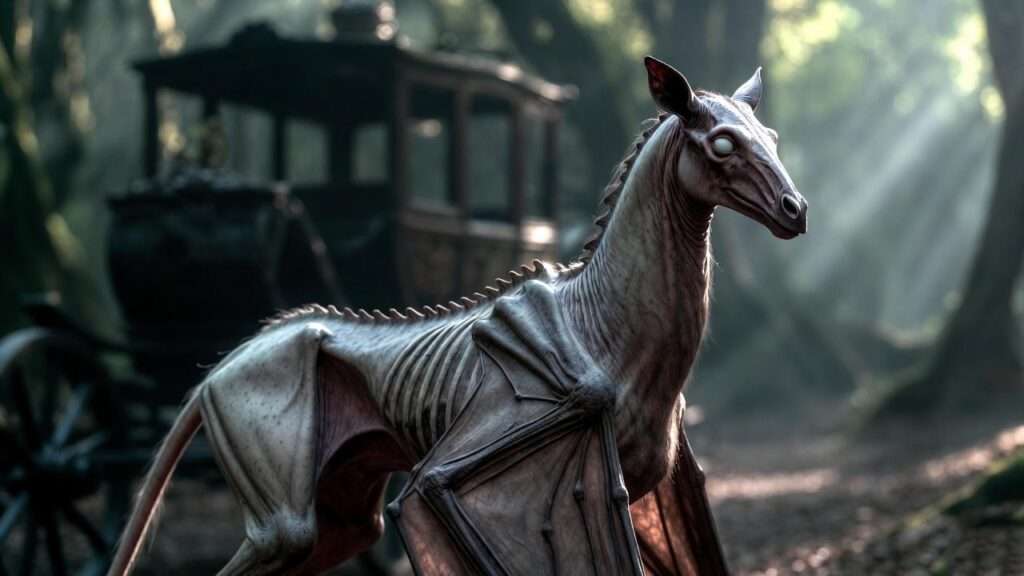
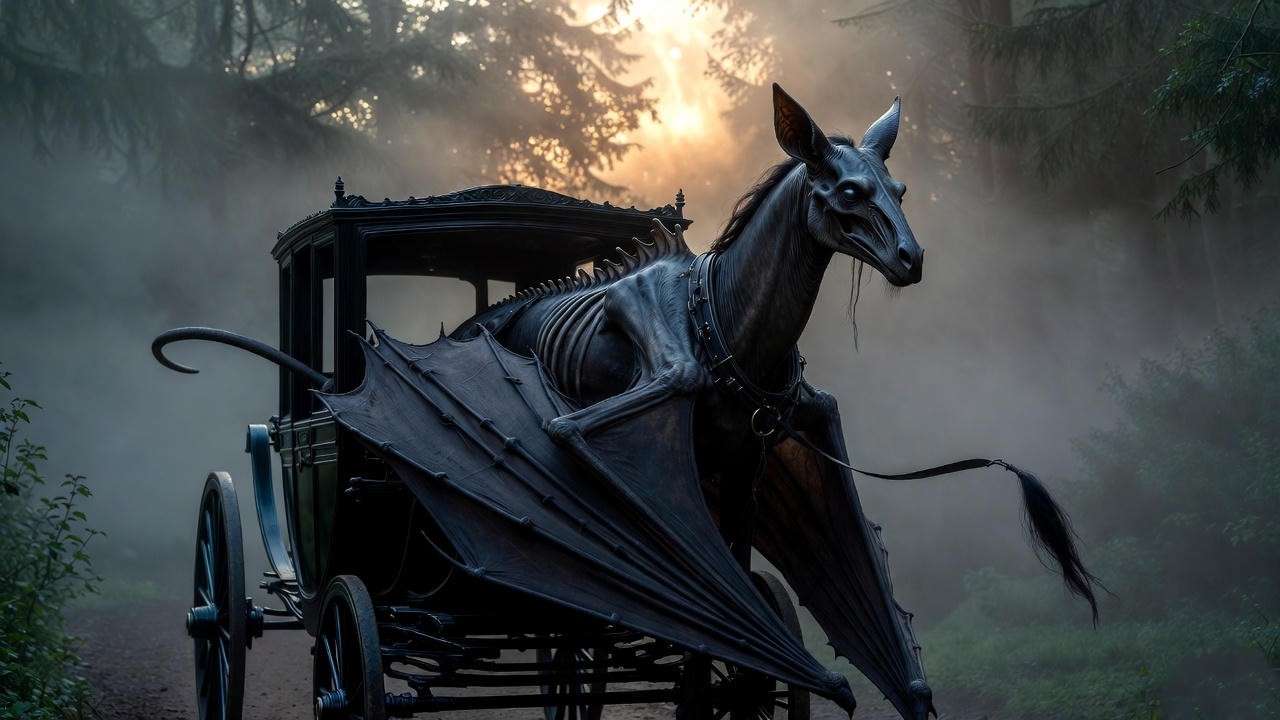
Imagine arriving at Hogwarts for your fifth year, expecting the familiar sight of “horseless” carriages gliding effortlessly toward the castle. But this time, something’s different. Pulling the carriages are eerie, skeletal winged horses with blank white eyes and bat-like wings—creatures that seem straight out of a nightmare. This chilling moment is exactly how Harry Potter first encounters the Thestral in Harry Potter and the Order of the Phoenix, a revelation tied directly to his processing of Cedric Diggory’s tragic death. These enigmatic beings have captivated fans ever since, often misunderstood as omens of doom despite their gentle nature.
Thestrals are among the most fascinating magical creatures in J.K. Rowling’s wizarding world, blending haunting visuals with profound themes of grief, loss, and acceptance. Visible only to those who have witnessed and fully comprehended death, they add a layer of hidden depth to the Harry Potter series. In this ultimate guide, we’ll explore every aspect of Thestrals—from their physical traits and unique abilities to their roles in key events, symbolism, and even connections to legendary artifacts like the Elder Wand. Drawing directly from canon sources, including Rowling’s own explanations, this comprehensive resource clears up common misconceptions and provides the deepest insights available for dedicated fans.
What Are Thestrals? Physical Description and Characteristics
Thestrals are a rare breed of winged horses native primarily to the British Isles and Ireland, with occasional sightings in France and the Iberian Peninsula. Classified by the Ministry of Magic as XXXX (dangerous but capable of domestication), they possess a striking, otherworldly appearance that contributes to their fearsome reputation.
Appearance in Books vs. Films
In the books, Thestrals are described as having skeletal bodies covered in thin, black skin that clings tightly to their bones, giving them a gaunt, almost reptilian look. Their faces are dragon-like with sharp features, blank white eyes that appear pupil-less, wide leathery bat wings, and long black manes and tails. They resemble pegasi but with an undead, ethereal quality.
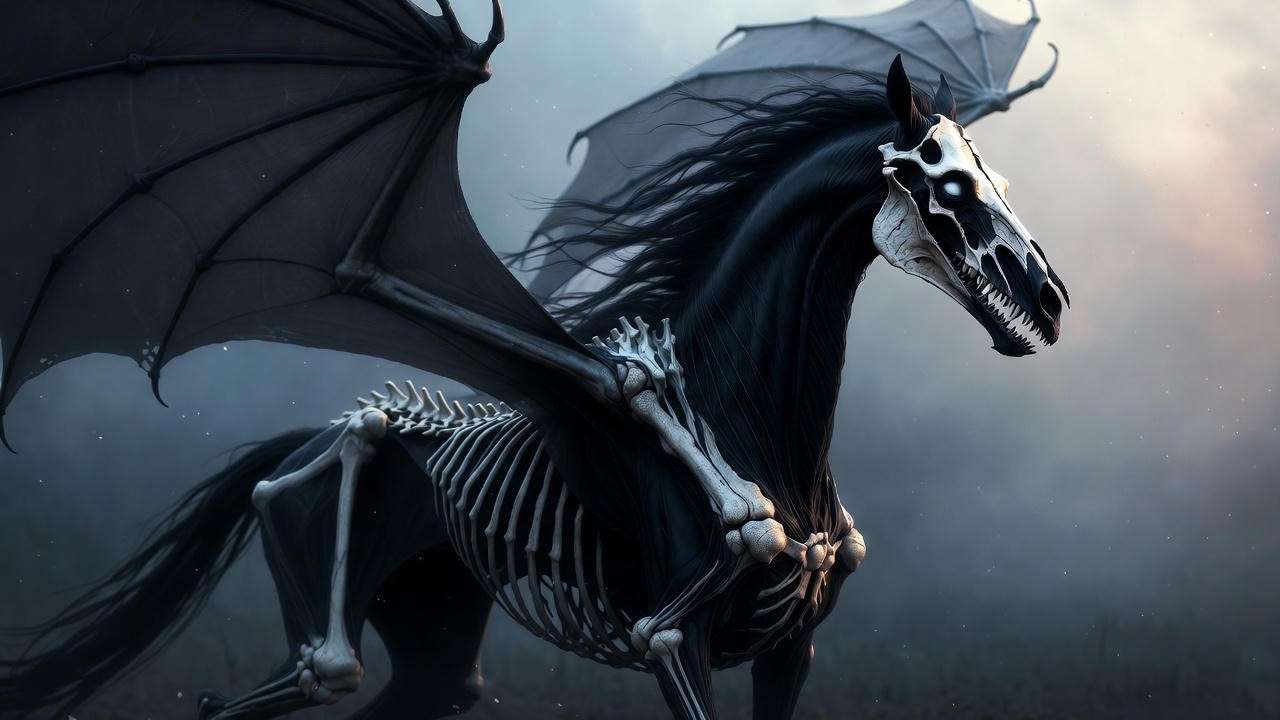 The film adaptations took some creative liberties for visual impact. In the movies, starting with Harry Potter and the Order of the Phoenix, Thestrals appear more bird-like, with elongated necks and feathered elements around their wings to enhance their flight scenes. Notably, the films omitted visible manes and tails in some shots, which sparked fan confusion given the canon detail about Thestral tail hair as a wand core (more on that later). Despite these differences, both versions capture their ominous yet majestic presence.
Behavior and Temperament
Contrary to popular wizarding superstition labeling them as bad omens, Thestrals are gentle, intelligent, and highly loyal creatures. They are carnivorous—Hagrid feeds the Hogwarts herd raw meat—and possess an exceptional sense of direction. Once told a destination, they navigate flawlessly without further guidance, making them ideal for long-distance travel.
Thestrals form strong bonds with those who treat them kindly, as seen with Rubeus Hagrid, who breeds and cares for the Hogwarts herd. His favorite, a stallion named Tenebrus, exemplifies their affectionate side. They only become aggressive if threatened, otherwise remaining calm and docile.
Magical Abilities
Beyond flight, Thestrals’ most unique trait is their selective invisibility: they can only be seen by witches and wizards who have witnessed death and gained a mature understanding of it. This isn’t mere sight—it’s tied to emotional processing, as J.K. Rowling has clarified. Their strength allows them to carry multiple riders over vast distances, and their speed rivals broomsticks in urgency.
The Unique Visibility Rule: Who Can See Thestrals and Why?
The core mystery surrounding Thestrals lies in their visibility, a rule that underscores the series’ exploration of mortality.
The Core Requirement
As Luna Lovegood explains to Harry: “The only people who can see Thestrals are people who have seen death.” But Rowling elaborated in interviews that it’s more nuanced—you must have directly witnessed a death and emotionally comprehended its finality. This understanding often comes with time, varying person to person.
Why Harry Couldn’t See Them Earlier
Harry’s case is a classic example of perceived plot holes resolved by canon. He was present when his parents died as a baby, but too young to grasp the concept. He fainted before Quirrell’s death in Philosopher’s Stone. Only after processing Cedric Diggory’s murder over the summer before fifth year could Harry see Thestrals upon returning to Hogwarts.
Rowling addressed fan questions directly: “Anyone who has suffered a bereavement knows that there is the immediate shock but that it takes a little while to appreciate fully that you will never see that person again.” Harry needed that processing time.
Common Misconceptions and Fan Debates
Many wonder if animal deaths count—canon suggests no, as emotional impact differs significantly from human loss. Pet deaths like Lavender Brown’s rabbit don’t qualify unless deeply understood as equivalent (which they rarely are). Debates about Muggles seeing Thestrals remain unresolved, but as magical creatures, they’re likely invisible regardless.
Thestrals themselves can see each other, ensuring herd dynamics function normally.
Which Harry Potter Characters Can See Thestrals?
Several characters gain this ability through personal tragedies, highlighting the series’ maturing tone.
Confirmed Characters and Their Reasons
- Harry Potter: Cedric Diggory’s death in Goblet of Fire.
- Luna Lovegood: Her mother’s experimental spell gone wrong when Luna was nine.
- Neville Longbottom: Implied through his grandfather’s death (mentioned in books) or the profound impact of his parents’ torture.
- Rubeus Hagrid: His father’s death shortly after Hagrid started Hogwarts, plus likely others from his dangerous lifestyle.
- Albus Dumbledore: Almost certainly, given losses like his sister Ariana.
- Severus Snape: Multiple deaths during the wars, as hinted when Dumbledore asks how many he’s watched die.
- Other Order members: Kingsley Shacklebolt, Moody, and war veterans likely qualify.
Post-Battle of Hogwarts Implications
After the final battle, countless survivors—including Ron, Hermione, and Ginny—would gain the ability, symbolizing shared trauma and the war’s lasting scars.
Thestrals’ Role in Hogwarts and the Wizarding World
Thestrals are deeply integrated into wizarding life, often unnoticed.
Pulling the Hogwarts Carriages
Since at least Harry’s second year, Thestrals have pulled the “horseless” carriages from Hogsmeade Station to the castle. Most students remain oblivious until personal loss reveals them.
 The Hogwarts Herd
Kept in the Forbidden Forest under Hagrid’s care, the herd is domesticated and bred. They roam a wooded paddock that appears perpetually twilight-like.
Classification and Ministry Views
Despite their gentleness, the Ministry rates them XXXX due to superstitions viewing them as misfortune omens—a prejudice Rowling uses to critique fear of the unknown.
Key Moments: Thestrals in the Harry Potter Books and Films
Thestrals feature in pivotal scenes, aiding heroes during crises.
 Introduction in Order of the Phoenix
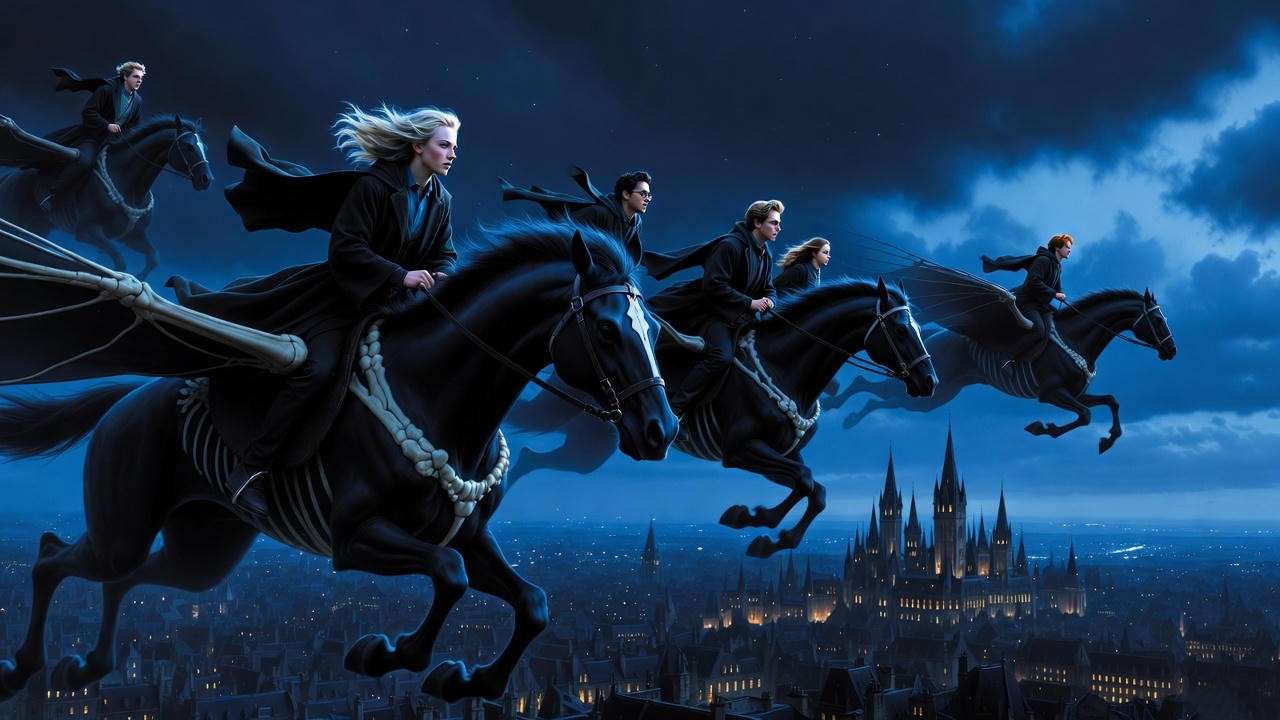
Hagrid introduces them in a Care of Magical Creatures lesson, where Harry and Luna interact while others see nothing. Later, six Thestrals carry Harry, Hermione, Ron, Ginny, Neville, and Luna to the Ministry—a tense flight where invisible mounts challenge non-seers.
Appearances in Deathly Hallows
They escort disguised “Harrys” during the Battle of the Seven Potters. In the Battle of Hogwarts, they join Buckbeak in attacking giants.
Epilogue and Beyond
In the epilogue, Harry reassures his son Albus that Thestrals are gentle, not lucky or unlucky.
Other Mentions
Grindelwald’s escape carriage in Fantastic Beasts uses Thestrals. In Hogwarts Legacy (set in the 1890s), players can capture, breed, and ride them as mounts.
The Elder Wand Connection: Thestral Hair as a Wand Core
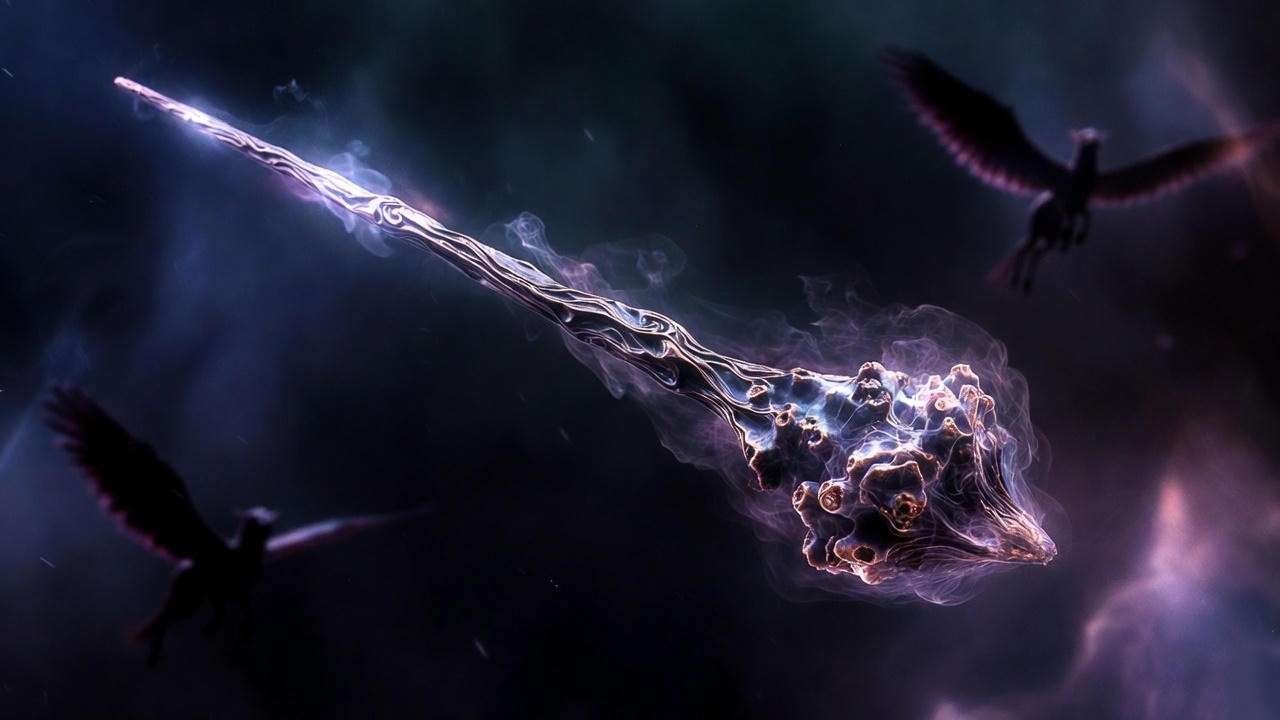
One of the most intriguing ties: The Elder Wand’s core is Thestral tail hair.
 Rarity and Power
Rowling revealed this detail post-series: Thestral hair is potent but unstable, masterable only by those accepting death—mirroring the Deathly Hallows theme. The Elder Wand’s unmatched power (repairing broken wands, etc.) may stem from this, though its allegiance shifts through conquest.
Link to the Deathly Hallows
This core reinforces “mastering death,” contrasting Voldemort’s fear with Harry’s acceptance.
Symbolism and Themes: Why Thestrals Are More Than Just Creatures
Thestrals elevate from creatures to profound metaphors.
Representing Grief, Loss, and Acceptance
They embody processing trauma—Harry’s fifth-year arc mirrors this, moving from denial to understanding.
Misunderstanding and Prejudice
Like Luna or Hagrid, Thestrals suffer judgment based on appearance, critiquing societal bias.
Death as a Natural Part of Life
Their gentle nature subverts “death omen” fears, paralleling real-world bereavement: scary at first, but natural and non-malevolent.
Fun Facts and Trivia About Thestrals
- Celtic origins tie to horse-loving cultures.
- Rare Patronus form signifies resilience.
- Expanded universe appearances in games like Hogwarts Mystery.
- Fan theories link them to unicorns (contrasting purity vs. death).
 Thestrals in Adaptations and Fan Culture
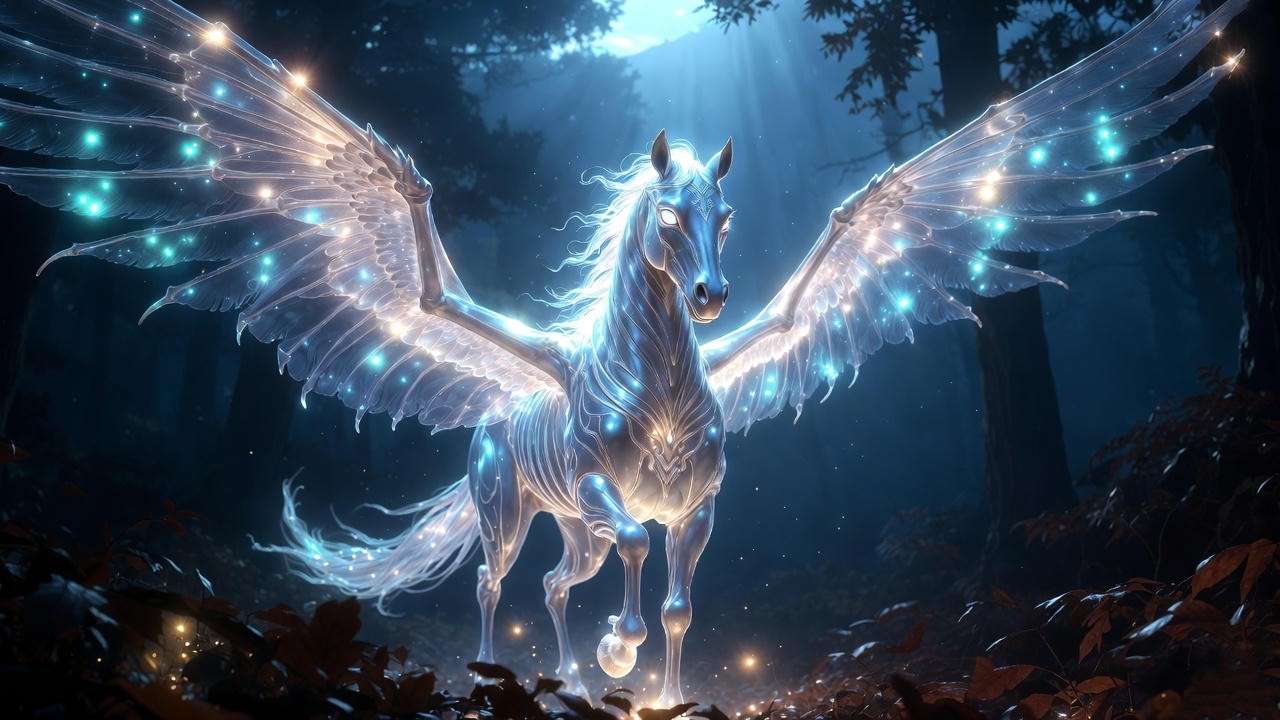
Book-film differences fuel discussions, but Thestrals’ mature themes resonate, exploring grief in a “children’s” series.
FAQs
Why could Harry see Thestrals after Cedric but not his parents? He was too young to comprehend his parents’ deaths; Cedric’s required summer processing.
Can animals or non-human deaths allow visibility? No—human deaths with emotional understanding are required.
Are Thestrals dangerous? No; they’re gentle unless threatened.
How do invisible riders mount them? With guidance from seers, feeling for structure.
What would a Thestral Patronus mean? Acceptance of loss and inner strength.
Do Thestrals appear in Fantastic Beasts? Yes, in Grindelwald’s carriage escape.
Can anyone ride a Thestral without seeing it? Yes, as demonstrated multiple times.
Why is the Elder Wand’s core Thestral hair? It requires mastering death, tying to Hallows lore.
Thestrals encapsulate the wizarding world’s hidden depths: misunderstood yet vital, symbols of resilience amid loss. From pulling Hogwarts carriages unseen to aiding in battles, they remind us that confronting death fosters empathy and growth. Revisit those scenes in Order of the Phoenix or reflect on their symbolism—embracing the “invisible” enriches our appreciation of Rowling’s masterful storytelling. What do Thestrals mean to you? Share your thoughts below!