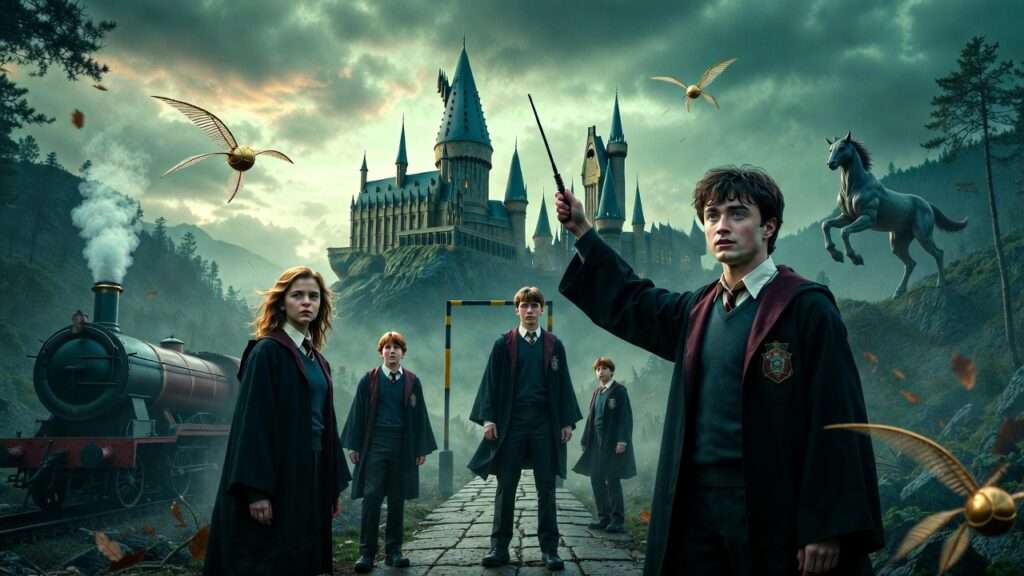
The moment Hagrid bursts through the door of the hut-on-the-rock and booms, “Yer a wizard, Harry,” something magical happens—not just for the boy under the stairs, but for millions of readers worldwide. In an instant, the ordinary collides with the extraordinary, pulling us into a world of wands, wonders, and wizardry. But what truly elevated J.K. Rowling’s Harry Potter series from beloved children’s books to a cultural phenomenon that spans generations? It wasn’t only the spells or the creatures. It was Rowling’s masterful deployment—and frequent subversion—of classic storytelling tropes that made every twist feel both familiar and fresh.
TV Tropes Harry Potter discussions on the massive Literature page (and related franchise entries) reveal why fans keep returning: the series is a treasure trove of tropes, from the Chosen One archetype to the Power of Love as a literal force. These elements, drawn from centuries of myth, fairy tales, and boarding-school stories, were woven together with such precision that they created emotional resonance, unbreakable stakes, and endless re-readability. Whether you’re a longtime Potterhead revisiting the books, a writer studying craft, or someone curious about why the Wizarding World endures (especially with the upcoming HBO series reboot), understanding these tropes unlocks deeper appreciation.
In this in-depth guide, we’ll explore the most iconic tropes that powered the series, with direct examples from the books (primarily), notes on film adaptations, and analysis of why they work so powerfully. We’ll see how Rowling subverted expectations, built unbreakable themes, and turned familiar devices into something unforgettable.
Why TV Tropes Loves Harry Potter
The TV Tropes page for Harry Potter Literature is one of the site’s longest and most detailed, spanning hundreds of entries across plot, characters, setting, and themes. It highlights how Rowling revived the near-extinct British boarding-school genre by infusing it with high fantasy, creating a perfect storm for trope exploration. The books blend comfort (school life, friendships) with escalating darkness (war, loss), making tropes evolve organically across seven volumes.
Rowling didn’t invent most tropes—she amplified, subverted, or literalized them. The Chosen One isn’t just destiny; it’s burdened by love and choice. The Power of Love isn’t metaphorical—it’s a protective charm that defeats the darkest wizard. This clever play explains the series’ grip: tropes feel earned, not clichéd.
The films (especially later ones directed by David Yates) amplified action tropes like Beam-O-War duels and Scenery Porn for Hogwarts, while compressing subplots and adding visual flair. But the books remain the core for trope depth, with meticulous foreshadowing and character growth.
The Core Iconic Tropes: Deep Dives
The Chosen One and Hero’s Journey Tropes
The Chosen One
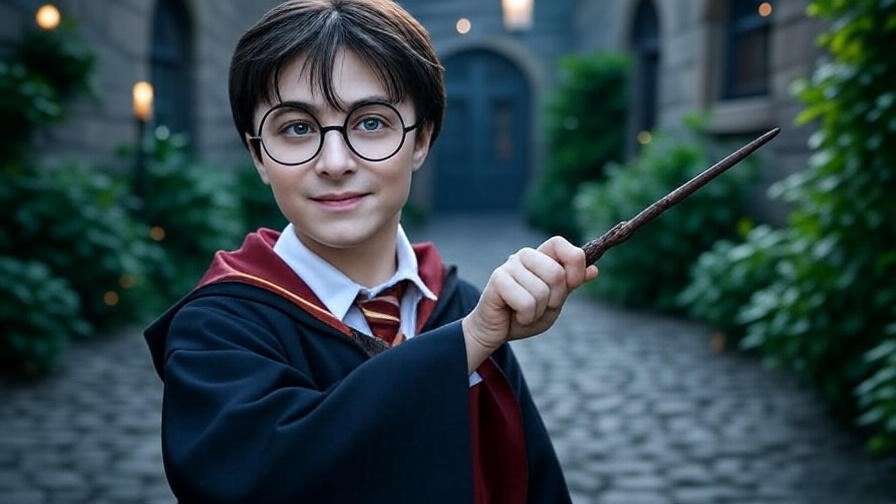
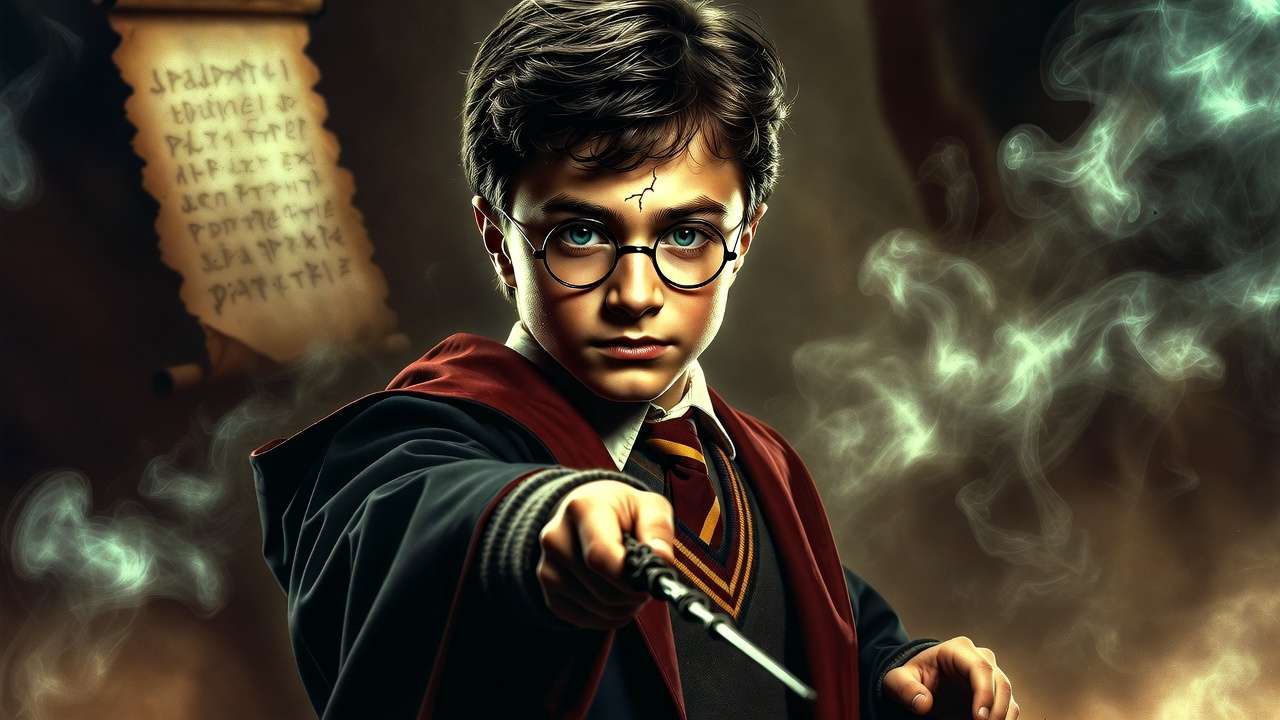 Harry embodies this classic fantasy trope: marked by a prophecy (“neither can live while the other survives”), scarred by Voldemort’s failed curse, and hailed as “the Boy Who Lived.” From the start, he’s destined to confront the Dark Lord.
Yet Rowling subverts it brilliantly. Harry’s “power” isn’t superior magic—it’s his capacity for love, sacrifice, and choice. The prophecy could have applied to Neville Longbottom too, emphasizing free will over fate. This twist makes the trope emotionally profound: destiny is real, but character defines victory.
Orphan Hero / Rags to Riches (Changeling Fantasy)
Harry starts in Cinderella-like misery—cupboard under the stairs, abusive relatives—then discovers his true heritage. This “changeling” reveal (Muggle world vs. magical birthright) fuels the series’ wish-fulfillment appeal.
The emotional core: Harry finds belonging at Hogwarts, contrasting his Muggle isolation. It mirrors myths like King Arthur or Moses, but grounded in relatable childhood pain.
School Tropes and Coming-of-Age Magic
Wizarding School / Boarding School
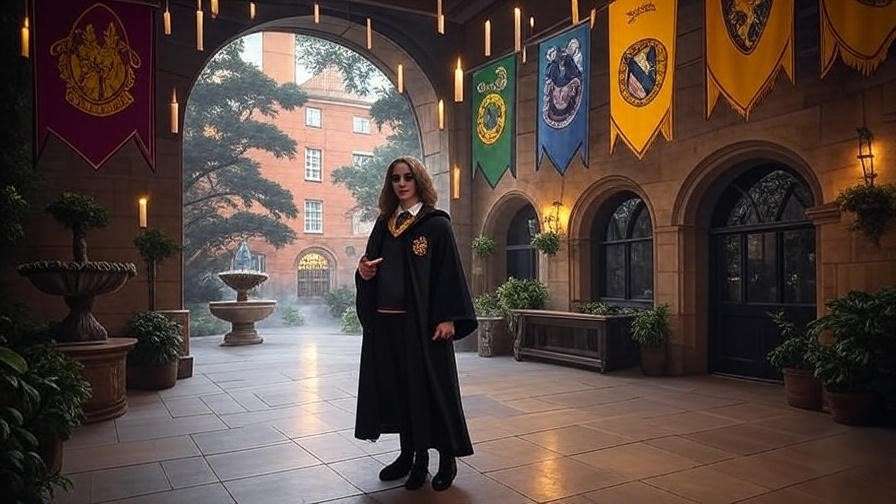
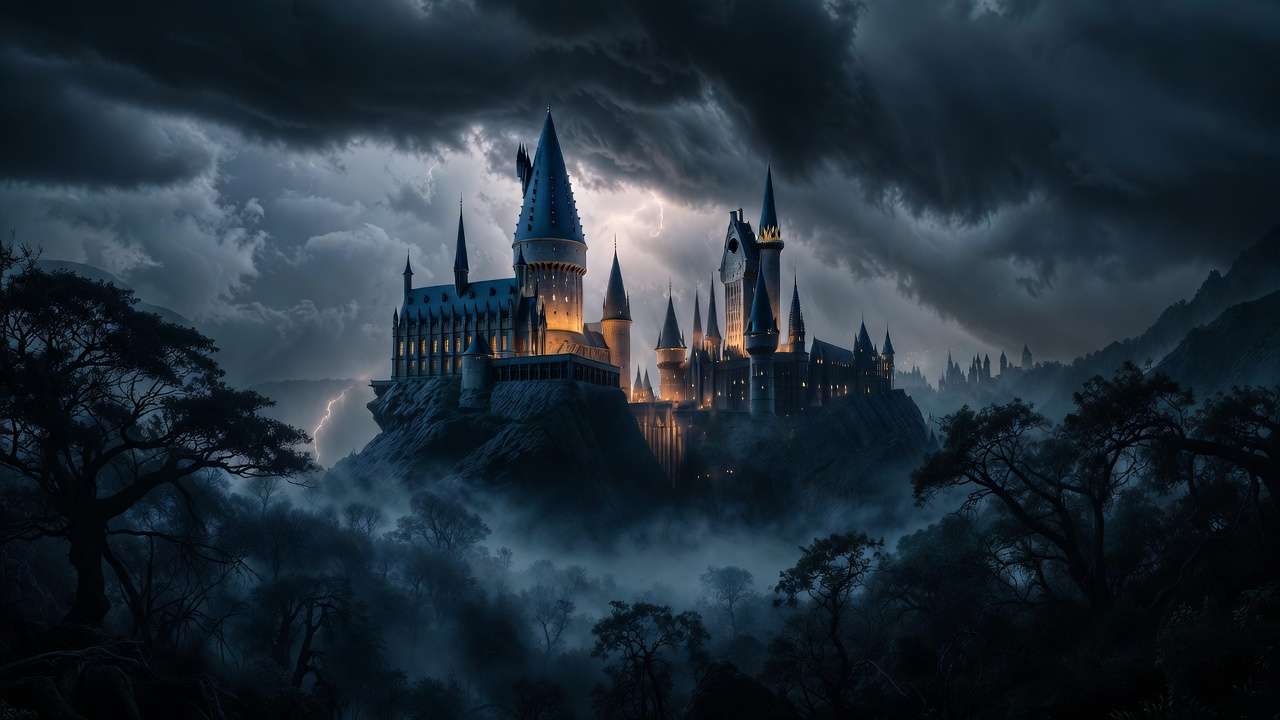 Hogwarts is the ultimate magical academy: four houses, moving staircases, Quidditch, classes in potions and transfiguration. It revives the British boarding-school tradition (think Tom Brown’s Schooldays) with fantasy flair.
Subversion: It’s no safe haven. Dangers lurk (three-headed dogs, basilisks, Death Eaters), turning school into a battleground. This heightens stakes—friendships form under pressure, lessons apply to life-or-death fights.
The Mentor Occupational Hazard
Mentors guide Harry but rarely survive: Dumbledore dies in Half-Blood Prince, Sirius in Order of the Phoenix. This trope forces growth—Harry learns independence, echoing Arthurian legends or Star Wars.
Rowling uses it to teach harsh truths: adults aren’t invincible, and loss fuels heroism.
Villain and Antagonist Tropes
Big Bad / Dark Lord on Life Support
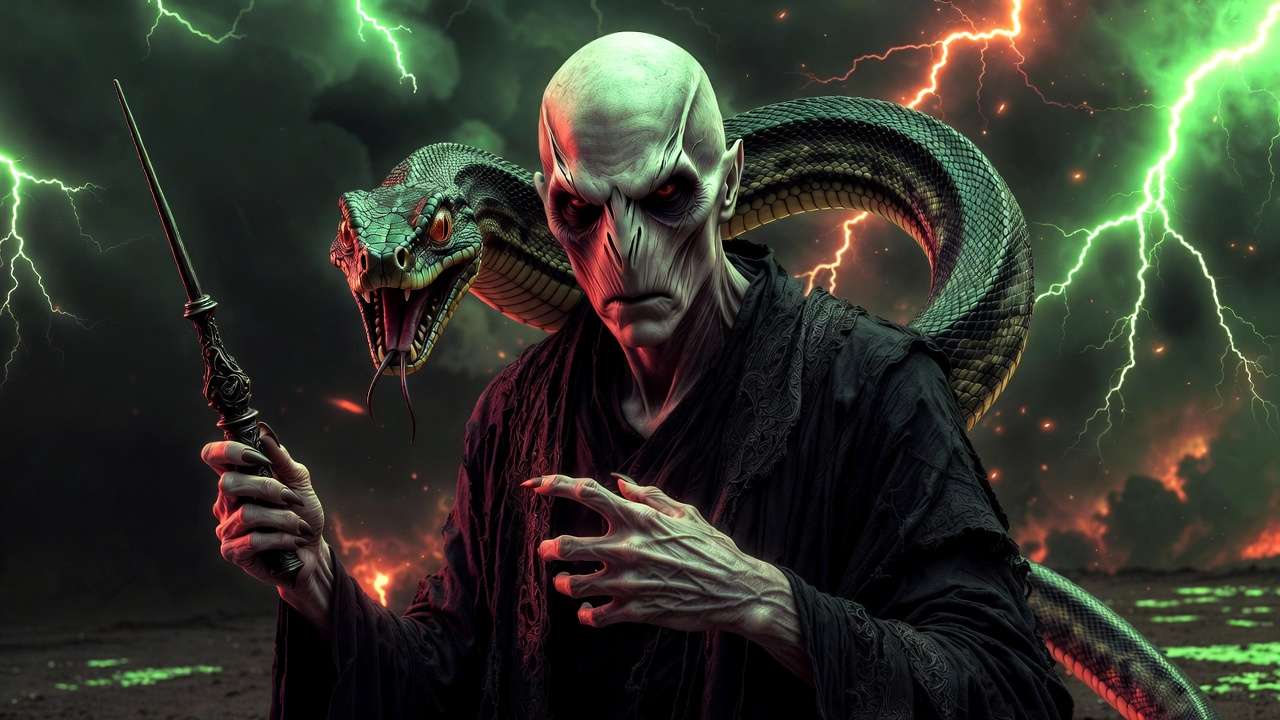 Voldemort is the archetypal Evil Overlord—power-hungry, fear-driven, seeking immortality via Horcruxes. His fragmented soul keeps him “Not Quite Dead,” building dread across books.
Iconic because he’s a dark mirror to Harry: both orphans, both powerful, but Voldemort rejects love while Harry embraces it.
The Dragon / Right-Hand Enforcer
Bellatrix Lestrange’s fanatical devotion and Lucius Malfoy’s calculated loyalty exemplify this. They add layers—Bellatrix’s madness, Lucius’s cowardice under pressure.
Redemption Equals Death / Anti-Villain
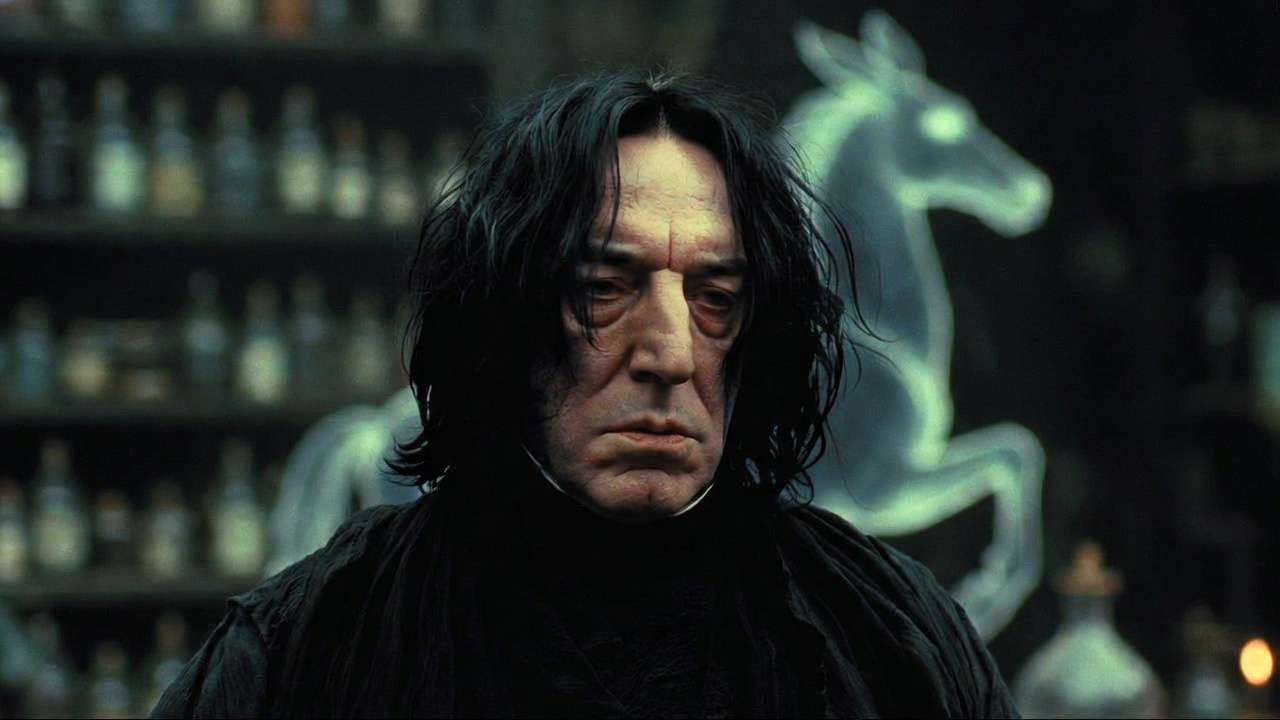 Snape’s arc is legendary: seemingly villainous, revealed as a tragic anti-villain motivated by unrequited love for Lily. His “Always” Patronus and sacrifice redeem him posthumously. Regulus Black’s quiet rebellion echoes this.
Power and Magic Tropes
The Power of Love
The series’ central theme: Lily’s sacrifice creates ancient magic protecting Harry. Love isn’t cheesy—it’s Voldemort’s fatal blind spot. Rowling literalizes a cliché, making it the ultimate weapon.
Chekhov’s Gun / Foreshadowing Galore
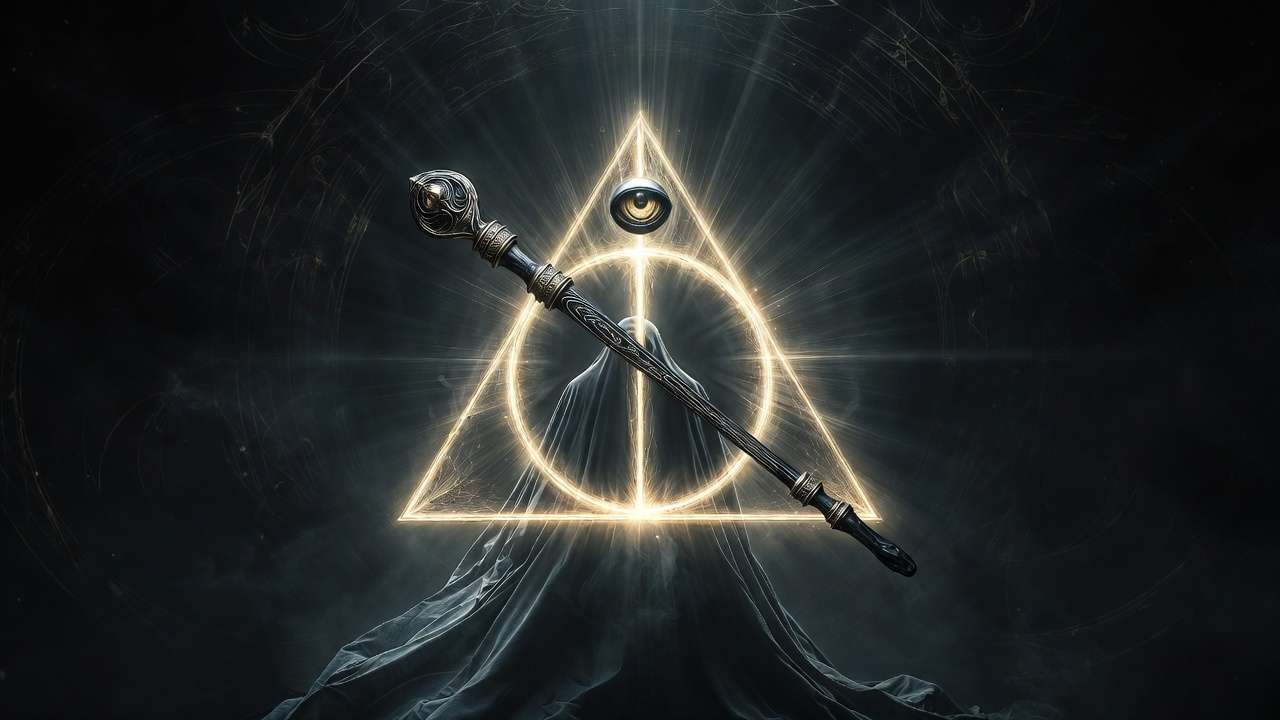 Rowling’s plotting is masterful. The Invisibility Cloak (Book 1) becomes one of the Deathly Hallows. Pensieve memories unravel Snape’s past. Every detail pays off, rewarding re-reads.
Magic A Is Magic A (with Exceptions)
Rules are consistent—no creating food from nothing, wands choose wizards—yet exceptions (Horcruxes, love protection) feel earned through world-building.
Character Archetypes and Relationships
True Companions / Power Trio
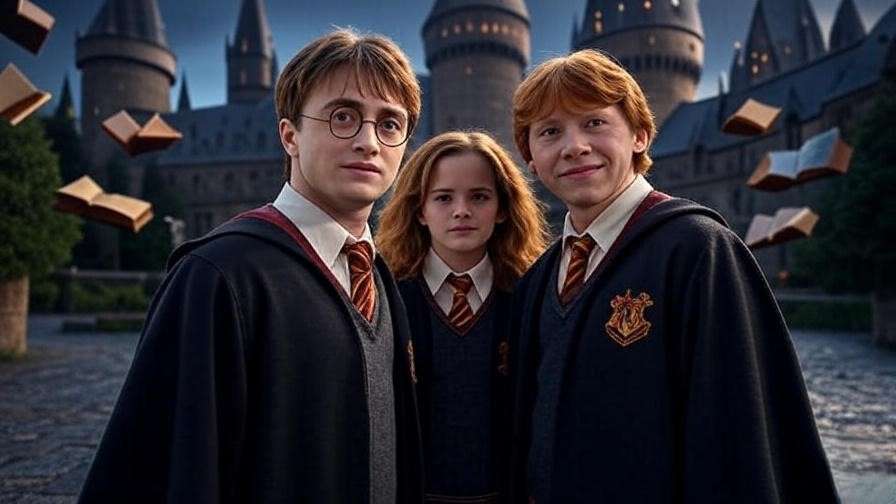
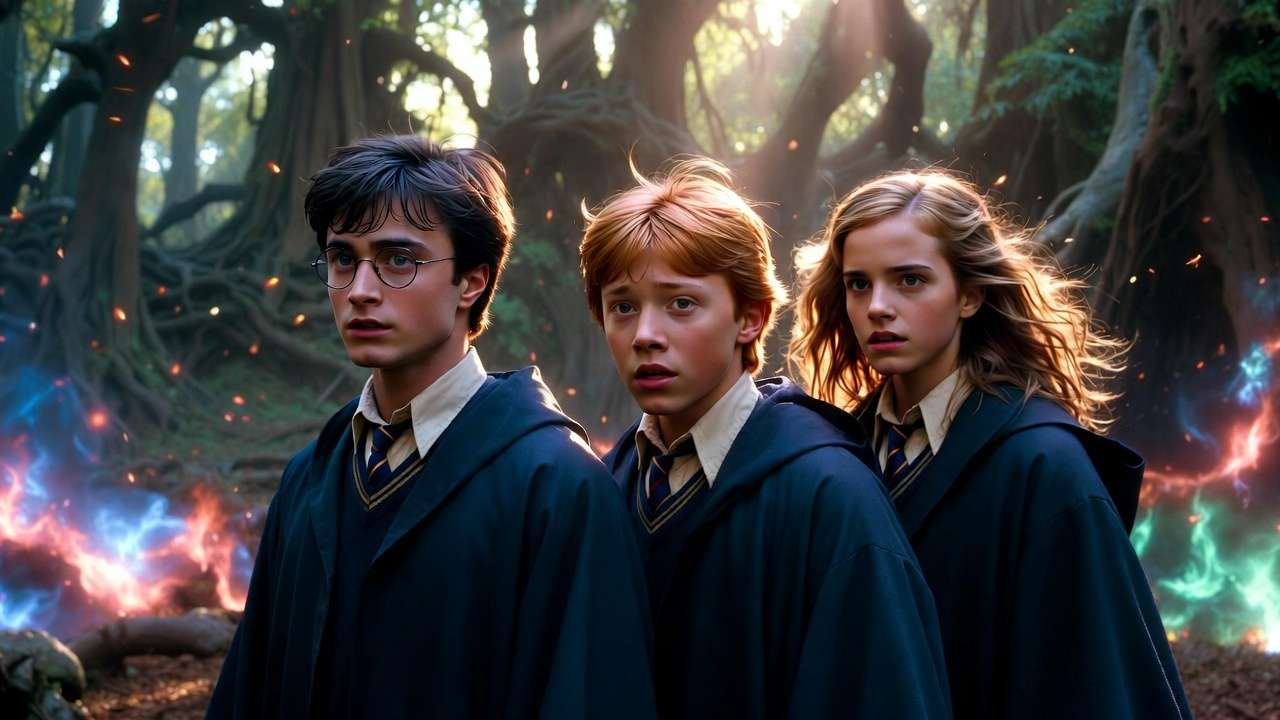 Harry (courage), Ron (loyalty/heart), Hermione (brains) form a classic trio. Their dynamics—jealousy, arguments, unbreakable bonds—mirror real friendships and drive emotional stakes.
Love Redeems / Star-Crossed Lovers
Snape’s devotion to Lily redeems his flaws. James and Lily’s story shows growth from bully to hero.
Jerk with a Heart of Gold
Draco’s complexity grows—prejudiced bully to conflicted teen. Snape’s layers make him unforgettable.
Thematic and Emotional Tropes
Death Is Cheap? No — Grief and Loss
Deaths are permanent and devastating (Sirius, Dumbledore, Fred). They force maturity, contrasting early whimsy.
Bittersweet Ending / All Was Well
The epilogue offers hope (“All was well”) amid scars—peace earned through sacrifice.
Expert Insights & Comparisons
Rowling’s genius lies in progression: early books are lighthearted (school mysteries), later ones darken (war, moral ambiguity). Tropes evolve accordingly—Chosen One shifts from exciting to burdensome.
Book vs. film: Books excel in internal growth and foreshadowing; films amplify spectacle (extended duels, visual effects) but cut depth (e.g., less on Horcrux lore).
In 2026, with the HBO series approaching, these tropes feel timeless. They inspire writers: subvert classics, ground magic in emotion, build mysteries that reward attention.
For aspiring authors, study Rowling’s balance—tropes provide structure, but character and theme make them sing.
Frequently Asked Questions
What is the most famous trope in Harry Potter? The Chosen One and The Power of Love tie—both central to the plot and themes.
Does Harry Potter invent any tropes? Few outright (e.g., no direct Trope Namers), but it popularizes and subverts many, like Mentor Occupational Hazard in modern YA.
Why do fans love dissecting tropes on TV Tropes? It reveals craft—why moments hit hard, how subversions surprise, and endless discussion fuel.
How do tropes differ in fanfiction vs. canon? Fanfic often amplifies (e.g., Evil Dumbledore, WBWL), while canon keeps balance and subversion.
Any tropes Rowling regretted? She’s reflected on elements like house-elf treatment, but core tropes remain intentional.
These tropes—Chosen One, Power of Love, Mentor deaths, school dangers—didn’t just fill pages; they created emotional anchors, moral depth, and cultural staying power. Rowling took familiar devices and made them feel new through heart, stakes, and clever twists. The result? A series that’s comforting yet challenging, nostalgic yet profound.
Revisit your favorite book, dive into the TV Tropes page, and see how these elements hit differently now. What’s your top trope? Share in the comments—let’s keep the conversation going!