Imagine stepping into a shadowy corridor deep within the Ministry of Magic, where maps flicker with real-time traces of illegal spells and cubicles are plastered with wanted posters of the most dangerous Dark wizards. Amid the tension, elite operatives—highly trained, battle-hardened, and unflinchingly brave—stand ready to confront the darkest threats the wizarding world has to offer. These are the Aurors, the wizarding equivalent of elite special forces combined with top-tier detectives, dedicated to hunting down and capturing those who wield the Dark Arts.
What is an Auror in Harry Potter? In the official words from the Wizarding World, Aurors are “highly trained witches and wizards working for the Ministry of Magic as law enforcement officials,” with a special focus on dark magic. They excel in Defence Against the Dark Arts and specialize in apprehending and detaining dangerous Dark witches and wizards. Often called “Dark wizard catchers,” Aurors represent the wizarding world’s best line of defense against practitioners of the forbidden arts. Their role demands not just magical prowess but courage, perseverance, and quick thinking under extreme pressure—qualities that make them legendary figures in J.K. Rowling’s universe.
Whether you’re a longtime fan revisiting the series, a newcomer curious about the Ministry’s inner workings, or a student exploring wizarding careers, understanding Aurors unlocks deeper appreciation for the high-stakes battles that define Harry Potter’s story. This comprehensive guide dives into their definition, daily dangers, rigorous path to entry, iconic members, key moments in action, and lasting legacy—going beyond basic facts to offer insights drawn from canon books, films, Wizarding World writings, and Rowling’s own statements.
What Exactly Is an Auror? The Official Definition
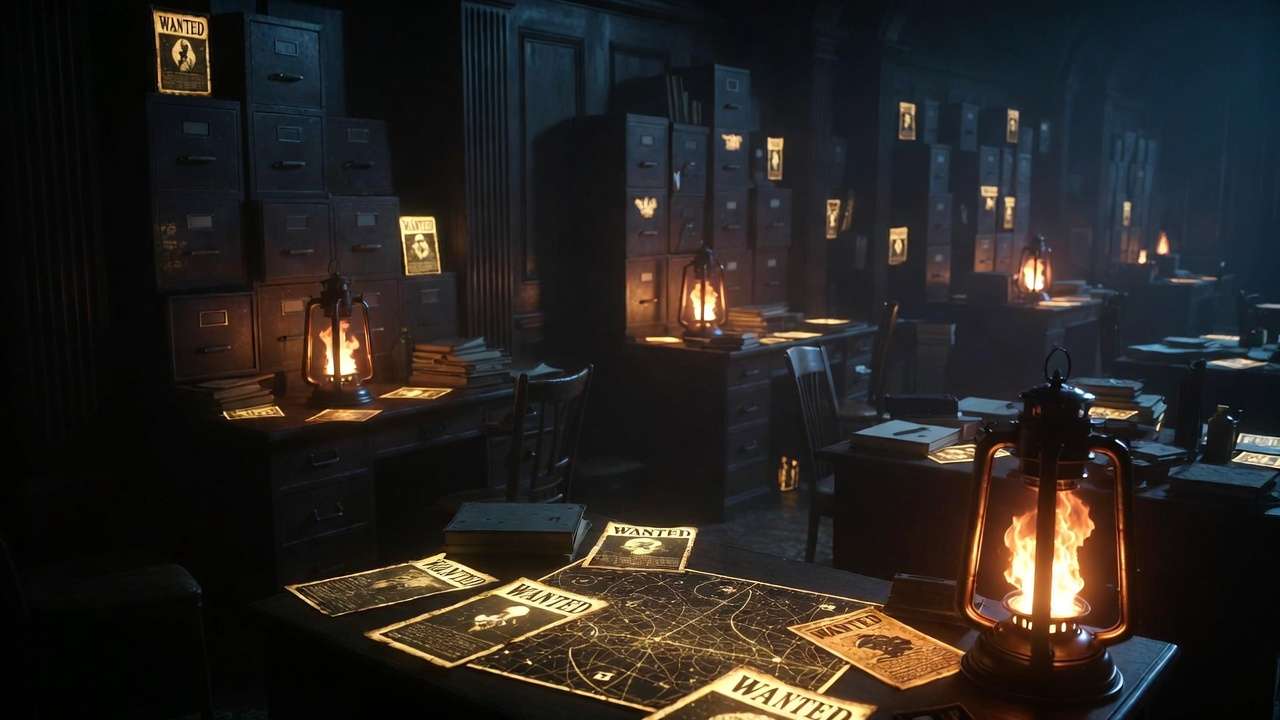 At its core, an Auror serves as a specialized law enforcement officer within a wizarding governing body, most prominently the British Ministry of Magic’s Department of Magical Law Enforcement. The Auror Office, located on Level Two of the Ministry, handles investigations into Dark Arts crimes, from curses and hexes to full-scale Dark wizard conspiracies.
The term “Auror” likely derives from the Latin “aurora,” meaning dawn—symbolizing the light they bring to combat the darkness of evil magic. In Britain, Aurors primarily track and capture Dark wizards, often engaging in duels, undercover operations, and high-risk arrests. They differ from Hit Wizards, who provide more tactical, raid-like support. Aurors also occasionally protect high-profile individuals, such as guarding the Muggle Prime Minister during times of wizarding unrest or shielding key figures like Harry Potter.
Internationally, roles vary. In the United States, MACUSA Aurors (under the Magical Congress) tackle broader threats, including breaches of the International Statute of Secrecy, using tools like the USA Spell Contraventions map. French Aurors operate under the Bureau de la Justice Magique, while German equivalents exist within their respective Ministries. Regardless of location, Aurors embody the wizarding world’s elite guardians against darkness.
The Dangerous and Prestigious Life of an Auror
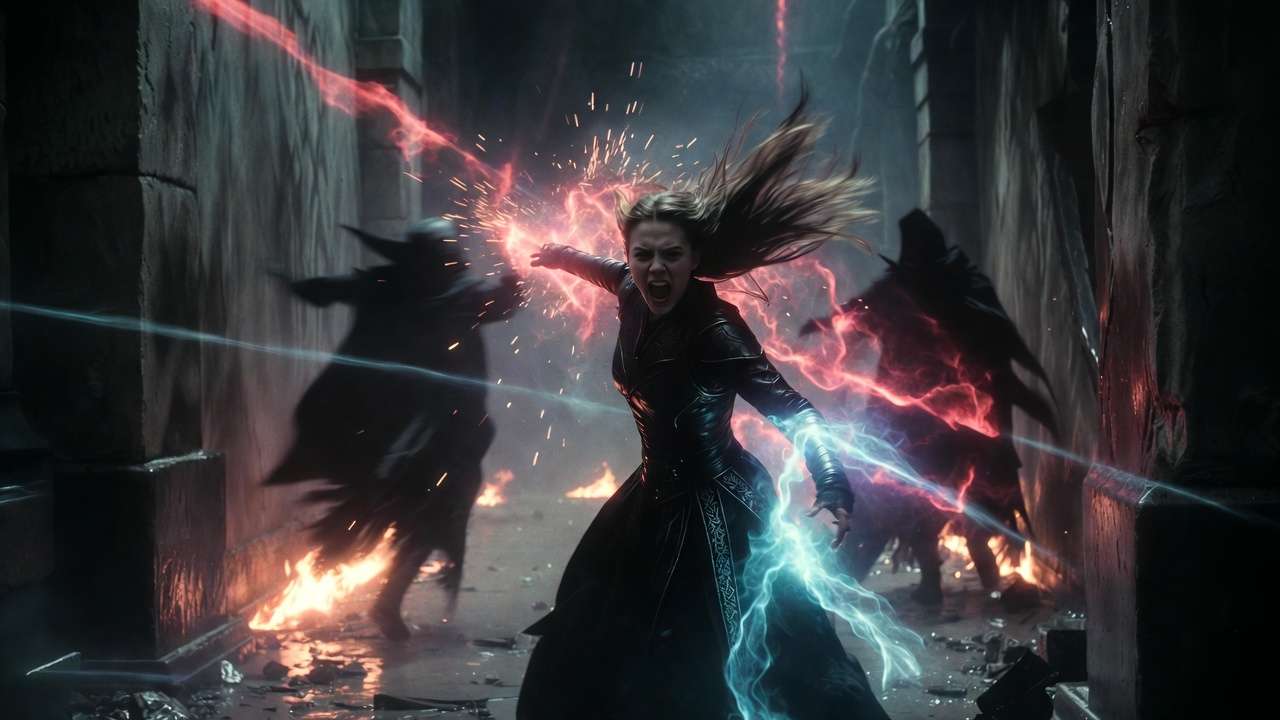 Life as an Auror is anything but ordinary—it’s a constant dance with danger. Daily responsibilities include surveillance of suspected Dark wizards, infiltrating criminal networks, gathering evidence through advanced tracking spells, conducting interrogations, and executing arrests that often escalate into magical combat. Aurors train extensively in resisting Unforgivable Curses, poisons, and counter-curses, knowing one mistake could be fatal.
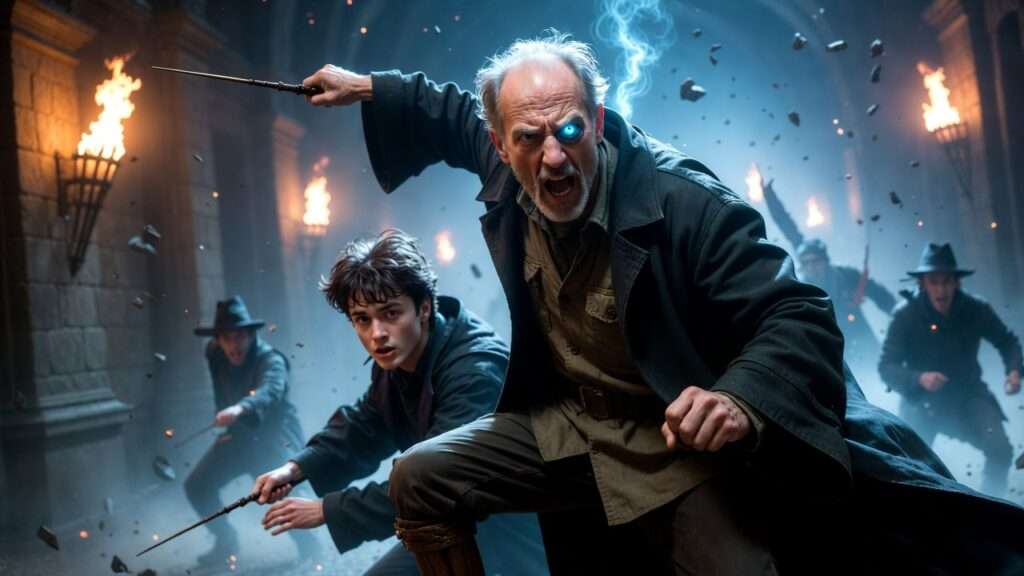
The job carries immense risk. During Voldemort’s reigns of terror, casualty rates soared; many Aurors were injured, tortured, or killed. Alastor Moody, the most celebrated Auror, lost an eye, leg, and part of his nose in service, earning his “Mad-Eye” nickname from paranoia born of survival. The prestige stems from this peril: Aurors are revered as the “best defence against the practitioners of the Dark Arts,” a title Harry Potter himself echoes in later canon materials. Young witches and wizards like Ron Weasley and Harry dream of the glamour, drawn by the heroism and action—yet McGonagall warns it’s not for the faint-hearted.
How to Become an Auror – The Grueling Path
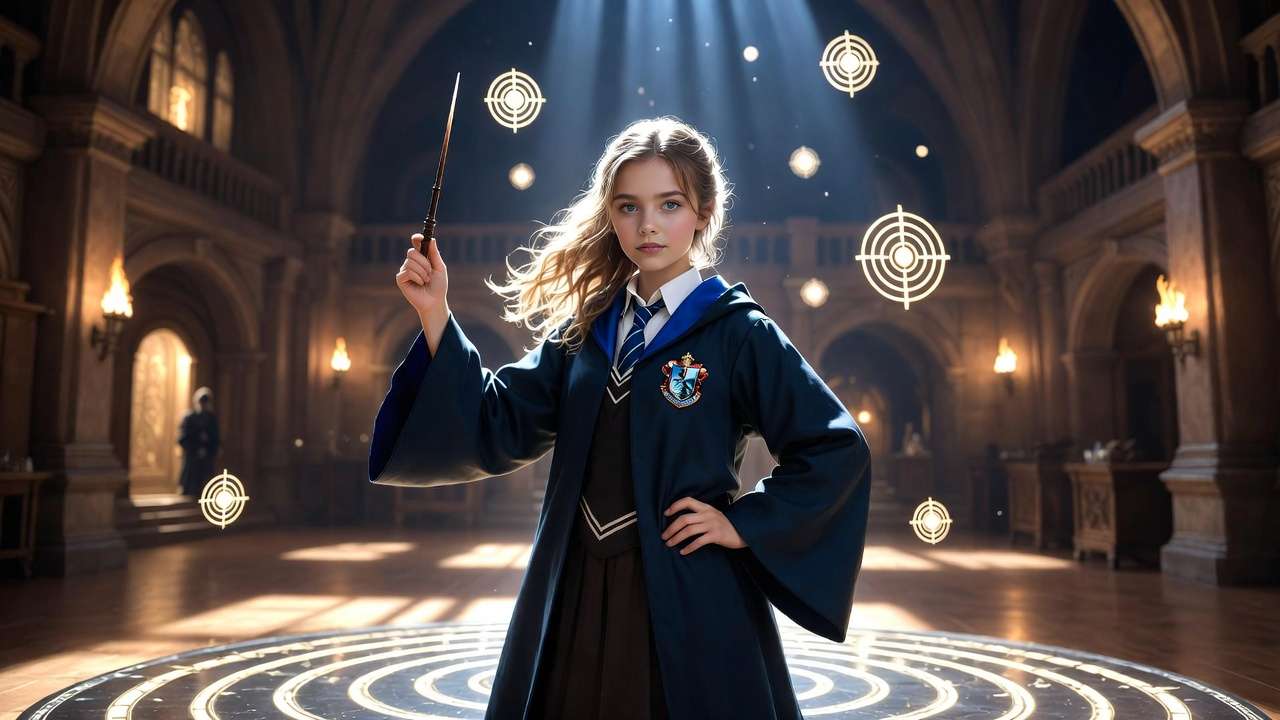 Becoming an Auror requires exceptional talent and dedication. The path begins at Hogwarts, where aspiring candidates must excel in key subjects.
To qualify for training, a witch or wizard needs at least five N.E.W.T.s (Nastily Exhausting Wizarding Tests) at “Exceeds Expectations” or higher. Recommended subjects include Defence Against the Dark Arts (essential for countering curses), Potions (especially poisons and antidotes), Transfiguration, Charms, and Herbology (for fieldwork survival). Minerva McGonagall stresses these in Harry Potter and the Order of the Phoenix, noting the need for top grades and practical defence skills.
After Hogwarts, candidates face a stringent three-year training program at the Auror Office. This includes:
- Character and aptitude tests assessing stress response, perseverance, and dedication.
- Specialized courses like Concealment and Disguise, Stealth and Tracking, Duelling in the Dark, Resilience Training, and poisons/antidotes.
- Background checks ensuring a clean criminal record.
Only the best survive; recruitment is rare—Tonks was among the last before 1995 due to high standards.
Post-Second Wizarding War, Kingsley Shacklebolt relaxed requirements, allowing heroes like Harry, Ron, and Neville Longbottom to join without full N.E.W.T.s, crediting their battlefield experience. This reform highlights how wartime valor can outweigh academics in exceptional cases.
Famous Aurors in the Harry Potter Series
The series features memorable Aurors whose stories enrich the lore.
Alastor ‘Mad-Eye’ Moody
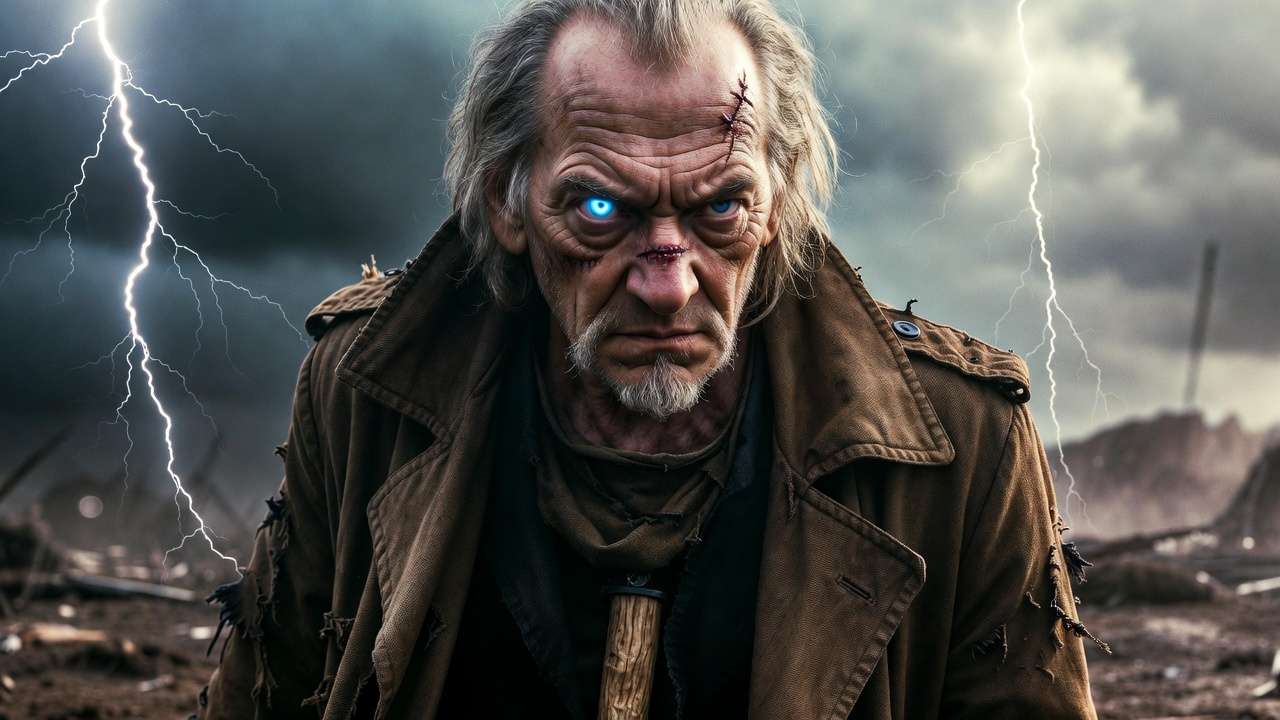 Widely regarded as the greatest Auror of all time, Moody filled half of Azkaban’s cells during the First Wizarding War. His paranoia (“Constant vigilance!”) stems from real threats; he lost limbs battling Dark forces. Retired but returning as Defence professor and Order member, he dies heroically in the Battle of the Seven Potters.
Nymphadora Tonks
A young, cheerful Metamorphmagus who qualified in 1994 under Moody’s mentorship. Her shape-shifting excelled in Concealment; she guarded Hogwarts, joined the Order, and married Remus Lupin. Tragically killed by Bellatrix Lestrange in the Battle of Hogwarts.
Kingsley Shacklebolt
A powerful, calm Auror who served as a double agent protecting the Muggle Prime Minister. His leadership shone in battles; post-war, he became Minister for Magic, reforming the Ministry.
Harry Potter
The Boy Who Lived fulfilled his dream, joining immediately after Voldemort’s defeat. By 2007, he headed the Auror Office, later the Department of Magical Law Enforcement, revolutionizing operations with Ron.
Others
- Frank and Alice Longbottom: Brave Aurors tortured into insanity by Death Eaters, leaving a heroic legacy for Neville.
- Rufus Scrimgeour: Former Head Auror turned Minister, killed by Voldemort.
- Theseus Scamander: 1920s Head Auror fighting Grindelwald.
- Porpentina Goldstein: American Auror key in Grindelwald’s downfall.
Aurors Around the Wizarding World
While the Harry Potter series primarily focuses on the British wizarding world, Aurors exist in magical governments worldwide, each adapted to local history, culture, and threats.
In the United States, MACUSA (Magical Congress of the United States of America) maintains a large and highly organized Auror division. American Aurors played a pivotal role in hunting down Scourers (descendants of 17th-century wizard-hunters) and later in confronting Grindelwald’s followers during the 1920s and 1930s. Characters like Tina Goldstein and Theseus Scamander (who worked internationally) demonstrate that Aurors often collaborate across borders during global crises. MACUSA Aurors also enforce stricter secrecy laws, reflecting America’s historical paranoia about magical exposure after the Salem Witch Trials.
In France, the equivalent force operates under the French Ministry of Magic’s Bureau des Aurors or similar law-enforcement branches, though less is detailed in canon. German Aurors appear in passing references, and other countries likely maintain their own specialized Dark wizard hunter units.
These international differences highlight how Auror roles evolve based on regional needs—Britain’s focus on individual Dark lords and Death Eater cells contrasts with America’s emphasis on large-scale secrecy breaches and organized magical crime syndicates. During both Wizarding Wars, Aurors from multiple nations coordinated efforts, underscoring the global nature of the fight against Dark forces.
Aurors in Action – Key Moments from the Books and Films
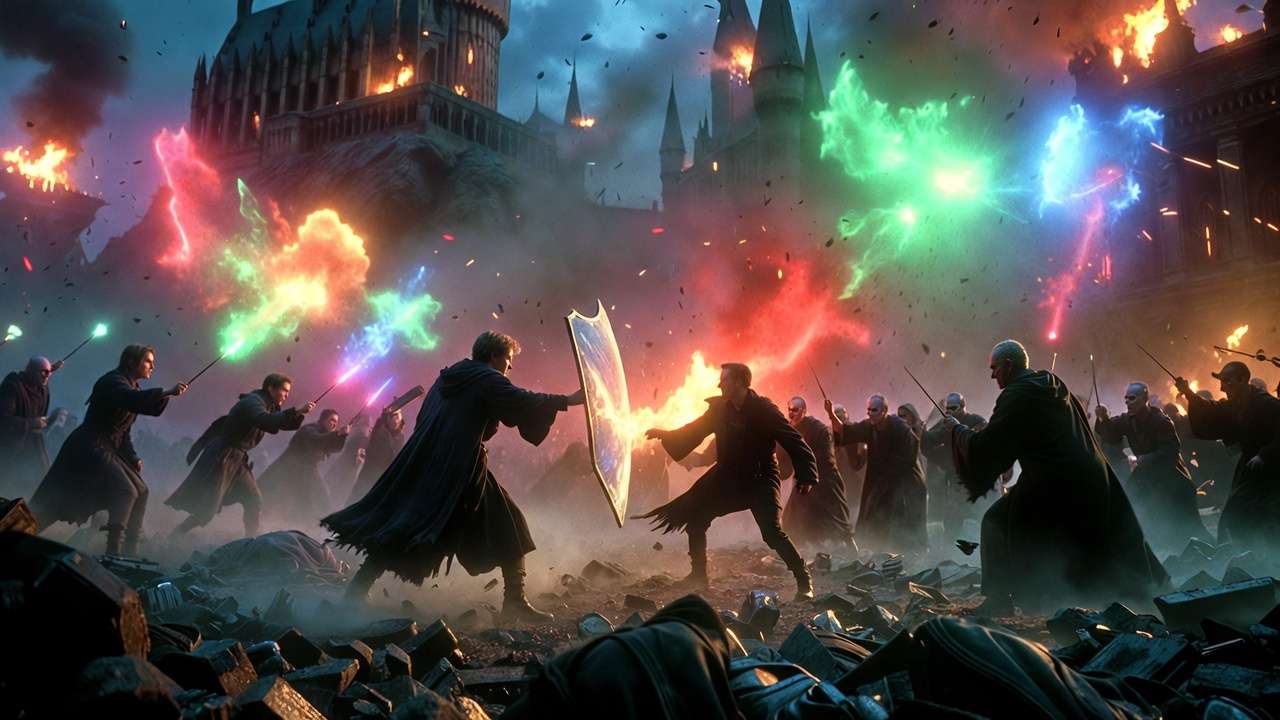 Aurors shine brightest in the heat of battle, where their elite training is put to the ultimate test.
One of the most iconic sequences occurs in Harry Potter and the Order of the Phoenix during the battle in the Department of Mysteries. Moody, Tonks, Kingsley, and Dawlish fight alongside Order members against a dozen Death Eaters. Moody’s signature ferocity and tactical brilliance are on full display as he duels multiple opponents simultaneously, while Tonks uses her Metamorphmagus abilities for surprise attacks. Kingsley’s calm, powerful spellwork holds the line until reinforcements arrive.
In Harry Potter and the Deathly Hallows, Aurors play critical roles in several major confrontations. During the Battle of the Seven Potters, Moody leads the protective detail and sacrifices himself to ensure Harry’s escape—his final act of bravery encapsulates the selflessness demanded of the profession. Later, in the Battle of Hogwarts, surviving Aurors (including Kingsley, who assumes command of the defenders) turn the tide against Voldemort’s forces through coordinated magical combat and strategic leadership.
These moments reveal Aurors not merely as law enforcers but as frontline warriors whose skill, courage, and sacrifice frequently determine the outcome of wizarding conflicts. Their presence—or absence—often exposes the Ministry’s bureaucratic weaknesses, as seen when the Ministry falls under Voldemort’s control and many Aurors are either killed, Imperiused, or forced into hiding.
Why Aurors Fascinate Fans – Legacy and What-Ifs
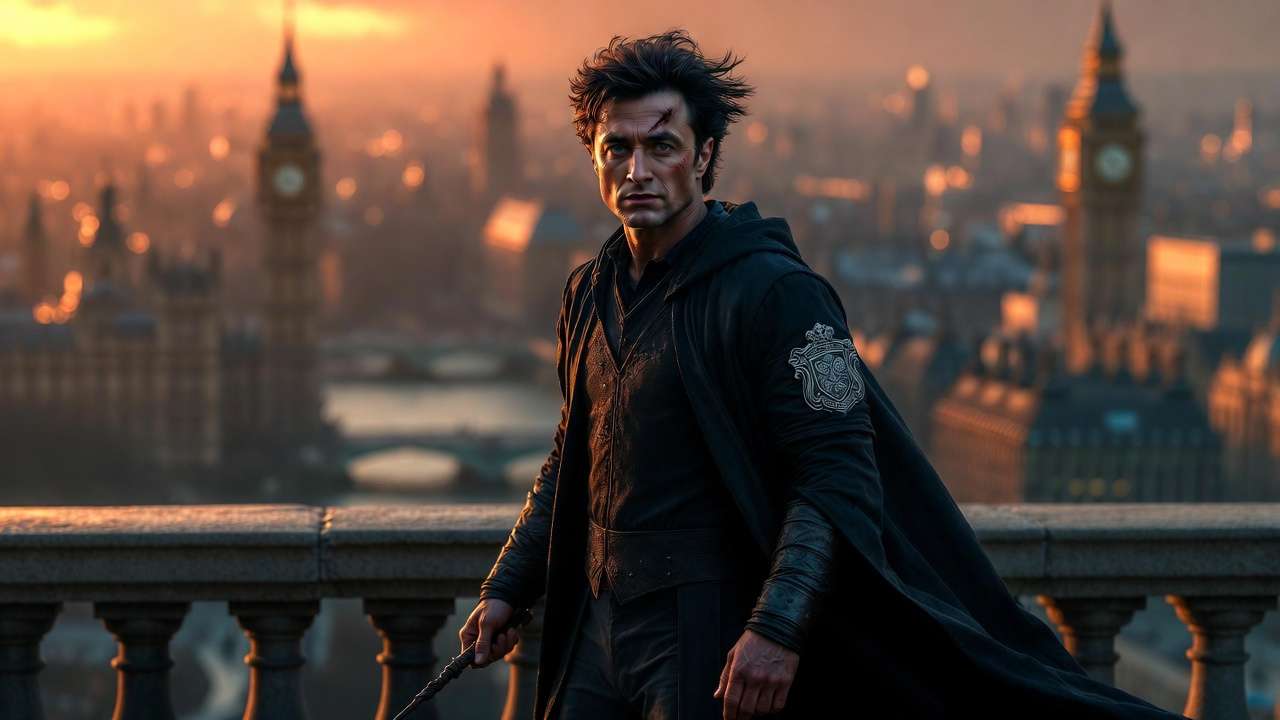 Aurors captivate readers and viewers because they represent the ultimate blend of heroism and moral complexity. Unlike professors or shopkeepers, Aurors live on the edge—facing genuine evil daily while upholding justice in a world where power can corrupt even the strongest wizards.
Harry Potter’s decision to become an Auror resonates deeply with fans. After years of being hunted, he chooses to hunt the hunters, channeling his trauma into protection of others. Rowling confirmed in interviews and on Pottermore/Wizarding World that Harry eventually becomes Head of the Auror Office and later Head of the Department of Magical Law Enforcement, suggesting he reformed the department to be more transparent and effective.
This career path sparks endless fan debates: Would Harry have been happier as Defence Against the Dark Arts professor (a role he briefly held)? Did his Auror tenure help heal his past, or did it keep old wounds open? Ron’s parallel journey—joining the Aurors before co-founding Weasleys’ Wizard Wheezes—adds humor and relatability, showing how even less academically gifted wizards can excel through grit and loyalty.
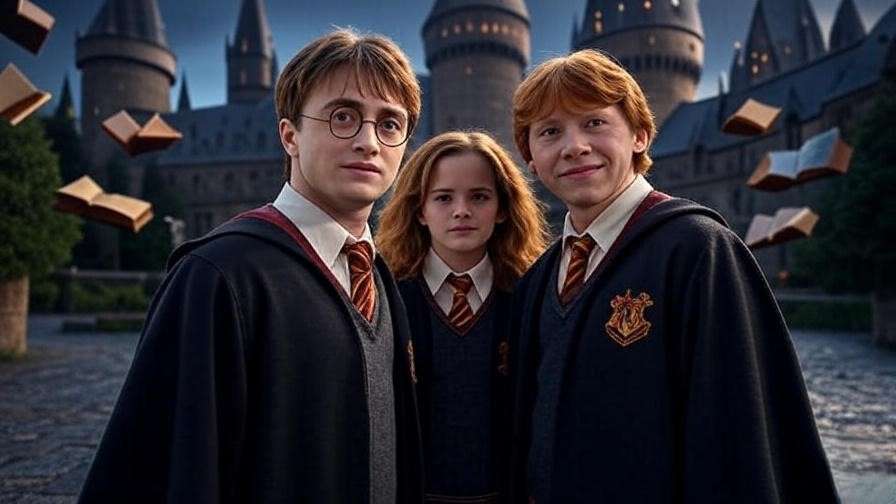
The enduring appeal lies in aspiration: many young fans imagine themselves as Aurors, just as Harry, Ron, and Hermione once did. The role symbolizes standing up to darkness, making difficult choices, and protecting the innocent—values that remain timeless.
Frequently Asked Questions About Aurors
What N.E.W.T.s do you need to become an Auror? You need at least five N.E.W.T.s graded “Exceeds Expectations” or higher. Key subjects include Defence Against the Dark Arts, Potions, Transfiguration, Charms, and Herbology.
Did Ron Weasley become an Auror? Yes—after the war, Ron joined the Auror Office alongside Harry. He later left to help George run Weasleys’ Wizard Wheezes but retained his heroic credentials.
How many Aurors are there in the British Ministry? Exact numbers are never stated, but the force appears relatively small and elite. During peacetime, recruitment is infrequent; wartime expands the ranks dramatically.
Can Muggle-borns become Aurors? Absolutely. Kingsley Shacklebolt (a highly respected Auror and eventual Minister) and Nymphadora Tonks prove that blood status is irrelevant—skill and bravery matter most.
What’s the difference between an Auror and a Hit Wizard? Hit Wizards are more akin to tactical response teams or SWAT units, specializing in rapid raids and combat support. Aurors handle longer-term investigations, undercover work, and specialized Dark Arts expertise.
Did any Aurors use Unforgivable Curses? Canon implies that Aurors are authorized to use them in extreme circumstances (especially during wartime), though it’s never explicitly shown. Moody’s ruthlessness suggests he operated in moral gray areas when necessary.
Who was the youngest Auror ever? While not officially stated, Nymphadora Tonks qualified at age 18 or 19 (she completed training around 1994–1995). Harry and Ron joined at roughly the same age post-war due to special circumstances.
Could Hermione Granger have become an Auror? Hermione had the academic qualifications but chose a different path—working in the Department for the Regulation and Control of Magical Creatures before rising to Deputy Head of the Department of Magical Law Enforcement. Her analytical mind would have made her an exceptional Auror had she chosen that route.
Aurors stand as the wizarding world’s most elite and courageous defenders—ordinary witches and wizards who voluntarily place themselves between darkness and the innocent. From Alastor Moody’s legendary career to Harry Potter’s transformative leadership, they embody the series’ core themes of bravery, sacrifice, and the fight for justice.
Whether you’re drawn to their high-stakes duels, rigorous training, or moral complexity, Aurors remind us that even in a world of magic, true heroism comes from character, not just power.
Which Auror inspires you most—Moody’s relentless vigilance, Tonks’s cheerful courage, or Harry’s journey from hunted boy to head of the department? Share your thoughts in the comments below, and explore more deep dives into the Harry Potter universe right here on the blog.