The magic of the Wizarding World often resides in the subtle details we overlook on a first read. When analyzing the character evolution of Hogwarts’ most notorious Slytherin, his chosen magical instrument serves as a profound psychological mirror. If you are wondering exactly what is Draco’s wand made of, the answer provides a surprisingly deep look into his soul, foreshadowing his agonizing transformation from arrogant pure-blood ambition to hesitant redemption years before the final battle.
For fans obsessed with behind-the-scenes secrets and character studies, Garrick Ollivander‘s wandlore is never accidental. The combination of wood, core, and flexibility assigned to the Malfoy heir was a deliberate narrative choice, designed to highlight the profound internal conflict of a boy tasked with an impossible, murderous mission.
The Exact Specifications of Draco Malfoy’s Wand
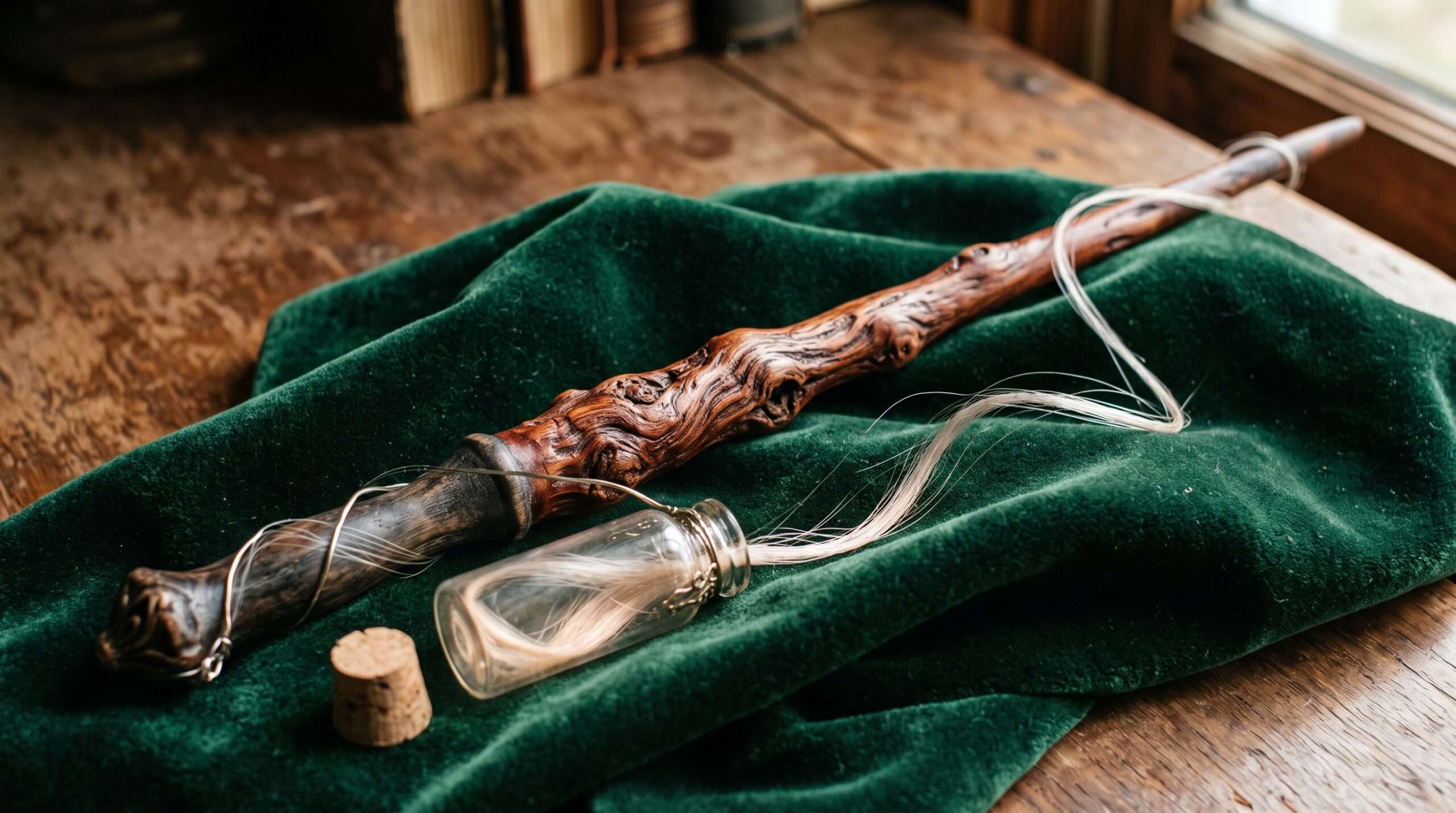
Before diving into the rich, contradictory lore of the materials, here is the factual breakdown of the wand that ultimately changed the allegiance of the Elder Wand.
| Specification | Detail |
| Wandmaker | Garrick Ollivander |
| Wood | Hawthorn |
| Core | Unicorn Hair |
| Length | 10 inches (approx. 25 cm) |
| Flexibility | “Reasonably springy” (Pliant) |
 The Significance of “Reasonably Springy”
In wandlore, flexibility denotes the degree of adaptability and willingness to change possessed by the wand-and-owner pair. Consider the stark contrast between Draco’s wand and that of his aunt, Bellatrix Lestrange, whose walnut and dragon heartstring wand is explicitly described as “unyielding.” Draco’s wand being “reasonably springy” is the first major clue to his true nature. Despite his rigid pure-blood upbringing, he possesses an underlying capacity to adapt, question his beliefs, and ultimately change course when faced with the grim reality of Voldemort’s reign.
The Wood of Paradox: Hawthorn
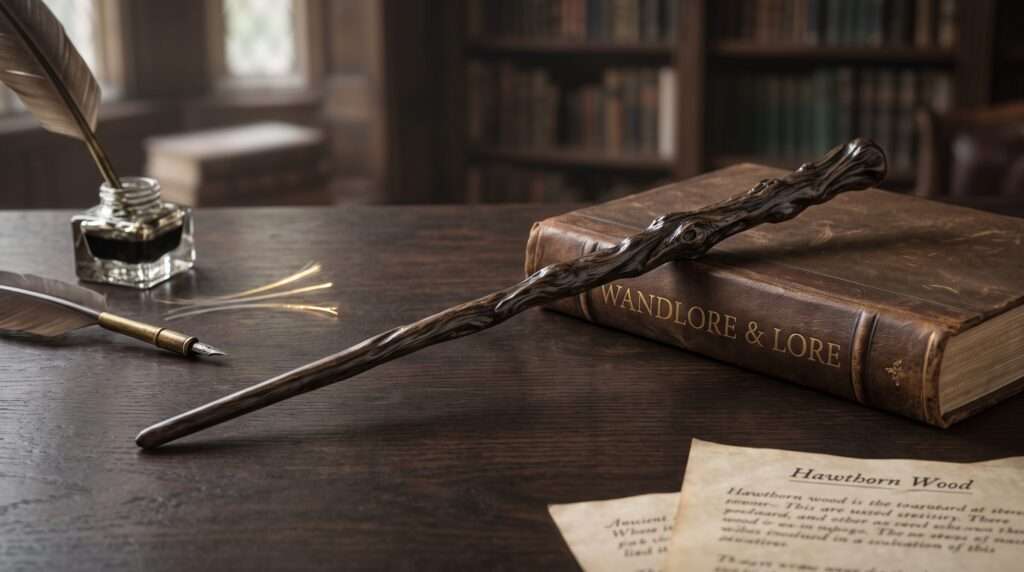
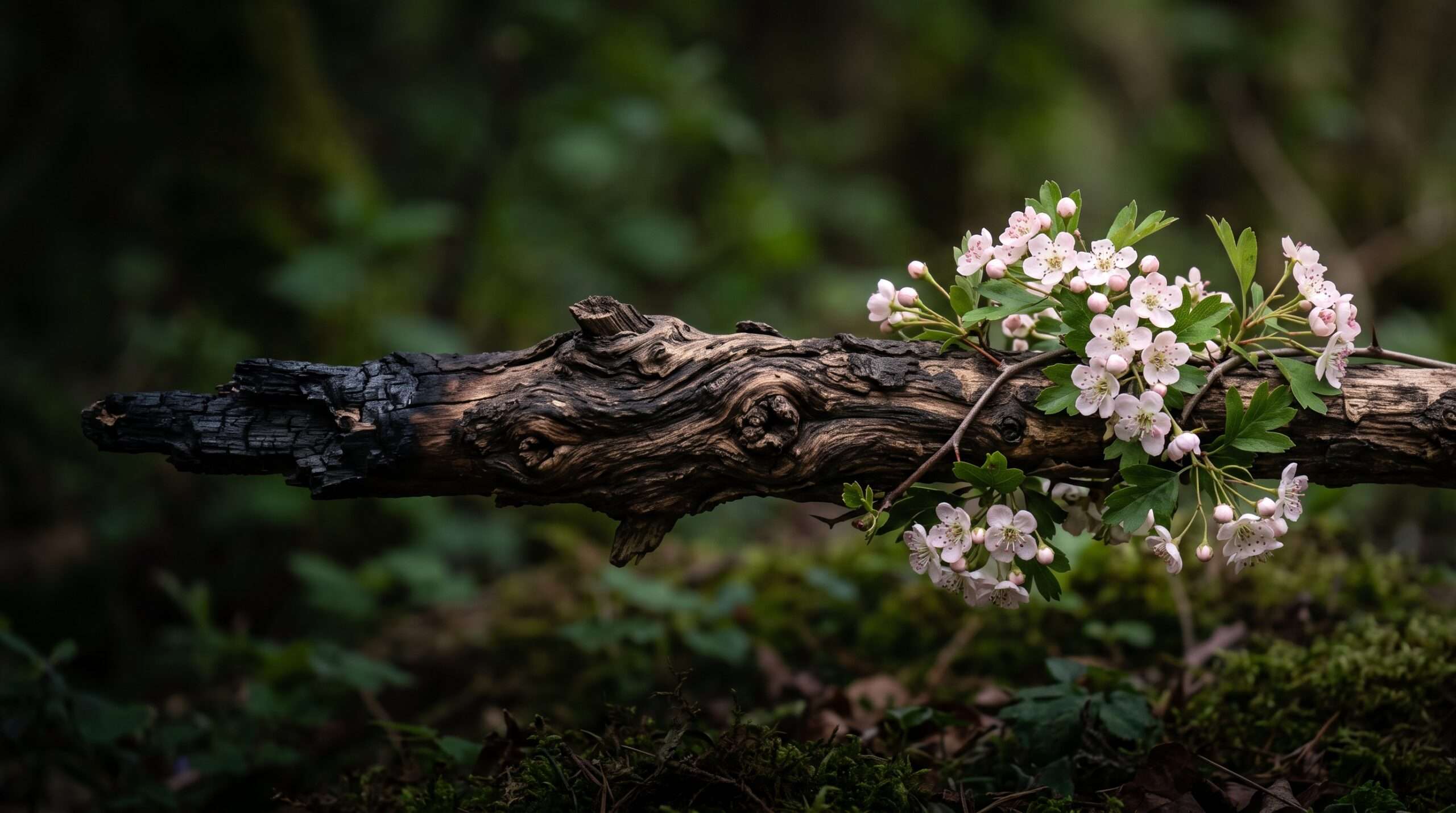
To truly understand the depth of Malfoy’s character evolution, we must examine the wood. Hawthorn is one of the most complex wand woods in the entire Harry Potter universe. According to the legendary wandmaker Gregorovitch, hawthorn makes a “strange, contradictory wand, as full of paradoxes as the tree that gave it birth.”
This contradiction stems from the physical nature of the hawthorn tree itself: its leaves and blossoms contain powerful healing properties, yet its cut branches carry the distinct scent of death.
 The Conflicted Wizard
Garrick Ollivander notes that hawthorn wands are almost exclusively drawn to witches and wizards experiencing intense periods of turmoil, or those possessing a deeply conflicted nature. It is impossible to find a better description of Draco Malfoy during Harry Potter and the Half-Blood Prince. Thrust into the ranks of the Death Eaters to pay for his father’s failures, Draco is given a lethal ultimatum: murder Albus Dumbledore, or his family will be slaughtered.
The wand chose a boy who was outwardly projecting cruelty and dark allegiance, while inwardly breaking apart from fear and the desperate need to protect his loved ones.
Mastery of Healing and Curses
Hawthorn is uniquely adept at both healing magic and curses, requiring a master with a delicate touch; otherwise, the spells cast can tragically backfire. This duality perfectly mirrors Draco’s own high-contrast existence—a boy capable of casting an Unforgivable Curse under extreme duress, yet ultimately unable to utter the killing words when looking into Dumbledore’s eyes. The hawthorn wood represents the razor’s edge he walks between his family’s dark legacy and his own innate conscience.
The Core of Purity: Unicorn Hair
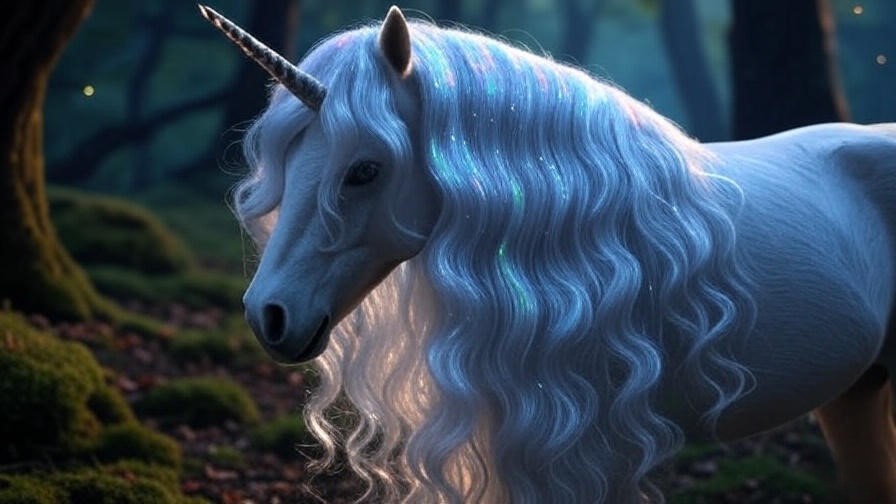
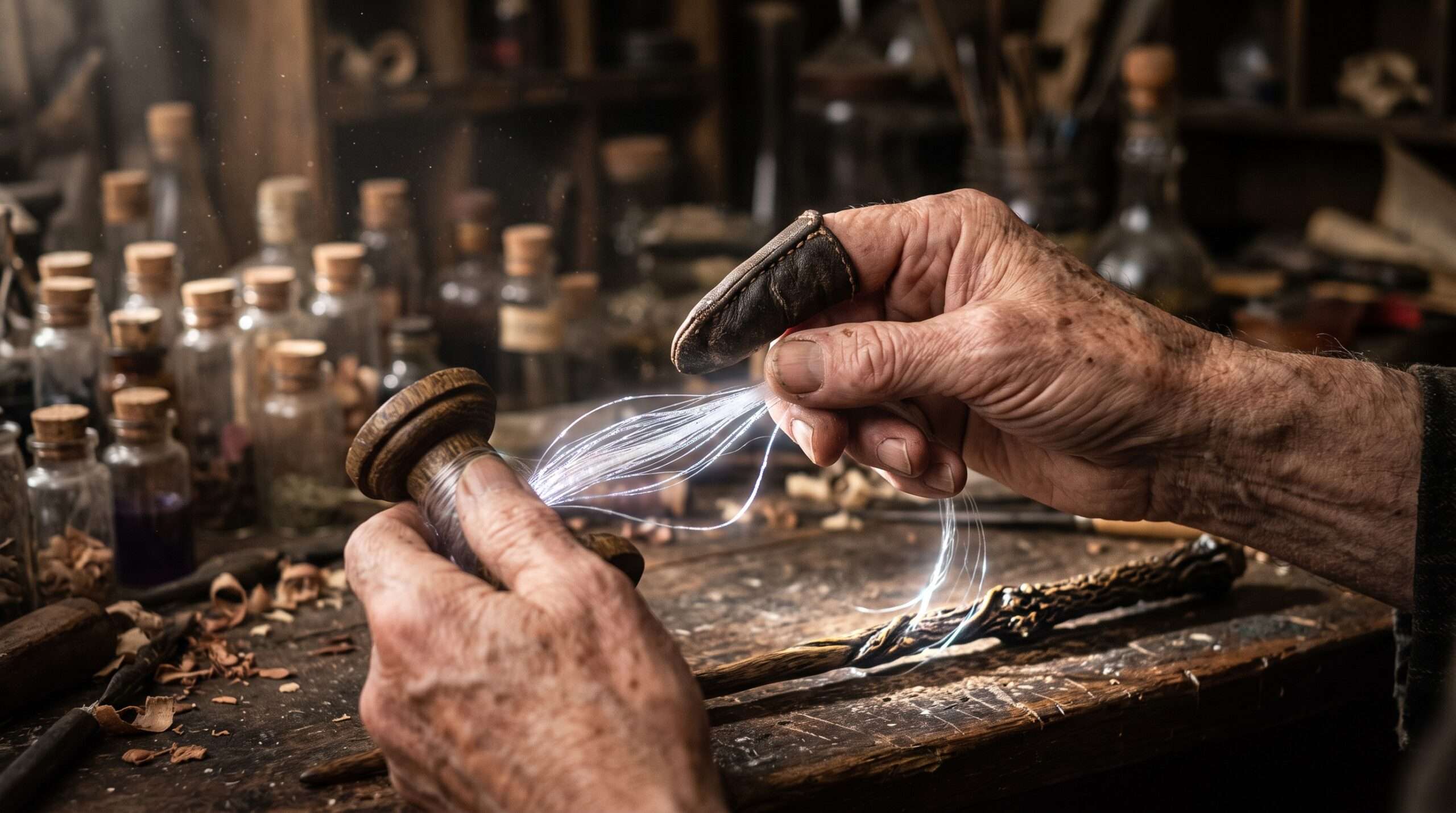
If the hawthorn wood represents conflict, the core of the wand introduces an element of undeniable innocence. A Death Eater wielding a wand with a unicorn hair core is a massive, intentional paradox.
Resistance to the Dark Arts
According to Ollivander’s extensive notes, wands with unicorn hair cores produce the most consistent magic and are the least subject to fluctuations or blockages. Most importantly, unicorn hair is universally recognized as the most difficult core to turn to the Dark Arts. They are deeply faithful wands, heavily attached to their first owner.
When Lord Voldemort tasked Draco with torture and murder, Draco was utilizing a magical conduit fundamentally opposed to dark magic. The psychological toll of forcing a pure, innocent core to perform malicious acts mirrors the trauma inflicted on Draco himself.
 A Symbol of Innocence Lost
The unicorn hair core serves as the ultimate behind-the-scenes secret regarding Draco’s true alignment. It represents the scared, pressured child buried underneath the arrogant, sneering Malfoy facade. No matter how many dark artifacts he handled or how aggressively he aligned himself with Voldemort’s forces, his magic was rooted in an entity of pure goodness. His hesitation on the Astronomy Tower wasn’t just a failure of nerve; it was his inherent nature—and his wand’s inherent nature—rebelling against the act of murder.
Wand Allegiance and The Master of Death
Draco’s hawthorn and unicorn hair wand is not merely a prop; it is the linchpin of the entire conclusion to the Second Wizarding War. Its specific actions and the rules governing its allegiance dictate the fall of Voldemort.
The Astronomy Tower Disarmament
When a terrified Draco bursts onto the Astronomy Tower and casts Expelliarmus at a weakened Albus Dumbledore, his hawthorn wand successfully disarms the headmaster. Because Dumbledore was wielding the Elder Wand at the time, the ancient artifact recognized Draco’s victory. Without ever touching it, seeing it, or knowing it existed, Draco Malfoy became the Master of the Elder Wand.
This moment highlights the ultimate utility of his “reasonably springy” wand. It was quick, defensive, and successful in disarming a far superior opponent, setting off a chain reaction that would define the fate of the wizarding world.
The Malfoy Manor Duel
The true complexity of wand allegiance comes into sharp focus during the skirmish at Malfoy Manor in Harry Potter and the Deathly Hallows. When Harry Potter, Ron Weasley, and Hermione Granger are captured by Snatchers and brought to the Malfoy estate, a chaotic fight breaks out. In a desperate bid for survival, Harry physically wrestles the hawthorn wand directly out of Draco’s grip.
According to the subtle, often unpredictable laws of wandlore studied by Garrick Ollivander, capturing a wand by force or conquest fundamentally shifts its allegiance. Because the hawthorn wand yielded to Harry in a life-or-death struggle, its loyalty transferred to him.
However, the magic went even deeper than the physical wood and core. Because the hawthorn wand had become the invisible tether to the Elder Wand, conquering Draco’s wand meant Harry simultaneously conquered the Elder Wand. The greatest, most destructive weapon in wizarding history was now secretly loyal to a teenage boy, all because a “reasonably springy” hawthorn wand chose to change its allegiance in a dark drawing room.
 The Hawthorn Wand in Harry Potter’s Hands
Following his escape from Malfoy Manor, Harry’s own beloved holly and phoenix feather wand was broken, leaving him in need of a replacement. While he had access to a blackthorn wand taken from a Snatcher, it felt clumsy and uncooperative. Yet, when Harry began using Draco’s hawthorn and unicorn hair wand, it performed brilliantly.
Harry’s Unlikely Weapon
Why did Draco’s wand align so perfectly with Harry? The answer lies in the deeply ingrained lore of the hawthorn wood. Remember that hawthorn is drawn to witches and wizards in a state of immense turmoil. During the final months of the Second Wizarding War, Harry is carrying the agonizing burden of the Horcrux hunt, grieving the loss of his mentors, and slowly realizing he is marching toward his own inevitable death.
Harry’s internal conflict and overwhelming turmoil made him the perfect master for the hawthorn wood. Furthermore, the unicorn hair core—a material fundamentally resistant to the Dark Arts—found a natural ally in Harry, a wizard whose entire existence was dedicated to eradicating dark magic. The wand did not just yield to Harry by conquest; it yielded to him by nature.
The Final Duel at Hogwarts
The climax of the Harry Potter saga features a staggering piece of poetic justice, centered entirely around Draco’s wand. When Harry and Voldemort face off for the final time in the ruined Great Hall of Hogwarts, Voldemort is wielding the Elder Wand, while Harry is wielding Draco’s hawthorn wand.
When Voldemort casts the Killing Curse (Avada Kedavra) and Harry casts his signature Disarming Charm (Expelliarmus), the spells collide. But the Elder Wand recognizes that the master of the hawthorn wand is its true master. It refuses to strike Harry, causing the Killing Curse to rebound upon Voldemort.
Draco Malfoy—the boy who was manipulated, threatened, and groomed to be a killer for the dark regime—inadvertently provided both the magical weapon and the precise chain of wand allegiance that brought the Dark Lord down. The wand of paradox lived up to its name, turning a Death Eater’s tool into the instrument of ultimate salvation.
 Frequently Asked Questions (FAQ)
To further satisfy the curiosity of fellow Potterheads, here are the answers to some of the most common questions regarding Malfoy’s iconic wand.
Did Draco Malfoy ever get his wand back?
In the books, it is never explicitly stated if Harry returned the hawthorn wand to Draco. After using the Elder Wand to repair his original holly wand, Harry lays the Elder Wand to rest. Because Harry is a fundamentally honorable character, most fans and lore experts theorize that he quietly returned the hawthorn wand to Draco after the Battle of Hogwarts, allowing the Malfoy heir to begin anew.
Why didn’t Draco’s wand work for Lord Voldemort?
A common point of confusion is whether Voldemort ever used Draco’s wand. He did not. In The Deathly Hallows, Voldemort demands the wand of Lucius Malfoy (made of elm and dragon heartstring), leaving Draco to continue using his own hawthorn wand. The Elder Wand failed Voldemort because it answered to Draco (and subsequently Harry), but the Dark Lord never physically possessed the hawthorn wand itself.
Is Draco’s wand considered good or evil?
Neither, and both. Wands in the Wizarding World are semi-sentient tools that reflect their owners. While the unicorn hair core is inherently pure and resistant to evil, the hawthorn wood is a paradox capable of great harm or great healing. Ultimately, the wand is a tool of complex duality, perfectly matched to a wizard who spent his life caught between the light and the dark.
When we ask what is Draco’s wand made of, we are really asking who Draco Malfoy is beneath the surface. The combination of hawthorn and unicorn hair creates a magical instrument that embodies contradiction: healing and harm, darkness and innocence, pure-blood elitism and underlying morality.
J.K. Rowling’s use of wandlore is one of the most masterful elements of world-building in the franchise. Draco’s wand tells the story of his redemption arc long before he ever puts down his prejudices. It proves that despite his horrible choices and toxic upbringing, there was always a core of innocence within him that refused to be completely corrupted by the Dark Arts.