
Imagine facing a horde of soul-sucking Dementors, your wand trembling in your hand as despair closes in. With a surge of your happiest memory, you cry out “Expecto Patronum!”—and a brilliant silver animal erupts from your wand, driving the darkness away. What would that guardian look like? A majestic stag charging forward? A playful otter darting through the mist? Or perhaps something entirely unique to you?
For millions of Harry Potter fans worldwide, the question “what is my Harry Potter Patronus” is more than curiosity—it’s a quest for self-discovery within the magical world J.K. Rowling created. The Patronus Charm isn’t just a spell; it’s a profound reflection of your innermost self, a manifestation of joy, hope, and resilience that repels the very essence of fear. Whether you’ve already taken the official quiz on Wizarding World or you’re just starting your journey, this comprehensive guide goes far beyond a simple result. We’ll explore the lore, break down the official discovery process, analyze popular and rare Patronus forms with their true meanings, share insights from canon examples, and offer deeper personality interpretations to help you understand what your guardian truly reveals about you.
As a dedicated Harry Potter enthusiast who has followed the series since the early days, delved into J.K. Rowling’s writings, Wizarding World features, and community discussions, I’ve compiled this skyscraper-level resource to provide more depth, accuracy, and value than typical quiz recap articles. Let’s summon your inner light and uncover your true Patronus guardian.
What Is a Patronus? The Magic Behind the Charm
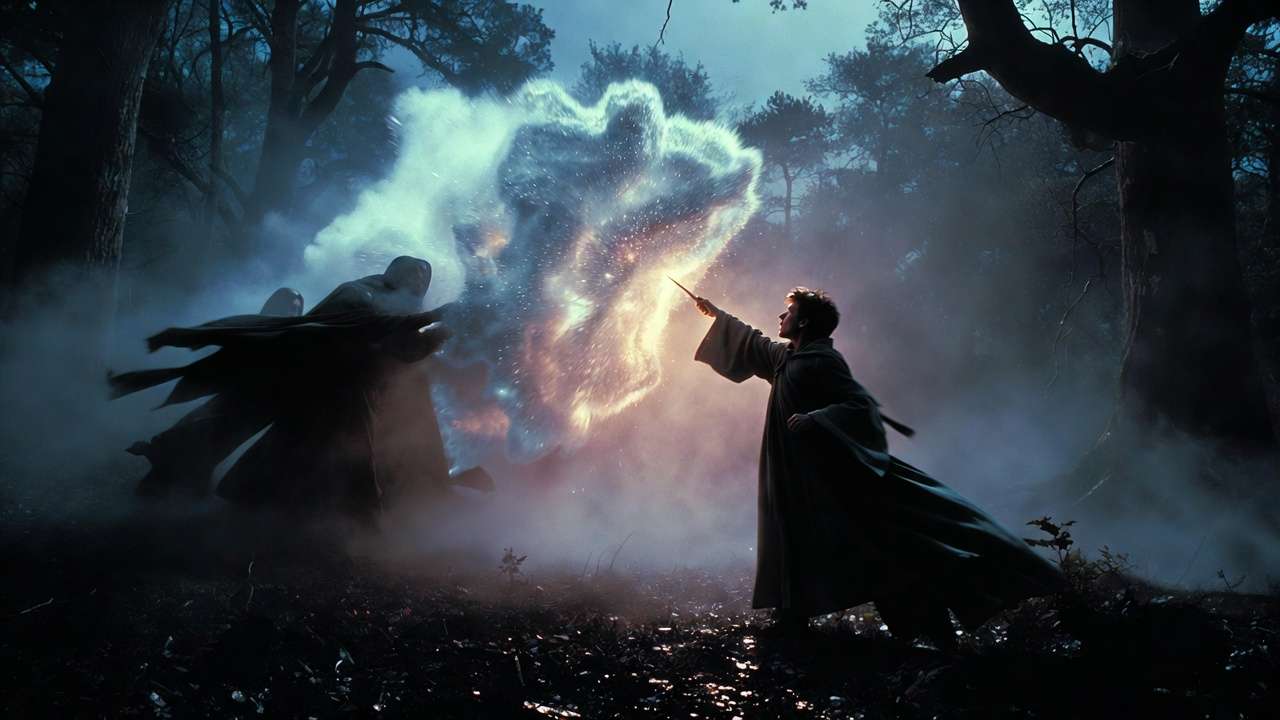 The Patronus Charm is one of the most advanced and emotionally demanding spells in the wizarding world. First prominently featured in Harry Potter and the Prisoner of Azkaban, it’s a defensive incantation that conjures a corporeal or non-corporeal guardian to repel Dementors and Lethifolds—creatures that feed on happiness and spread despair.
J.K. Rowling describes the Patronus as “a kind of positive force, a projection of the very things that the Dementor feeds upon—hope, happiness, the desire to survive.” It cannot feel despair, making it impervious to these dark creatures. To cast a successful Patronus, a witch or wizard must focus intensely on a single, powerful happy memory while uttering “Expecto Patronum” (Latin for “I await a guardian”).
Patronuses come in two main forms:
- Non-corporeal: A shapeless burst of silver mist—effective but less powerful.
- Corporeal: A fully formed, silvery animal that mirrors the caster’s personality, affinities, or life experiences. This is the form most fans seek.
The animal shape isn’t random. It often reflects deep traits: loyalty (dogs), intelligence (otters), nobility (stags), or even inherited connections (like Harry’s stag matching his father’s). In rare cases, Patronuses can change—such as Nymphadora Tonks’s shifting from jackrabbit to wolf due to emotional turmoil—or take unusual magical creature forms.
Understanding this charm deepens your appreciation of the series’ themes: love triumphs over fear, and inner strength emerges from positive emotion. It’s no wonder fans search endlessly to find what their Patronus would be.
How to Discover Your Patronus – The Official Way
 The most authentic way to learn your Patronus is through the official Wizarding World Patronus experience (formerly Pottermore). Created with input from J.K. Rowling, it’s designed to feel immersive and true to the lore.
Here’s a step-by-step guide:
- Visit WizardingWorld.com and sign up or log in (it’s free).
- Navigate to the Patronus section (often under “Discover” or directly via my.wizardingworld.com/patronus).
- Prepare a powerful happy memory—something vivid and joyful.
- Enter a mystical forest setting where you’ll face timed, cryptic multiple-choice questions (5–7 per attempt, with pressure to choose quickly).
- Your choices reveal your Patronus, which appears dramatically as you cast the spell.
Key notes:
- Results are one-time per account for authenticity (though you can revisit or create new accounts for fun).
- It integrates with your Wizarding World profile, linking to your Hogwarts house, wand, and Ilvermorny school.
- The quiz draws from personality traits, subconscious preferences, and emotional responses—there’s no “right” answer to force a desired animal.
If your result surprises you, remember: it’s subconscious. Many fans initially disappointed later embrace how accurately it reflects them. For troubleshooting or deeper accuracy, some use fan-extended versions (covered later).
Popular and Rare Patronus Animals – What They Really Mean
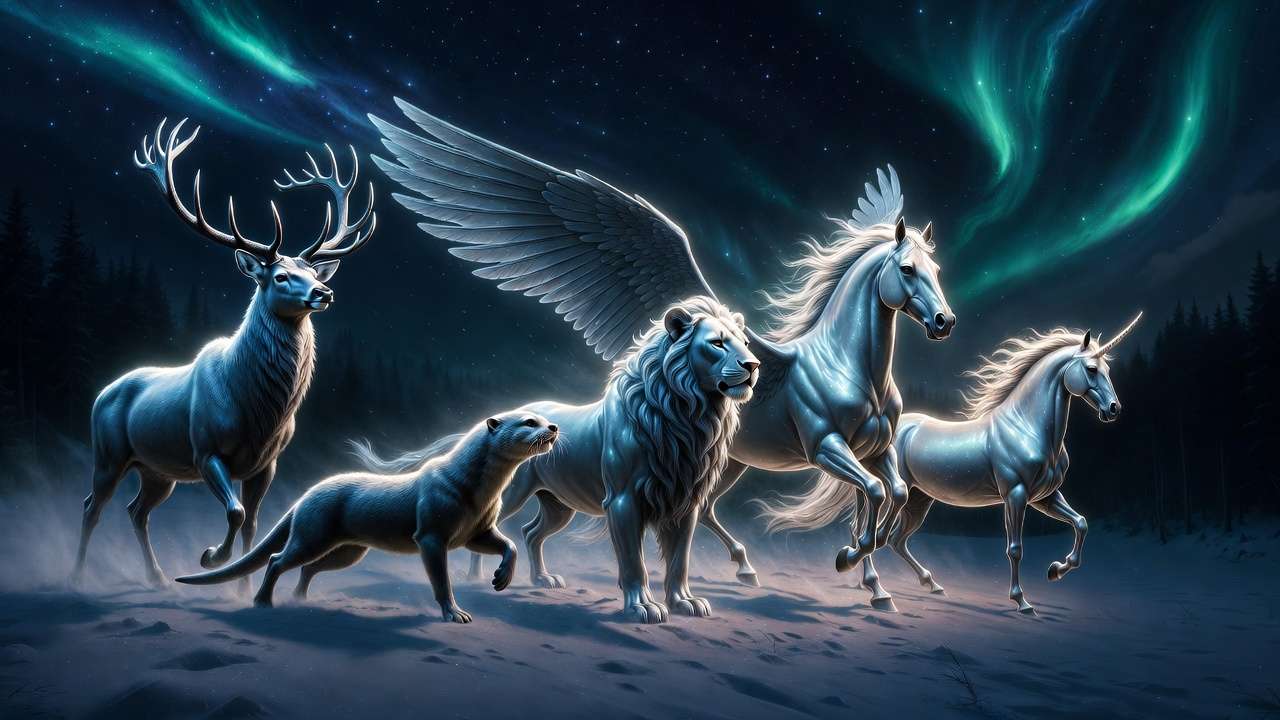 Wizarding World has confirmed that there are over 140 possible Patronus animals — ranging from the very common to the extraordinarily rare. Each form carries deep symbolic meaning, often blending real-world animal behaviour with magical and mythological significance.
Here are the most important groups you should know:
Most Common Patronus Animals
These appear very frequently and tend to belong to people who share warm, approachable, social or steady personalities.
- Dolphin Extremely common — one of the top three most frequent results Personality traits: Playful, highly intelligent, sociable, protective of their “pod”, emotionally intelligent Very positive sign — people with Dolphin Patronuses are usually the friend everyone turns to in difficult times
- Tonkinese Cat / Nebelung Cat / Manx Cat All extremely common cat variations Personality: Curious, affectionate, independent but loving, graceful, slightly mischievous Cat Patronuses in general are very prevalent and show a balanced mix of independence + deep loyalty to chosen people
- Fox / Arctic Fox Wily, clever, adaptable, charming People with fox Patronuses are often quick thinkers with excellent problem-solving ability and a playful sense of humour
- Dog breeds (various — Labrador, Jack Russell Terrier, etc.) Ultimate symbols of loyalty, bravery, protection, unconditional love Extremely common among people who are ride-or-die for their friends and family
Rare & Very Rare Patronus Animals
These are the ones that make entire rooms go quiet when revealed.
Top-tier rare Patronuses (very prestigious):
- Lion / Lioness Extremely rare — considered one of the most powerful and regal Traits: Natural leader, immense courage, protective of family/pride, dignified Famous example: very few canon examples, but strongly associated with Gryffindor energy at its most majestic
- Abraxan Winged Horse One of the rarest of all Proud, powerful, strong-willed, almost aristocratic energy People with this Patronus tend to have very strong presence and refuse to be dominated
- Tiger / Tigress Strength, stealth, independence, raw power, beauty + deadliness Very rare — people with tiger Patronuses are usually quietly formidable
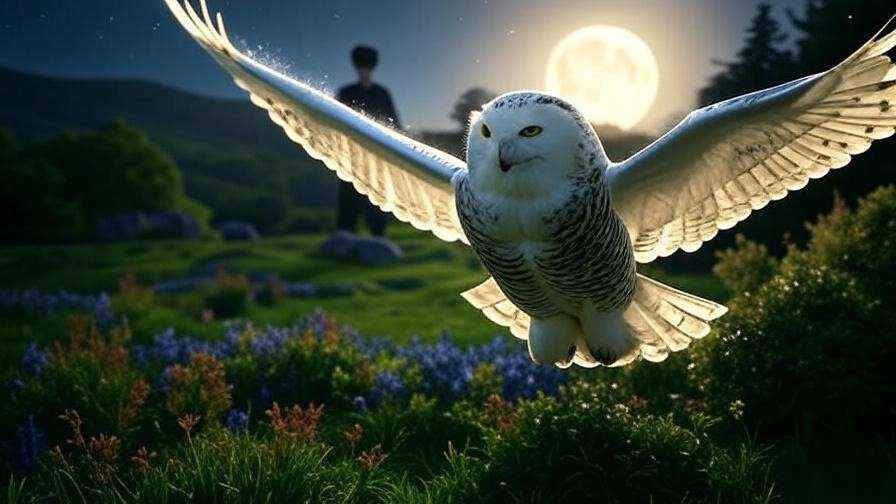
- Snowy Owl Wisdom, mystery, independence, quiet strength Very rare and considered quite mystical
- Thestral Exceptionally rare — only appears for those who have seen and accepted death Profound, gentle, hauntingly beautiful, deeply empathetic
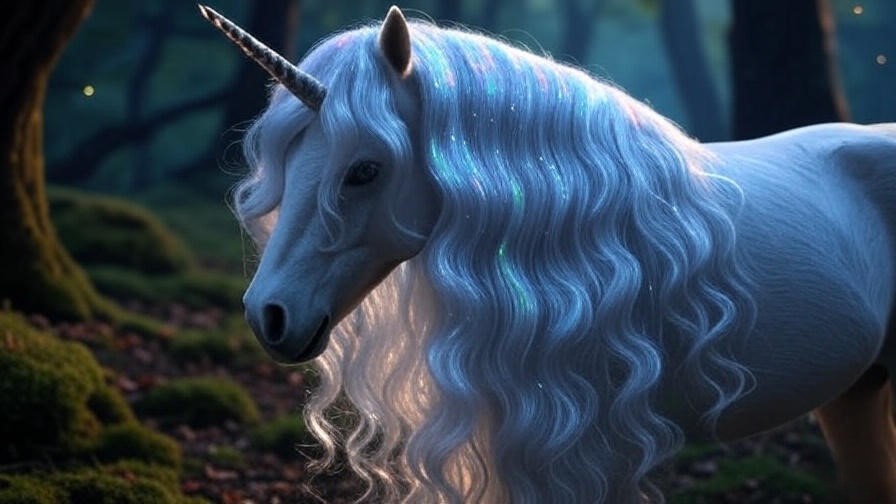
- Unicorn Extremely pure, innocent, powerful healer energy Very rare — almost never appears for adults
Quick Rarity Reference Table
| Rarity Level | Examples | Approximate Frequency |
|---|---|---|
| Very Common | Dolphin, Tonkinese Cat, Dog breeds | Top 20% |
| Common | Fox, Otter, Cat variations, Horse | 20–50% |
| Uncommon | Wolf, Eagle, Bear, Lynx | 5–20% |
| Rare | Lion, Tiger, Phoenix, Dragon | 1–5% |
| Extremely Rare | Abraxan Winged Horse, Thestral, Unicorn | <1% |
Understanding where your Patronus falls on this spectrum is both fun and meaningful — but remember: common does not mean less powerful or less special. Every Patronus is uniquely yours.
Alternative Quizzes and Tools If You Want to Explore More
While the official Wizarding World quiz is considered the most canon-authentic, many fans enjoy taking additional quizzes — either because:
- They want a second opinion
- They made a new account and want to compare
- They want to see what other questions/paths would have produced
- They are simply very curious
Recommended Alternative Patronus Quizzes & Tools
- Wizardmore Extended Patronus Quiz Most accurate unofficial version Uses almost all possible questions the official quiz can ask Allows you to see your top 3–5 most likely Patronuses → Highly recommended if you want maximum accuracy
- A Patronus Quiz on the Harry Potter Wiki / Fandom More lore-based, slightly different questions Good for people who want a more story-integrated feel
- BuzzFeed, Quotev, Playbuzz, etc Much more casual and entertaining Usually shorter Often give very dramatic or funny results → Good for fun, not for serious interpretation
- Patronus Meaning Lists (MuggleNet, Wizarding World old articles, Reddit compilations) Excellent for after you get your result — very deep symbolism explanations
Quick Recommendation → Do the official quiz first → Then do Wizardmore Extended if you want the most accurate second opinion → Use the fun ones afterward for entertainment
What Your Patronus Says About You – Deeper Personality Analysis
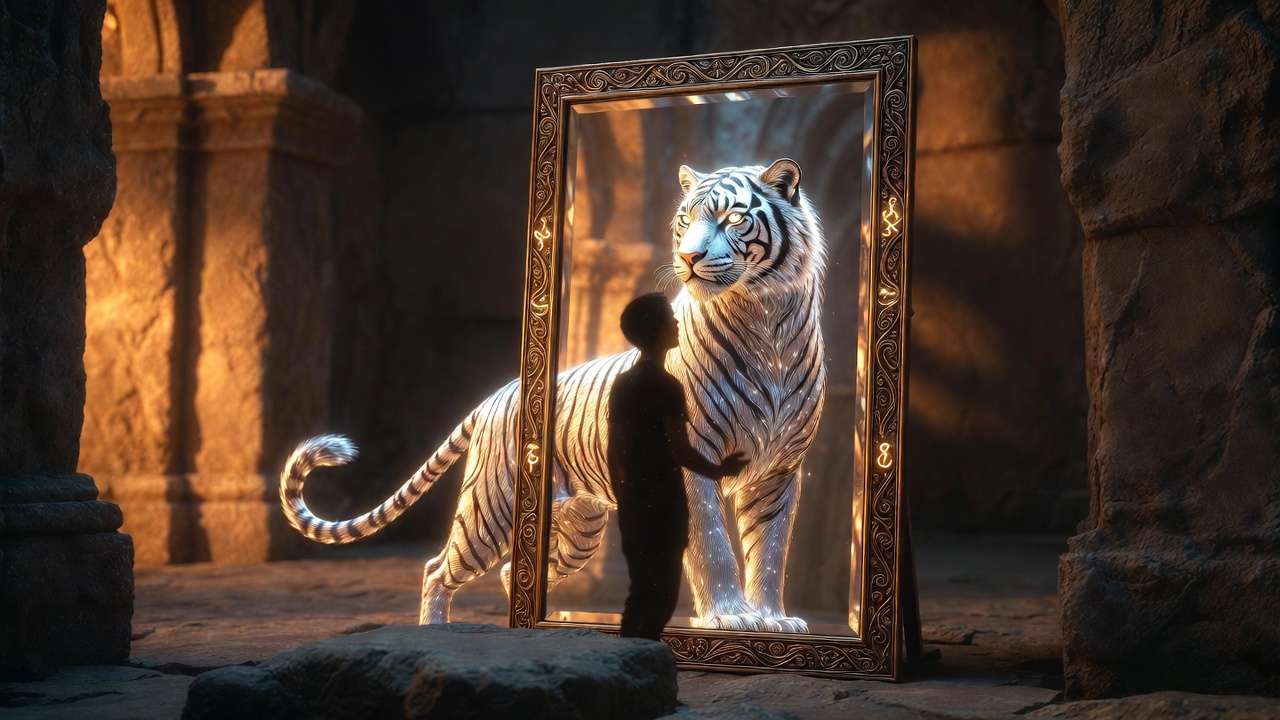 Discovering your Patronus is exciting, but understanding why that particular animal appeared is where the real magic happens. The Patronus isn’t just a cool visual effect — it’s a symbolic mirror of your core personality, emotional strengths, coping mechanisms, and even unresolved aspects of your inner world.
Here’s how to interpret yours on a deeper level:
- Observe the animal’s natural behaviour Real-world traits often carry over.
- Dolphin → You thrive in groups, communicate well, use humour to defuse tension.
- Wolf → Loyal to a small circle, fiercely protective, comfortable with solitude when needed.
- Hedgehog → You have strong boundaries, appear prickly at first, but are incredibly warm once trust is earned.
- Consider mythological and cultural symbolism Many animals carry centuries of meaning:
- Stag → Nobility, regeneration (shedding antlers = renewal), connection to the forest/spirit world.
- Otter → Playfulness + intelligence (Hermione’s Patronus — clever, resourceful, joyful even under pressure).
- Phoenix → Rebirth after hardship, immortality of the spirit, ultimate hope.
- Look at the animal’s defensive style How does it fight or protect?
- Charging animals (stag, rhino, lion) → You confront problems head-on.
- Stealthy predators (tiger, panther, fox) → You prefer strategy and timing over brute force.
- Agile/flying creatures (eagle, swift, Abraxan) → You rise above conflict or need freedom.
- Reflect on timing and life stage Patronuses can theoretically shift (as seen with Tonks). If you took the quiz years ago and re-take it now, a change might reflect personal growth, trauma processing, new relationships, or healed wounds.
Practical Self-Reflection Prompts (journal these after getting your result):
- What happy memory did I use during the quiz? Does the animal connect to that memory or emotion?
- Which parts of this animal do I already recognise in myself? Which parts surprise me?
- If this animal could speak, what advice would it give me right now?
- How would this Patronus defend me from my real-life “Dementors” (anxiety, self-doubt, toxic people)?
This level of analysis turns a fun quiz result into genuine self-insight — one of the reasons the Patronus concept resonates so deeply with fans.
Famous Patronuses in the Wizarding World
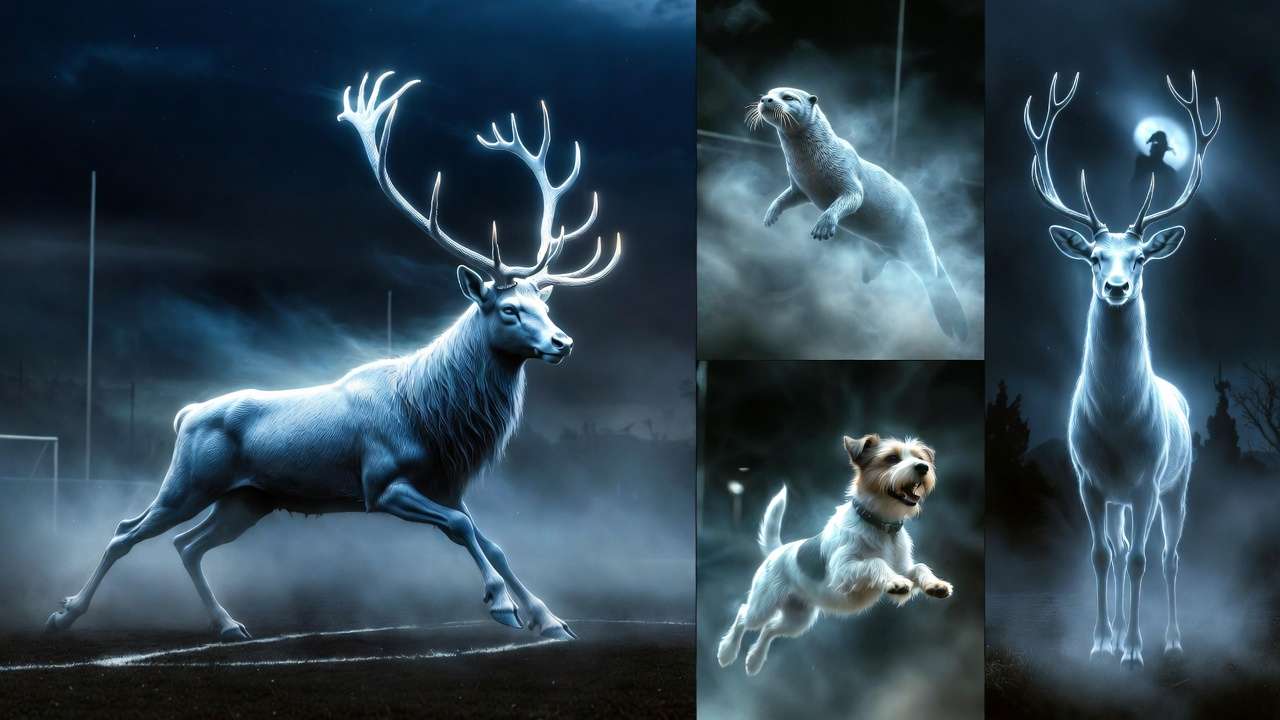 Seeing how iconic characters’ Patronuses reflect their personalities helps us understand our own.
- Harry Potter – Stag Noble, self-sacrificing, inherited from James, symbol of hope and paternal love. The stag also appears in the forest as a spiritual guide (Deathly Hallows).
- Hermione Granger – Otter Intelligent, playful, resourceful. Otters are known for using tools — perfect for the brightest witch of her age.
- Ron Weasley – Jack Russell Terrier Loyal, energetic, tenacious (Jack Russells never give up). Reflects Ron’s ride-or-die friendship and occasional stubbornness.
- Severus Snape – Doe Ultimate symbol of undying love for Lily Potter (whose Patronus was also a doe). One of the most heartbreaking reveals in the series.
- Albus Dumbledore – Phoenix Rebirth, wisdom, immortality of the soul. Fawkes the phoenix is literally his companion.
- Nymphadora Tonks – Wolf → previously Jackrabbit Demonstrates how Patronuses can change with emotional state (love for Lupin turned her Patronus lupine).
- Minerva McGonagall – Cat Independent, intelligent, protective of students — exactly like her Animagus form.
These examples show that Patronuses are deeply personal, often revealing hidden truths even the characters themselves didn’t fully acknowledge.
Tips for Casting a Stronger Patronus (In Real Life & Lore)
While we can’t literally cast spells, the principles behind a powerful Patronus translate beautifully to real life:
Canon-based tips
- Choose a memory that’s intensely happy — not just pleasant, but emotionally overwhelming.
- Practice focus and mindfulness (non-verbal spells require mental discipline).
- Protect others — Patronuses grow stronger when cast for loved ones.
Real-world applications
- Build a “happy memory bank” — keep photos, music, letters that instantly lift your mood.
- Use Patronus imagery as a visualisation tool during stress (close eyes, picture your animal guardian shielding you).
- Create affirmations based on your Patronus (“I am as resilient as my [animal]”).
- Share your Patronus with friends — many Potterheads find comfort in knowing someone else’s silver guardian has their back.
Frequently Asked Questions (FAQ)
Can my Patronus change? Yes — though very rare. Emotional upheaval, deep love, grief, or personal transformation can cause it (Tonks is the clearest canon example).
What is the rarest Patronus? Abraxan Winged Horse, Thestral, Unicorn, and Dragon forms are among the rarest (each reportedly under 0.5–1% of quiz takers).
Can I get the Patronus I want? No. The quiz is designed to reveal your subconscious self — trying to “game” it usually backfires.
Why didn’t I get the animal I expected or wanted? It reflects hidden traits, not conscious desires. Many fans grow to love “surprise” results once they read the symbolism.
How many different Patronus animals exist? Wizarding World has confirmed 142 distinct forms (including variations like different dog breeds or big cats).
Does my Hogwarts house affect my Patronus? Not directly, but tendencies exist (Gryffindors often get bold animals, Ravenclaws intellectual ones, etc.).
Is my Patronus less special if it’s common? Absolutely not. Every Patronus is unique to the caster — commonality just means the trait is widely shared among humans.
What if I can’t think of a happy memory? Start small — a pet, a song, a perfect day. The charm grows stronger with practice.
Your Harry Potter Patronus is more than a quiz result — it’s a shimmering emblem of everything that makes you strong, joyful, and capable of fighting off the darkness. Whether you have a dolphin who swims through life with endless optimism, a lion who leads with quiet courage, or a thestral who has learned beauty can emerge from pain, your guardian animal exists because you exist.
Now it’s your turn: head to WizardingWorld.com, summon your happiest memory, and discover (or rediscover) your true guardian. Once you know it, come back and share in the comments — I’d love to hear what your Patronus is and what it means to you.