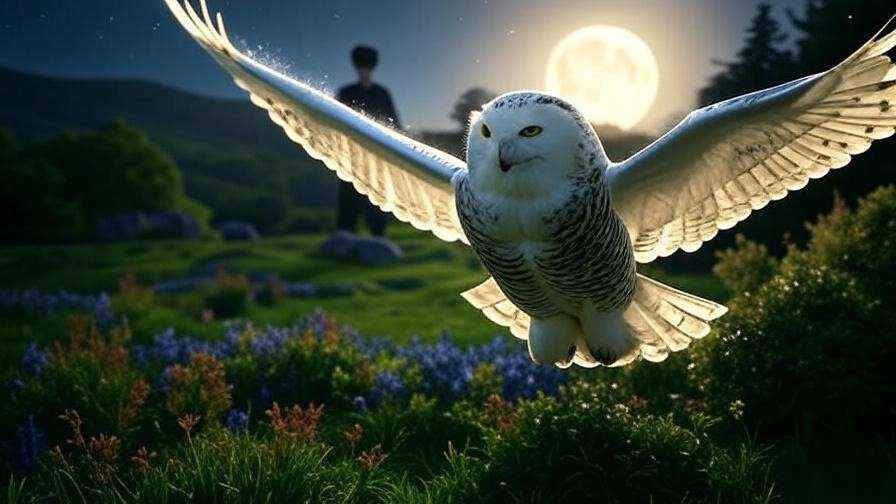
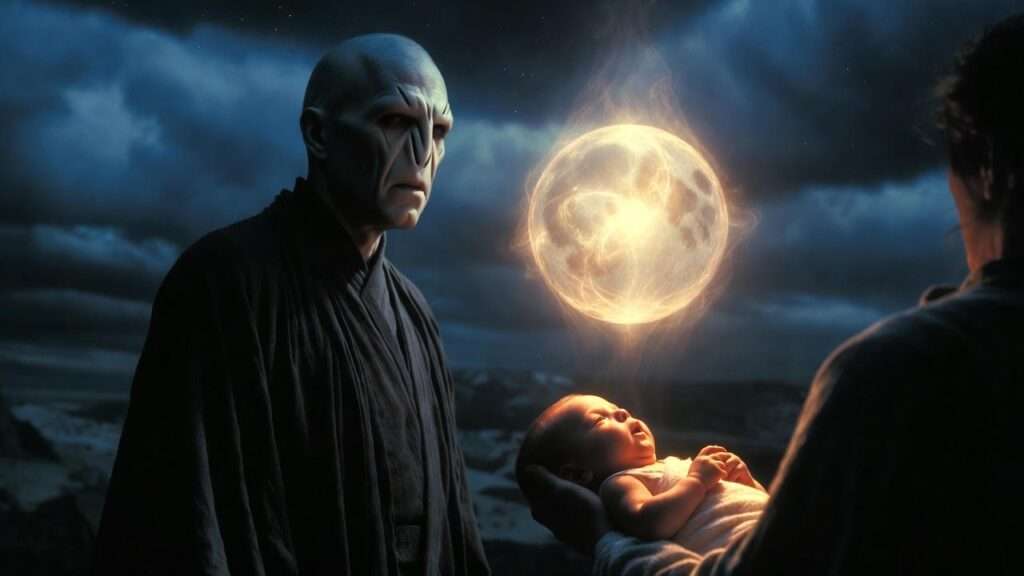
On the night of October 31, 1981, in the quiet village of Godric’s Hollow, Lord Voldemort—the most feared dark wizard in generations—entered a modest home with one purpose: to murder a one-year-old baby. This single act changed the course of wizarding history forever. But why did Voldemort want to kill Harry Potter, an infant who posed no immediate threat? The answer lies in a cryptic prophecy, a partial eavesdropping, and Voldemort’s own fatal arrogance. This pivotal moment not only explains the origin of “The Boy Who Lived” but also reveals the self-fulfilling nature of destiny in J.K. Rowling’s masterpiece.
As dedicated Harry Potter scholars who have spent years analyzing the canon—drawing directly from the seven books, supplementary materials on Wizarding World (formerly Pottermore), and Rowling’s own interviews—we’ll unpack every layer of this question with precision and evidence. By the end of this in-depth exploration, you’ll understand not just the surface-level reason, but the psychological, thematic, and magical intricacies that made Harry Potter Voldemort’s ultimate obsession.
The Prophecy – The Catalyst for Everything
At the heart of Voldemort’s decision to target Harry lies a prophecy made shortly before Harry’s birth. This prophecy, delivered in early 1980, became the spark that ignited a chain of events leading to Voldemort’s temporary downfall—and his lifelong vendetta.
Who Made the Prophecy and When?
The prophecy was uttered by Sybill Trelawney, the Divination professor at Hogwarts, during a job interview at the Hog’s Head pub in Hogsmeade. Albus Dumbledore was interviewing her for the position when she suddenly fell into a trance and delivered the prediction in a voice unlike her own.
As described in Harry Potter and the Order of the Phoenix (Chapter 37, “The Lost Prophecy”), Dumbledore later recounts the moment to Harry:
“The one with the power to vanquish the Dark Lord approaches… born to those who have thrice defied him, born as the seventh month dies… and the Dark Lord will mark him as his equal, but he will have power the Dark Lord knows not… and either must die at the hand of the other for neither can live while the other survives… the one with the power to vanquish the Dark Lord will be born as the seventh month dies…”
This prophecy was made months before Harry’s birth on July 31, 1980, and before Neville Longbottom’s birth on July 30, 1980—meaning both boys technically fit the timeframe.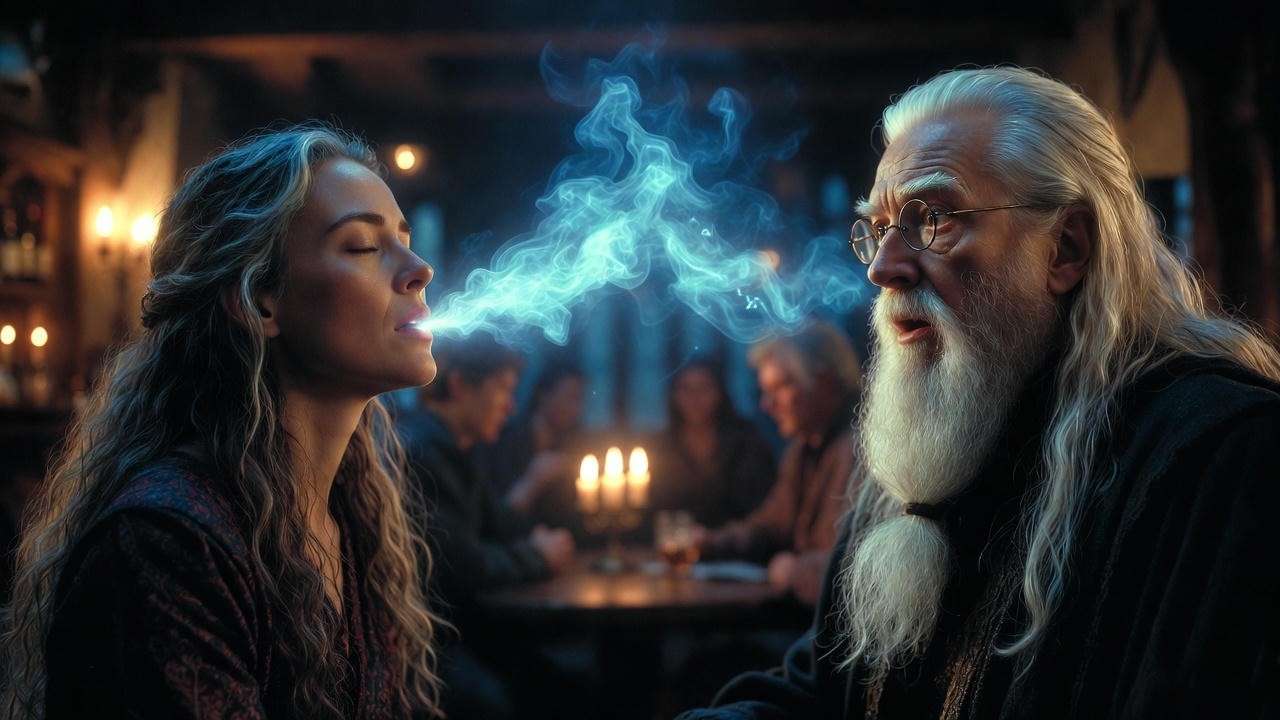
The Exact Wording and Its Ambiguity
Let us examine the prophecy line by line to understand its profound implications:
- “The one with the power to vanquish the Dark Lord approaches…” This establishes that a single individual will have the ability to defeat Voldemort permanently.
- “born to those who have thrice defied him, born as the seventh month dies…” The child would be born at the end of July to parents who had escaped or resisted Voldemort three times. Both the Potters (James and Lily) and the Longbottoms (Frank and Alice) qualified, as members of the original Order of the Phoenix.
- “and the Dark Lord will mark him as his equal…” This is crucial: the Dark Lord himself would choose or “mark” his nemesis, effectively creating his own enemy.
- “but he will have power the Dark Lord knows not…” The chosen one would possess a power foreign to Voldemort—later revealed to be love.
- “and either must die at the hand of the other for neither can live while the other survives…” This final line creates an inescapable rivalry: true peace for one means death for the other.
The prophecy’s ambiguity allowed for interpretation, which proved fatal for Voldemort.
Why the Prophecy Mattered to Voldemort
Unlike Dumbledore, who viewed prophecies as possibilities shaped by choice, Voldemort placed immense stock in them. His obsession with immortality and invincibility made any threat to his power intolerable. As Rowling explained in a 2007 interview:
“Voldemort is obsessed with blood and destiny and prophecy… He believes in prophecy when it suits him.”
Hearing even part of this prediction convinced Voldemort that a child posed an existential threat—one he believed he could eliminate preemptively.
How the Prophecy Reached Voldemort
The prophecy would have remained unknown to Voldemort had it not been for an unfortunate eavesdropper.
Severus Snape – The Unwitting Spy
Severus Snape, then a young Death Eater, was lurking outside the Hog’s Head during Trelawney’s interview. He overheard the beginning of the prophecy and immediately reported it to his master, Lord Voldemort.
Crucially, Snape only heard the first half—up to “born as the seventh month dies.” He was ejected from the pub by Aberforth Dumbledore (Albus’s brother, the barman) before hearing the rest. This incomplete information shaped Voldemort’s fateful decision.
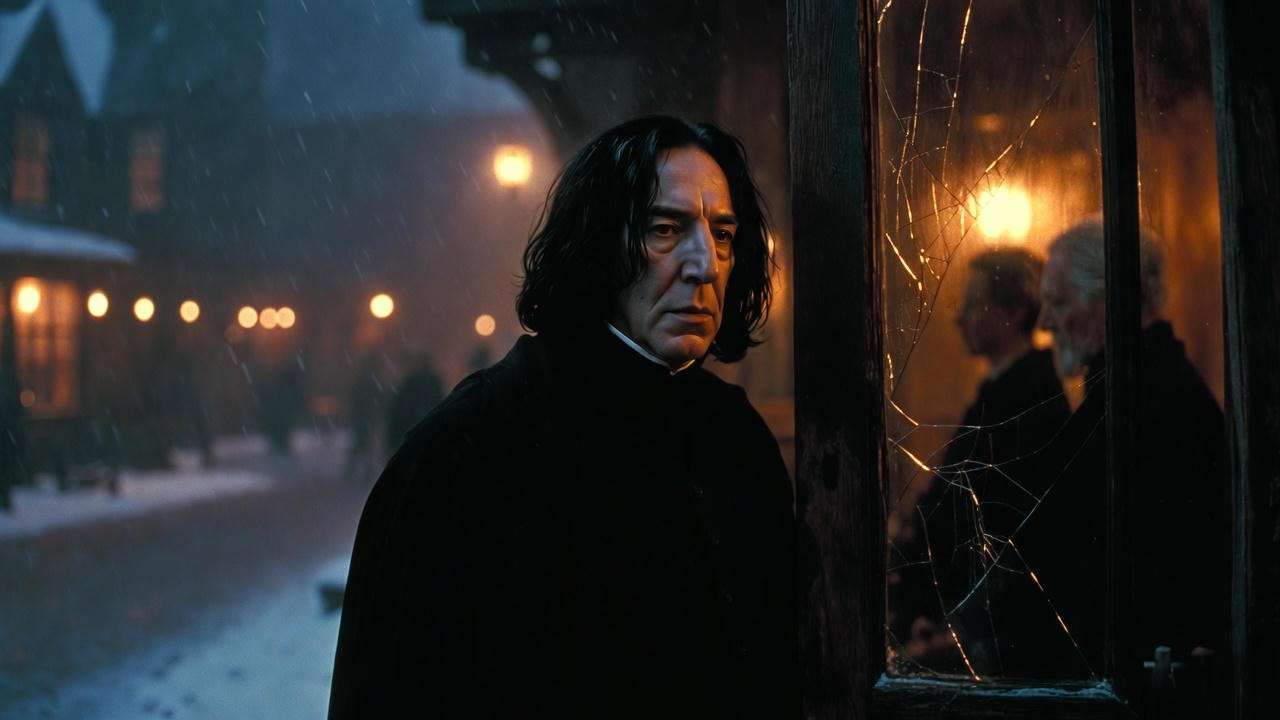 Snape’s motivation for reporting the prophecy stemmed from his loyalty to Voldemort at the time. However, when he realized the prophecy could target Lily Potter (whom he secretly loved), he begged Voldemort to spare her—a plea that indirectly contributed to the events of Godric’s Hollow.
Voldemort’s Interpretation and Choice
With two potential candidates—Harry Potter and Neville Longbottom—Voldemort had to choose.
Many fans wonder why he selected Harry over Neville. Rowling has clarified this in interviews and on Wizarding World:
- Voldemort saw his own reflection in Harry: both half-bloods (Voldemort despised his Muggle father yet shared Harry’s mixed heritage).
- He likely viewed the Potters as a greater immediate threat due to James’s defiance and pure-blood lineage on his father’s side.
- Neville’s parents, while heroic, came from pure-blood families with less direct personal animosity toward Voldemort.
By choosing Harry, Voldemort fulfilled the prophecy’s line: “the Dark Lord will mark him as his equal.” As Dumbledore later tells Harry in Order of the Phoenix:
“It is not a scar on the forehead that marks someone… It was your mother’s sacrifice… But also Voldemort’s choice.”
The Attack on Godric’s Hollow – What Went Wrong for Voldemort
Armed with the partial prophecy, Voldemort moved swiftly.
October 31, 1981: Timeline of Events
The Potters went into hiding under the Fidelius Charm, with Sirius Black originally intended as Secret-Keeper. At the last moment, they switched to Peter Pettigrew—who betrayed them to Voldemort almost immediately.
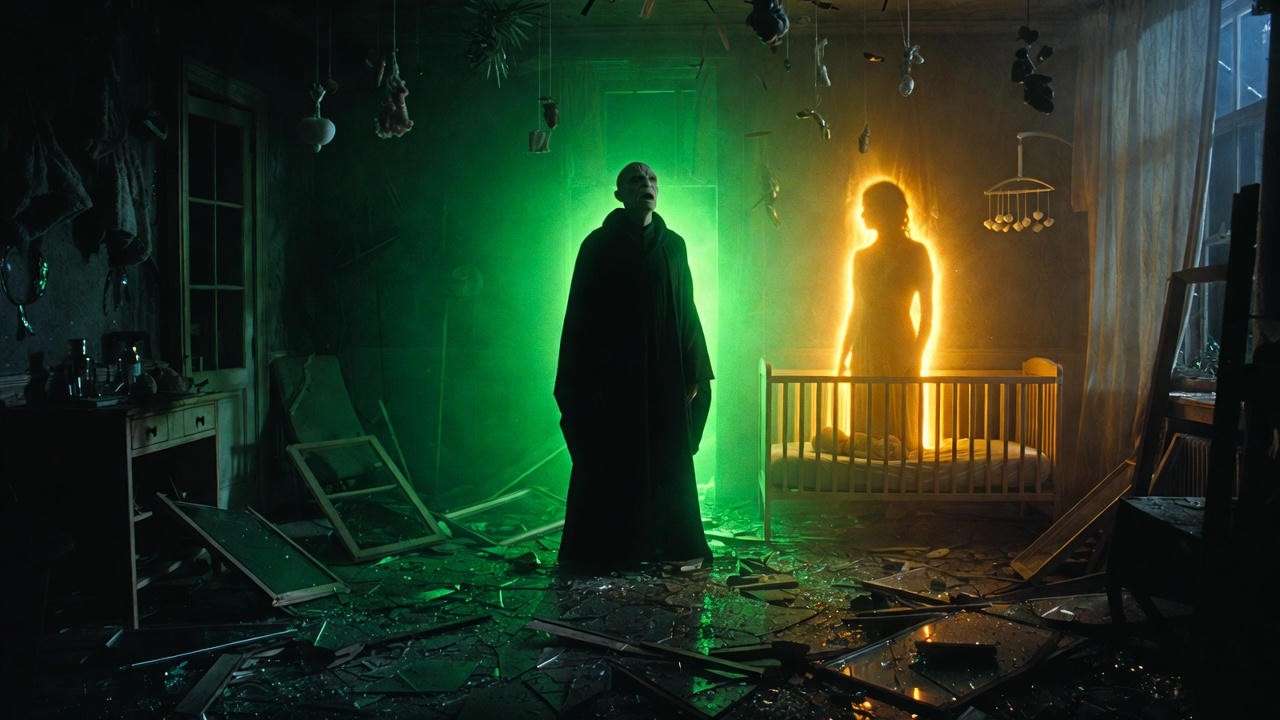
On Halloween night, Voldemort arrived in Godric’s Hollow. He killed James Potter first, then confronted Lily in the nursery. Despite offering her a chance to live (at Snape’s request), Lily refused to step aside.
 Lily’s Sacrifice and Ancient Magic
When Lily chose death over abandoning her son, she invoked an ancient protective magic that Voldemort neither understood nor anticipated.
Dumbledore explains this to Harry in Philosopher’s Stone:
“Your mother died to save you. If there is one thing Voldemort cannot understand, it is love… She gave you a lingering protection he never expected.”
This sacrificial protection caused Voldemort’s Killing Curse to rebound when aimed at Harry.
The Rebound Curse and Voldemort’s “Defeat”
The Avada Kedavra curse struck Harry but failed to kill him, instead destroying Voldemort’s body and ripping his soul. A fragment of that soul—unintentionally—latched onto the only living thing in the room: Harry himself, creating an accidental Horcrux.
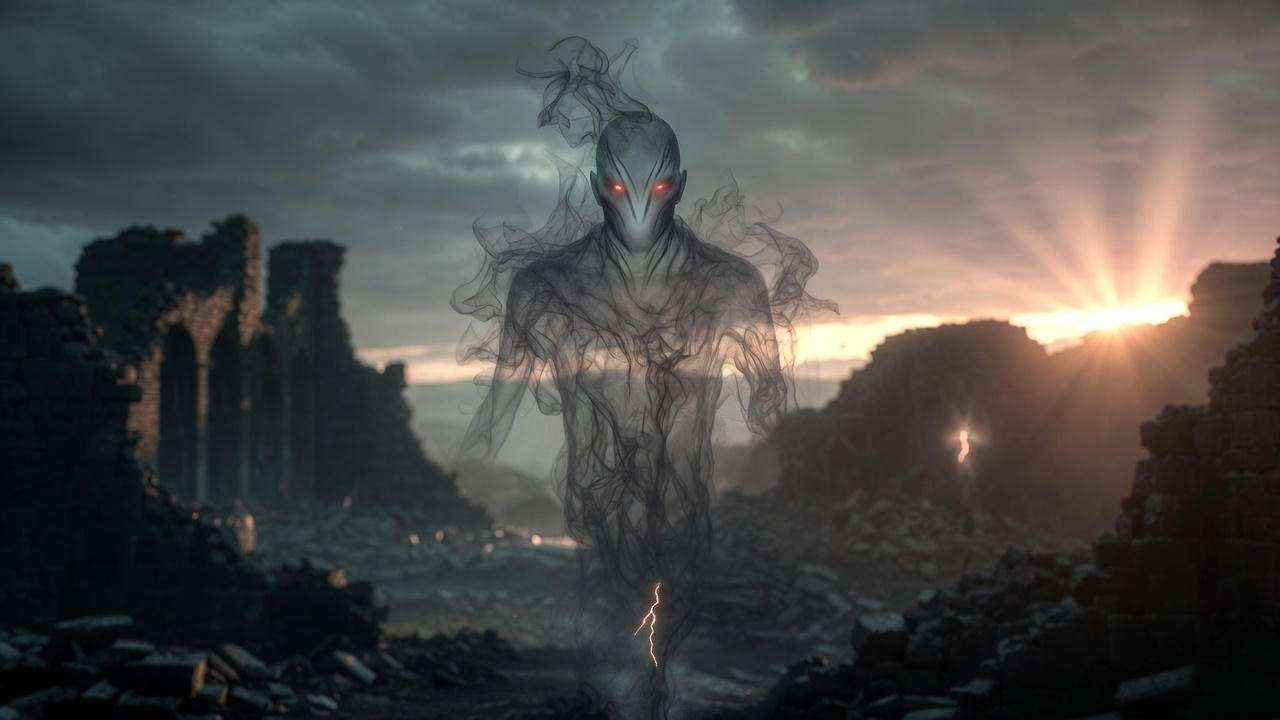
Harry’s forehead bore the lightning-bolt scar as a permanent mark of this connection. Voldemort fled as a wraith-like spirit, weakened beyond recognition, while Harry became known as “The Boy Who Lived.”
Voldemort’s Obsession After His Fall
Even in his diminished state, Voldemort remained fixated on Harry.
 Why He Continued to Target Harry Specifically
The prophecy’s final line—“neither can live while the other survives”—became Voldemort’s mantra. He interpreted it as a requirement: to achieve full power and immortality, Harry had to die.
Moreover, Harry represented Voldemort’s greatest failure. Killing him became a matter of pride and proof that the prophecy held no real power.
Rowling has noted that Voldemort’s inability to comprehend love blinded him to the true reason he failed that night—and would continue to fail.
Key Attempts Throughout the Series
Voldemort’s pursuit of Harry spans the entire series:
- 1991–1992 (Philosopher’s Stone): Possessing Quirinus Quirrell, Voldemort attempts to steal the Philosopher’s Stone to regain a body—and kill Harry in the process. Lily’s protection again prevents direct touch.
- 1992–1993 (Chamber of Secrets): Through his teenage diary Horcrux (Tom Riddle), Voldemort manipulates Ginny Weasley to reopen the Chamber, indirectly targeting Harry as the one who previously “defeated” him.
- 1994–1995 (Goblet of Fire): Using the Triwizard Tournament and a loyal follower (Barty Crouch Jr.), Voldemort orchestrates his resurrection ritual, which requires “blood of the enemy.” He takes Harry’s blood, inadvertently strengthening Lily’s protection within himself.
- 1995–1996 (Order of the Phoenix): Voldemort lures Harry to the Department of Mysteries with a false vision of Sirius’s torture, hoping to retrieve the full prophecy recording. The ensuing battle costs him several Death Eaters.
- 1997–1998 (Deathly Hallows): After discovering Harry is a Horcrux, Voldemort becomes even more determined. During the Battle of Hogwarts, he finally believes he has succeeded—only for Harry to return, master of the Elder Wand due to complex allegiance shifts.
In each instance, Voldemort’s actions reinforce the prophecy he sought to defy.
Common Misconceptions and Fan Theories Debunked
Over the years, countless discussions in Harry Potter forums, Reddit threads, and fan sites have spawned myths and theories about Voldemort’s motives. Let’s address the most persistent ones with direct evidence from the books and J.K. Rowling’s own statements.
“Harry was just in the wrong place at the wrong time”
This is perhaps the most common oversimplification. Many casual fans (or those who only watched the films) assume Voldemort randomly targeted the Potters. In reality, the attack was deliberate and prophecy-driven.
As Dumbledore explains in Order of the Phoenix:
“He chose the boy he thought most likely to be a danger to him… and in doing so he chose not a boy who was randomly selected, but the one who would indeed prove to be his greatest threat.”
Harry was never an accidental victim—Voldemort actively selected him.
“Voldemort could have simply ignored the prophecy”
At first glance, this seems logical. Why give credence to a prediction you don’t like? Yet Voldemort’s personality made ignoring it impossible.
Rowling addressed this directly in a 2005 interview on her old website (archived on Wizarding World):
“Voldemort’s fear of death and his belief in his own superiority meant that he could not bear the idea that anyone might be his equal… He had to act.”
His arrogance and terror of mortality compelled him to neutralize any perceived threat, no matter how small.
Popular Fan Theories Examined
- Theory: Snape deliberately withheld the second half of the prophecy Canon contradicts this. Snape was forcibly removed from the pub before hearing the rest (Order of the Phoenix, Chapter 37). He later expresses genuine horror when he realizes the prophecy endangers Lily.
- Theory: Neville was the “real” Chosen One all along While Neville fits the birth criteria and becomes a hero in his own right, the prophecy explicitly states the Dark Lord will mark his equal. Voldemort’s choice of Harry fulfilled that condition. Dumbledore confirms to Harry:
“It was Voldemort’s actions that made you the Chosen One.”
- Theory: Voldemort targeted Harry because of his pure-blood father Some fans argue Voldemort spared Neville to avoid offending pure-blood allies (the Longbottoms). Rowling has clarified that Voldemort saw more of himself in Harry—the half-blood with a common Muggle name on the father’s side—and considered Harry the greater threat.
These misconceptions often stem from incomplete readings or film-only knowledge. The books provide a far richer, more intentional narrative.
Thematic Significance in the Harry Potter Series
Voldemort’s pursuit of Harry is not merely plot mechanics—it forms the philosophical backbone of Rowling’s story.
 Free Will vs. Destiny
One of the series’ central themes is the tension between prophecy and choice. Dumbledore’s words to Harry in Order of the Phoenix encapsulate this perfectly:
“The prophecy does not dictate your actions… It is not the prophecy that makes you special, Harry. It is your choices.”
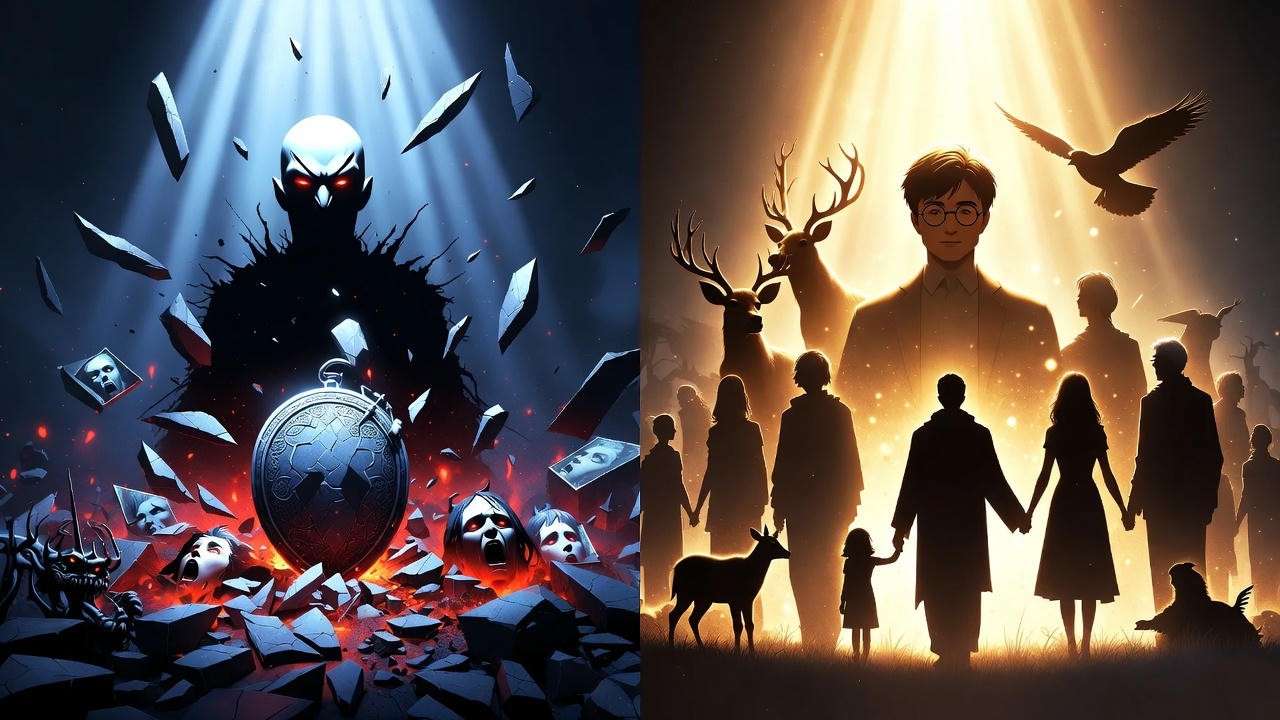
Voldemort treats the prophecy as inevitable fate, while Harry and Dumbledore recognize it as a possibility shaped by decisions. Voldemort’s blind adherence to the prophecy ironically ensures its fulfillment.
Love as the Ultimate Power
Rowling repeatedly emphasizes that love is “a force that is at once more wonderful and more terrible than death.” Lily’s sacrificial love protected Harry in 1981 and continued to thwart Voldemort throughout the series.
Even when Voldemort used Harry’s blood in his resurrection ritual (Goblet of Fire), he unknowingly tethered himself to Lily’s protection—allowing Harry to survive the Killing Curse a second time in the Forbidden Forest (Deathly Hallows).
Voldemort’s inability to comprehend love becomes his fatal flaw. As Dumbledore tells Harry:
“That which Voldemort does not value, he takes no trouble to comprehend.”
The Cost of Voldemort’s Choices
Every step Voldemort took to evade the prophecy brought him closer to defeat:
- Splitting his soul into Horcruxes made him vulnerable to destruction.
- Marking Harry as his equal created a true rival.
- Underestimating love and loyalty cost him followers and opportunities.
In the end, his downfall was entirely self-inflicted—a cautionary tale about fear, hatred, and the refusal to change.
Frequently Asked Questions
Why didn’t Voldemort make a Horcrux out of Harry intentionally?
Voldemort never planned to create a Horcrux that night. His soul was already unstable from previous divisions, and the rebounding curse tore off a fragment accidentally. Rowling confirmed in a 2007 Bloomsbury chat that Voldemort was horrified to learn (in Deathly Hallows) he had made Harry a Horcrux—seeing it as a disgusting contamination.
Could Neville have become the Chosen One if Voldemort had chosen him?
Yes—in the sense that Voldemort’s choice determined the “marking.” Had he targeted Neville, the prophecy would have applied to him instead. Neville’s parallel heroism (destroying the final Horcrux) shows he had the potential all along.
Did Dumbledore know the full prophecy before Snape reported it?
Yes. Dumbledore was present during Trelawney’s trance and heard everything. He kept the full text secret until Harry was ready in Order of the Phoenix.
Why didn’t Voldemort try to kill Neville as well, just to be safe?
This highlights Voldemort’s overconfidence. He believed eliminating one candidate would suffice and never considered that his own actions would validate the prophecy. Killing both would have risked alienating pure-blood supporters like the Longbottom family’s allies.
Is the prophecy still valid after Voldemort’s final death?
No. With Voldemort permanently destroyed in 1998, the condition “either must die at the hand of the other” has been fulfilled. Harry can now live without the shadow of that specific destiny.
Lord Voldemort wanted to kill Harry Potter because a prophecy foretold that a child born at the end of July 1980 would have the power to vanquish him. Acting on incomplete information, Voldemort chose Harry as his greatest threat, marked him as his equal by attempting murder, and inadvertently set in motion the very chain of events that led to his own destruction.
In trying to defy fate, Voldemort fulfilled it. His fear of death, inability to understand love, and boundless arrogance turned a vague prediction into inescapable reality.
The story of Harry and Voldemort is ultimately one of choices: Voldemort chose hatred and isolation, while Harry chose love, friendship, and sacrifice. As Dumbledore wisely observed, “It is our choices, Harry, that show what we truly are, far more than our abilities.”
This single prophecy didn’t just explain why Voldemort hunted a baby—it illuminated the entire moral landscape of the Harry Potter series.
What do you think—did the prophecy control their destinies, or did their choices matter more? Share your thoughts in the comments below, and let us know which Harry Potter mystery you’d like us to unpack next.