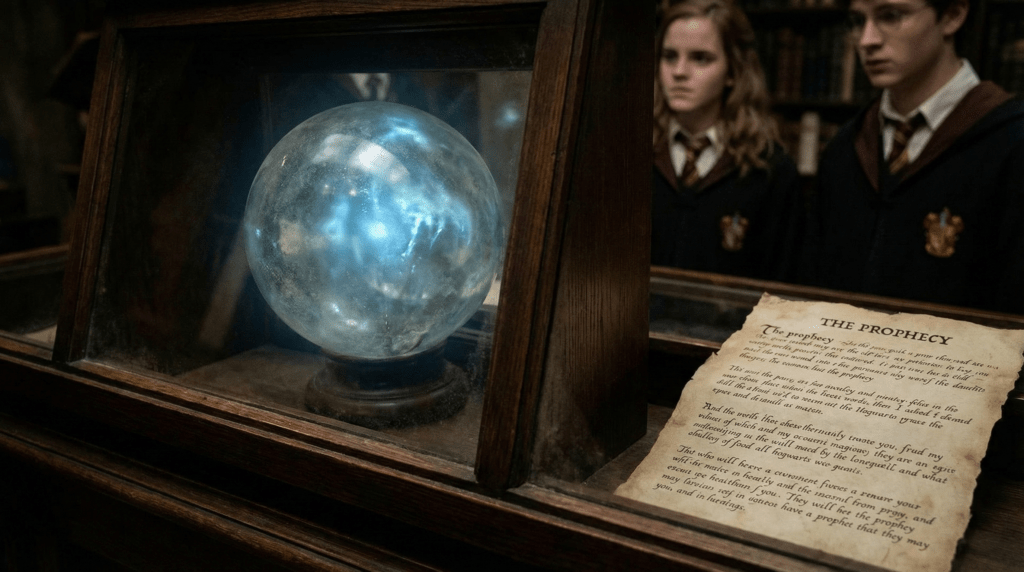
Imagine a single, cryptic sentence uttered in a smoky pub booth that dooms two innocent families, ignites a decades-long war, and forever brands a baby boy as the savior of the wizarding world. That sentence — overheard in fragments and interpreted through fear — is none other than the Harry Potter prophecy, the pivotal force that shaped the entire series. Made by the unlikely Sybill Trelawney in late 1980, this prediction didn’t just foretell events; it actively created them through the choices of those who heard it. Even more than 25 years after Harry Potter and the Order of the Phoenix revealed its full wording, fans continue to debate its implications: Was Harry truly destined, or did Voldemort’s actions make him so? Could Neville Longbottom have been the one? And what does it say about fate, choice, and the power of love?
In this comprehensive guide, we’ll dive deep into the Harry Potter prophecy — its exact text, line-by-line breakdown, historical context, self-fulfilling nature, and lasting legacy. Whether you’re revisiting the series for the first time or analyzing it as a lifelong Potterhead, this article aims to provide the most thorough, canon-supported explanation available, drawing from the books, J.K. Rowling’s own statements, and key Wizarding World insights.
What Is the Harry Potter Prophecy? Background and Origins
The Harry Potter prophecy stands as one of the most consequential pieces of divination in the wizarding world. Unlike vague predictions or charlatan tricks, this was a rare, genuine trance-induced prophecy — one of only two true prophecies Trelawney ever made in the series.
Who Made the Prophecy? Sybill Trelawney’s Role as a True Seer
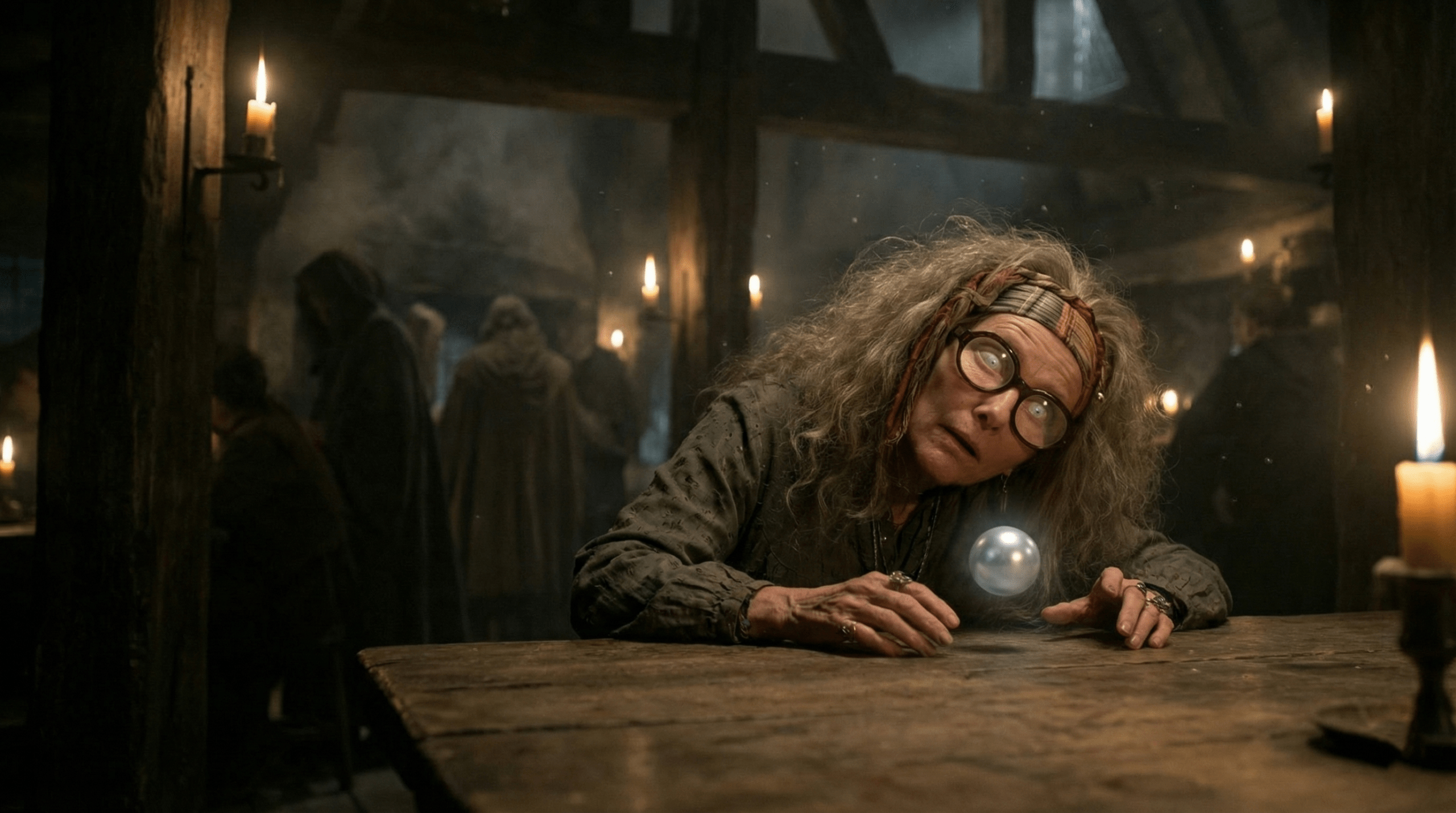
Sybill Trelawney, Hogwarts’ often-maligned Divination professor, is frequently dismissed as a fraud — and she plays into that perception with dramatic flair and questionable accuracy. Yet, during her job interview with Albus Dumbledore in 1980 at the Hog’s Head pub, she slipped into an authentic trance. Her voice became deep and distant, delivering words that would alter history. This moment proved her distant relation to the famous seer Cassandra Trelawney was more than boast: she possessed genuine, albeit rare, Seer abilities. Dumbledore hired her partly to protect her from Voldemort, who might target true seers, and partly because he recognized the prophecy’s importance.
 When and Where Was It Made?
The prophecy occurred in the winter of 1979–1980, during the height of the First Wizarding War. Voldemort’s forces were at their strongest, and the Order of the Phoenix was fighting desperately. The Hog’s Head, a dingy pub in Hogsmeade owned by Aberforth Dumbledore, provided the perfect secretive venue for the interview.
How Voldemort Learned of It (The Half-Truth That Doomed the Potters)
Severus Snape, then a Death Eater, eavesdropped on the first part of the prophecy before being ejected by Aberforth. He reported what he heard to Voldemort: a child born at the end of July to parents who had defied the Dark Lord three times would have the power to vanquish him. Crucially, Snape never heard the second half — the part about the power the Dark Lord knows not and the fatal confrontation. This incomplete information led Voldemort to act rashly, targeting two potential families: the Potters and the Longbottoms.
The Full Text of the Prophecy – Word for Word
In Harry Potter and the Order of the Phoenix (Chapter 37: “The Lost Prophecy”), the full text is finally revealed when Dumbledore shares it with Harry after the Battle of the Department of Mysteries. Here it is, exactly as recorded in the glowing glass sphere:
“The one with the power to vanquish the Dark Lord approaches… born to those who have thrice defied him, born as the seventh month dies… and the Dark Lord will mark him as his equal, but he will have power the Dark Lord knows not… and either must die at the hand of the other for neither can live while the other survives… the one with the power to vanquish the Dark Lord will be born as the seventh month dies…”
The orb’s label read: “S.P.T. to A.P.W.B.D. Dark Lord and (?) Harry Potter” — the question mark reflecting initial uncertainty, later updated after Voldemort’s attack.
This wording is deliberately archaic and ambiguous, typical of classic literary prophecies (think the witches in Macbeth or the Oracle at Delphi). It leaves room for interpretation — and misinterpretation.
 Line-by-Line Breakdown – What Each Part Really Means
Let’s dissect the prophecy phrase by phrase, using canon details and expert analysis.
“The one with the power to vanquish the Dark Lord approaches…”
This opening promises potential, not certainty. “Vanquish” implies defeat, but not necessarily death. The word “approaches” suggests the child is on the horizon, not yet born.
“…born to those who have thrice defied him…”
Both sets of parents — James and Lily Potter, and Frank and Alice Longbottom — were active Order members who had openly defied Voldemort three times. This narrowed it to two families.
“…born as the seventh month dies…”
“July” is the seventh month in the wizarding calendar (counting from March as the first, but canonically July). Neville Longbottom was born July 30, 1980; Harry Potter on July 31, 1980. Both qualified.
“…and the Dark Lord will mark him as his equal…”
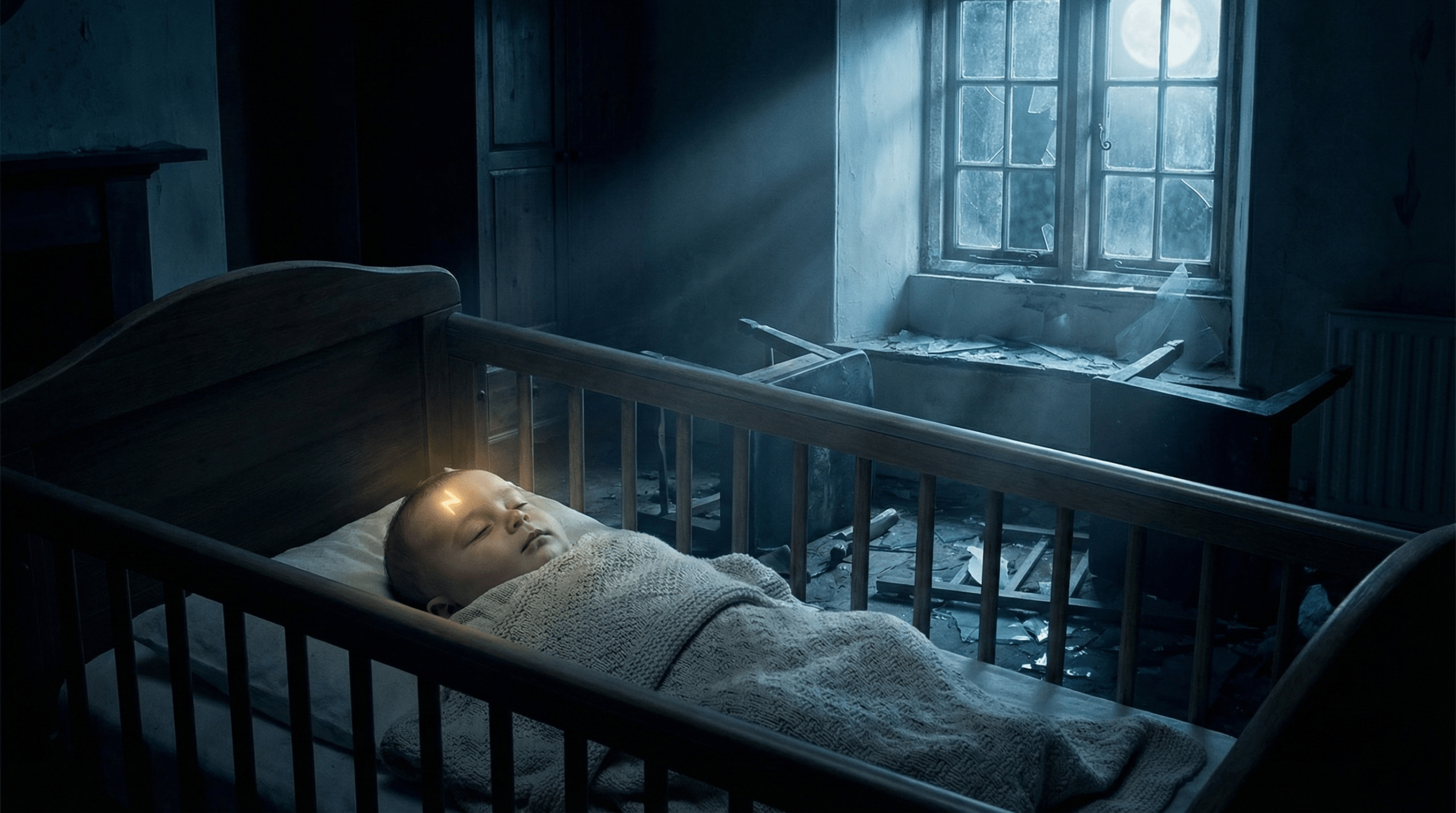
This became literal: Voldemort’s failed Killing Curse left Harry with a lightning-bolt scar, physically marking him. Symbolically, it equated them as nemeses. Voldemort, obsessed with blood status, saw a half-blood like himself as a worthy equal.
 “…but he will have power the Dark Lord knows not…”
The key twist. Voldemort, incapable of love, couldn’t comprehend Lily Potter’s sacrificial protection, which created ancient magic that saved Harry and made him a Horcrux unintentionally. This “power” — love — was Voldemort’s blind spot.
“…and either must die at the hand of the other for neither can live while the other survives…”
The zero-sum conclusion: one must kill the other. Fulfilled in Deathly Hallows, where Harry “dies” temporarily and then defeats Voldemort permanently.
This structure mirrors Greek tragedies like Oedipus Rex, where efforts to avoid fate cause it.
Harry vs. Neville – Who Was the Prophecy Really About?
One of the most enduring debates among Harry Potter fans is whether the prophecy referred exclusively to Harry Potter or whether Neville Longbottom could have fulfilled it instead. The answer, surprisingly, is both — and neither — depending on how you interpret fate, choice, and Voldemort’s actions.
Let’s compare the two candidates side by side:
- Birth date
- Harry Potter: July 31, 1980
- Neville Longbottom: July 30, 1980 → Both born “as the seventh month dies.”
- Parents’ defiance
- James & Lily Potter: Active, high-profile members of the Order of the Phoenix.
- Frank & Alice Longbottom: Also prominent Aurors and Order members who defied Voldemort three times (and later four, before their torture). → Both sets of parents perfectly matched the criterion.
- Blood status
- Harry: Half-blood (mother Muggle-born)
- Neville: Pure-blood → Voldemort, a half-blood himself, likely felt a stronger personal connection to Harry as a “worthy” equal.
- The marking
- Harry: Received the lightning-bolt scar when Voldemort’s Killing Curse rebounded.
- Neville: Never attacked by Voldemort personally in infancy. → Only Harry was literally “marked as his equal.”
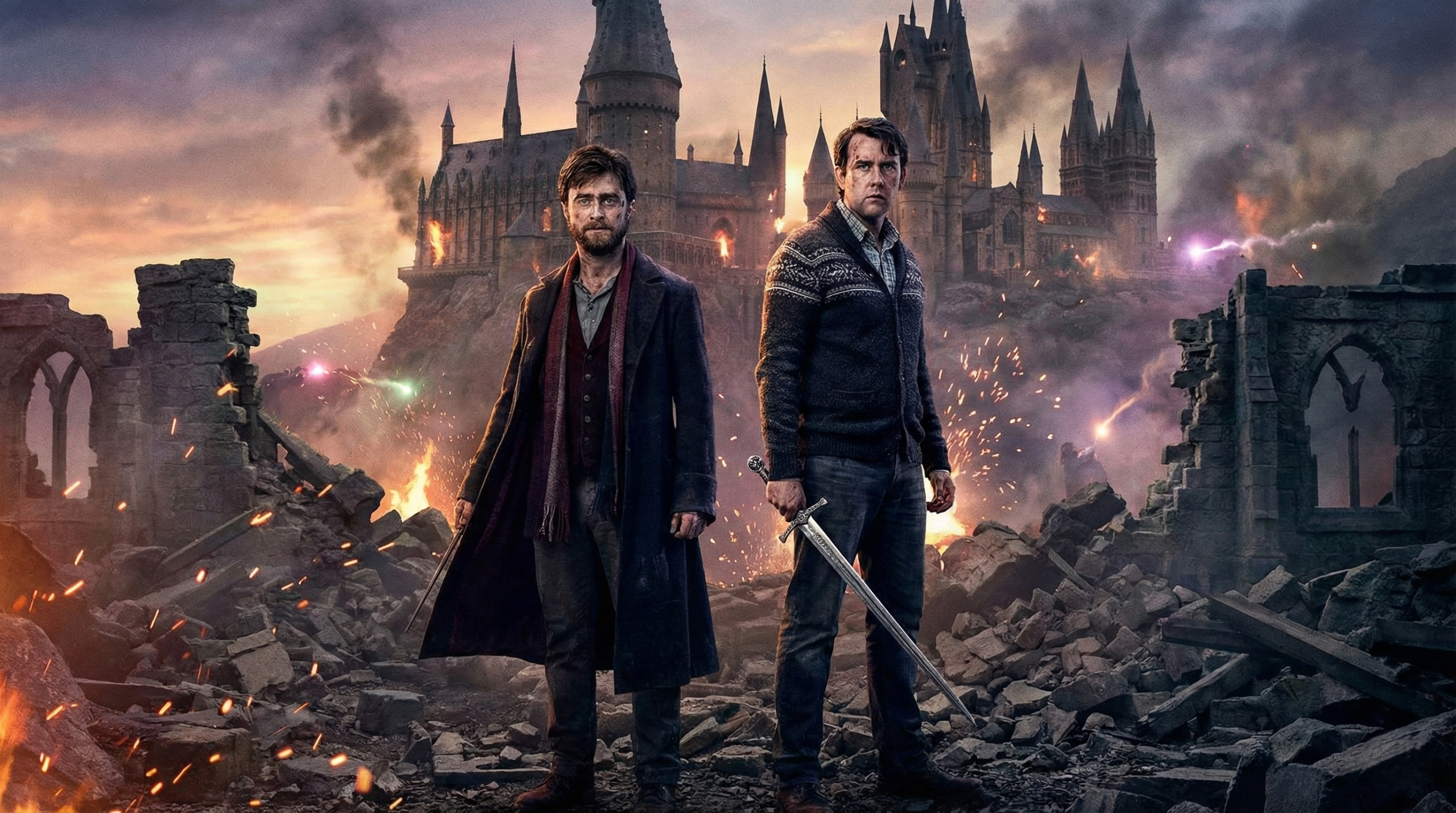 J.K. Rowling has addressed this question directly in multiple interviews and on Pottermore/Wizarding World. She stated:
“Neville might have been the one. But because Voldemort chose to attack Harry, that made Harry the one. The prophecy is a self-fulfilling one in that sense.”
This is the crucial revelation: the prophecy did not name a specific child. It described a set of conditions. Voldemort’s choice — driven by arrogance, fear, and his own insecurities about blood purity — turned Harry into the subject of the prophecy. Had he attacked the Longbottoms instead, Neville would have become the Chosen One.
This possibility is beautifully illustrated in Harry Potter and the Deathly Hallows when Neville destroys the final Horcrux (Nagini) and stands shoulder-to-shoulder with Harry in the final battle. Neville fulfills the spirit of the prophecy even though he was not the one marked.
The Self-Fulfilling Nature – How the Prophecy Shaped the Entire Series
The Harry Potter prophecy is a textbook example of a self-fulfilling prophecy — a prediction that causes the predicted outcome to occur because of the behavior it inspires.
Voldemort hears only the first part. Fearing the threat, he takes action to eliminate it. That action (attacking the Potters) creates the very child who can defeat him — complete with the sacrificial love that becomes his undoing.
Key elements of the self-fulfilling loop:
- Voldemort attacks the Potters → Lily sacrifices herself → ancient magic protects Harry
- The rebounding curse creates the scar → Harry is literally “marked as his equal”
- Harry grows up knowing he is “the boy who lived” → develops courage, moral strength, and the ability to love deeply
- Voldemort’s obsession with killing Harry personally → leads him to use Harry’s blood in his resurrection → unwittingly anchors Harry’s survival
- The final duel → Harry chooses to die for others (mirroring Lily), survives, and defeats Voldemort
In short: Voldemort created his own downfall by trying to prevent it.
This theme runs through the entire series. Dumbledore repeatedly tells Harry:
“It is our choices, Harry, that show what we truly are, far more than our abilities.”
The prophecy becomes a symbol of the tension between destiny and free will — one of the most sophisticated philosophical threads in children’s literature.
The Prophecy’s Role in the Plot – Key Events It Triggered
The Harry Potter prophecy is not background lore; it actively drives major plot points across five books.
- The attack on Godric’s Hollow (1981) Voldemort targets the Potters, kills James and Lily, fails to kill Harry → The Boy Who Lived is born.
- The Longbottoms’ torture (late 1981) Bellatrix Lestrange and others torture Frank and Alice into insanity, believing they might know where the Potters went into hiding.
- The Department of Mysteries battle (Order of the Phoenix) Voldemort’s desperate need to retrieve the prophecy orb leads to the climactic showdown. The orb shatters, forcing Dumbledore to finally reveal its contents to Harry.
- Snape’s entire redemption arc Snape’s decision to report the prophecy to Voldemort, followed by his horror when Lily is killed, sets him on the path of double-agent penance.
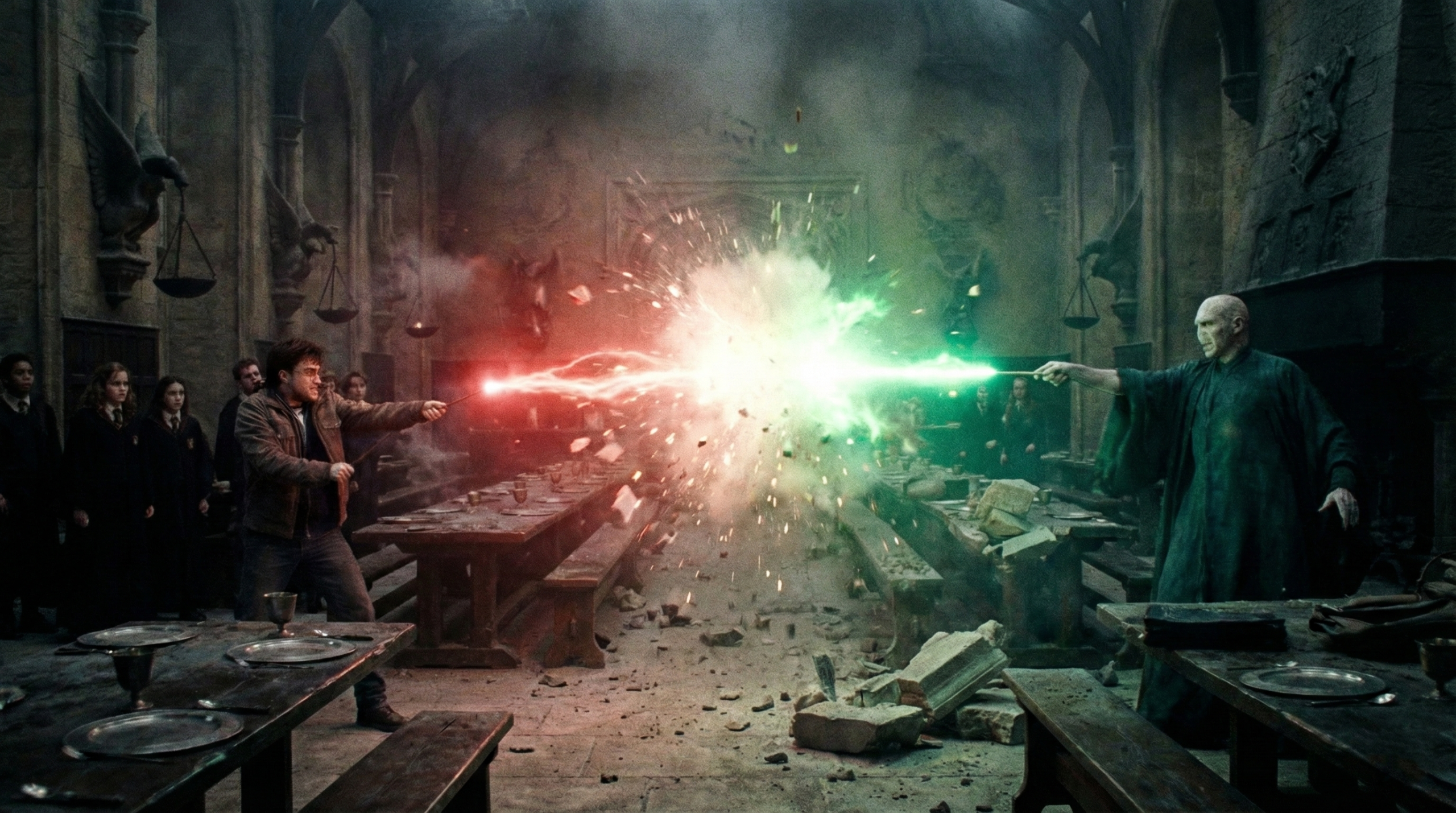
- The final confrontation (Deathly Hallows) The line “either must die at the hand of the other” comes true — though in a deeply subversive way, with Harry sacrificing himself and returning to end Voldemort.
Without the prophecy, none of these events would have unfolded in the same way.
Common Misconceptions and Fan Theories Debunked
Here are some of the most frequent misunderstandings:
- “The prophecy was always about Harry.” False. The wording is deliberately ambiguous. Neville fit every criterion except the voluntary “marking” by Voldemort.
- “The movies got the prophecy wrong.” The films only quote the first half and the final line, omitting the crucial “power the Dark Lord knows not.” This makes the love-as-protection element seem less central.
- “Trelawney is completely useless.” She makes two genuine prophecies in the series: this one, and the one about Peter betraying the Potters and returning to Voldemort. Her gift is real, but rare and uncontrollable.
- Fan theory: “The prophecy was engineered by Dumbledore.” No canon evidence supports this. Dumbledore was as surprised as anyone by the events that unfolded.
 Why the Prophecy Still Matters – Legacy in Harry Potter Lore
More than two decades after Order of the Phoenix was published, the prophecy remains one of the most discussed and analyzed elements of the series.
- It appears in Harry Potter and the Cursed Child, where alternate timelines explore “what if” scenarios around the prophecy’s fulfillment.
- It continues to spark academic discussions about fate, agency, and moral philosophy in fantasy literature.
- It stands as one of the strongest examples of a non-clichéd prophecy in modern fantasy — ambiguous, dangerous, and ultimately human.
In the end, the Harry Potter prophecy is not about predicting the future. It’s about how fear of the future can create it, and how courage and love can rewrite it.
The Harry Potter prophecy is far more than a plot device — it is the beating heart of the conflict between Voldemort and Harry. A few lines overheard in a pub created orphans, heroes, traitors, and legends. It proved that the greatest power in the wizarding world isn’t magic or prophecy itself, but the choices we make in response to it.
Voldemort tried to escape fate and only tightened its grip. Harry, marked by love and loss, chose to embrace his role — and in doing so, broke the cycle.
So the next time you re-read Order of the Phoenix, pay special attention to Chapter 37. Those glowing words in the glass sphere didn’t just predict the end of the war. They caused it.
What do you think — would Neville have defeated Voldemort if he’d been the one marked? Or was Harry always the only possible outcome? Share your thoughts in the comments!