Imagine settling in for your first viewing of Fantastic Beasts and Where to Find Them, eagerly awaiting more magic from the Wizarding World you love. Then, a character casually drops the word “No-Maj” to describe a non-magical person. Wait—what? No “Muggle”? Confusion hits, followed by curiosity, perhaps a chuckle, or even mild outrage. This one small term sparked heated debates across fan communities when it was first revealed in 2015. For many Potterheads, especially those outside the U.S., it felt like a jarring shift in the familiar lore. Yet, No Maj Harry Potter isn’t a mistake or random invention—it’s a deliberate piece of world-building that highlights the cultural differences within J.K. Rowling’s expansive universe.
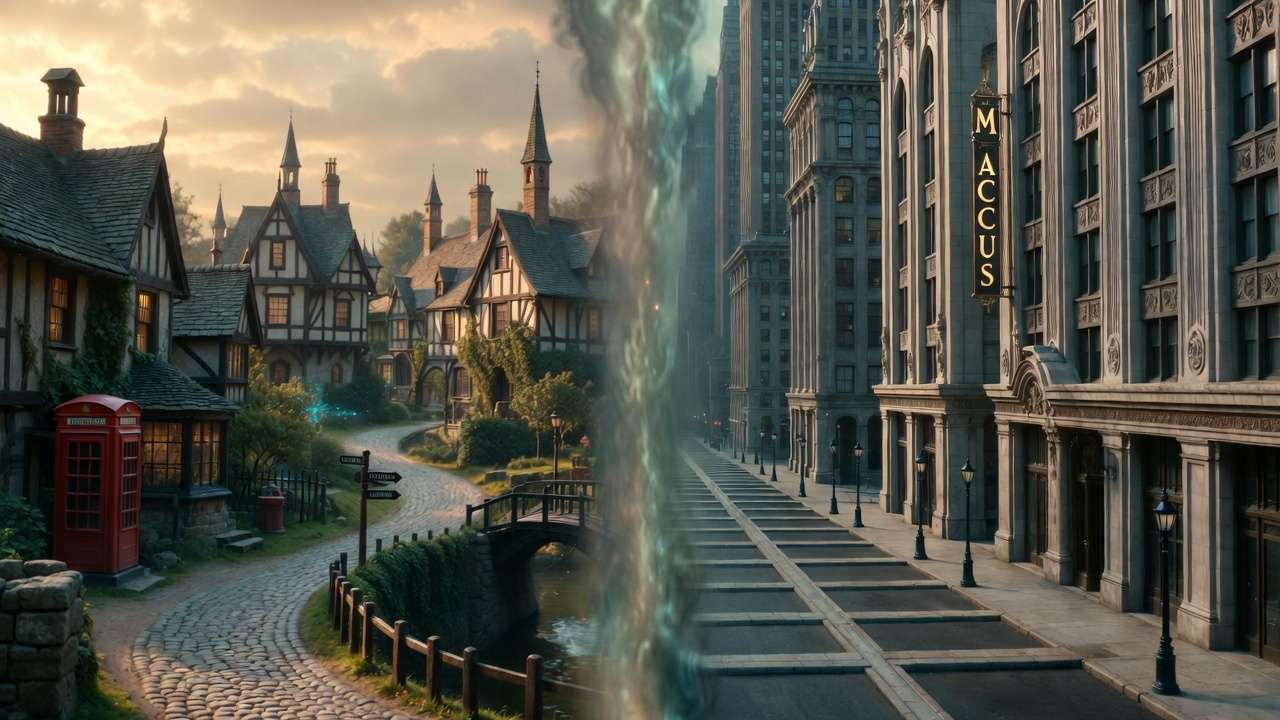
In the Harry Potter series and its extensions, non-magical people go by different names depending on region. In Britain and much of Europe, they’re Muggles—a quirky, slightly condescending term coined by Rowling herself. But in the United States, they’re called No-Majs (pronounced “no-madge”), short for “No Magic.” This linguistic choice reflects deeper historical, cultural, and societal divergences in the American wizarding community, particularly under the strict rules of MACUSA (Magical Congress of the United States of America).
As a dedicated explorer of Harry Potter lore—drawing from official Wizarding World writings (formerly Pottermore), the Fantastic Beasts films and screenplay, and J.K. Rowling’s direct contributions—this guide dives deep into the meaning, origins, implications, and ongoing debates surrounding “No-Maj.” Whether you’re puzzled by the term after watching the films, researching American wizarding history, or simply wanting to understand why Americans in the Wizarding World don’t say “Muggle,” this comprehensive article answers your questions with canon-backed insights, comparisons, and context. By the end, you’ll see how this single word enriches the global Wizarding World rather than detracts from it.
What Does “No-Maj” Actually Mean in Harry Potter?
At its core, No-Maj is the American wizarding slang for a non-magical person—exactly equivalent to the British “Muggle.” The term is a clever abbreviation of “No Magic,” stripped down to emphasize the absence of magical ability.
 Official Definition
According to canon sources like the Wizarding World website and Fantastic Beasts materials, No-Maj refers to any human born without the innate ability to perform magic. Plural forms vary: some use “No-Majs,” while others prefer “No-Majes” for grammatical flow. The pronunciation is straightforward—”no madge”—with the emphasis on the second syllable, making it sound clipped and pragmatic.
Comparison to “Muggle”
“Muggle” has a whimsical, almost playful origin. Rowling derived it from the English slang “mug” (meaning a gullible or foolish person), softened with an extra syllable to make it endearing yet subtly derogatory—implying non-magical folk are easily fooled or oblivious to the wonders around them. In contrast, “No-Maj” is blunt, literal, and descriptive. It leaves no room for interpretation: these people have no magic, period. This difference mirrors real-world linguistic variations—think “lift” vs. “elevator” or “flat” vs. “apartment”—but in the Wizarding World, it underscores cultural identity.
Pronunciation and Usage Notes
In dialogue, it’s used naturally by American characters. For example, in the Fantastic Beasts screenplay, Tina Goldstein exasperatedly explains to Newt Scamander: “The No-Maj! No Magic! The non-wizard!” This highlights how ingrained the term is in 1920s American wizarding speech, even when interacting with foreigners who use “Muggle.”
The Origin and History of “No-Maj” in the Wizarding World
The term didn’t appear out of nowhere—it’s rooted in the unique history of magic in North America.
Why Americans Don’t Use “Muggle”
Wizarding communities developed regional dialects and slang over centuries, much like real-world languages. When European wizards immigrated to the Americas starting in the 17th century, they brought “Muggle” with them. However, as the American wizarding society evolved separately—facing intense No-Maj suspicion from events like the Salem Witch Trials—it forged its own identity. “No-Maj” likely emerged as a practical, no-nonsense descriptor that aligned with American cultural tendencies toward directness.
 Ties to American Wizarding History
Magic in North America predates European arrival. Native American wizarding communities had their own traditions, often intertwined with spiritual practices, long before European No-Majs (and wizards) arrived. European settlers, including Scourers (anti-magic extremists who hunted witches), heightened tensions. The Scourers’ descendants played a key role in major breaches of secrecy.
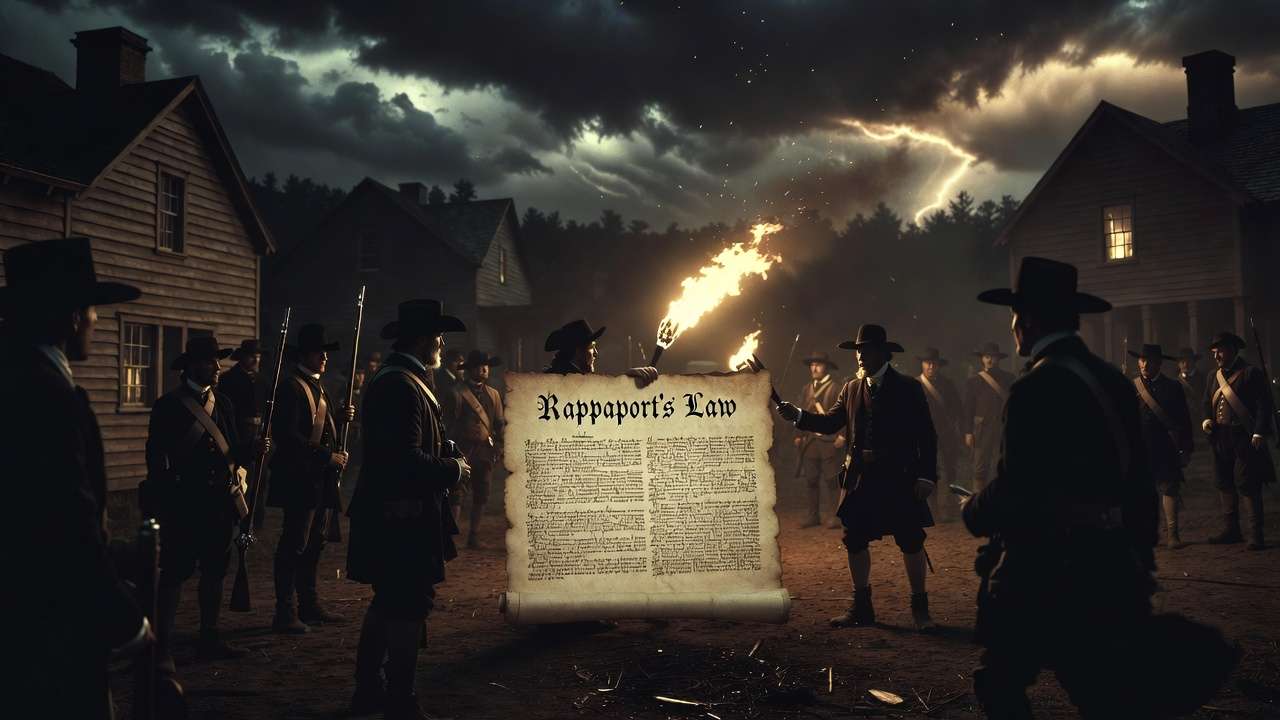
The pivotal moment came in 1790 with Rappaport’s Law, enacted by MACUSA President Emily Rappaport after a catastrophic incident involving Dorcus Twelvetrees (a witch) and Bartholomew Barebone (a No-Maj Scourer descendant). Dorcus’s loose lips exposed wizarding secrets, leading to attacks and near-disaster. Rappaport’s Law enforced absolute segregation: no friendships, no marriages, no unnecessary contact between wizards and No-Majs. Penalties were harsh, driving American wizards deeper underground than their European counterparts. This isolation reinforced distinct terminology like “No-Maj,” emphasizing separation rather than curiosity.
Evolution of the Term
By the 1920s (the Fantastic Beasts era), “No-Maj” was standard in American wizarding speech. It reflects pragmatism: blunt language for a society constantly vigilant about exposure. Unlike the more integrated British wizarding world under the International Statute of Secrecy, American wizards viewed No-Majs as a genuine threat, shaping everything from terminology to policy.
No-Maj in Fantastic Beasts and the Broader Canon
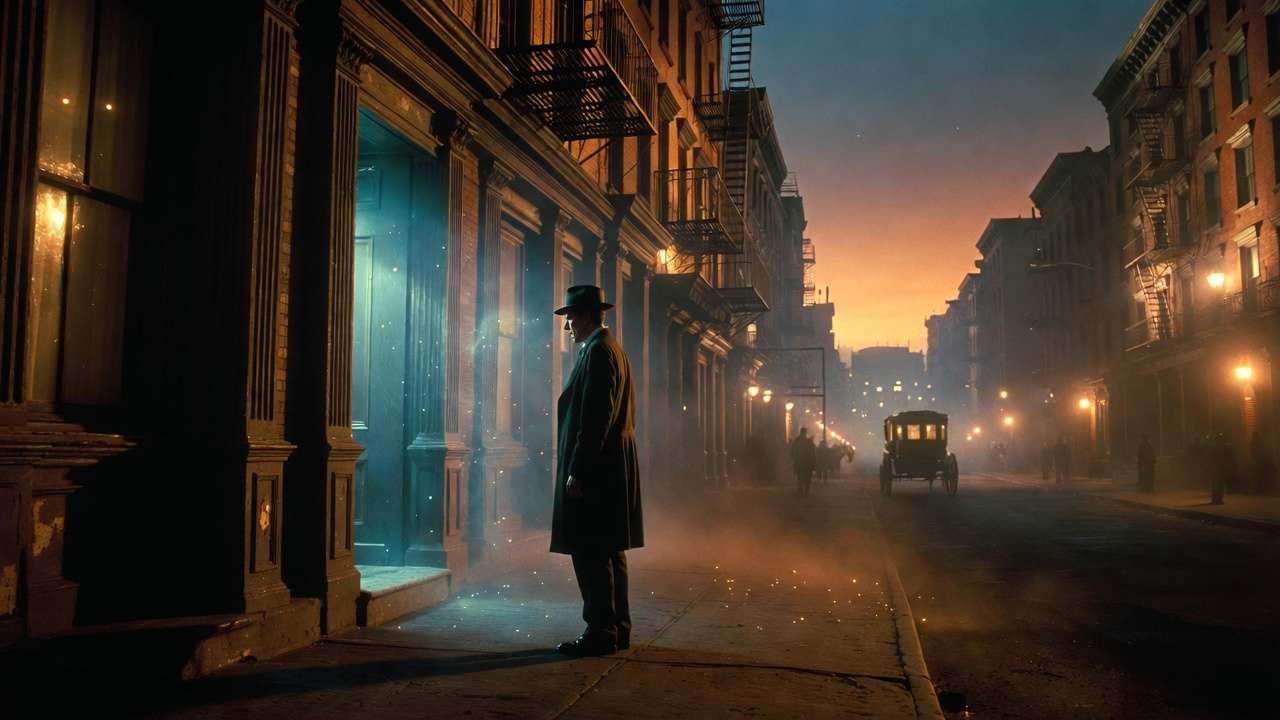
The term “No-Maj” truly enters the spotlight in the Fantastic Beasts film series, set in 1920s New York during the height of Rappaport’s Law enforcement. This era provides the richest examples of how the word functions in everyday American wizarding life.
Key Examples from Fantastic Beasts
The most prominent and beloved No-Maj in the entire Wizarding World is Jacob Kowalski. A kind-hearted, WWI veteran and aspiring baker, Jacob becomes Newt Scamander’s unlikely companion after accidentally entering Newt’s magical suitcase. Throughout the first film, Jacob is repeatedly referred to as a No-Maj—most memorably when Tina Goldstein urgently warns Newt about the consequences of letting a No-Maj keep his memories of magic. The American wizards’ fear of exposure is palpable: if Jacob retains his knowledge, he could trigger another catastrophic breach.
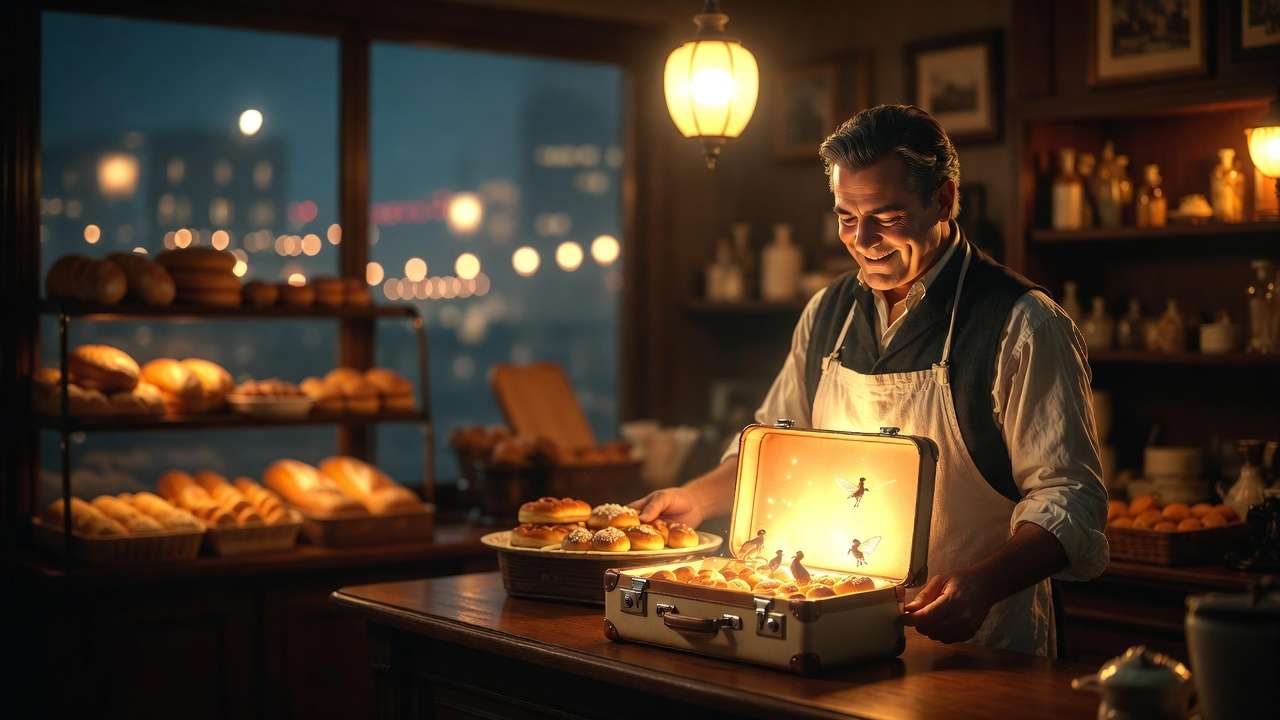 Jacob’s arc humanizes the term. He isn’t portrayed as gullible or inferior (the subtle implication sometimes carried by “Muggle”); instead, he’s brave, loyal, and deeply empathetic. His relationship with Queenie Goldstein pushes the boundaries of Rappaport’s Law, culminating in the heartbreaking moment when Queenie is forced to Obliviate him to protect both their worlds. This emotional weight shows that “No-Maj” isn’t just a label—it’s a legal and cultural barrier with real human consequences.
Another critical storyline involves Dorcus Twelvetrees and Bartholomew Barebone. Dorcus, a naive young witch, falls in love with Bartholomew, a No-Maj and descendant of Scourers. She reveals magical secrets to him, leading to widespread exposure and violence. This 1920s incident directly inspired Rappaport’s Law decades earlier, but its echoes linger in the 1926 setting of the films. The term “No-Maj” appears repeatedly in MACUSA hearings and discussions, underscoring how seriously the American wizarding government treats any contact.
No-Maj in Other Harry Potter Media
Beyond the films, “No-Maj” appears in official Wizarding World writings, particularly the “History of Magic in North America” series published on Pottermore/WizardingWorld.com. These short essays detail Ilvermorny School of Witchcraft and Wizardry, MACUSA’s formation, and the unique pressures faced by American wizards. No-Maj-born witches and wizards (the American equivalent of Muggle-borns) faced additional challenges under Rappaport’s Law: they were often separated from their non-magical families or had memories modified to maintain secrecy.
In contrast to Britain—where Muggle-borns like Hermione Granger are celebrated and integrated—American No-Maj-borns sometimes lived double lives or endured stricter Obliviation protocols. This cultural difference adds layers to character backstories and explains why American wizards in the modern era (post-1965 repeal of Rappaport’s Law) might still use “No-Maj” out of habit.
No-Maj–Born Witches and Wizards
The existence of No-Maj-borns raises fascinating questions. Magic is hereditary but can appear spontaneously in non-magical families (as with Hermione). Under Rappaport’s Law, discovering a magical child in a No-Maj household posed logistical nightmares. MACUSA representatives would discreetly approach the family, explain the situation, and often encourage relocation to wizarding communities—sometimes with memory charms applied to No-Maj parents who resisted. This practice stands in stark contrast to Hogwarts’ open acceptance policy.
No-Maj vs. Muggle – Key Differences and Cultural Implications
The choice of “No-Maj” over “Muggle” is more than semantics; it reveals fundamental differences in worldview.
Linguistic and Cultural Contrast
“Muggle” carries a hint of superiority mixed with amusement. It suggests non-magical people are slightly ridiculous or oblivious, which aligns with the relatively relaxed (though still secretive) British wizarding attitude toward Muggles. British wizards have lived alongside Muggles for centuries under the Statute of Secrecy without the same level of paranoia.
“No-Maj,” by comparison, is starkly neutral and functional. It states a fact without embellishment or mockery. This linguistic choice mirrors broader American cultural traits: directness, pragmatism, and a historical wariness of outsiders (shaped by frontier life, immigration waves, and real-world events like the Salem trials).
Impact on Wizard–No-Maj Relations
Rappaport’s Law created an almost apartheid-like separation in the U.S., far stricter than the British version of the Statute of Secrecy. Friendships were forbidden, romantic relationships criminalized, and even casual conversations risky. The term “No-Maj” reinforced this divide linguistically—reducing people to their lack of magic rather than giving them a nickname that could humanize or belittle them in equal measure.
After Rappaport’s Law was quietly repealed in 1965 (following growing civil rights movements and changing attitudes), American wizards slowly began reintegrating with No-Maj society. Yet the term persisted, much like certain outdated slang lingers in real-world dialects.
Fan Reactions and Debates
When “No-Maj” was first announced in 2015 alongside Fantastic Beasts details, the reaction was polarized. Many international fans called it “cringeworthy,” “unnecessary,” or “Americanization gone wrong.” Memes flooded forums joking about “No-Maj” sounding like a rejected brand of margarine.
Over time, opinions softened. Many now appreciate how the term adds realism and depth. It shows that the Wizarding World isn’t monolithic—different cultures develop different slang, customs, and laws. Today, “No-Maj” is widely accepted as canon and even celebrated by American Potter fans who enjoy seeing their regional identity reflected in the lore.
Famous No-Majs in the Harry Potter Universe
While the Wizarding World is primarily defined by its magical inhabitants, several non-magical characters play pivotal roles—especially in the American branch of the story. Here are the most significant No-Majs and what their stories reveal about the term and its implications.
Jacob Kowalski
Without question, Jacob is the definitive No-Maj icon. A Polish-American baker from Queens, he represents the best of non-magical humanity: warmth, resilience, humor, and an open heart. His friendship with Newt Scamander and romance with Queenie Goldstein serve as the emotional core of the first two Fantastic Beasts films. Jacob’s repeated exposure to magic—despite the rules—forces American wizards to confront their own prejudices and fears. His eventual (and temporary) Obliviation at the end of the first film is one of the most heartbreaking moments in the franchise, highlighting how Rappaport’s Law dehumanized both sides of the divide. Jacob’s arc proves that “No-Maj” does not mean incapable of wonder or loyalty.
 The Barebone Family
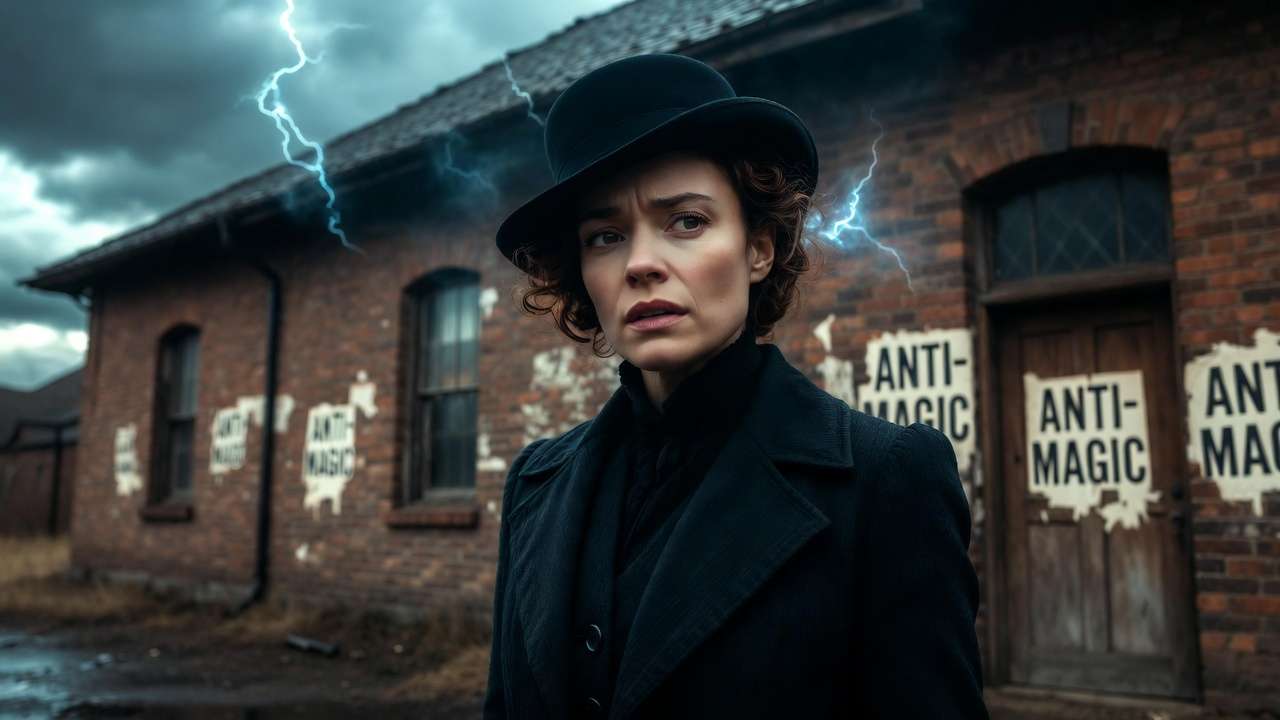
The Barebones are the dark mirror to Jacob. Descended from the original Scourers (fanatical witch-hunters), Mary Lou Barebone runs the New Salem Philanthropic Society, an anti-magic organization that spreads fear and propaganda against witches and wizards. Her adopted children—Credence, Modesty, Chastity, and the late Corvus—are tragically caught in the crossfire. Mary Lou’s zealous hatred of anything magical makes her the embodiment of the worst No-Maj attitudes that drove American wizards to adopt such strict segregation policies. The Barebones illustrate why “No-Maj” carried a defensive connotation for MACUSA officials.
Other Notable No-Majs
- Henry Shaw Sr. and Henry Shaw Jr. — A powerful U.S. senator and his son whose political influence nearly exposes the wizarding world after an Obscurial attack in 1926.
- Langdon Shaw — The younger, more skeptical Shaw brother who witnesses magic firsthand and becomes an uneasy ally.
For comparison, in the British-centric stories we see figures like Frank Bryce (the Riddles’ gardener in Goblet of Fire) or the Dursleys. These Muggles tend to be background characters or comic relief, whereas American No-Majs often drive major plot conflicts due to the heightened stakes of secrecy.
Expert Insights and Lesser-Known Facts
Drawing from J.K. Rowling’s writings and official Wizarding World content:
- Why “No-Maj” fits American wizarding pragmatism — American wizards historically faced more direct, violent opposition (Salem trials, Scourers, frontier dangers) than their European counterparts. A blunt, unambiguous term like “No-Maj” suited a society that needed clear linguistic boundaries to reinforce vigilance.
- International terms for non-magical people — France uses “Non-Magiques” or “Moldus,” Germany uses “Nicht-Magier” or “Muggel,” and Brazil uses “Trouxas.” “No-Maj” is one of the few non-Latin-derived terms, emphasizing America’s linguistic independence.
- Post-1965 usage — After Rappaport’s Law was repealed, younger American wizards began mixing “Muggle” and “No-Maj” depending on context or company. Some purists still prefer “No-Maj” as a badge of cultural heritage.
- Trivia — The term was never used in the original seven Harry Potter books because the story stayed almost entirely in Britain and Europe. It only became necessary when the narrative expanded to America.
 FAQs About No-Maj in Harry Potter
Can a No-Maj become magical? No. Magical ability is innate and present from birth (though it may manifest later). A No-Maj cannot gain magic through any known means.
Is “No-Maj” considered offensive? In-universe, it’s neutral—simply descriptive. Out-of-universe, some fans initially found it awkward or forced, but it’s now generally accepted as legitimate regional slang.
Do modern American wizards (post-1965) still use “No-Maj”? Yes, though usage has softened. Many younger wizards use both terms interchangeably, especially when speaking with international witches and wizards.
What’s the difference between a No-Maj and a Squib? A No-Maj is born to non-magical parents with no magical ability at all. A Squib is born to magical parents but lacks magic themselves.
Why didn’t J.K. Rowling just use “Muggle” everywhere? Rowling has explained that different cultures develop their own slang. Uniform terminology would have made the Wizarding World feel less lived-in and global.
Is “No-Maj” pronounced “no-madge” or “no-may”? It’s officially “no-madge” (rhymes with “dodge”). The “j” is soft, as in the French “je.”
“No Maj Harry Potter” may have started as a minor point of confusion—or even contention—for fans, but it has grown into one of the more fascinating details of the Wizarding World’s expansion. Far from being a throwaway Americanism, “No-Maj” opens a window into centuries of unique history, cultural divergence, fear, resilience, and gradual reconciliation.
It reminds us that J.K. Rowling’s universe is not a monolith. Just as real-world societies develop distinct languages, laws, and attitudes, so too do wizarding communities across continents. The term enriches rather than dilutes the lore, giving American characters and settings their own authentic flavor.
Whether you’re Team Muggle, Team No-Maj, or simply love exploring every corner of canon, understanding this small but meaningful difference deepens appreciation for the entire series.
What do you think—does “No-Maj” work for you, or do you prefer the universal charm of “Muggle”? Drop your thoughts in the comments below, and be sure to check out our other deep dives into American wizarding history, Ilvermorny houses, MACUSA’s structure, and more right here on the blog.