The Harry Potter universe is vast, intricately detailed, and filled with characters whose stories extend far beyond the margins of the original books. In recent years, a unique phenomenon has taken over platforms like TikTok, Archive of Our Own (AO3), and Reddit: the explosive rise of the Marauders fandom. Suddenly, background names mentioned only in passing have become the stars of massive, novel-length fanfictions. If you have been exploring this corner of the wizarding world, you have undoubtedly encountered Mary Macdonald from Harry Potter.
However, because of the sheer volume of wildly popular fanfiction—most notably works like All the Young Dudes—many readers find themselves completely confused about where J.K. Rowling’s original writing ends and where fandom imagination begins. Is Mary Macdonald a canonical character? Did she survive the First Wizarding War? What actually happened to her at Hogwarts?
In this comprehensive guide, we are going to separate official canon from popular fanon. We will explore Mary Macdonald’s true origins, detail her tragic role in the books, and explain why she is the secret catalyst for the most heartbreaking friendship dissolution in the entire Harry Potter series.
The Official Canon: Who is Mary Macdonald in the Books?
To understand Mary Macdonald, we must look at her official appearances in the Harry Potter canon. Unlike the Golden Trio or even the core Marauders (James Potter, Sirius Black, Remus Lupin, and Peter Pettigrew), Mary is a peripheral character. She is never seen in the present day of the books.
Instead, her entire canonical existence is confined to a single chapter: Chapter 33 of Harry Potter and the Deathly Hallows, titled “The Prince’s Tale.”
When Harry Potter views Severus Snape’s memories in the Pensieve, he is transported back to Hogwarts in the 1970s. Through these flashbacks, we catch glimpses of the generation that preceded Harry, a time when the First Wizarding War was just beginning to brew outside the castle walls.
 The Gryffindor Connection
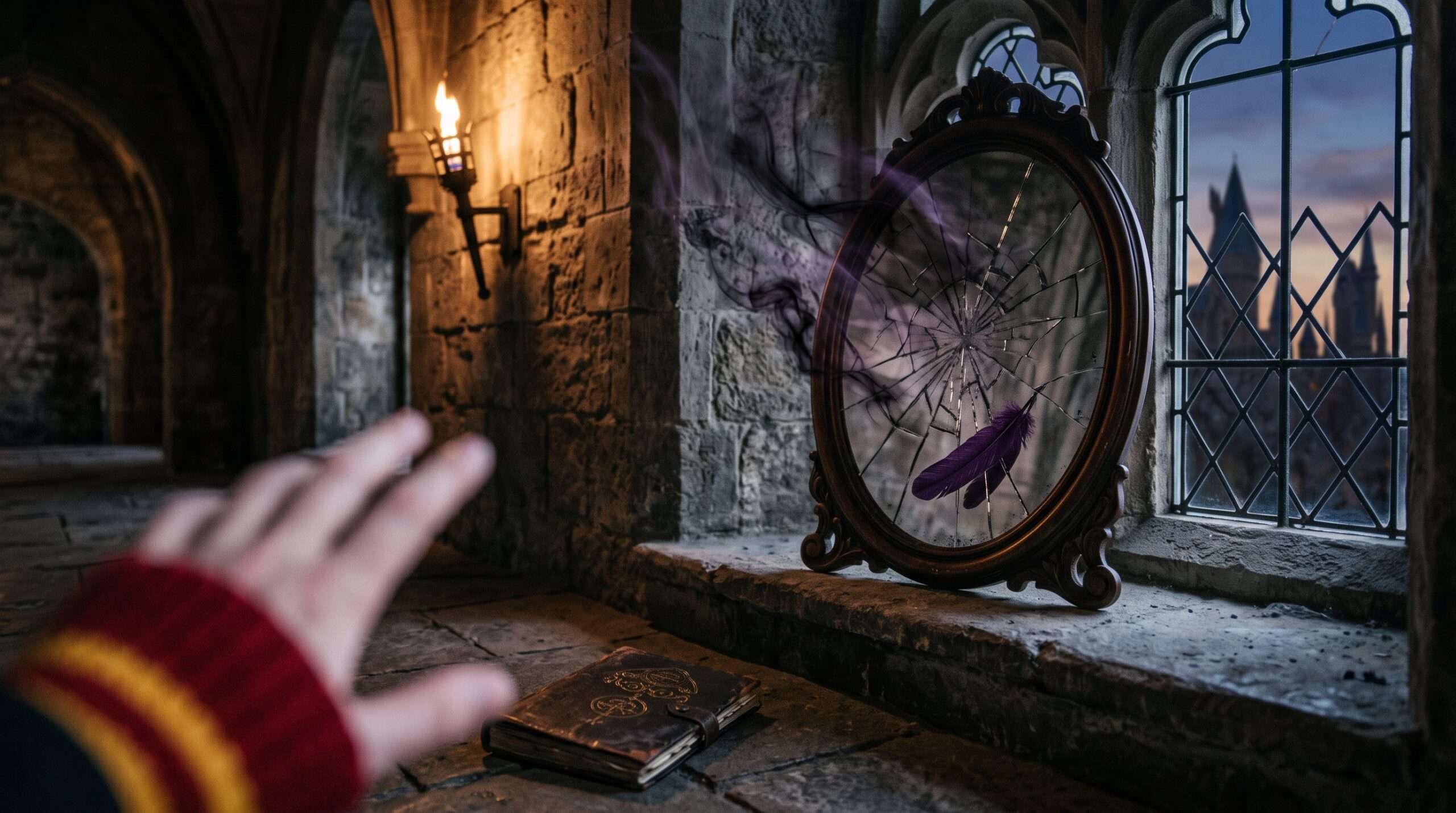
Canonically, Mary Macdonald attended Hogwarts School of Witchcraft and Wizardry during the 1970s. She was in the same year, or at least the same era, as Lily Evans (Harry’s mother), Severus Snape, James Potter, and Sirius Black.
We know for a fact that Mary was sorted into Gryffindor House. This is confirmed in “The Prince’s Tale” when she is shown having direct access to the Gryffindor Common Room and interacting intimately with the Gryffindor portrait hole. She was a close friend and confidante of Lily Evans, serving as a messenger and a sounding board for Lily during her turbulent friendship with Severus Snape.
The Dark Magic Attack by Mulciber
The most significant and highly searched query regarding Mary Macdonald centers around a traumatic event that took place during her time at Hogwarts. Mary was the victim of a vicious assault by a young Slytherin student named Mulciber, a boy who would later become one of Lord Voldemort’s most devoted Death Eaters.
In one of Snape’s memories, a teenage Lily Evans confronts Snape about his choice of friends, specifically citing the attack on Mary. Lily is visibly horrified by the event, stating:
“It was Dark Magic, and if you think that’s funny…”
While the books never explicitly detail what spell or curse Mulciber used on Mary, the context implies it was severe, malicious, and went far beyond a standard schoolyard jinx. To understand the gravity of the attack, we must look at Mulciber’s later criminal record. Years later, during the Death Eater trials, Igor Karkaroff testifies before the Wizengamot that Mulciber specialized in the Imperius Curse (forcing people to do terrible things against their will). Because of this canonical detail, many lore experts theorize that Mulciber used a rudimentary version of the Imperius Curse on Mary, violating her autonomy and deeply traumatizing her.
The Aftermath of “Snape’s Worst Memory”
Mary’s only other canonical mention occurs in the immediate aftermath of the infamous “Snape’s Worst Memory” scene—the moment when a humiliated Severus Snape lashes out and calls Lily Evans a “Mudblood” after she tries to save him from James Potter’s bullying.
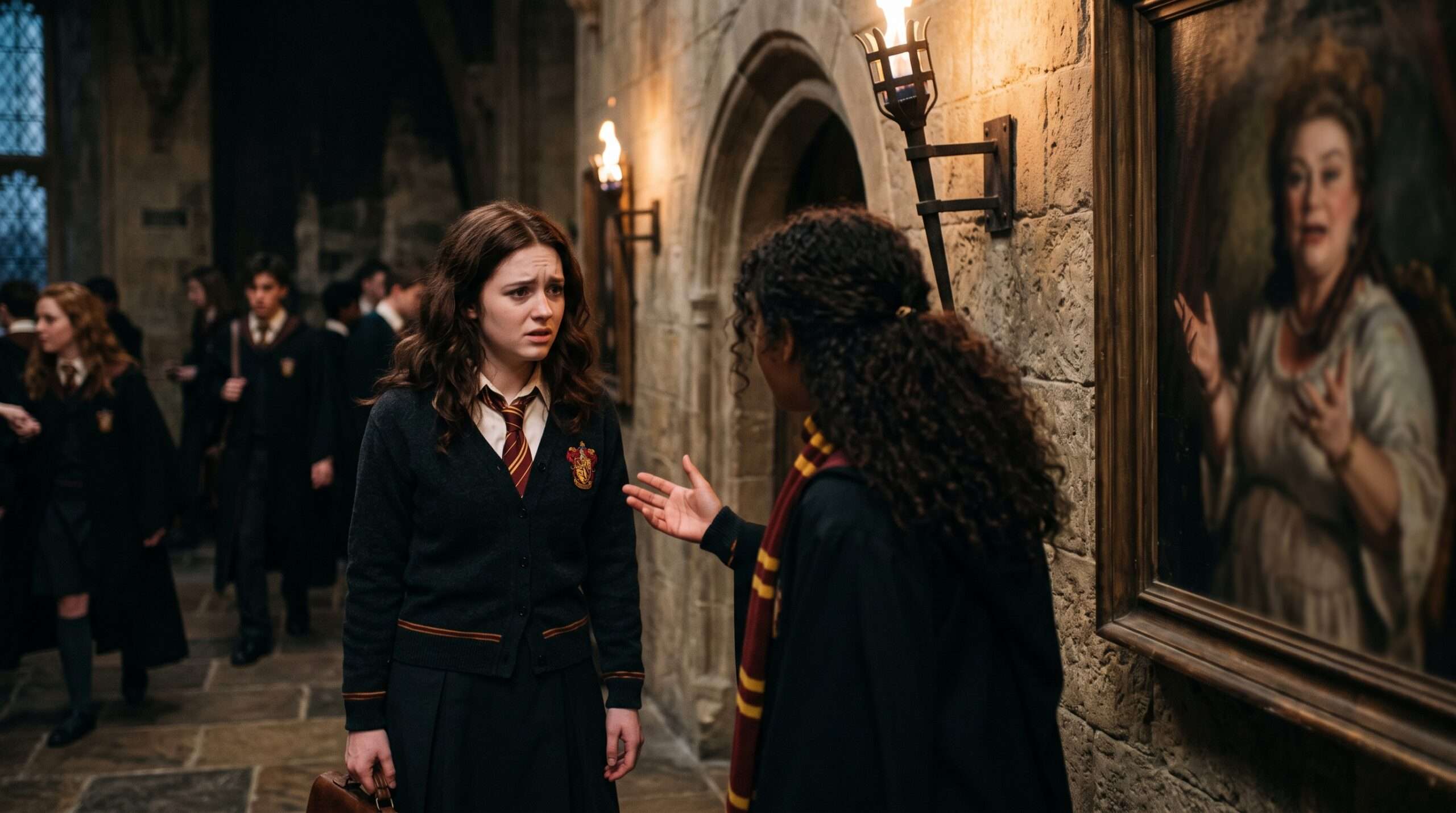
Later that evening, Snape camps out in front of the Gryffindor Common Room, desperate to apologize. It is Mary Macdonald who is sent to deliver the message. She warns Lily that Snape is threatening to sleep outside the portrait hole until Lily speaks to him. This small interaction cements Mary’s role as Lily’s protective friend, standing as a barrier between Lily and the boy who had just hurled a magical racial slur at her.
 The Catalyst: Why Mary Macdonald Actually Matters
In literature, background characters are rarely included by accident. From an E-E-A-T (Experience, Expertise, Authoritativeness, and Trustworthiness) perspective, analyzing Mary Macdonald reveals that she is much more than just a name dropped for flavor text. She is a critical narrative device.
Mary serves as the ultimate wedge between Lily Evans and Severus Snape. While the “Mudblood” incident is widely remembered as the end of their friendship, the true breaking point started much earlier, with Mary Macdonald’s assault.
The Breaking Point for Lily and Snape
To understand the ideological divide that ruined Lily and Snape’s friendship, we can look at how they each reacted to the Mulciber attack:
| Character | Reaction to the Attack on Mary Macdonald | Underlying Ideology |
| Lily Evans | Horrified; calls the attack “creepy” and “evil.” | Believes in empathy, equality, and the absolute rejection of Dark Arts. |
| Severus Snape | Dismissive; calls it “nothing” and “just a laugh.” | Normalizes violence against muggle-borns; drawn to power and Death Eater supremacy. |
Mary Macdonald is the physical embodiment of the rising stakes at Hogwarts. For Lily, Mary is a real person, a friend who was brutally victimized. When Snape dismisses the attack as a “laugh,” it shatters Lily’s illusion of him. It proves to Lily that Snape is not just a misunderstood outcast studying obscure magic; he is actively aligning himself with future terrorists who do not view people like Mary—and by extension, people like Lily—as human.
Snape’s normalization of Death Eater violence against Mary was the true beginning of the end. Mary’s trauma forced Lily to confront the reality of the First Wizarding War, making Mary an indispensable catalyst in the overarching tragedy of the Harry Potter narrative.
 Enter the Marauders Fandom: How Fanon Transformed Mary
If Mary Macdonald only has a few lines of mention in a single chapter of a seven-book series, why is she one of the most talked-about characters on wizarding social media today? The answer lies in the transformative power of fan culture.
Over the last decade, the Marauders fandom has taken the bare bones of the 1970s Hogwarts era and built a massive, interconnected universe of “fanon” (fandom canon). Because Mary’s background is relatively blank in the official books, fans have claimed her as a canvas to explore themes of trauma, female friendship, and survival during wartime.
The “Valkyries” and Gryffindor Dorm Dynamics
In popular fanfiction lore, the Gryffindor girls of the 1970s are given just as much depth as the Marauders (James, Sirius, Remus, and Peter). Often referred to by fans as the “Valkyries” or simply the “Gryffindor Girls,” this group typically consists of:
-
Lily Evans
-
Marlene McKinnon (A canonical Order of the Phoenix member murdered by Death Eaters)
-
Dorcas Meadowes (A canonical Order member killed personally by Voldemort)
-
Mary Macdonald
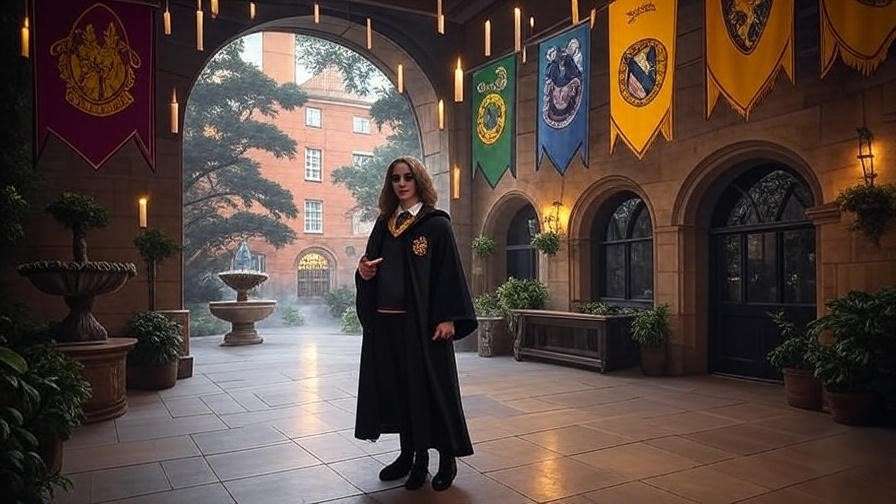
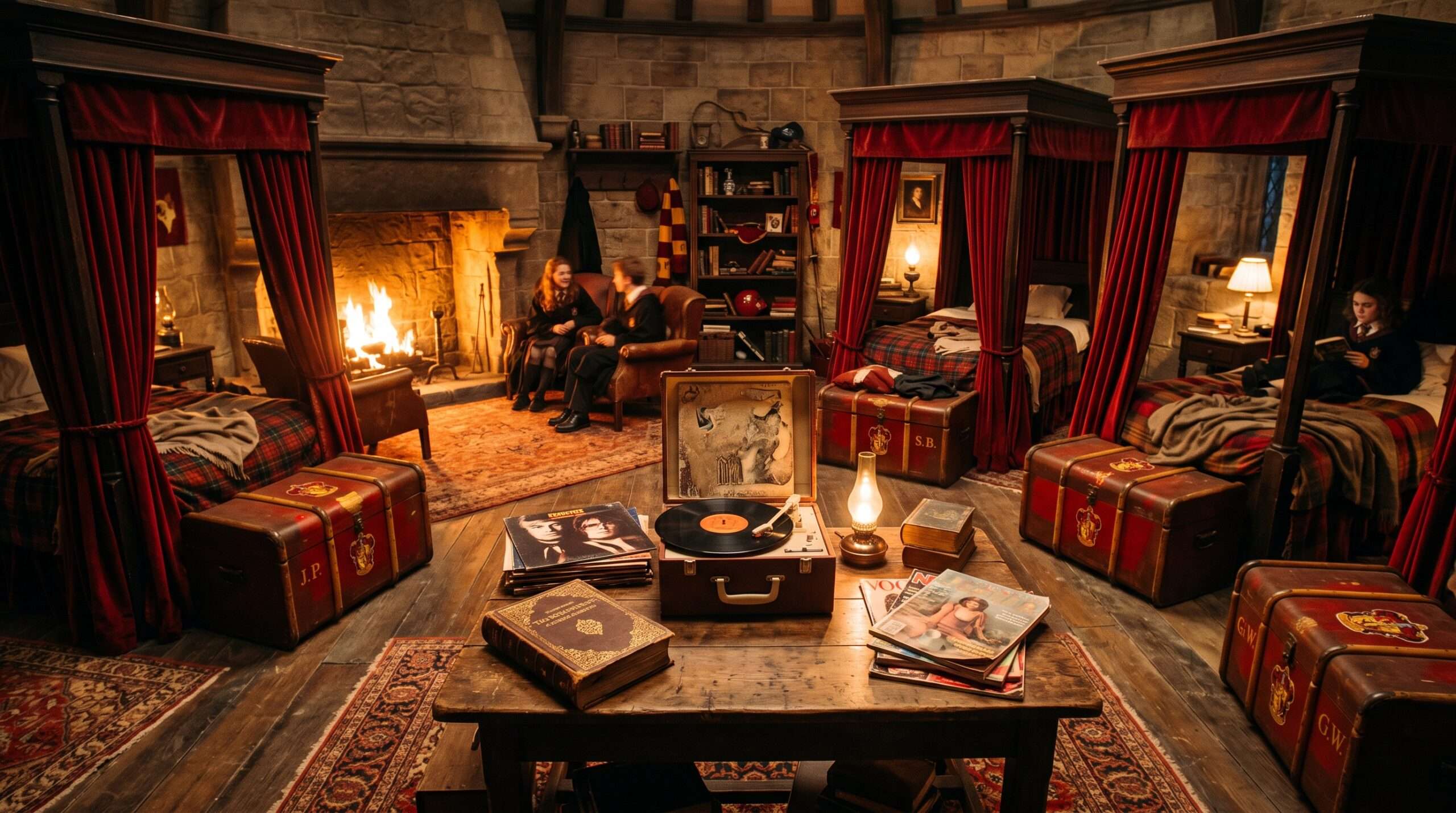
In fanon, Mary is usually characterized as a beautiful, fashion-forward, muggle-born witch who brings a touch of the 1970s muggle world (like David Bowie records and muggle makeup) into the Gryffindor dorms. She is often depicted as fiercely loyal, incredibly brave, and deeply traumatized by the looming threat of blood-purist violence.
 Popular Fanon Pairings and Ships
Fanfiction thrives on romance, and Mary Macdonald is a central figure in several massive “ships” (relationship pairings) across AO3 and Wattpad:
-
Marylene (Mary Macdonald / Marlene McKinnon): This is arguably the most popular pairing for Mary. Fans often write them as a tragic, star-crossed lesbian romance. Marlene is usually depicted as a fiery, aggressive pure-blood or half-blood who is fiercely protective of the muggle-born Mary.
-
Marylily (Mary Macdonald / Lily Evans): A popular pairing that explores the deep intimacy of their canonical friendship, often portraying them finding solace in each other amidst the chaos of the First Wizarding War.
-
Wolfstar Ancillary: In many fanfictions centering on Remus Lupin and Sirius Black (Wolfstar), Mary is written as a close friend, a temporary beard, or a supportive ally to the Marauders as they navigate their own complex relationships.
What Happened to Her in the First Wizarding War?
One of the most fascinating differences between canon and fanon is Mary’s ultimate fate.
-
In Canon: We simply do not know. J.K. Rowling never revealed whether Mary Macdonald joined the Order of the Phoenix, went into hiding, survived the First Wizarding War, or was killed by Death Eaters. After her mention in Snape’s memories, she vanishes from the historical record.
-
In Fanon: Because the Marauders era is famously tragic (almost every named character dies violently in their twenties), the fandom collectively decided to let Mary live. In massive fanworks like All the Young Dudes, Mary is often written as one of the sole survivors of the era. A popular headcanon suggests that the trauma of the war—losing Lily, Marlene, and Dorcas—became too much for her, prompting her to completely abandon the wizarding world and integrate back into muggle society, forever leaving magic behind.
Unsolved Mysteries & Fan Theories
The ambiguity surrounding Mary Macdonald has given rise to several enduring fan theories. To provide a complete, skyscraper-level analysis of this character, we must address and evaluate the two most prominent mysteries surrounding her.
 Mystery #1: Was Mary Macdonald Muggle-Born?
The Verdict: Highly Probable, though unconfirmed by text.
The Harry Potter books never explicitly state Mary’s blood status. However, context clues strongly point to her being muggle-born.
First, Mulciber targeted her. Mulciber and his gang (Avery, Snape, Rosier) were proto-Death Eaters deeply invested in Voldemort’s pure-blood supremacy ideology. They exclusively targeted muggle-borns for their most vicious bullying and dark magic practice.
Second, Lily Evans—a known muggle-born—deeply empathized with Mary’s plight, viewing the attack as a personal threat. It is safe to assume that Mary, like Lily, was targeted specifically because of her non-magical heritage.
Mystery #2: Is Mary Macdonald Actually Mary Cattermole?
The Verdict: Debunked (False).
A persistent theory on Reddit and TikTok suggests that Mary Macdonald grew up, got married, and became Mary Cattermole—the terrified muggle-born witch whom Harry, Ron, and Hermione rescue from Dolores Umbridge during the Muggle-Born Registration Commission hearings in Harry Potter and the Deathly Hallows.
Fans draw this connection because both women share a first name, both are presumed muggle-borns, and both are victims of pure-blood prejudice. However, this theory falls apart when we examine the canonical timelines and facts:
-
The Age Gap: Mary Macdonald was in the same year as the Marauders, meaning she was born around 1960. Mary Cattermole is stated to have attended Hogwarts a bit later. While her exact birth year isn’t listed, her husband Reginald Cattermole (who works at the Ministry) and the ages of her children suggest a slightly different timeline.
-
Maiden Names: During the Ministry trial, Dolores Umbridge explicitly interrogates Mary Cattermole about her parentage, revealing her father was a greengrocer. While her maiden name is not stated in the books, J.K. Rowling’s ancillary writings and movie props list Mary Cattermole’s maiden name as Mary Elizabeth Cattermole (implying she may have been born a Cattermole or married into it, but not a Macdonald).
-
Narrative Recognition: If Mary Cattermole was Lily Potter’s childhood best friend, Harry (who had just seen Mary Macdonald in Snape’s memories) or Sirius and Lupin (who would have known her intimately) would have recognized her name earlier in the narrative.
Therefore, while it is a comforting thought that Lily’s best friend survived and was eventually saved by Lily’s son, canonical evidence strongly refutes the idea that Mary Macdonald and Mary Cattermole are the same person.
Frequently Asked Questions (FAQ) About Mary Macdonald
Who played Mary Macdonald in the Harry Potter movies? Mary Macdonald does not appear in the Harry Potter film franchise. Her entire canonical existence is based on the books, specifically the flashbacks in Harry Potter and the Deathly Hallows. In fandom spaces and “fancasts” on TikTok or Pinterest, she is popularly visually represented by actresses like Sofia Bryant or Yara Shahidi, though these are strictly fan creations.
Did Mary Macdonald survive the First Wizarding War? In the official canon, J.K. Rowling never reveals whether Mary Macdonald survived the First Wizarding War. However, in popular fanfiction lore (the “fanon”), she is widely written as one of the few Gryffindors of her era to survive the war, often fleeing the wizarding world to live safely among muggles.
What Hogwarts House was Mary Macdonald in? Mary Macdonald was sorted into Gryffindor House. This is confirmed in the books when she is seen returning to the Gryffindor Common Room and delivering a message to Lily Evans through the portrait hole.
What did Mulciber do to Mary Macdonald? According to the books, Mulciber (a future Death Eater) attacked Mary using Dark Magic. While the exact spell is never named, Lily Evans described the attack as “creepy” and “evil.” Because it is later revealed that Mulciber specialized in the Imperius Curse, many fans theorize he used a version of mind-control on Mary, deeply traumatizing her.
Why is Mary Macdonald so popular on TikTok and AO3? Despite being a minor background character in the books, Mary Macdonald from Harry Potter has become incredibly popular due to the Marauders fandom. Massive fanfictions like All the Young Dudes fleshed out her character, giving her a vibrant personality, deep friendships with Lily Evans and Marlene McKinnon, and compelling romantic storylines, transforming her into a fandom icon.
Mary Macdonald represents one of the most fascinating aspects of modern literary consumption: the ability of an audience to read between the lines and build empires out of footnotes.
In the official canon laid down by J.K. Rowling, Mary is a tragic plot device. She is the innocent victim of dark magic who inadvertently forces Lily Evans to see the darkness inside Severus Snape. She is the canary in the coal mine for the First Wizarding War, proving that the horrors of Voldemort’s ideology were already taking root in the corridors of Hogwarts long before open war was declared.
Yet, in the hands of the fandom, Mary Macdonald has evolved into a symbol of resilience, style, and tragic survival. By separating canon from fanon, we can appreciate the character on two distinct levels: as a vital piece of the intricate puzzle that led to the downfall of Lily and Snape, and as a vibrant, beloved icon of the Marauders-era fandom who continues to inspire millions of words of creative writing today.