The eerie silence of the Riddle House is suddenly shattered by the sweeping, commanding brass of a live symphony orchestra. If you have ever wanted to experience the magic of the wizarding world in its most visceral, breathtaking form, attending Harry Potter and the Goblet of Fire in Concert is an absolute must.
As tickets for this premium, cinematic event continue to sell out globally, understanding exactly what you are walking into can mean the difference between a standard evening out and an unforgettable, flawless experience. Having covered the intricacies of the Film Concert Series and the broader live entertainment landscape for years, this definitive guide is designed to help you navigate the Triwizard Tournament like never before.
From decoding the best seating strategies for optimal acoustics to understanding the unspoken venue dress codes and intermission logistics, this is your complete, skyscraper-level resource. Here is everything you need to know before you take your seat.
What is the “Harry Potter and the Goblet of Fire in Concert” Experience?
For newcomers to the live-to-picture format, the concept can sometimes be confusing. Are you watching a movie? Are you attending a traditional symphony? The answer is a brilliant fusion of both.
How the Film Concert Series Works
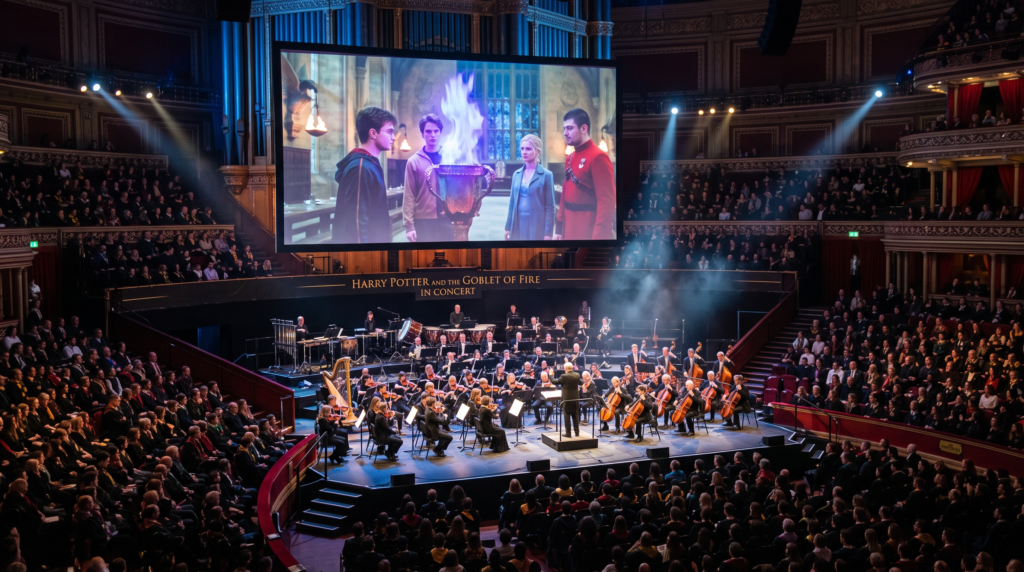
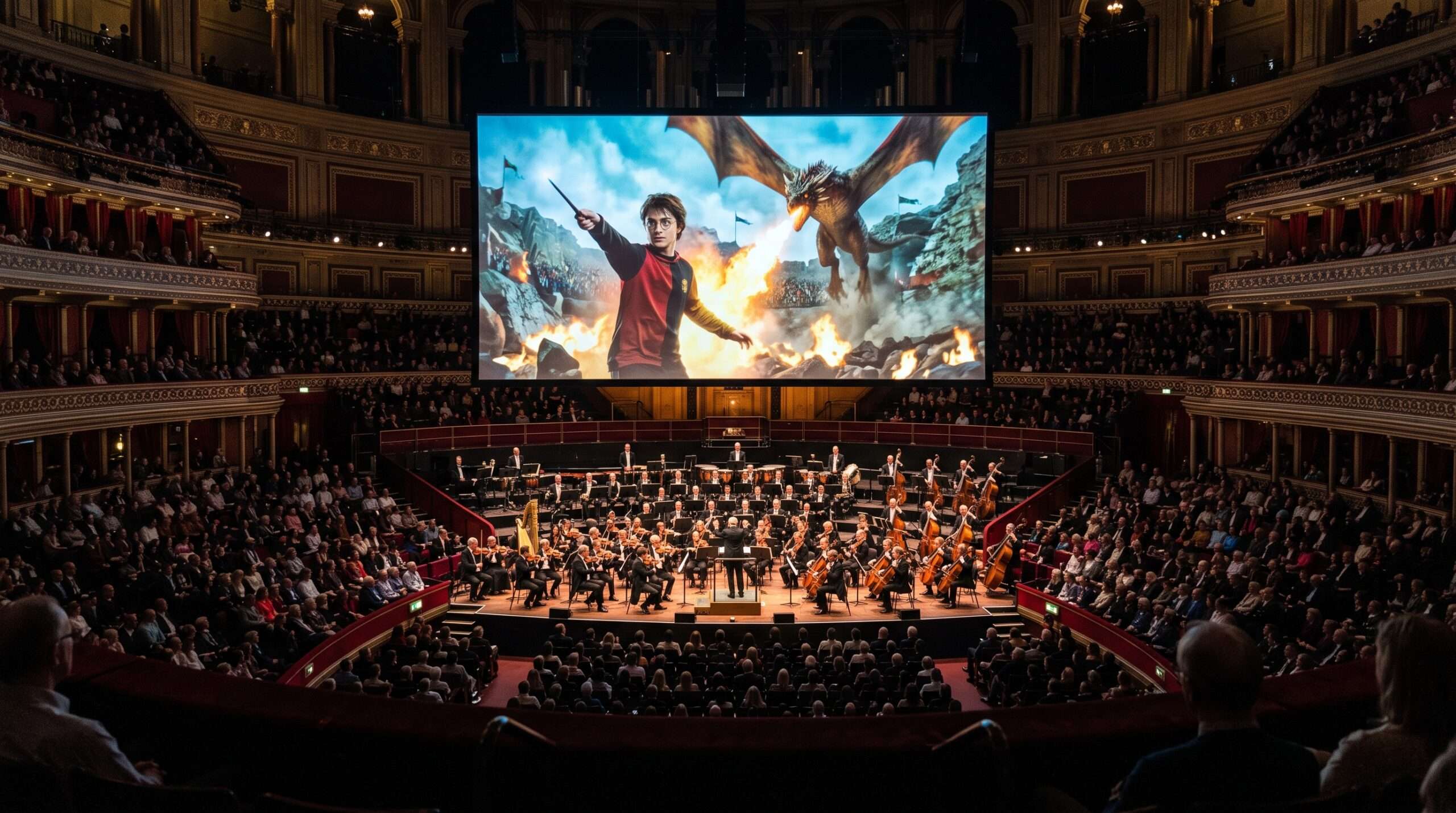
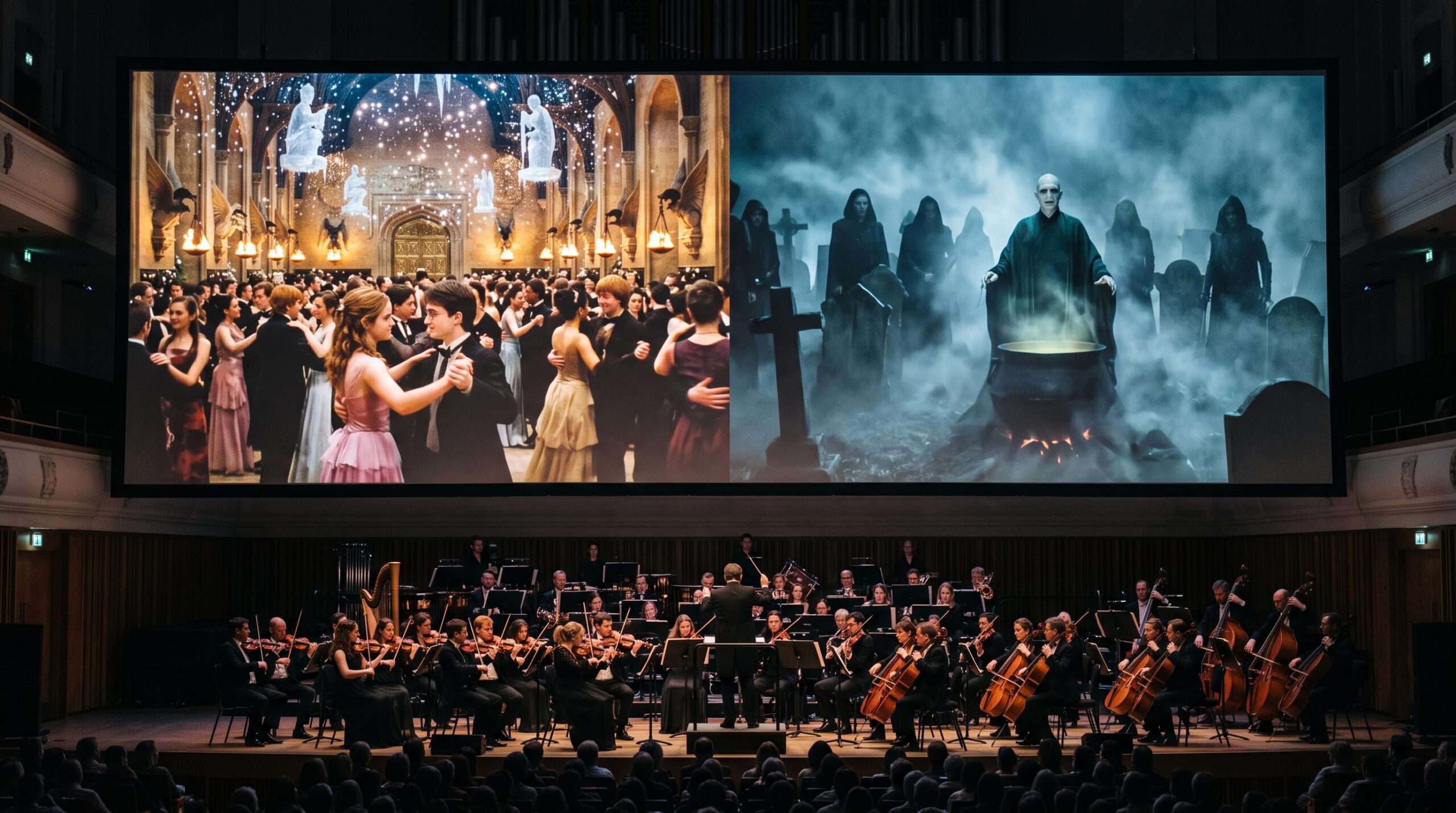
Produced by CineConcerts in partnership with Warner Bros. Discovery, the format is a masterclass in multimedia entertainment. The full, high-definition theatrical cut of the fourth film is projected onto a massive, 40-foot screen suspended above the stage.
The film’s original dialogue and sound effects (the roar of the Hungarian Horntail, the splash of the Black Lake) remain completely intact. However, the original musical track is stripped away. In its place, a world-class, local symphony orchestra sits directly beneath the screen, performing every single note of the movie’s score live, perfectly synchronized to the cinematic action occurring overhead. It is a monumental feat of timing, conducted by a maestro who uses a specialized click-track monitor to ensure the live musicians never fall a fraction of a second behind the film.
 The Magic of Patrick Doyle’s Score
Expert Insight: One of the most compelling reasons to attend this specific installment is the musical shift. The Goblet of Fire marks the departure of legendary composer John Williams, handing the baton to Scottish composer Patrick Doyle.
Doyle’s composition introduces a noticeably darker, more mature, and highly romantic tone that translates magnificently to a live orchestral setting. Hearing the traditional “Hedwig’s Theme” slowly morph into Doyle’s grand, ominous brass arrangements signifies the overarching tonal shift of the entire franchise.
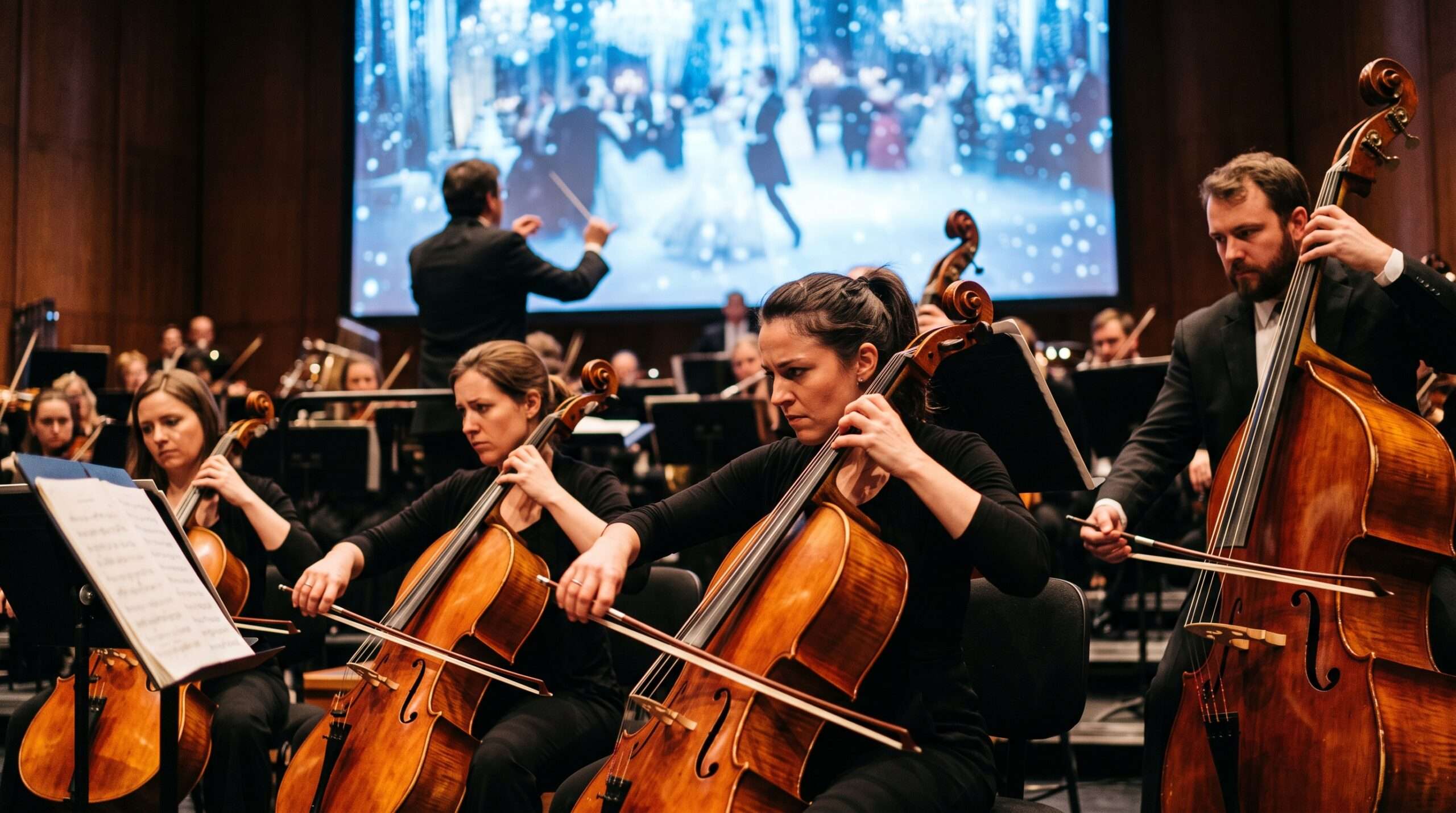
Live attendees will feel the physical vibration of the strings during the frantic “The Maze” sequence, and the lush, soaring waltzes of “Harry in Winter” and “Potter Waltz” during the Yule Ball scenes are genuinely enchanting when performed by a sweeping string section right in front of you. The live instrumentation brings forward subtle musical motifs that are easily missed when simply watching the film on a television at home.
 Planning Your Visit: Logistics & Practical Advice
Because this is a hybrid event—part premium symphony performance, part blockbuster movie screening—the logistics of attending differ slightly from standard concert-going. Here is how to plan your evening with precision.
Runtime, Intermission, and Pacing
Pacing yourself is crucial, especially if you are bringing family. The theatrical runtime of the film is roughly 2 hours and 37 minutes. However, because this is a live orchestral performance, the musicians require a break.
-
The Intermission: A standard 20-minute intermission is built into the performance, typically occurring just after the first task of the Triwizard Tournament.
-
Total Time Commitment: Factoring in the intermission, the maestro’s entrance, and the post-film bows during the end credits (which you should absolutely stay for, as the orchestra continues to play), you should plan for the entire event to last just over 3 hours.
Pro-Tip: The intermission rush for restrooms and concession stands at major concert halls is notoriously chaotic. If possible, coordinate your group to have one person handle refreshments while others navigate the restroom lines. Alternatively, eat a substantial dinner before arriving to skip the concession lines entirely.
Seating Strategy: Sound vs. Screen
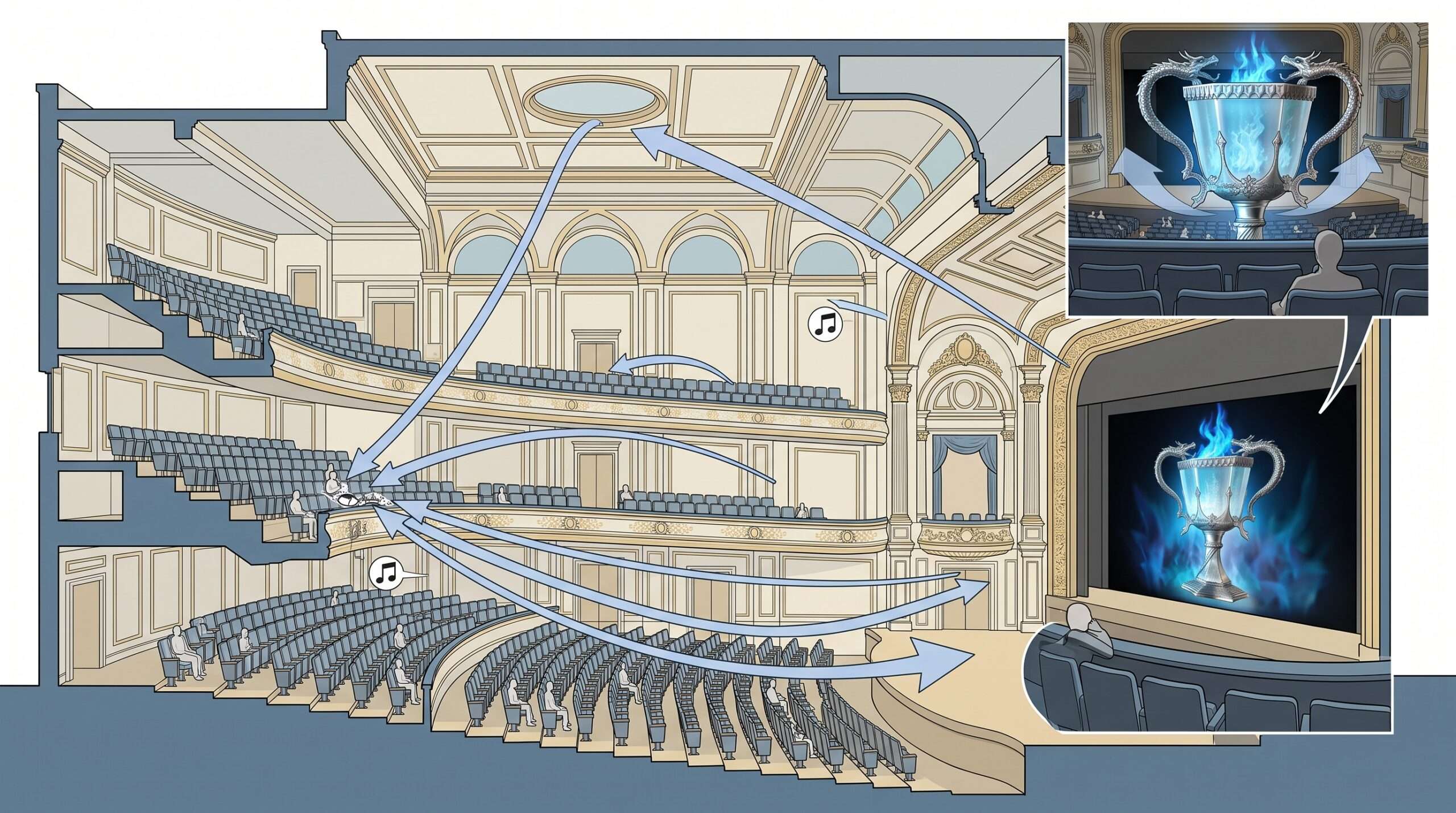
Securing the right tickets requires balancing two competing desires: seeing the screen perfectly and hearing the orchestra with maximum impact.
-
The Stalls/Orchestra Level (Front and Center): Sitting close to the stage offers a visceral, highly emotional connection to the musicians. You can watch the frantic bowing of the cellists and the sheer physical effort of the percussionists. However, you will likely have to tilt your head upward to view the 40-foot screen, which can cause neck strain over three hours.
-
The Balcony/Mezzanine (The Sweet Spot): For live-to-picture concerts, the first few rows of the lower balcony or mezzanine are widely considered the premium seats. From here, you are at eye level with the center of the projection screen. Furthermore, acoustically, concert halls are designed for sound to travel upward and outward, meaning the music blends perfectly by the time it reaches the mezzanine, offering a flawlessly balanced audio mix.
 The Unspoken Dress Code
A highly searched query by first-time attendees is regarding attire. Because the event takes place in prestigious venues—such as the Royal Albert Hall in London or the Hollywood Bowl in Los Angeles—there is a common misconception that black-tie or formal evening wear is strictly required.
The reality is a delightful juxtaposition. The dress code is entirely what you make of it.
-
Formal Elegance: Many attendees use the symphony setting as an excuse to dress up, wearing cocktail dresses or tailored suits (sometimes subtly themed to the Yule Ball).
-
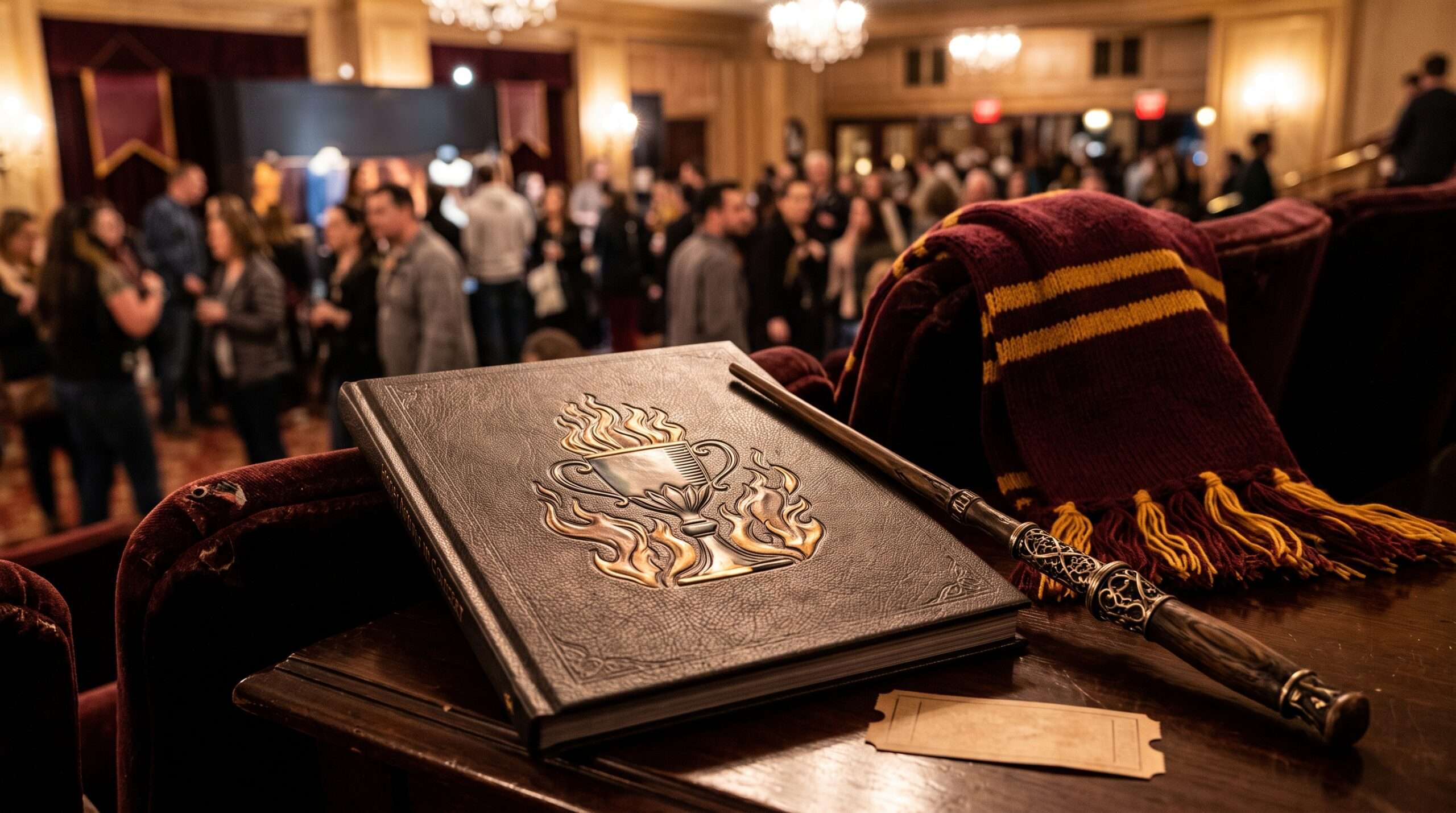
Casual Cosplay: Conversely, a massive portion of the audience arrives in full Hogwarts house robes, complete with scarves, wands, and character cosplay.
-
The Verdict: Whether you wear a bespoke tuxedo or a Gryffindor sweater, you will not feel out of place. Prioritize comfort, keeping in mind that concert halls are often heavily air-conditioned to keep the musicians and instruments at a stable temperature.
What to Expect Inside the Venue
Once you have navigated the ticketing and seating, the actual venue experience is a completely different beast compared to a standard night at the movies.
The Atmosphere: Cheering Encouraged!
If you are worried about the traditional, strict etiquette of a symphony hall where you can hear a pin drop—don’t be. CineConcerts and the conductors explicitly encourage audience participation.
Before the maestro raises their baton, they usually turn to the crowd and invite them to react just as they would at a massive sporting event or a rock concert. When the Beauxbatons and Durmstrang students make their grand entrances, the crowd cheers. When Cedric Diggory takes the field against the Swedish Short-Snout, the applause is deafening. And when Voldemort finally steps out of the cauldron in the Little Hangleton graveyard, the collective boos echo through the rafters. This communal, highly interactive energy is what elevates the live-to-picture format into a shared cultural event. You are surrounded by thousands of people who love the franchise just as much as you do.
Exclusive Merchandise and Photo Opportunities
Arriving just in time for the curtain to rise is a mistake. The lobby of the concert hall transforms into a mini-celebration of the Wizarding World, and you will want to allocate at least 45 minutes to an hour to take it all in.
-
Tour Merchandise: Most venues offer exclusive, tour-specific merchandise that you cannot purchase online or at universal theme parks. This often includes beautifully bound commemorative programs detailing the musical score and the orchestra’s history, limited-edition apparel, and specialty concert wands.
-
Photo Ops: Expect massive promotional banners and step-and-repeat backdrops set up in the lobbies. These lines get incredibly long during the 20-minute intermission and immediately after the show. Arriving early ensures you secure your photos without feeling rushed.
Editorial Call-Out: Merch tables often sell out of the most popular sizes and exclusive items before the intermission even begins. If you have your heart set on a specific souvenir, make the merchandise stand your very first stop upon scanning your ticket.
 Is the Goblet of Fire Concert Worth It? (An Honest Review)
Symphony tickets are an investment, often commanding premium prices. A valid question many consumers have is whether watching a movie they already own on streaming or Blu-ray is worth the cost of admission.
For the Hardcore Potterhead vs. The Casual Fan
For the hardcore fan, the answer is a resounding yes. Experiencing Patrick Doyle’s score performed live adds a layer of emotional weight that simply cannot be replicated by home audio systems. The sheer acoustic power of the brass section during the Dragon Challenge, or the mournful, weeping strings playing “Harry in Winter,” transforms a familiar movie into a brand-new theatrical experience. You will notice musical cues, harmonies, and percussive beats that you never heard in your previous fifty re-watches.
For the casual fan, or someone accompanying a die-hard enthusiast, it remains a phenomenal evening of high art. Watching a hundred master musicians synchronize perfectly to a feature-length film is a staggering display of talent. Even if you do not know the difference between a Horcrux and a Hufflepuff, the sheer scale of the live orchestral performance is deeply impressive and thoroughly entertaining.
A Note for Parents: Is It Too Dark for Young Children?
While the earlier films in the concert series (Sorcerer’s Stone and Chamber of Secrets) are incredibly family-friendly, The Goblet of Fire marks a definitive turning point in the Harry Potter narrative. The tone shifts dramatically from a whimsical magical boarding school to a legitimate thriller with high stakes.
Parents should be aware that the final act—specifically the maze and the graveyard sequence featuring the return of Lord Voldemort and the death of a student—is intense. When this dark, terrifying sequence is backed by the amplified, thundering volume of a live symphony orchestra, it can be genuinely overwhelming for very young or sensitive children. Use your discretion based on your child’s age and tolerance for intense cinematic moments.
 Frequently Asked Questions (FAQ)
To ensure you have every detail covered, here are the answers to the most common questions regarding the Harry Potter film concert series.
Are there subtitles during the concert?
Yes. This is a massive relief for many attendees. Because the sheer volume and power of a 90-piece orchestra can sometimes overpower the original dialogue tracks of the film, the movies are universally projected with high-contrast, easy-to-read subtitles. This ensures you never miss a crucial line of dialogue, even during the loudest musical swells.
Can I bring my wand?
Absolutely. Interactive and replica wands are a staple of the audience’s attire. Many fans bring their interactive wands from the theme parks. However, a rule of basic concert etiquette applies: be mindful of the people sitting behind you. Avoid holding illuminated wands high in the air during the film, as it can be highly distracting in the darkened theater and obstruct the view of the screen for others.
Who is playing the music?
A common misconception is that a single orchestra tours the globe with the film. In reality, CineConcerts partners with world-class, local symphony orchestras in every city the tour visits. If you see the show in Chicago, you are hearing the Chicago Symphony Orchestra. If you attend in Sydney, you are hearing the Sydney Symphony Orchestra. This brilliant model supports local arts organizations and ensures that the musical caliber is consistently phenomenal, utilizing the best acoustic talent each specific region has to offer.
Attending Harry Potter and the Goblet of Fire in Concert is far more than just watching a movie; it is a celebration of cinematic history, masterful composition, and shared fandom. It is the rare type of event that bridges the gap between pop culture and classical music, introducing a new generation to the breathtaking power of the symphony orchestra.
Whether you are going to marvel at the technical precision of the musicians, to dress up and celebrate with fellow fans, or simply to feel the physical rumble of the bass when the Hungarian Horntail breathes fire, it is an evening that delivers on every front. Buy the tickets, wear your house colors with pride, and prepare to be enchanted all over again.
Have you attended a live-to-picture concert before? Are you planning to see The Goblet of Fire in your city? Drop your experiences, tips, and favorite musical moments in the comments below!