
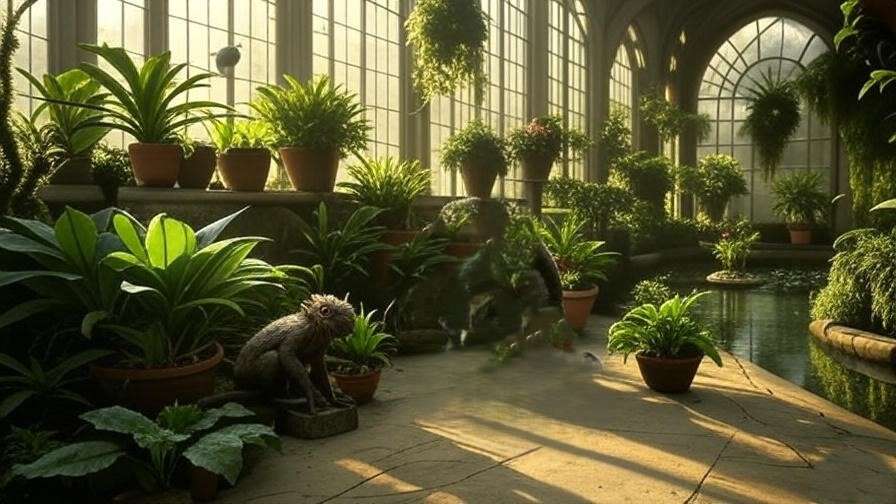
Imagine stumbling into the Hogwarts greenhouses, where the air hums with enchantment and the plants seem to whisper secrets of their own. In the Harry Potter series, magical plants like Devil’s Snare, Mandrakes, and Gillyweed don’t just decorate the Wizarding World—they wield incredible powers, pose deadly risks, and shape the adventures of our favorite characters. Whether you’re a budding Herbologist or a curious fan, this ultimate guide to magical plants will unravel their mysteries, from their magical properties to their hidden symbolism. Dive into the lush world of Wizarding World flora and discover why these enchanted plants are far more than meets the eye.
What Are Magical Plants in the Harry Potter Universe?
Magical plants are extraordinary flora found in J.K. Rowling’s Wizarding World, endowed with unique properties that set them apart from ordinary plants. Unlike the roses or oak trees of the Muggle world, these plants often exhibit sentience, magical abilities, or even dangerous behaviors. From the restorative cries of a Mandrake to the suffocating tendrils of Devil’s Snare, magical plants play pivotal roles in spells, potions, and Hogwarts education.
In the Harry Potter series, magical plants are integral to Herbology, a core subject at Hogwarts School of Witchcraft and Wizardry. Taught by the knowledgeable Professor Pomona Sprout, Herbology explores the cultivation, properties, and uses of these enchanted plants. Whether they’re healing injuries, aiding in magical tasks, or guarding ancient secrets, magical plants are woven into the fabric of wizarding life.
Why Magical Plants Matter
Magical plants aren’t just background elements—they’re vital to the Wizarding World’s ecosystem. They provide ingredients for powerful potions, like the Skele-Gro potion that regrows bones, and serve as tools in magical challenges, such as the Triwizard Tournament. Their study at Hogwarts equips young witches and wizards with the skills to harness nature’s magic responsibly. For fans, understanding these plants offers a deeper appreciation of the series’ rich lore and the intricate balance of beauty and danger in the magical world.
The Most Iconic Magical Plants in Harry Potter
The Harry Potter series introduces a variety of magical plants, each with its own unique traits and memorable moments. Below, we explore the most iconic ones, diving into their properties, uses, and appearances in the books and films.
Mandrake
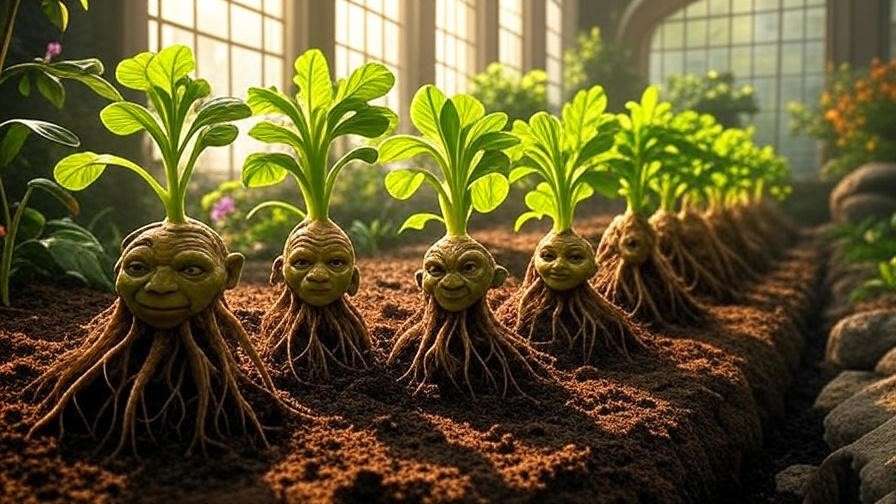
The Mandrake, or Mandragora, is one of the most recognizable magical plants in the Wizarding World. Resembling a human infant with leafy sprouts, this plant is both fascinating and dangerous. Its roots emit a piercing cry that can knock out or even kill those who hear it unprotected.
- Magical Properties: Mandrakes are renowned for their restorative powers. Their roots are a key ingredient in the Mandrake Restorative Draught, which can cure petrification, as seen in Harry Potter and the Chamber of Secrets when students were revived after Basilisk attacks.
- Notable Moments: In their second year, Harry, Ron, and Hermione don earmuffs in Herbology class to repot Mandrakes, highlighting their dangerous nature and the care required to handle them.
- Care and Dangers: Handling Mandrakes requires protective gear, such as earmuffs, to shield against their cries. Repotting them is a delicate process, as young Mandrakes are particularly volatile.
Devil’s Snare
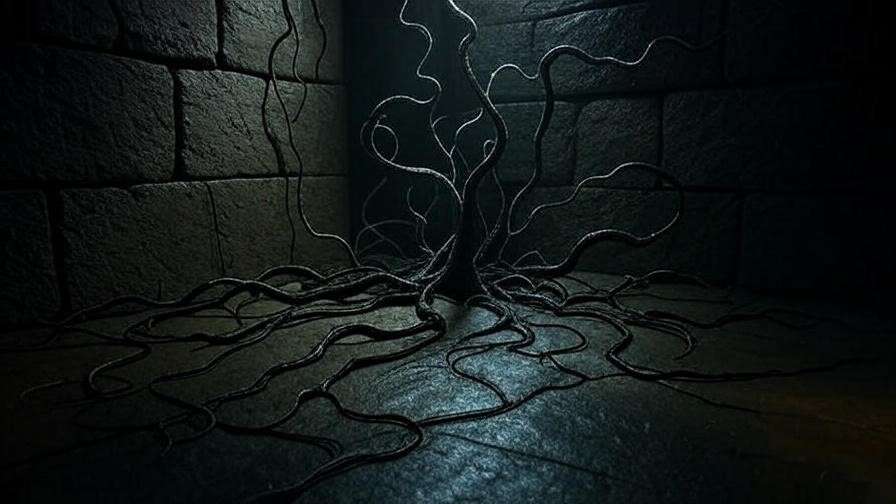
Devil’s Snare is a creeping, sentient plant that thrives in dark, damp environments. Its tendrils ensnare anyone who struggles against it, making it a formidable trap in the Wizarding World.
- Description and Behavior: This plant coils around its prey, tightening its grip the more the victim resists. It recoils from light and heat, making spells like Lumos or Incendio effective countermeasures.
- Notable Moments: In Harry Potter and the Sorcerer’s Stone, Devil’s Snare guards the Philosopher’s Stone, nearly trapping Harry, Ron, and Hermione until Hermione’s quick thinking saves them with light.
- Uses and Risks: While dangerous, Devil’s Snare can be used in defensive magic, as its ability to immobilize makes it a natural security measure.
Gillyweed
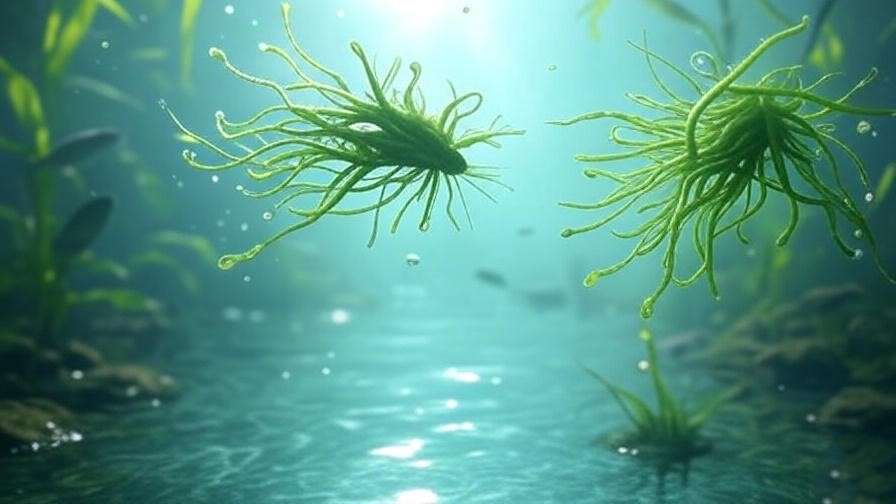
Gillyweed is a slimy, green plant that grants the ability to breathe underwater, making it a vital tool for aquatic magical tasks.
- Description and Origin: Found in aquatic environments, Gillyweed resembles a bundle of rat tails and is consumed raw to activate its effects.
- Role in the Series: In Harry Potter and the Goblet of Fire, Harry uses Gillyweed, provided by Dobby, to complete the second task of the Triwizard Tournament, growing gills and webbed limbs to navigate the Black Lake.
- Practical Applications: Gillyweed is invaluable for underwater exploration, offering temporary aquatic adaptation without complex spells.
 Other Notable Plants
Beyond the big three, the Wizarding World boasts a variety of other magical plants, each with unique properties:
- Venomous Tentacula: A dangerous plant with venomous spines and snapping jaws, often used in advanced potions but requiring extreme caution.
- Whomping Willow: A sentient, aggressive tree that guards secrets, like the entrance to the Shrieking Shack in Harry Potter and the Prisoner of Azkaban.
- Bubotuber: A plant resembling a giant slug, its pus is used in healing potions but can cause painful sores if mishandled.
- Fanged Geranium: A flowering plant with sharp teeth, adding a bite to its beauty.
These plants showcase the diversity of magical flora, each contributing to the series’ rich tapestry of enchantment and danger.
The Role of Magical Plants in Hogwarts and Wizarding Society
Magical plants are more than just plot devices—they’re integral to the education and culture of the Wizarding World. At Hogwarts, Herbology classes teach students to cultivate and harness these plants’ powers, preparing them for careers in potion-making, healing, and magical defense.
Herbology at Hogwarts
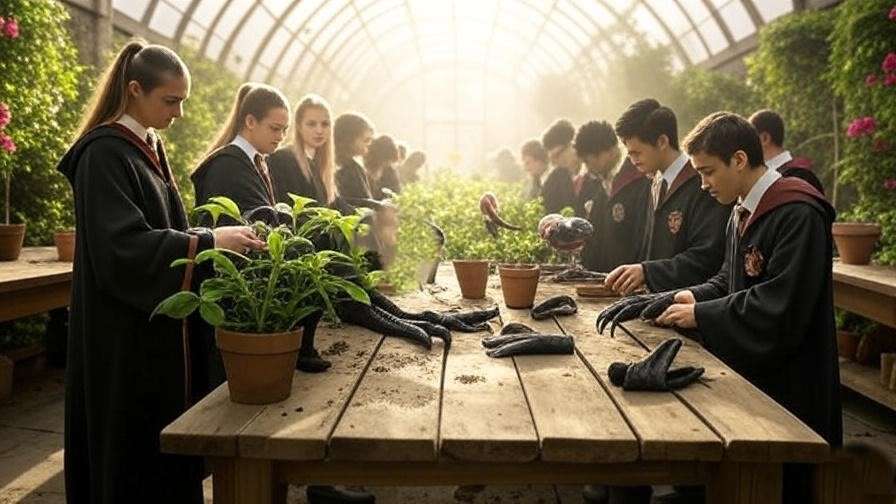
Led by Professor Pomona Sprout, Herbology is a hands-on subject where students learn to handle plants like Mandrakes and Venomous Tentacula. The Hogwarts greenhouses, filled with enchanted flora, are a hub of learning and discovery. Professor Sprout’s expertise, as noted in Chamber of Secrets, ensures students master the delicate balance of nurturing and controlling these plants.
Potions and Magical Plants
Many magical plants are key ingredients in potions. For example:
- Dittany: A healing herb used in Essence of Dittany to treat wounds, as seen when Hermione heals Ron’s splinching injury in Deathly Hallows.
- Fluxweed: Essential for Polyjuice Potion, requiring precise harvesting during a full moon.
- Knotgrass: Another Polyjuice ingredient, showcasing the intricate link between Herbology and potion-making.
These plants highlight the synergy between Herbology and Potions, emphasizing their practical applications in wizarding life.
Practical Applications
Beyond potions, magical plants serve various purposes:
- Healing: Plants like Dittany and Mandrakes are vital in magical medicine.
- Defense: Devil’s Snare and Whomping Willow act as natural barriers or traps.
- Magical Enhancements: Gillyweed and similar plants grant temporary abilities, aiding wizards in unique challenges.
Cultural Significance
Magical plants are steeped in wizarding traditions. For example, Mandrakes are tied to ancient folklore, symbolizing life and rebirth. Their cultivation reflects the Wizarding World’s respect for nature’s power, blending practicality with reverence.
“Magical plants are the heartbeat of our world, blending beauty with power. To understand them is to understand magic itself.” – Professor Pomona Sprout (fictional quote for illustrative purposes).
The Symbolism and Lore Behind Magical Plants
Magical plants in the Harry Potter series are more than just tools for potions or obstacles in adventures—they carry deep symbolic meanings and draw from rich mythological roots. J.K. Rowling masterfully weaves these plants into the narrative, using them to reflect themes of growth, danger, resilience, and transformation. Let’s explore the lore and symbolism behind these enchanted flora, uncovering the hidden layers that make them so captivating.
Mythological Inspirations
Many magical plants in the Wizarding World draw inspiration from real-world mythology and folklore. For instance, the Mandrake echoes medieval legends where the plant was believed to grow beneath gallows, its roots shaped like humans and its scream deadly to hear. Rowling adapts this lore, giving Mandrakes their restorative powers while retaining their eerie, humanoid appearance. Similarly, plants like Devil’s Snare resemble mythical flora like the strangler vines of folklore, which ensnare unsuspecting travelers, symbolizing nature’s unpredictable power.
Symbolism in the Series
Each magical plant in Harry Potter carries symbolic weight, reflecting broader themes in the series:
- Mandrake: Represents life and rebirth. Its ability to cure petrification in Chamber of Secrets symbolizes hope and renewal, mirroring the characters’ journeys from despair to triumph.
- Devil’s Snare: Embodies the dangers of panic and resistance. Its defeat through calmness and light in Sorcerer’s Stone reflects the importance of composure in overcoming challenges.
- Whomping Willow: A symbol of protection and aggression, guarding secrets like the Shrieking Shack while posing a threat to intruders. It reflects the dual nature of strength—both nurturing and destructive.
- Gillyweed: Signifies adaptation and resourcefulness, enabling Harry to navigate the Triwizard Tournament’s challenges by embracing temporary transformation.
These plants enrich the narrative, offering fans deeper insights into the story’s themes.
Fan Theories and Hidden Meanings
The Harry Potter fandom has proposed fascinating theories about magical plants. Some fans speculate that the Whomping Willow’s aggressive nature reflects the pain and isolation of Remus Lupin, whose secret it guards. Others suggest that Gillyweed’s transformative properties symbolize Harry’s growth into a confident wizard. These interpretations highlight the plants’ roles as more than mere plot devices—they’re woven into the emotional and thematic fabric of the series.
Expert Insight
J.K. Rowling’s creation of magical plants draws from her extensive knowledge of mythology and botany, blending real-world inspirations with imaginative twists. In a 2001 interview, Rowling noted that Herbology was inspired by her fascination with the historical uses of plants in medicine and folklore, grounding her magical flora in a sense of authenticity.
How to Care for Magical Plants: Tips for Aspiring Herbologists
For fans dreaming of tending their own Hogwarts greenhouse, caring for magical plants requires knowledge, caution, and a touch of magic. While Muggle gardens might need only water and sunlight, magical plants demand specialized care to harness their powers safely. Below are practical tips inspired by Herbology classes, designed to help aspiring Herbologists navigate the challenges of magical botany.
General Care Guidelines
Magical plants thrive under specific conditions, often requiring a blend of Muggle gardening techniques and wizarding spells:
- Light: Many plants, like Devil’s Snare, react to light. Spells like Lumos can stimulate or repel them.
- Water: Some plants, such as Gillyweed, need aquatic environments, while others, like Bubotuber, require minimal moisture to avoid diluting their potent pus.
- Magical Maintenance: Charms like Herbivicus can accelerate growth, but must be used sparingly to avoid overloading a plant’s magical properties.
Specific Plant Tips
- Mandrake:
- Ear Protection: Always wear earmuffs to guard against their fatal cries, especially during repotting.
- Repotting: Use dragon-hide gloves and work quickly to minimize distress to the plant. Young Mandrakes are particularly sensitive.
- Soil: Rich, loamy soil with a touch of mooncalf dung enhances growth.
- Devil’s Snare:
- Light Spells: Keep a wand ready to cast Lumos or Incendio to repel its tendrils.
- Environment: Cultivate in dark, damp conditions, but ensure access to light sources for control.
- Handling: Avoid physical contact; use levitation charms (Wingardium Leviosa) to move it safely.
- Gillyweed:
- Aquatic Cultivation: Grow in freshwater tanks with gentle currents to mimic natural habitats.
- Harvesting: Pick Gillyweed at dawn for maximum potency, as its magical properties wane under direct sunlight.
- Storage: Store in cool, moist conditions to preserve its transformative effects.
Safety Precautions
Handling dangerous plants like Venomous Tentacula or Fanged Geranium requires vigilance:
- Use protective gear, such as dragon-hide gloves and goggles, to avoid venom or bites.
- Cast protective charms (Protego) when working with aggressive plants.
- Keep a first-aid kit with Essence of Dittany on hand for injuries.
Fun Fact
In Sorcerer’s Stone, Hermione’s quick use of Lumos Solem to defeat Devil’s Snare showcases a key Herbology lesson: light is a powerful tool against dark-dwelling plants. Aspiring Herbologists can practice this spell to safely manage similar flora.
Fun Facts and Trivia About Magical Plants
Magical plants are a treasure trove of fascinating details, from their creation to their portrayal in the Harry Potter films. Here are some fun facts to delight fans and deepen their appreciation of Wizarding World flora.
Behind-the-Scenes
J.K. Rowling drew inspiration for magical plants from medieval herbals and folklore. The Mandrake, for example, is rooted in historical texts like those of Pliny the Elder, who described its human-like roots and dangerous properties. Rowling’s creativity transformed these myths into vibrant elements of her magical universe.
Film vs. Book Differences
In the Harry Potter films, some plants were visually enhanced for dramatic effect:
- Mandrakes: In Chamber of Secrets, the film’s CGI Mandrakes are more animated and expressive than their book counterparts, emphasizing their eerie nature.
- Devil’s Snare: The film version in Sorcerer’s Stone adds a more menacing, vine-heavy appearance, amplifying the tension of the scene.
- Whomping Willow: The Prisoner of Azkaban film gives the tree a more dynamic, almost sentient personality, with sweeping branches that heighten its threat.
Little-Known Facts
- Pottermore Insights: Supplemental materials on Pottermore (now Wizarding World) mention obscure plants like the Flutterby Bush, which attracts magical insects with its scent.
- Rare Plants: The Dirigible Plum, seen in Order of the Phoenix, is a lesser-known plant that floats and is believed to enhance intuition.
- Herbology Texts: The fictional book One Thousand Magical Herbs and Fungi by Phyllida Spore is a key resource for Hogwarts students, detailing countless magical plants.
Quiz Idea
Test your Herbology knowledge! Which plant cures petrification? What spell counters Devil’s Snare? Share your answers in the comments or on our social media for a chance to win a virtual Hogwarts house point!
FAQs About Magical Plants in Harry Potter
To address common questions and boost engagement, here are answers to frequently asked questions about magical plants, tailored to fans’ curiosity.
What is the most dangerous magical plant in Harry Potter?
The Venomous Tentacula is often considered the most dangerous due to its venomous spines and snapping jaws, which can cause severe injury or death if mishandled. However, the Mandrake’s fatal cry poses a unique threat without proper protection.
How are magical plants used in potions?
Magical plants like Dittany, Fluxweed, and Knotgrass are key potion ingredients. For example, Dittany heals wounds, while Fluxweed and Knotgrass are essential for Polyjuice Potion, transforming the drinker’s appearance.
Can Muggles grow magical plants?
Muggles cannot typically grow magical plants, as they lack the magical knowledge and spells required to cultivate or control them. However, some plants, like Gillyweed, might survive in Muggle environments but lose their magical properties without proper care.
What is the significance of Herbology in Hogwarts?
Herbology teaches students to understand and harness magical plants, preparing them for careers in potion-making, healing, and magical defense. It emphasizes the importance of nature in the Wizarding World.
Are there real-world equivalents to magical plants?
While magical plants are fictional, they draw from real-world flora. Mandrakes resemble the real Mandragora officinarum, used historically in medicine, while Gillyweed echoes aquatic plants like seaweed, though without magical effects.
Magical plants are the unsung heroes of the Harry Potter universe, blending beauty, danger, and power in ways that captivate fans and enrich the Wizarding World. From the life-saving Mandrake to the treacherous Devil’s Snare, these enchanted flora shape the series’ adventures and themes. Whether you’re revisiting Hogwarts greenhouses through the books or films, or dreaming of becoming an Herbologist, these plants offer endless fascination. Share your favorite magical plant in the comments, rewatch key scenes to spot them in action, or join our blog’s discussion on Wizarding World flora. The magic of these plants awaits—dive in and explore!