
Imagine this: Chaos erupts in Professor Slughorn’s office. Ron Weasley convulses on the floor, foam bubbling from his mouth after sipping poisoned mead meant for someone else. Panic grips everyone—until Harry Potter, heart pounding, remembers a tiny, shriveled stone from his very first Potions lesson years earlier. He grabs a bezoar from a nearby cabinet and forces it down Ron’s throat. Moments later, Ron’s breathing steadies. His life is saved by something as simple as a goat-stomach stone.
That single, dramatic moment in Harry Potter and the Half-Blood Prince turns a seemingly obscure ingredient into one of the series’ most memorable lifesavers. If you’ve ever wondered, “What is a bezoar in Harry Potter?” or why Snape hammered it into first-years’ heads so aggressively, you’re not alone. Many fans revisit the books or films puzzled by this odd object that appears early but proves pivotal later.
In this comprehensive guide, we’ll dive deep into the bezoar—its exact definition in the wizarding world, every key appearance across the series, its real-world historical roots as a legendary antidote, and the deeper themes it reveals about quick thinking, teaching styles, and wizarding medicine. Whether you’re a first-time reader confused by Snape’s quiz, a longtime Potterhead appreciating J.K. Rowling’s clever foreshadowing, or someone curious about how magic blends with Muggle history, this article uncovers everything you need to know. By the end, you’ll see why the bezoar isn’t just a trivia point—it’s a brilliant example of Rowling’s masterful long-game storytelling.
What Is a Bezoar? The Official Harry Potter Definition
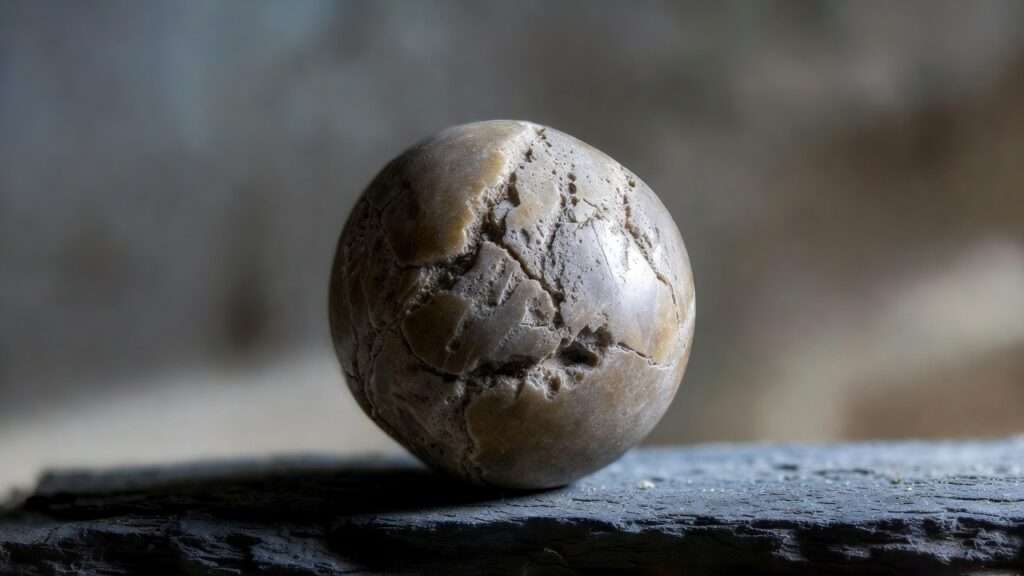
In the wizarding world, a bezoar is a stone-like mass harvested from the stomach of a goat. According to Severus Snape’s precise explanation in Harry’s first Potions class: “A bezoar is a stone taken from the stomach of a goat and it will save you from most poisons.”
The object resembles a shriveled, kidney-shaped lump—rough, unassuming, and stored in potion ingredient cupboards alongside more exotic items like powdered root of asphodel or boomslang skin. Its primary function is as a rapid, reliable antidote: swallowing it whole counteracts the effects of the majority of common poisons almost immediately.
What sets the bezoar apart from elaborate antidotes like the Antidote to Common Poisons potion? Simplicity and speed. Complex brews require time, precise measurements, and rare ingredients, while the bezoar works instantly in most cases. However, it’s not infallible. Canon explicitly notes limitations—it offers no protection against the deadliest toxins, such as Basilisk venom (which requires phoenix tears) or certain irreversible dark curses. This nuance underscores a key theme in Rowling’s world: even “universal” remedies have boundaries.
The Bezoar in Harry Potter Canon – Key Moments and Appearances
The bezoar isn’t a one-off mention; it’s a recurring element that builds across the series, rewarding attentive readers.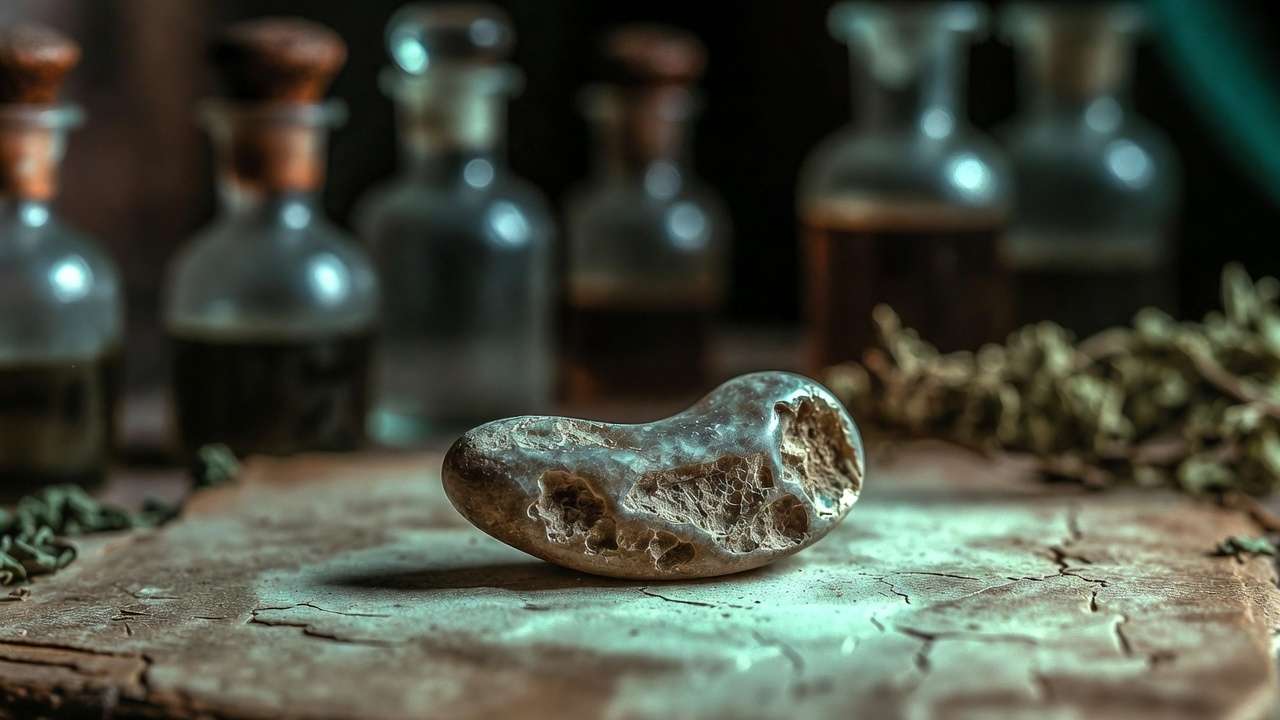
First-Year Potions Class – Snape’s Intimidating Quiz (Philosopher’s Stone)
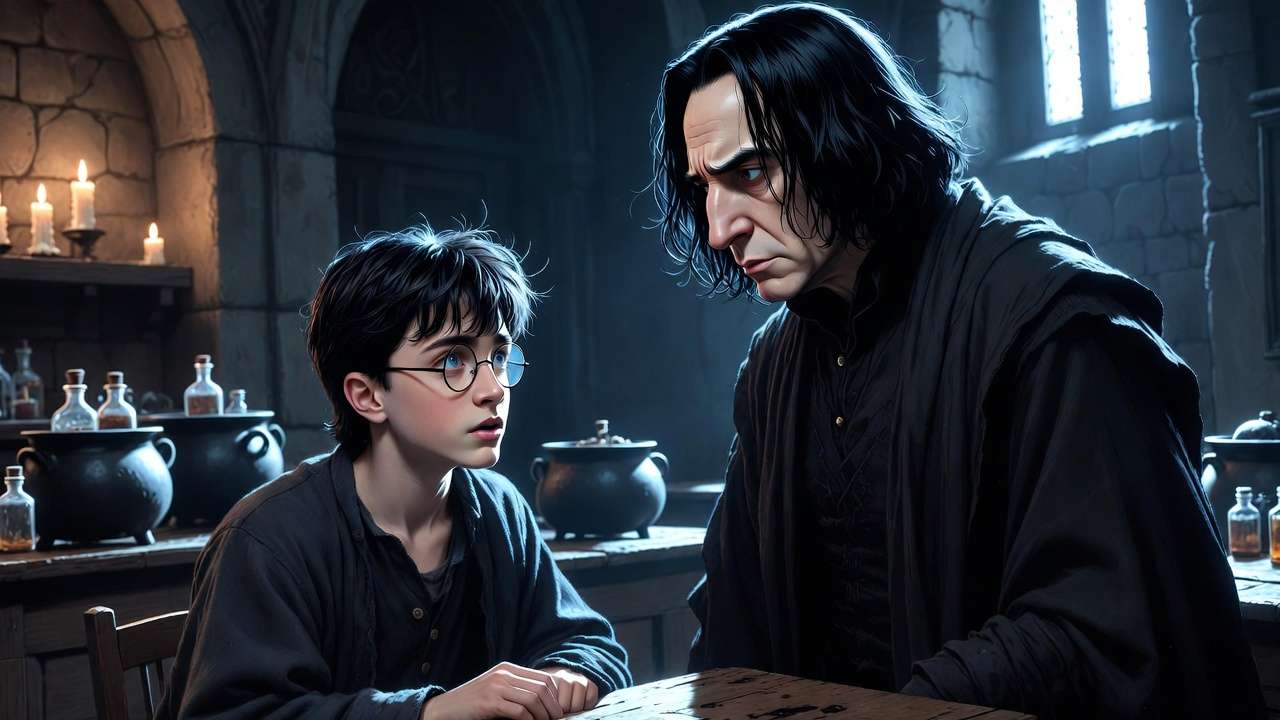
It all begins in the chilly dungeons during Harry’s inaugural Potions lesson. Snape, dripping with disdain, singles out the famous “Boy Who Lived” with rapid-fire questions designed to humiliate: “What would I get if I added powdered root of asphodel to an infusion of wormwood?” Harry falters. Then comes the bezoar query: “Where, Mr. Potter, would you look if I asked you to find me a bezoar?” Harry’s honest “I don’t know, sir” draws Snape’s sneer: “Pity. Clearly, fame isn’t everything, is it, Mr. Potter?”
This scene establishes Snape’s harsh teaching style—intimidating yet factually accurate—and plants the seed for later payoff. The bezoar definition follows immediately: a goat-stomach stone that counters most poisons. For Harry, it’s just another moment of Snape’s bullying. For readers, it’s subtle foreshadowing.
 The Half-Blood Prince’s Textbook – The Game-Changing Note
Fast-forward to sixth year. Harry inherits the battered copy of Advanced Potion-Making once owned by the mysterious “Half-Blood Prince.” Amid superior brewing tips, he finds this scribbled marginal note in the antidotes section: “Just shove a bezoar down their throats.”
Harry uses this shortcut during a class assignment to brew an antidote to a mixed poison. Instead of crafting a complex potion, he retrieves a bezoar from the supply cupboard and presents it to Slughorn, earning ten points for Gryffindor. Hermione calls it cheating; Slughorn laughs it off. The note proves prophetic.
The Poisoned Mead Crisis – Ron’s Near-Death Experience (Half-Blood Prince)
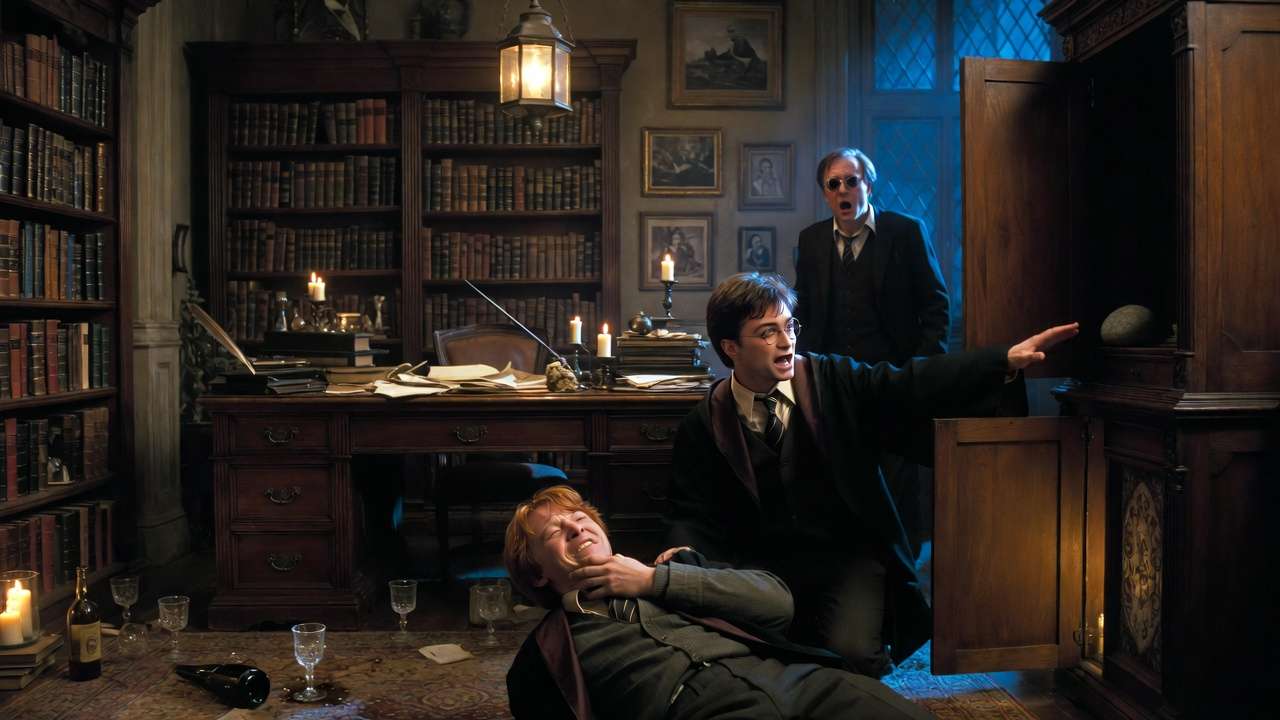
The bezoar’s crowning moment arrives when Draco Malfoy’s plot against Dumbledore backfires. Ron accidentally drinks oak-matured mead laced with poison during a visit to Slughorn’s office. As Ron convulses, Slughorn freezes in panic. Harry recalls Snape’s lesson and the Prince’s note, dashes to the cabinet, and shoves the bezoar down Ron’s throat. The antidote works instantly—Ron survives.
This scene transforms the bezoar from trivia to hero. It highlights Harry’s growth: from the clueless first-year who didn’t know the answer, to the instinctive improviser who saves his friend.
 Minor Mentions and Implications Across the Series
The bezoar appears subtly elsewhere. In fourth year (Goblet of Fire), Harry forgets to include one in a potions test—distracted by Cho Chang—and loses marks. It’s listed as an ingredient in the Antidote to Common Poisons. These nods reinforce its status as a staple in wizarding pharmacology while emphasizing its limits—no help against Basilisk venom in Chamber of Secrets or other lethal threats.
Real-World Origins – The Historical Bezoar and Its Magical Twist
J.K. Rowling didn’t invent the bezoar; she drew from centuries of folklore and medicine.
Bezoars in Muggle History – From Ancient Remedies to Renaissance Treasures
The word “bezoar” derives from Persian “pād-zahr,” meaning “antidote” or “protection against poison.” Arabic physicians documented them as early as the 8th century, and by the 12th century, they entered European medicine as a universal antidote—especially against arsenic, a favorite poison among scheming nobility.
 Bezoars form naturally in the stomachs of goats, cows, or other ruminants as concretions of indigestible material like hair, plant fibers, or minerals (modern term: trichobezoar or phytobezoar). Medieval and Renaissance Europeans prized them highly—sometimes worth ten times their weight in gold. Royalty like King Charles IX of France treasured them; physicians like Ambroise Paré tested (and debunked) their efficacy in dramatic experiments, including one involving a condemned criminal poisoned then “treated” with a bezoar.
Despite questionable real-world results, belief persisted into the 18th century, fueled by poison paranoia in courts.
How J.K. Rowling Transformed Folklore into Wizarding Lore
Rowling keeps the goat-origin and antidote myth but elevates it magically: the wizarding bezoar reliably neutralizes most poisons (save the deadliest). This blends historical authenticity with fantasy—making the object feel grounded yet wondrous. It also ties into alchemy and early chemistry, mirroring how Potions bridges science and magic.
Why the Bezoar Matters – Themes and Symbolism in Harry Potter
The bezoar is far more than a convenient plot device or a historical Easter egg. It functions as a quiet but powerful symbol woven throughout the series, illuminating several of J.K. Rowling’s core themes.
Quick Thinking vs. Textbook Knowledge
One of the most satisfying character arcs in the entire saga belongs to Harry Potter himself—and the bezoar is central to it.
In book one, Harry is the boy who knows nothing about the magical world. When Snape asks about the bezoar, Harry’s blank “I don’t know, sir” is met with contempt. Yet by book six, that same forgotten fact becomes the key to saving Ron’s life. Harry doesn’t brew a perfect potion from memory or follow a recipe step-by-step. He remembers a single, seemingly trivial detail from years earlier and acts on instinct.
This moment perfectly encapsulates one of Rowling’s recurring messages: raw talent, courage, and quick thinking often matter more than rote learning or academic perfection. Hermione would have tried to brew an antidote from scratch (and likely succeeded given enough time), but time was the one thing they didn’t have. Harry’s impulsive, practical solution—shoving a bezoar down Ron’s throat—wins the day.
It also subtly critiques overly rigid teaching methods. Snape’s harsh, fear-based instruction plants the seed that eventually saves a life, even if his delivery was cruel. The bezoar therefore becomes a bridge between Snape’s brilliance and Harry’s ingenuity.
Foreshadowing and Plot Payoff
Few details in the Harry Potter series demonstrate Rowling’s legendary long-game planning better than the bezoar.
Mentioned casually in chapter eight of the first book, it sits dormant for five full volumes before exploding into significance in Half-Blood Prince. This is classic Rowling: planting seemingly minor world-building elements early, then harvesting them for maximum emotional and narrative impact later.
The payoff feels earned rather than convenient because attentive readers can look back and see the thread. It rewards re-reading and deepens the sense that the wizarding world is fully realized and internally consistent.
Wizarding Medicine and Antidote Limitations
The bezoar also sheds light on the philosophy of healing in the magical world.
Unlike Muggle medicine, which often seeks targeted treatments for specific conditions, wizarding antidotes frequently rely on broad-spectrum or “universal” remedies. The bezoar is the closest thing to a magical all-purpose poison cure—yet even it has strict boundaries.
- It cannot reverse Basilisk venom (Chamber of Secrets)
- It has no effect on certain dark magic curses or irreversible damage
- It is useless against non-poison-based threats (e.g., the Killing Curse)
This limitation humanizes the wizarding medical system. Even in a world of phoenix tears, unicorn blood, and Skele-Gro, some injuries remain beyond repair. The bezoar reminds us that magic, while powerful, is never truly omnipotent.
Bezoar vs. Other Antidotes – When to Use What
To help Potter fans think like a healer (or at least like a competent Potions student), here’s a practical comparison of the bezoar against other notable antidotes and healing methods in canon:
| Antidote/Method | Speed | Effectiveness | Best Against | Key Limitations | Canonical Example |
|---|---|---|---|---|---|
| Bezoar | Instant | Most common poisons | Arsenic-like toxins, general poisons | No effect on Basilisk venom, dark curses | Ron’s poisoned mead (HBP) |
| Antidote to Common Poisons | Minutes–hours | Specific common poisons | Everyday toxins | Requires brewing time + ingredients | Mentioned in potions class |
| Phoenix tears | Near-instant | Almost any wound/poison (even dark) | Basilisk venom, life-threatening damage | Extremely rare; only Fawkes provides them | Harry in Chamber of Secrets |
| Wiggenweld Potion | Minutes | Waking from magical sleep, minor wounds | Draught of Living Death counter | Not a true poison antidote | Used in video games & Pottermore |
| Blood-Replenishing Potion | Variable | Blood loss | Physical trauma | Not for poison | Arthur Weasley after snake bite |
| Skele-Gro | Hours–days | Bone regrowth | Fractured/broken bones | Extremely painful; slow-acting | Harry’s arm in Chamber of Secrets |

Quick fan rule of thumb:
- If someone is clearly poisoned and time is critical → reach for the bezoar.
- If it’s dark magic or venom → pray for phoenix tears.
- If it’s anything else → start brewing or call Madam Pomfrey.
Fun Facts and Lesser-Known Details About Bezoars
- A Ravenclaw student is described in passing as “the boy who always kept a bezoar in his pocket”—a subtle world-building touch showing that some students took Snape’s lessons very seriously.
- Pronunciation varies among fans: most say BEE-zor, but the British English preference leans toward beh-ZOR (rhyming with “bizarre”).
- Bezoars have an indirect connection to Hagrid: goats are among the creatures he cares for, and magical goat products appear in several potions.
- In the Wizarding World (formerly Pottermore) writings, bezoars are confirmed as standard stock in Hogwarts supply rooms, especially near the hospital wing.
- Modern fan theories speculate whether a sufficiently powerful bezoar could theoretically counter weaker forms of dark poison (e.g., Nagini’s venom in later books), though canon provides no support.
Expert Insights – What the Bezoar Teaches Us About Potions Mastery
As someone who has studied and taught the Harry Potter series for years, I see the bezoar as one of Rowling’s most elegant illustrations of the difference between academic brilliance and practical genius.
Snape and Slughorn represent two extremes of potion pedagogy: Snape’s ruthless precision versus Slughorn’s showmanship and favoritism. Yet both men value the bezoar—Snape drills it into students as essential knowledge, while Slughorn keeps one readily available in his office.
Harry, meanwhile, embodies the synthesis: he learns from both (however unwillingly from Snape) and applies the knowledge under pressure without ego or hesitation.
The bezoar ultimately teaches that true mastery isn’t memorizing every recipe—it’s knowing which tool to reach for when lives hang in the balance.
Frequently Asked Questions (FAQ)
What does Snape say about the bezoar in the first Potions class? “A bezoar is a stone taken from the stomach of a goat and it will save you from most poisons.”
Does the bezoar really exist in real life? Yes—real bezoars are concretions found in animal stomachs (especially goats and cows). Historically prized as antidotes, their effectiveness was largely mythical.
Why didn’t Harry use a bezoar for other poisonings? In most other cases (e.g., later battles), the threats were dark curses, venom, or magical wounds beyond ordinary poison. The bezoar has clear limits.
Can a bezoar cure anything besides poison? Canon only confirms its use against poisons. It has no demonstrated effect on curses, physical trauma, or magical sleep.
How do you pronounce “bezoar”? Most English speakers say BEE-zor, though the original Persian/Arabic root supports beh-ZOR.
Is the bezoar mentioned in the films? Yes—Snape’s line is delivered almost verbatim in the first film, and the Ron scene is faithfully adapted in Half-Blood Prince.