
Before the fateful evening of June 24, 1995, the modern wizarding world was largely defined by a classic, almost whimsical battle between good and evil. The stakes were high, but the casualties were mostly relegated to the past. That was until the moment Peter Pettigrew uttered the chilling command: “Kill the spare.” In that split second, everything changed.
In casual fandom discussions and cinematic retrospectives, Cedric Diggory from Harry Potter is often reduced to a mere plot device—the unfortunate “spare” whose death served only to mark the terrifying return of Lord Voldemort. This common misconception completely overlooks the profound literary and geopolitical impact he had on the series. Cedric was not just an extra body in a graveyard; he was the ultimate catalyst for the narrative’s tonal shift, the restructuring of Hogwarts’ house dynamics, and the emotional grounding of Harry’s ultimate victory.
As deep-lore analysts and literary critics of the Harry Potter universe, we must look past the surface level of Goblet of Fire. This skyscraper guide dives into the complex legacy of Cedric Diggory, proving why his life, his moral compass, and his tragic end reshaped the wizarding world forever.
The Archetype of a True Hufflepuff: Who Was Cedric Diggory?
Beyond the “Pretty Boy” Stereotype
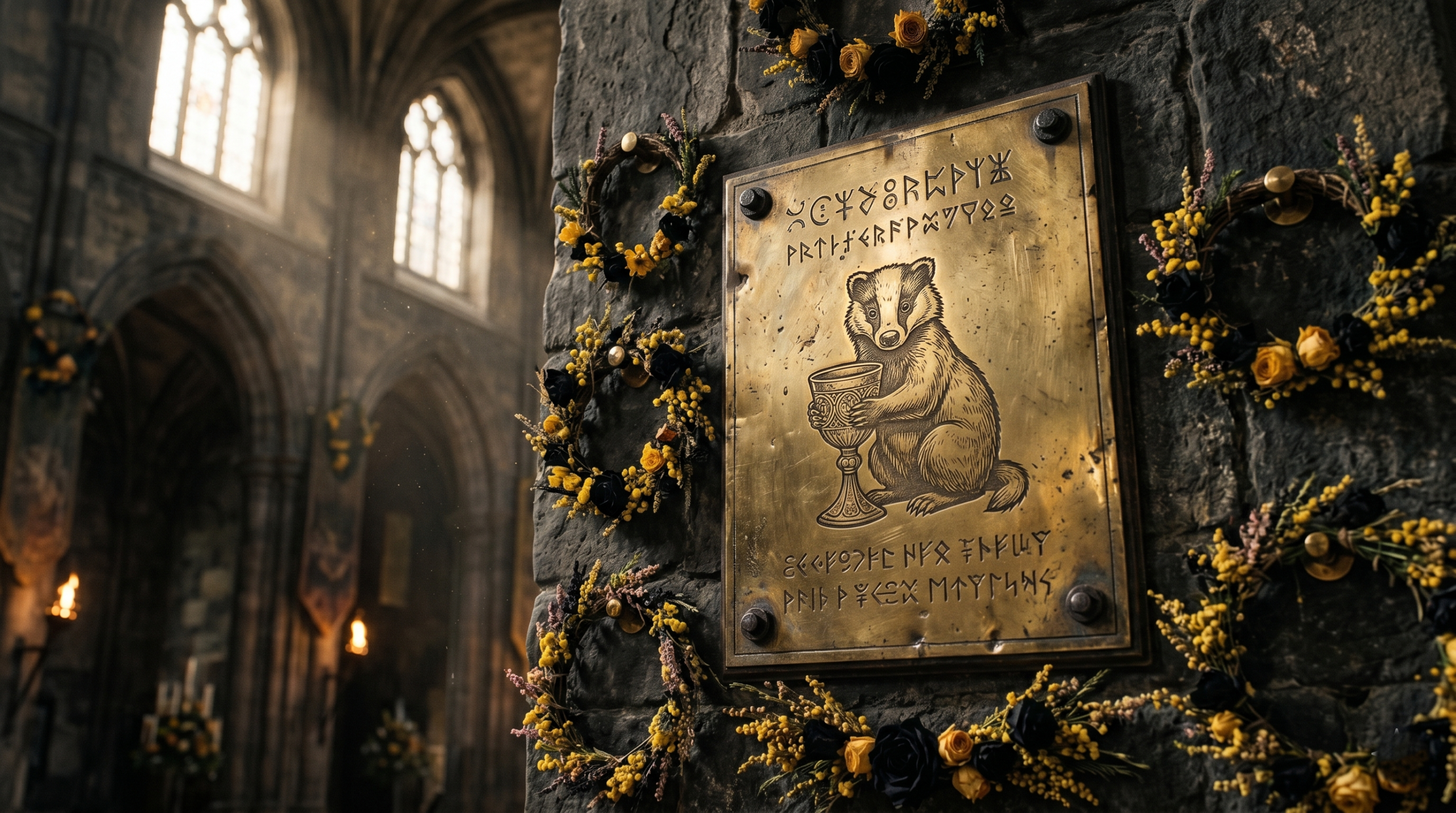
To understand the magnitude of Cedric’s loss, one must first understand the historical context of his Hogwarts house. Prior to the 1994-1995 school year, Hufflepuff House suffered from a pervasive, in-universe bias. Often unfairly categorized by other students as the house for “leftovers” or “duffers,” Hufflepuff lacked the glamorous bravery of Gryffindor, the intellectual elite status of Ravenclaw, or the cunning ambition of Slytherin.
Cedric single-handedly redefined that reputation. He was brilliant, athletically gifted, incredibly popular, and universally respected. Yet, unlike characters who let such traits inflate their egos (such as James Potter in his youth or Gilderoy Lockhart), Cedric embodied the core Hufflepuff tenets: unwavering humility, a relentless work ethic, and an unbreakable sense of fair play. He proved that kindness and modesty were not weaknesses, but rather signs of supreme quiet confidence. He was the golden boy of Hogwarts not because he demanded attention, but because he earned it through merit and grace.
 Key Character Moments That Defined His Integrity
Cedric’s integrity was not just a theoretical concept; it was actively demonstrated in critical moments leading up to the Triwizard Tournament.
-
The Quidditch Rematch (Prisoner of Azkaban): One of the most telling moments of Cedric’s character occurs long before the Triwizard maze. During a stormy Quidditch match between Gryffindor and Hufflepuff, Harry is overwhelmed by Dementors and falls from his broom. Cedric catches the Snitch, winning the game for Hufflepuff. However, upon realizing what happened to Harry, Cedric immediately appeals to the referee, demanding a rematch. He argues that a victory won under those circumstances is not a true victory at all. This moment establishes him as a young man who values honor far above glory.
-
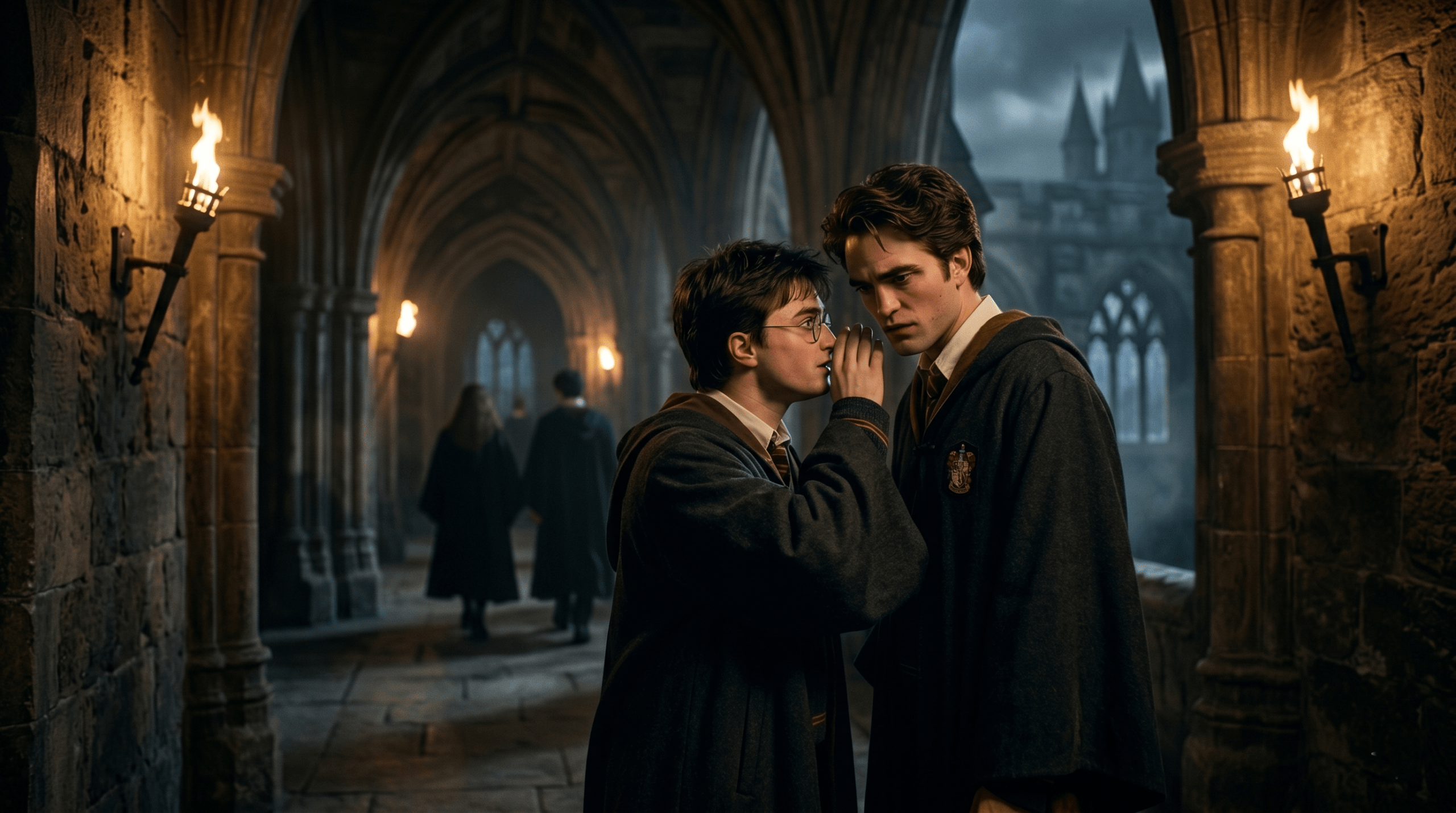
The Dragon Tip-Off (Goblet of Fire): When Harry learns that the First Task of the Triwizard Tournament involves battling fully grown dragons, he realizes that the other champions (Fleur Delacour and Viktor Krum) have also been informed by their headmasters. Only Cedric is left in the dark. Harry tips Cedric off, evening the playing field. Later, Cedric repays this debt by giving Harry the crucial clue to solving the Golden Egg riddle for the Second Task. This exchange highlights his fundamental belief in equitable competition. He wanted to win, but he wanted to win fairly.
 The Triwizard Tournament: A Chosen Hero vs. An Accidental Champion
The Institutional Weight on Cedric’s Shoulders
When the Goblet of Fire selected the champions, Cedric Diggory was the legitimate, rightful Hogwarts Champion. He was the student deemed most worthy by an ancient, impartial magical artifact. However, the narrative quickly overshadowed him when Harry Potter’s name was illegally produced from the flames.
This created an immense psychological burden for Cedric. Suddenly, he was forced to share the spotlight with a younger, famous student who naturally drew the media’s—and the student body’s—attention. The “Potter Stinks” badges distributed by the Slytherins, though supported by some Hufflepuffs eager for their house to finally receive recognition, were a source of deep discomfort for Cedric. He actively discouraged his friends from wearing them, maintaining his quiet dignity while carrying the institutional weight of representing the entire school.
The dynamic between Cedric and his father, Amos Diggory, adds another layer of tragic complexity to his character. Amos is characterized by his overbearing pride and boastfulness, frequently attempting to belittle Harry to elevate his son. Cedric constantly acts as a buffer, apologizing for his father’s exuberance and maintaining his modesty. Amos’s desperate need for his son to be recognized as superior serves as a brilliant literary foil to Cedric’s genuine lack of arrogance.
The Third Task and the Shared Victory
The climax of Cedric’s arc occurs in the dark, twisting hedges of the Third Task’s maze. J.K. Rowling masterfully isolates the two Hogwarts champions, pushing them to their physical and moral limits.
When Harry saves Cedric from an Acromantula—and subsequently injures his own leg—they find themselves standing before the glowing Triwizard Cup. In a traditional narrative, one hero would claim the prize. Instead, an unprecedented negotiation occurs. Cedric, believing Harry earned it by saving his life, refuses to take it. Harry, recognizing Cedric’s consistent excellence and rightful claim as the true Hogwarts champion, also refuses.
They make the ultimate Hufflepuff-Gryffindor compromise: they grab the Cup together. This moment was never about securing eternal glory; it was a testament to mutual respect, camaraderie, and the ultimate triumph of sportsmanship over self-interest. Tragically, this noble act of shared victory sealed Cedric’s fate, transporting them both directly into the hands of Lord Voldemort.
 “Kill the Spare”: The Anatomy of a Narrative Turning Point
Why Cedric’s Death Fractured the Wizarding World
The moment Harry and Cedric landed in the Little Hangleton graveyard, the narrative of the Harry Potter series fundamentally fractured. Until this point, readers and in-universe citizens alike operated under the assumption that Hogwarts was a safe haven and that ultimate tragedies were reserved for adults or the distant past.
Cedric’s death shattered this illusion. It was necessary for the victim to be someone like Cedric—a character who represented the absolute best, brightest, and most innocent of the post-First Wizarding War generation. He had no dark past, no grand destiny, and no enemies. He was simply a good person in the wrong place at the wrong time. His murder signaled to the audience that the protective walls of childhood had fallen; in this new, darker world, no one was safe.
The Dark Lord’s Pragmatism
The sheer brutality of Cedric’s end is encapsulated in Lord Voldemort’s four-word command to Peter Pettigrew: “Kill the spare.”
This chilling phrase deconstructs everything Voldemort’s followers claim to believe. The Death Eaters champion pure-blood supremacy and magical excellence. Cedric Diggory was a pure-blood (or at least half-blood from a highly respected wizarding family), a Prefect, an exceptional athlete, and a brilliant student. By all Death Eater metrics, his magical blood should have been valued. Yet, Voldemort dismisses him as a “spare” simply because he was not part of the immediate plan. This profound pragmatism establishes Voldemort’s absolute, terrifying narcissism—anyone who does not serve his immediate purpose is entirely disposable, regardless of their magical heritage.
The Immediate Aftermath and the Ministry’s Denial
The tragedy of Cedric Diggory from Harry Potter did not end in the graveyard. When Harry returned his body to the Hogwarts grounds, the immediate grief was weaponized by the Ministry of Magic. Minister Cornelius Fudge, terrified of losing his political power and facing the reality of Voldemort’s return, immediately began to spin the narrative.
Fudge branded Cedric’s murder a “tragic accident” within the maze, effectively silencing the truth. This institutional denial laid the groundwork for the massive media war and smear campaign seen throughout Harry Potter and the Order of the Phoenix. Cedric became a political pawn, his memory suppressed by a corrupt government that prioritized comfort over the lives of its citizens.
The Lasting Legacy: How Cedric Changed the Future
The Catalyst for Dumbledore’s Army and the Second War
While the Ministry tried to bury the truth, the students of Hogwarts could not forget. Cedric’s death was the emotional fuel that ignited the student rebellion in the following year. The trauma and PTSD Harry suffered from witnessing the murder directly shaped his urgency, anger, and resilience during his fifth year.
Furthermore, Cedric was the direct catalyst for the formation of Dumbledore’s Army. When Hermione Granger and Harry Potter hold the inaugural meeting at the Hog’s Head, the atmosphere is tense until the topic of Cedric is broached. Cho Chang (Cedric’s grieving girlfriend) and fiercely loyal Hufflepuffs like Ernie Macmillan and Zacharias Smith joined the resistance specifically because they knew Harry was telling the truth about how Cedric died. They were not fighting for abstract ideals; they were fighting to avenge a beloved classmate.
The Priori Incantatem Connection
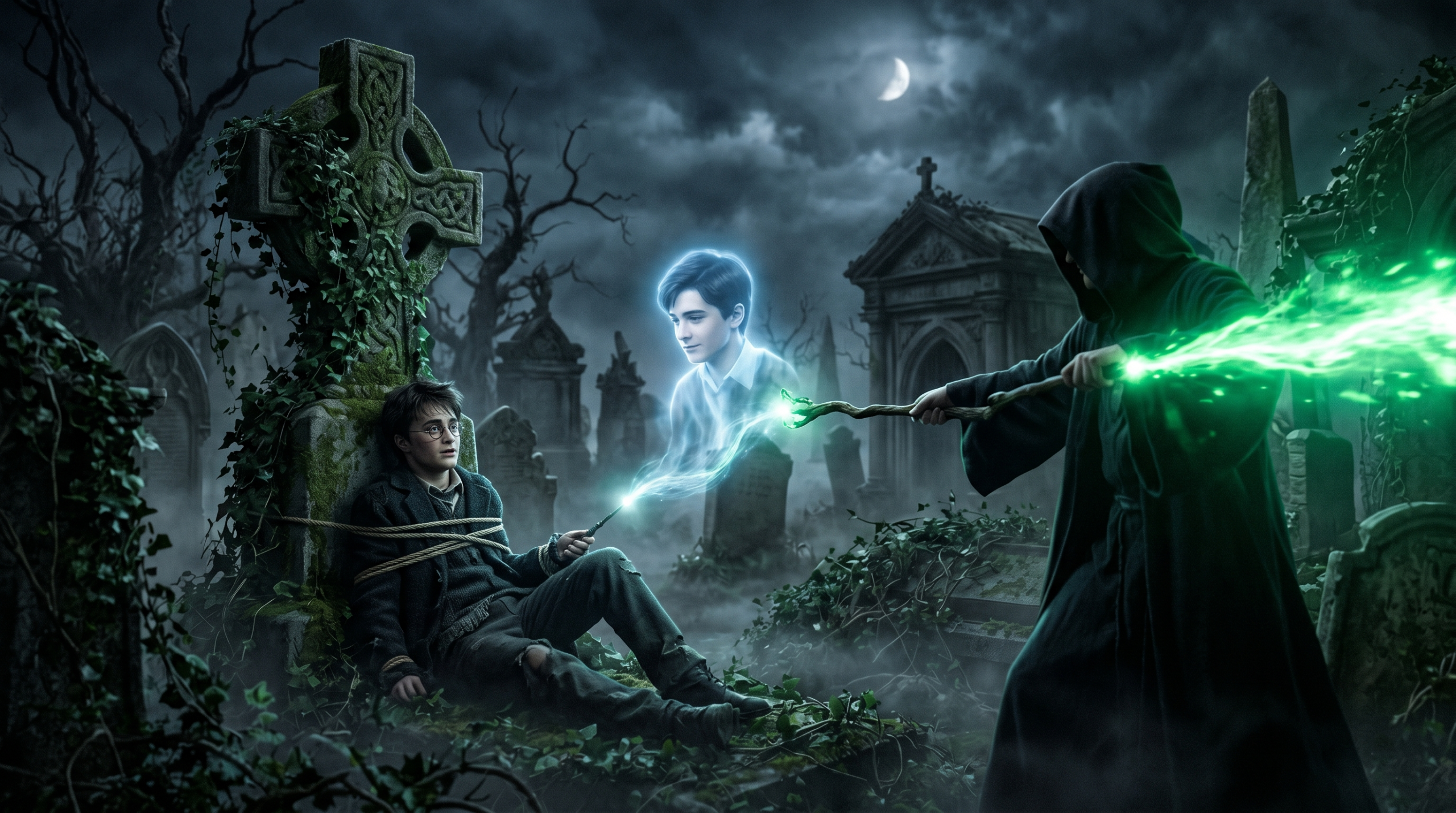
During the fateful duel between Harry and Voldemort in the graveyard, their twin wand cores connect, triggering Priori Incantatem (the reverse spell effect). The spectral echoes of Voldemort’s most recent victims emerge, including Cedric.
Even in the form of a spiritual echo, Cedric retains his core traits. He does not panic, nor does he demand vengeance. Instead, he helps protect Harry from Voldemort and makes one final, heartbreaking request: “Harry… take my body back, will you? Take my body back to my parents.” This single request becomes Harry’s driving motivation to break the wand connection, dive for the Portkey, and survive. Cedric, even in death, gave Harry the focus he needed to escape.
 Expert Insights & Deep-Lore Analysis
Expert Note on Thematic Resonance:
Structurally, Cedric Diggory’s character mirrors classic mythological heroes like Achilles or Hector from ancient epics—flawless, universally admired, and ultimately doomed. By placing a traditional, chivalric hero in a modern dark fantasy landscape, J.K. Rowling highlighted a grim reality: the coming Second Wizarding War would not respect classic heroic tropes. Valor and fair play are not shields against the Killing Curse. Cedric’s death is the ultimate subversion of the “hero’s journey,” proving that in Voldemort’s war, being good is not enough to guarantee survival.
Furthermore, analyzing Cedric’s impact reveals a massive shift in Hogwarts house dynamics. Before Cedric, Hufflepuff was rarely viewed as a threat or a seat of power. Following his death, the house became deeply militarized against Voldemort, culminating in the Battle of Hogwarts where Hufflepuff produced the second-highest number of students who stayed to fight the Death Eaters, trailing only Gryffindor. That unwavering bravery was Cedric’s ultimate legacy.
 Frequently Asked Questions
Q: What house was Cedric Diggory from Harry Potter in?
A: Cedric Diggory was the Seeker, Captain, and a Prefect for Hufflepuff House. He remains one of their most celebrated historical figures, embodying their core traits of hard work, dedication, patience, and fair play.
Q: Who killed Cedric Diggory?
A: Cedric was murdered by Peter Pettigrew (also known as Wormtail). However, Pettigrew was acting under the direct, explicit orders of Lord Voldemort and used Voldemort’s own wand to cast the fatal Avada Kedavra curse.
Q: How old was Cedric Diggory when he died?
A: Cedric was 17 years old. He was in his sixth year at Hogwarts School of Witchcraft and Wizardry when he was murdered in the Little Hangleton graveyard on June 24, 1995.
Q: What is the alternate timeline significance of Cedric in The Cursed Child?
A: In the stage play Harry Potter and the Cursed Child, an alternate “What If” timeline is explored where Albus Potter and Scorpius Malfoy use a Time-Turner to humiliate Cedric during the Triwizard Tournament to save his life. In this dark alternate reality, the humiliation causes Cedric to become deeply embittered, eventually joining the Death Eaters and killing Neville Longbottom. This fascinating lore addition reinforces a critical point: Cedric’s honor and purity in the prime timeline were paramount. His tragic death preserved his soul, whereas the alternative would have destroyed the very essence of who he was.
Cedric Diggory from Harry Potter was never just a “spare” to the readers, to his friends, or to the overarching narrative of the wizarding world. He was the ultimate benchmark of wizarding virtue, a beacon of Hufflepuff pride, and the tragic catalyst that forced a generation to wake up and fight the encroaching darkness. Without Cedric’s sacrifice, the resistance may never have formed, and the emotional stakes of the Second Wizarding War would not have carried the same devastating weight.
What are your thoughts on Cedric’s legacy? Do you think the Ministry’s denial of Voldemort’s return would have lasted as long if a high-profile Gryffindor or Slytherin student had been killed instead of a Hufflepuff? Let us know in the comments below!