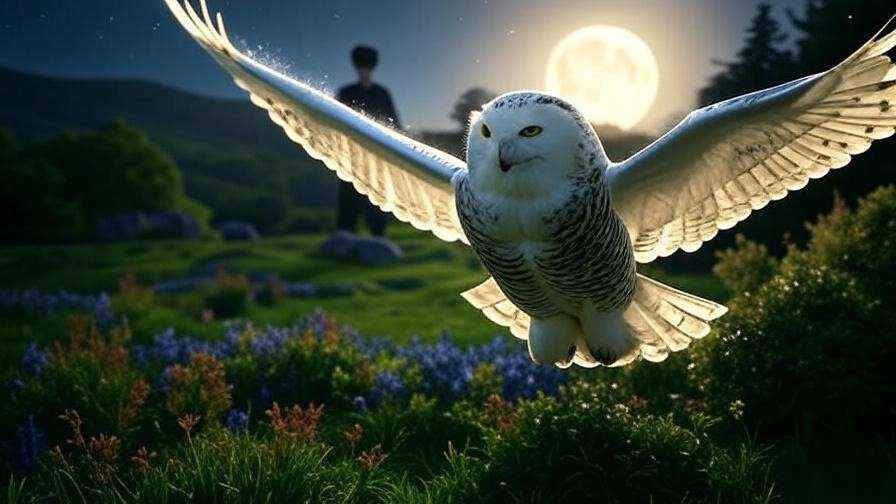
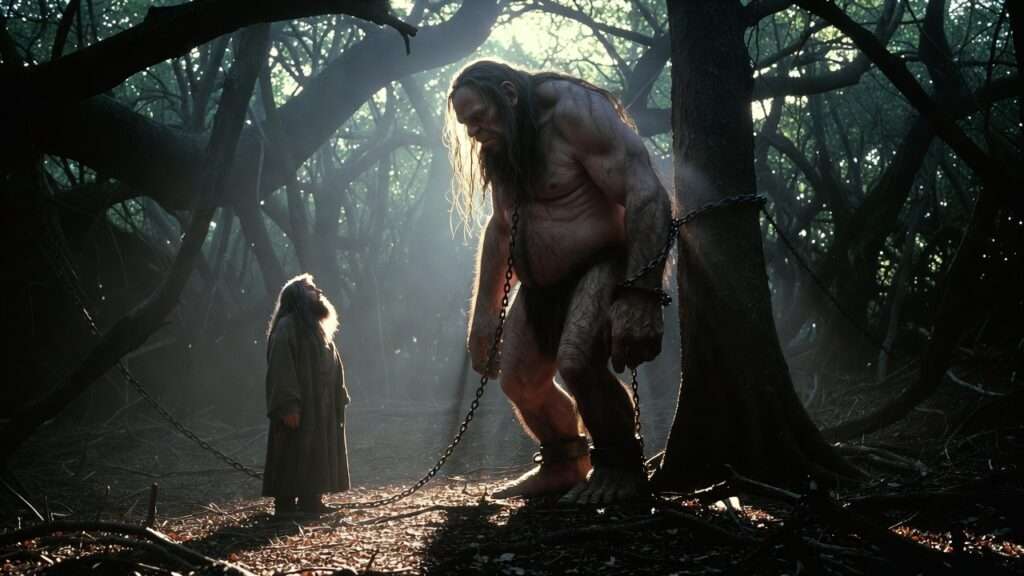
Imagine trekking deep into the shadowy depths of the Forbidden Forest, where ancient trees loom like silent guardians, and suddenly hearing a thunderous roar that shakes the ground: “HAGGER!” A massive figure emerges—sixteen feet of raw power and confusion—yet this towering being isn’t a mindless monster. He’s family. He’s Hagrid’s half-brother, Grawp, a character whose journey from violent outcast to loyal defender captures the heart of what makes the Harry Potter series so enduring: themes of prejudice, redemption, and unbreakable bonds.
For Harry Potter fans who have encountered Grawp Harry Potter references in books or films, questions often linger. Who exactly is this giant? Why did Hagrid risk everything to bring him to Hogwarts? How does he fit into the larger wizarding world struggle against Voldemort? This comprehensive guide dives deep into Grawp’s origins, key moments across the series, differences between book and movie portrayals, and the profound symbolism he brings to J.K. Rowling’s universe. Whether you’re rereading Order of the Phoenix, analyzing character arcs, or simply curious about one of the series’ most misunderstood figures, this exploration reveals why Grawp deserves far more attention than he often receives.
Who Is Grawp? The Basics of Hagrid’s Giant Half-Brother
At his core, Grawp is a full-blooded giant and the maternal half-brother of Rubeus Hagrid. Shared mother: the giantess Fridwulfa. Different fathers—Hagrid’s was a wizard (Mr. Hagrid), while Grawp’s was an unnamed full giant. This makes Grawp a “pure” giant in blood, yet ironically smaller than his kin.
Physically, Grawp stands sixteen feet tall—a runt by giant standards, where adults typically tower between twenty and twenty-five feet. His greyish skin, mop of brown-greenish hair, and enormous features give him an intimidating presence. When lying down, he resembles a “little mound of land,” as Hagrid once described. Despite his size, Grawp’s smaller stature led to relentless bullying in the giant colony, marking him as weak in a culture that equates height with strength and status.
His name itself is endearing in its simplicity. “Grawp” is how he pronounces his own name in his limited, guttural English—Hagrid adopted it affectionately. Early on, Grawp speaks little beyond calling for “HAGGER” (Hagrid) and later “HERMY” (Hermione Granger), showcasing his gradual progress under Hagrid’s patient tutelage.
This familial connection ties directly into Hagrid’s own backstory. Fridwulfa abandoned Hagrid and his father when Hagrid was just three, returning to her giant kind. Years later, she bore Grawp. The revelation of this half-brother adds emotional depth to Hagrid’s character—a man who has always felt like an outsider due to his half-giant heritage now finds purpose in protecting someone even more marginalized.
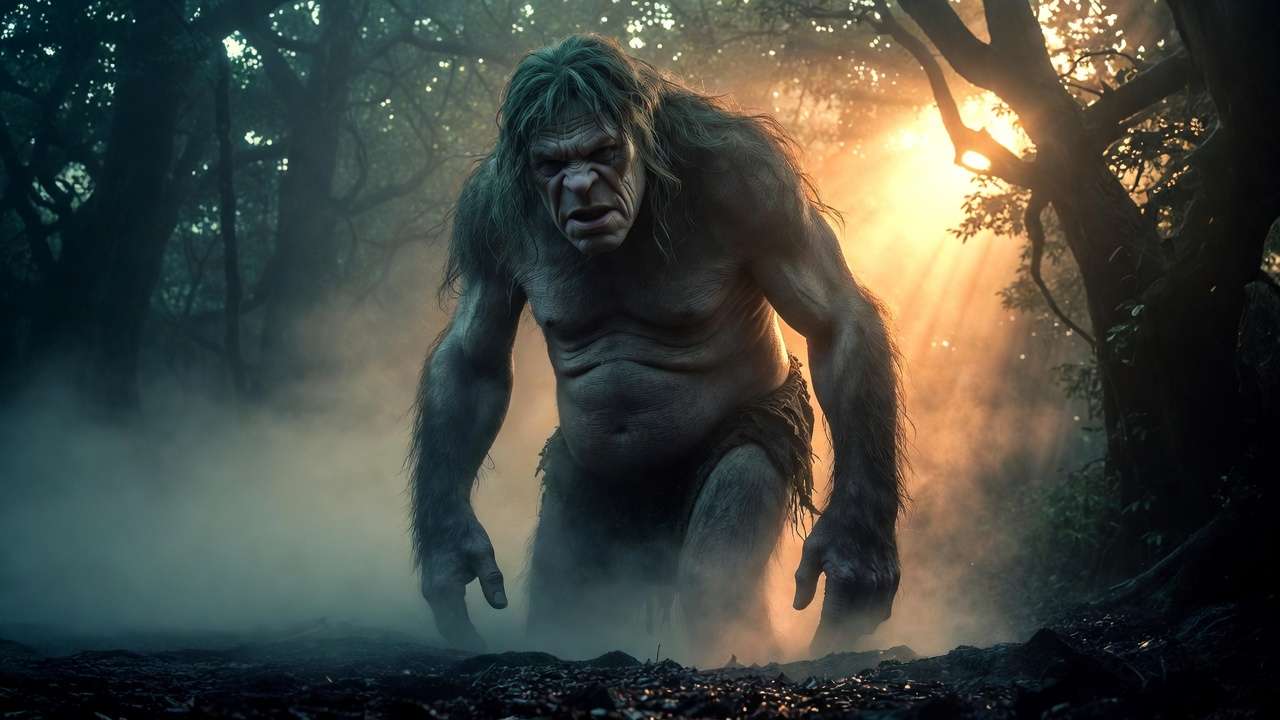 Grawp’s Backstory: From Giant Colony to Forbidden Forest
Grawp’s early life was one of hardship. In the remote mountain colonies where giants dwell—harsh, isolated places far from wizarding society—he endured abuse for being undersized. Giants value brute size and strength above all; anything less invites violence. Hagrid learns of Grawp’s existence during the summer of 1995, when he and Olympe Maxime undertake a secret mission for Albus Dumbledore: to recruit giants to the fight against Voldemort.
The mission fails disastrously. Death Eaters, led by figures like Walden Macnair, influence the giant leader Golgomath, turning the colony hostile. Amid the chaos, Hagrid discovers his half-brother—beaten, isolated, and vulnerable. Moved by familial loyalty and his own history of being shunned for his giant blood, Hagrid refuses to leave Grawp behind.
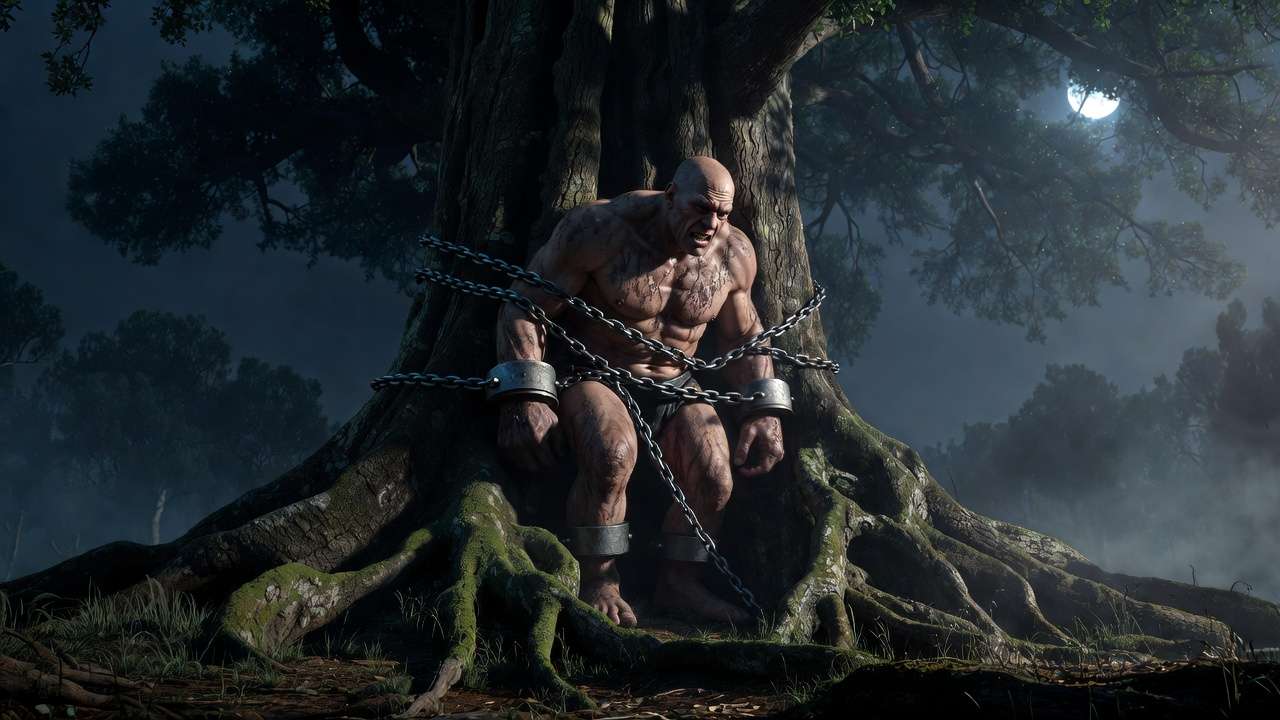
Transporting a sixteen-foot giant across Europe proves no small feat. Hagrid uses magic, sheer determination, and Maxime’s help to smuggle Grawp back to Britain. Upon arrival at Hogwarts, Hagrid chains Grawp to a tree in the Forbidden Forest for safety—both Grawp’s and everyone else’s. Initially, Grawp reacts with fury: ripping up trees, attacking Hagrid, and causing injuries that leave the gamekeeper battered and bruised for months.
Yet Hagrid persists. He visits regularly, teaching Grawp rudimentary English, manners, and affection. This act of kindness mirrors Hagrid’s broader philosophy: everyone deserves a chance, regardless of blood or background. Grawp’s relocation highlights the wizarding world’s prejudice against “creatures” like giants—feared, misunderstood, and often recruited by dark forces due to their strength and isolation.
 Grawp in Harry Potter and the Order of the Phoenix: Key Moments
Harry Potter and the Order of the Phoenix introduces Grawp in Chapter 30, aptly titled “Grawp.” Hagrid, fresh from his mission, reveals the secret to Harry and Hermione during a clandestine meeting in the forest while Ron competes in a Quidditch match.
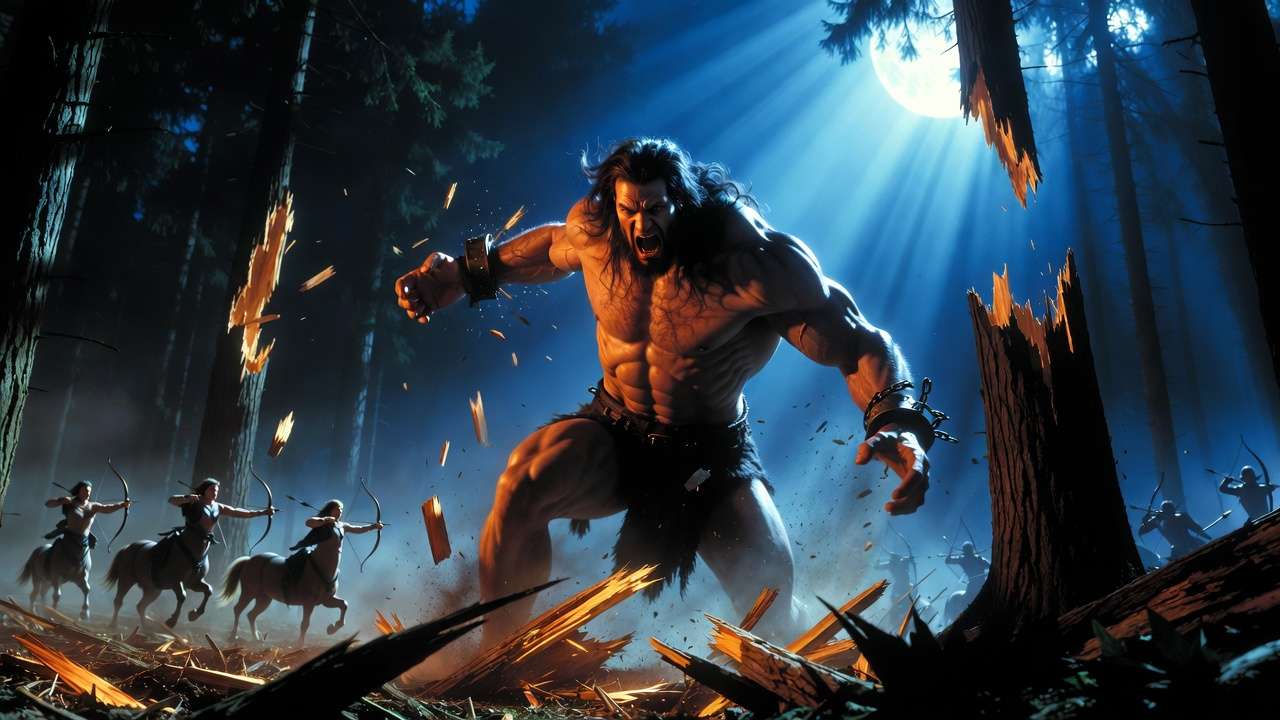
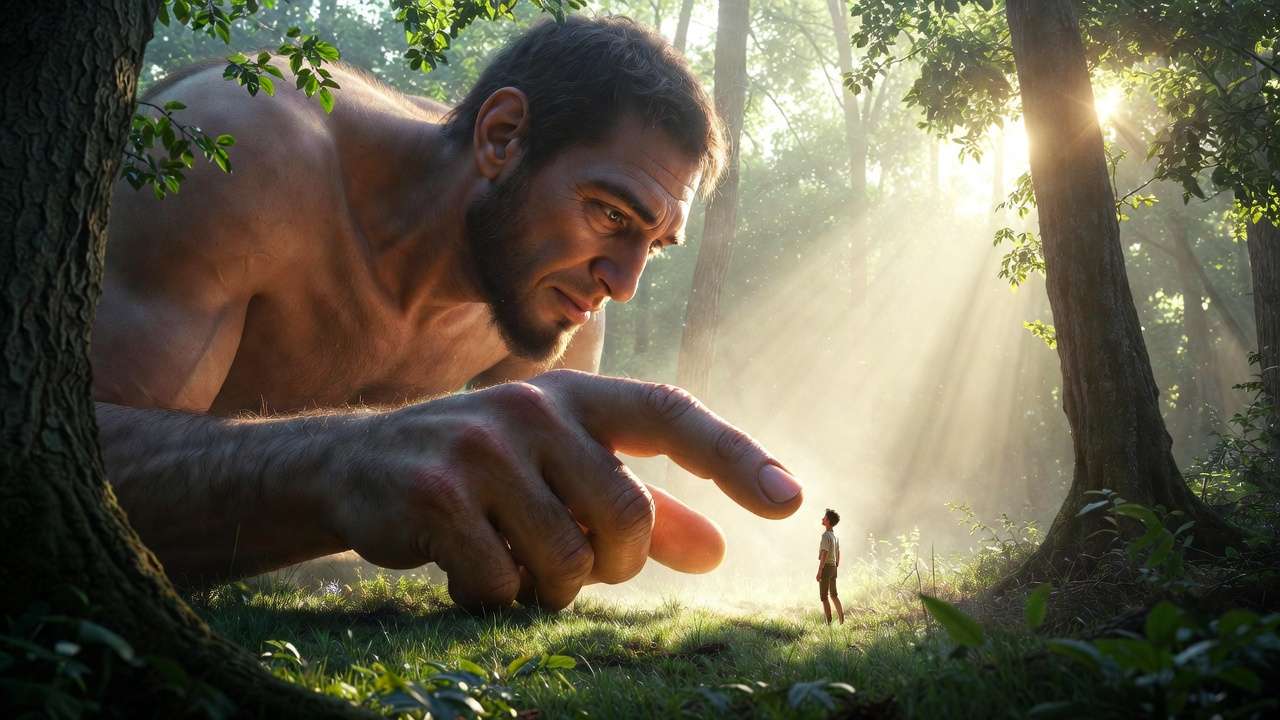
The first encounter is chaotic. Tied to an enormous tree with chains, Grawp thrashes wildly, uprooting saplings and roaring. Harry and Hermione witness Hagrid’s black eyes and cuts—evidence of Grawp’s violent outbursts. Yet glimpses of gentleness emerge: Grawp shows curiosity toward Hermione, even attempting to touch her hair delicately (though his massive fingers nearly crush her).
Over time, Grawp improves. Hagrid’s lessons pay off—he begins responding to his name, shows affection, and protects those close to Hagrid. The pinnacle comes during the book’s climax in the Forbidden Forest. After tricking Dolores Umbridge into following them, Harry and Hermione face a hostile centaur herd. The centaurs, enraged by human intrusion and territorial threats (including Grawp’s presence disturbing their habitat), prepare to attack.
In a heroic moment, Grawp breaks free from his chains. He charges the centaurs, distracting them long enough for Harry and Hermione to escape. Arrows pierce his tough skin, but he fights on, buying precious time. This act transforms Grawp from a burden into a savior, underscoring that loyalty and family can overcome even the most primal instincts.
These scenes deepen the novel’s exploration of prejudice. Giants, like house-elves and werewolves, suffer from wizarding society’s biases—yet Grawp’s bond with Hagrid proves that understanding and kindness can bridge divides.
 Book vs. Movie: How Grawp Differs in Harry Potter and the Order of the Phoenix
The 2007 film adaptation of Harry Potter and the Order of the Phoenix condenses Grawp’s role significantly, turning what is a multi-chapter emotional arc in the book into a brief, mostly comedic sequence. This change is one of the more noticeable cuts that affect Hagrid’s character development and the giant lore overall.
In the movie, directed by David Yates, Grawp appears for roughly five minutes. Hagrid introduces him to Harry, Hermione, and (briefly) Ron during a forest visit. The giant is shown chained to a tree, but his initial aggression is downplayed. Instead of repeated violent outbursts and months of Hagrid’s injuries, we see a single, almost playful scene: Grawp reaches for Hermione with surprising gentleness, and Hagrid explains that he’s teaching him manners. The film emphasizes Grawp’s curiosity and budding affection rather than his rage.
The pivotal centaur confrontation is entirely omitted. In the book, Grawp’s escape and battle with the centaurs is a dramatic turning point that saves Harry and Hermione’s lives and showcases his growing loyalty. The movie replaces this with a different rescue sequence involving the centaurs and Thestrals, removing Grawp from the equation entirely.
Post-Order of the Phoenix, Grawp disappears from the films completely. There are no references to him in Half-Blood Prince or Deathly Hallows—not even during the Battle of Hogwarts, where he plays a memorable role in the books.
These changes serve practical purposes: the film had to trim a 870-page novel into a two-hour runtime, and giant-related special effects were costly and time-intensive. Tony Maudsley provided motion-capture performance for Grawp, bringing a softer, more childlike quality to the character that aligns with the movie’s lighter tone in those scenes.
However, the cuts come at a cost. The books present Grawp’s transformation as gradual and hard-won—requiring patience, pain, and genuine care from Hagrid. This arc enriches Hagrid’s portrayal as a nurturing, empathetic figure who sees beyond appearances. The film version makes Grawp feel more like a quirky side character than a redeemed family member with real stakes.
For fans who prefer the books, Grawp’s fuller portrayal offers deeper emotional payoff and stronger thematic resonance. The movie simplifies him into comic relief, while the novels treat him as a serious exploration of prejudice, family, and second chances.
 Grawp’s Later Appearances and Fate in the Series
After Order of the Phoenix, Grawp’s presence becomes quieter but no less meaningful.
During the events of Harry Potter and the Half-Blood Prince, Hagrid is forced to flee Hogwarts after being accused of opening the Chamber of Secrets (again) and for his half-giant heritage. Grawp remains in the Forbidden Forest, living near Hagrid’s hut and cave. When Hagrid returns briefly, he continues caring for his brother, showing that their bond has solidified.
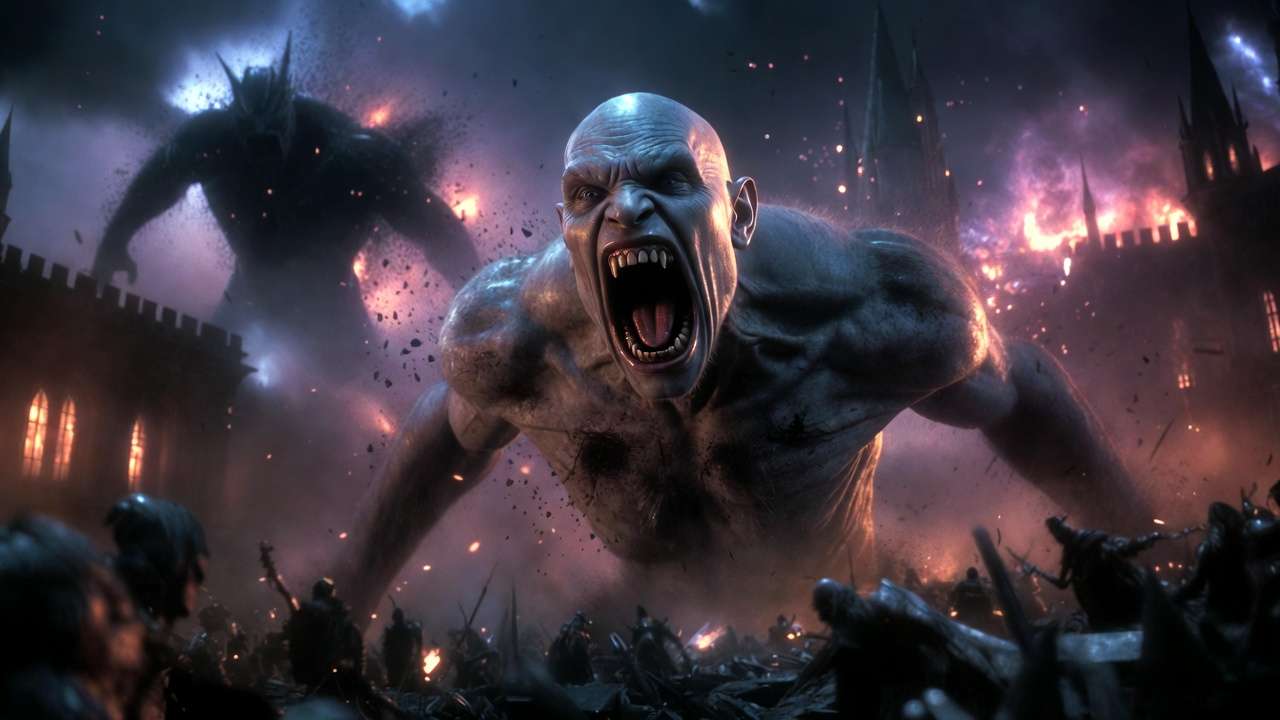
The most significant later appearance comes in Harry Potter and the Deathly Hallows. During the Battle of Hogwarts, Grawp fights on the side of the defenders. J.K. Rowling describes a dramatic clash: Grawp battles enemy giants summoned by Voldemort, grappling with them in the grounds outside the castle. The text notes his roars of “HAGGER!” as he charges into combat, protecting the school and those he loves.
Though the battle leaves many casualties, Grawp survives. The final book does not provide an epilogue-style update on his life after Voldemort’s defeat, but given Hagrid’s continued presence at Hogwarts (as gamekeeper and later Care of Magical Creatures professor in the Cursed Child era), it is reasonable to assume Grawp remains nearby—perhaps living in the forest or even closer to the castle grounds, finally accepted as part of the Hogwarts community.
This quiet resolution fits Grawp’s arc: he never becomes a central hero like Harry, but he finds belonging and purpose through family.
 Why Grawp Matters: Themes and Symbolism in the Harry Potter World
Grawp is far more than comic relief or a plot device—he is one of Rowling’s most poignant illustrations of several core series themes.
First, family and belonging. The wizarding world is full of broken or unconventional families: Harry orphaned, the Weasleys large but loving, Snape’s tragic past. Grawp extends this to non-human characters. Hagrid, abandoned by his mother as a child, finds purpose in rescuing and raising his half-brother. Their relationship redeems Fridwulfa’s abandonment, showing that blood ties can be rebuilt through choice and care.
Second, prejudice against “creatures.” Giants are portrayed as savage and dangerous, yet Grawp demonstrates that much of this reputation stems from societal rejection and harsh living conditions rather than inherent evil. Voldemort exploits giants because they are marginalized and desperate; Dumbledore seeks alliance through understanding. Grawp’s redemption arc challenges the notion that certain beings are irredeemable.
Third, redemption and second chances. Like Kreacher, Firenze, or even Draco Malfoy in subtle ways, Grawp starts as violent and feared but grows through kindness. His journey mirrors Hagrid’s own: both are judged by blood rather than actions, and both prove their worth through loyalty.
In a broader sense, Grawp humanizes the giant race. By giving one giant a name, voice (however limited), and emotional growth, Rowling invites readers to question stereotypes and see the individual behind the label.
Fun Facts, Quotes, and Lesser-Known Details About Grawp
- Grawp’s name is deliberately simple and childlike, reflecting his rudimentary language skills and innocent core.
- Iconic quotes include: “HAGGER!” (his constant call for Hagrid) and “HERMY! WHERE HAGGER?”—delivered with surprising tenderness toward Hermione.
- In the book, Grawp learns to say “please” and “thank you” under Hagrid’s tutelage, a small but touching detail.
- J.K. Rowling has never given an official pronunciation guide, but most fans say “Grawp” to rhyme with “grasp.”
- Behind-the-scenes: Creating Grawp for the film required extensive motion-capture work; Tony Maudsley wore stilts and performed in a giant suit to capture the character’s movements.
- Fan theory: Some speculate Grawp could have played a larger role in an unproduced storyline involving giant politics, though Rowling has not confirmed this.
FAQs About Grawp in Harry Potter
Is Grawp in all the Harry Potter books/movies? No. He appears only in Order of the Phoenix (books and film) and briefly in Deathly Hallows (book only). He is absent from the later films.
How tall is Grawp compared to other giants? Sixteen feet—considered very short. Typical adult giants reach 20–25 feet.
Does Grawp survive the Battle of Hogwarts? Yes. He fights against enemy giants and is not listed among the fallen.
Why did Hagrid bring Grawp to Hogwarts? To protect him from abuse in the giant colony and because of their familial bond. Hagrid saw him as a brother who needed help.
What happened to Grawp after the series ends? The books do not specify, but he likely stayed near Hogwarts with Hagrid, living a quieter, accepted life.
Book vs. movie: Which version of Grawp is better? Most fans prefer the book’s deeper, more emotional portrayal. The movie offers a charming, lighter take but sacrifices much of his development and importance.
From a chained, raging outcast in the Forbidden Forest to a roaring defender in the Battle of Hogwarts, Grawp’s journey is one of the Harry Potter series’ quietest yet most powerful redemption stories. He reminds us that family isn’t always given—sometimes it’s chosen, fought for, and nurtured through patience and love. In a world shadowed by prejudice and war, Grawp stands as proof that even the most feared and misunderstood can find their place when met with kindness.
If Grawp has a favorite moment for you—whether it’s his gentle reach toward Hermione or his heroic charge against the centaurs—share it in the comments below. And if you’re hungry for more deep dives into Hagrid’s world, the half-giant family tree, or other overlooked characters, explore the rest of the blog. There’s always more magic waiting to be uncovered.