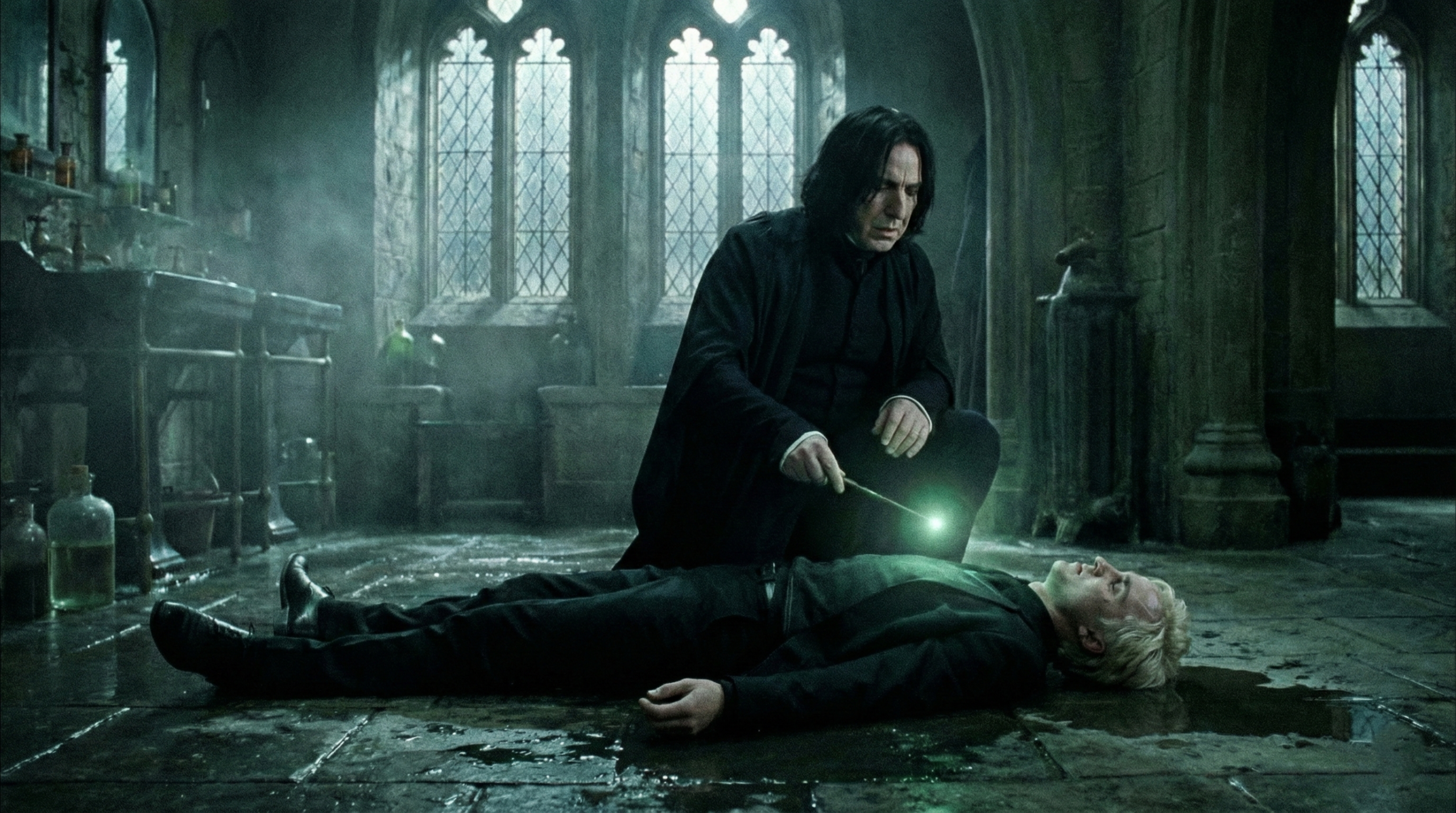
In the heat of battle inside a dimly lit Hogwarts bathroom, Draco Malfoy lay bleeding profusely from deep gashes inflicted by Harry’s accidental use of Sectumsempra. Severus Snape rushed in, knelt beside the dying boy, and traced his wand over the wounds while chanting in a low, almost melodic voice: Vulnera Sanentur… Vulnera Sanentur… Vulnera Sanentur. The blood slowed, the gashes began to knit, and Draco’s life was pulled back from the brink. This dramatic moment from Harry Potter and the Half-Blood Prince perfectly captures why Harry Potter healing spells fascinate fans: they represent hope, expertise, and the fragile line between life and death in the wizarding world.
Whether you’re rereading the books, rewatching the films, or diving into fan theories, searches for “Harry Potter healing spell” often stem from a desire to understand these lifesaving charms fully. Fans want the complete list, how each works, iconic scenes where they’re used, and why healing magic isn’t an instant cure-all like in some fantasy stories. This in-depth guide draws directly from J.K. Rowling’s seven novels, the official films, Wizarding World Pottermore archives, and reliable canon sources like the Harry Potter Wiki to deliver the most comprehensive resource available. We’ll cover every known healing spell, their limitations, memorable moments, and insights into wizarding medicine — helping you appreciate the depth of Rowling’s world-building and perhaps even apply that knowledge to trivia nights or fanfiction.
Healing magic isn’t omnipotent — it reflects the series’ themes of resilience, consequence, and the acceptance that some wounds (physical or emotional) never fully vanish. Let’s explore the spells that mend wounds and save lives.
What Is Healing Magic in the Harry Potter Universe?
Healing magic forms a specialized branch of wizarding magic dedicated to improving the physical condition of living beings. Unlike offensive spells or transfigurations, healing spells focus on restoration — mending broken bones, staunching blood, clearing airways, or reviving the stunned. However, it’s far from simple or foolproof.
At Hogwarts, healing isn’t a core subject for young students. Basic first-aid charms might appear in advanced Charms classes, but full mastery requires professional training. Madam Poppy Pomfrey, the Hogwarts matron, handles everything from Quidditch injuries to magical maladies, while St. Mungo’s Hospital for Magical Maladies and Injuries employs trained Healers for complex cases like Dragon Pox, spattergroit, or curse damage.
A key distinction exists between healing spells and potions. Spells offer immediate, external fixes — think quick charms for cuts or fractures — while potions address internal or long-term issues. For example:
- Skele-Gro painfully regrows bones overnight after they’re vanished.
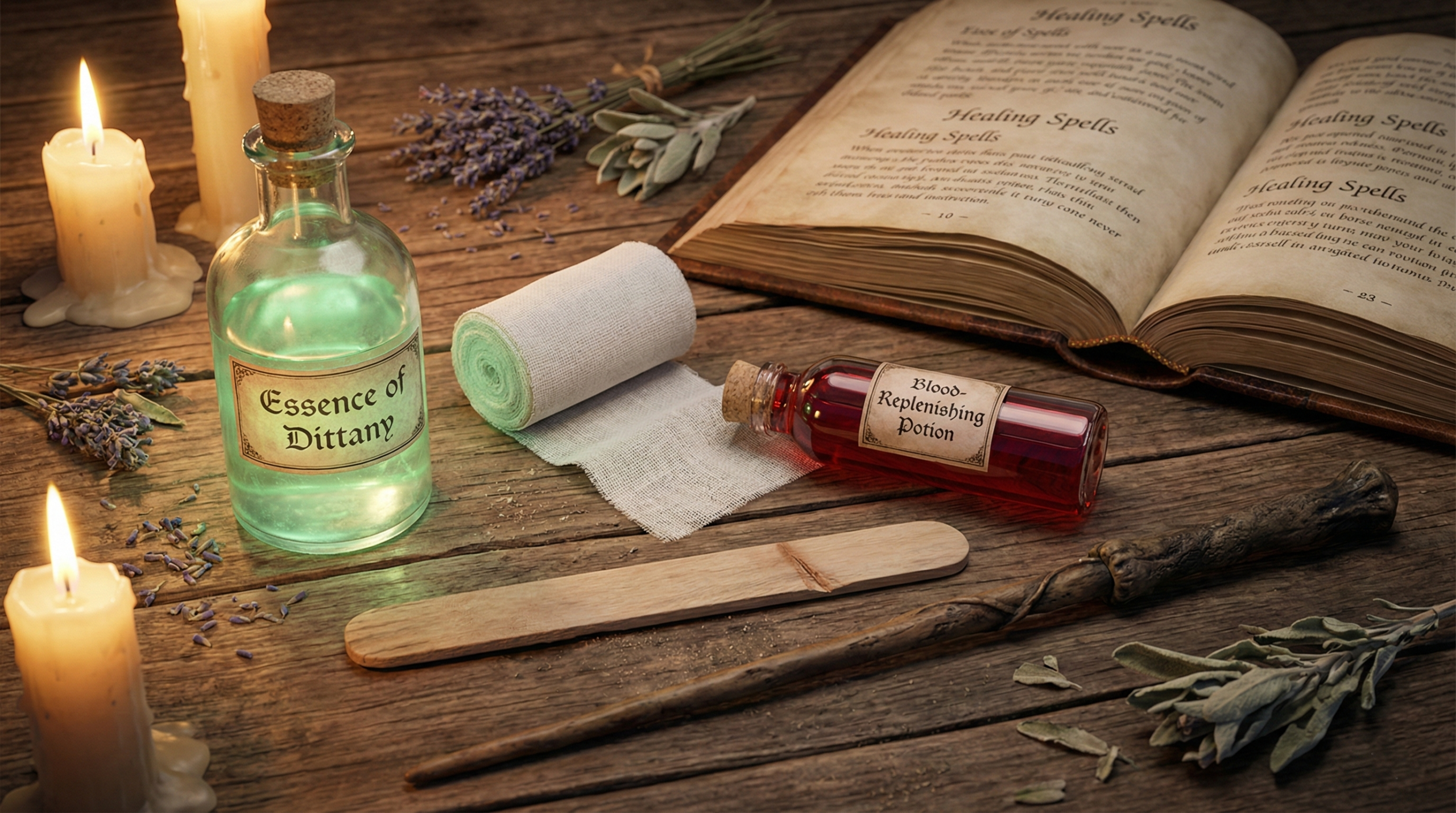
- Essence of Dittany prevents scarring on deep wounds.
- Blood-Replenishing Potion restores lost blood volume.
- Pepperup Potion clears common colds with steam from the ears.
Spells suit urgent trauma; potions handle regeneration or disease. Both are often combined, as seen when Snape uses Vulnera Sanentur to stop Draco’s bleeding, then applies dittany to avoid scars.
Limitations define healing magic’s realism. It cannot reverse death (as the Resurrection Stone proves, only shades return). Dark curses like those from the Unforgivables leave lasting damage — the Longbottoms’ insanity from prolonged Cruciatus remains incurable. Werewolf bites scar permanently (Bill Weasley’s face after Fenrir Greyback’s attack), and some magical ailments resist full cure. Wizards still catch Muggle illnesses like colds, underscoring that magic has boundaries. This restraint makes Rowling’s world feel grounded: power comes with responsibility, and incompetence (like Lockhart’s mishaps) can worsen harm.
The Complete List of Harry Potter Healing Spells
Here’s every canon healing spell, categorized by severity and type. Details include incantation, pronunciation (where known), effects, notable users, and sources. This list prioritizes book canon, with film/game mentions noted.
Minor Injury and Quick-Fix Spells
These handle everyday or moderate damage — perfect for classroom accidents or duels.
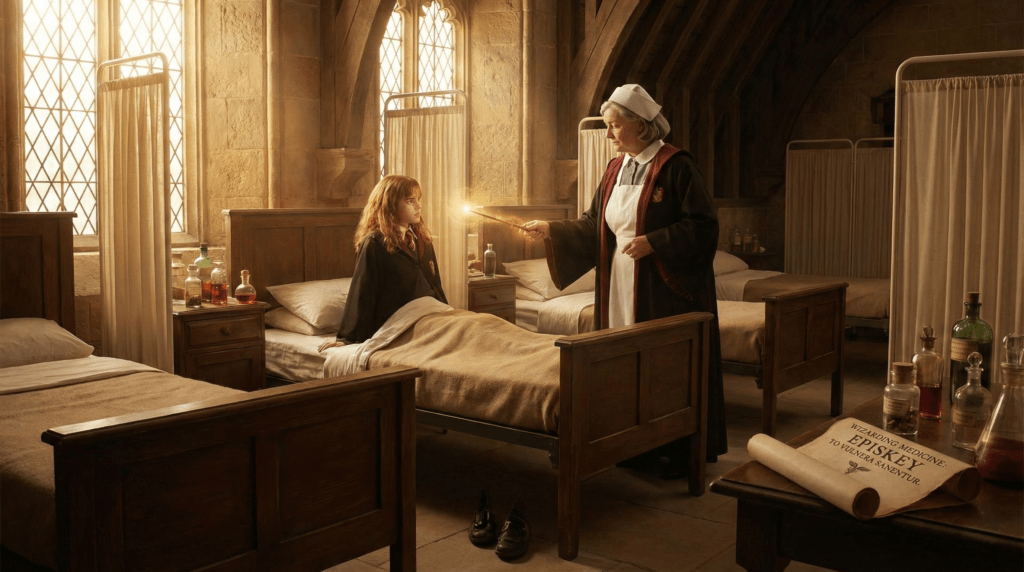
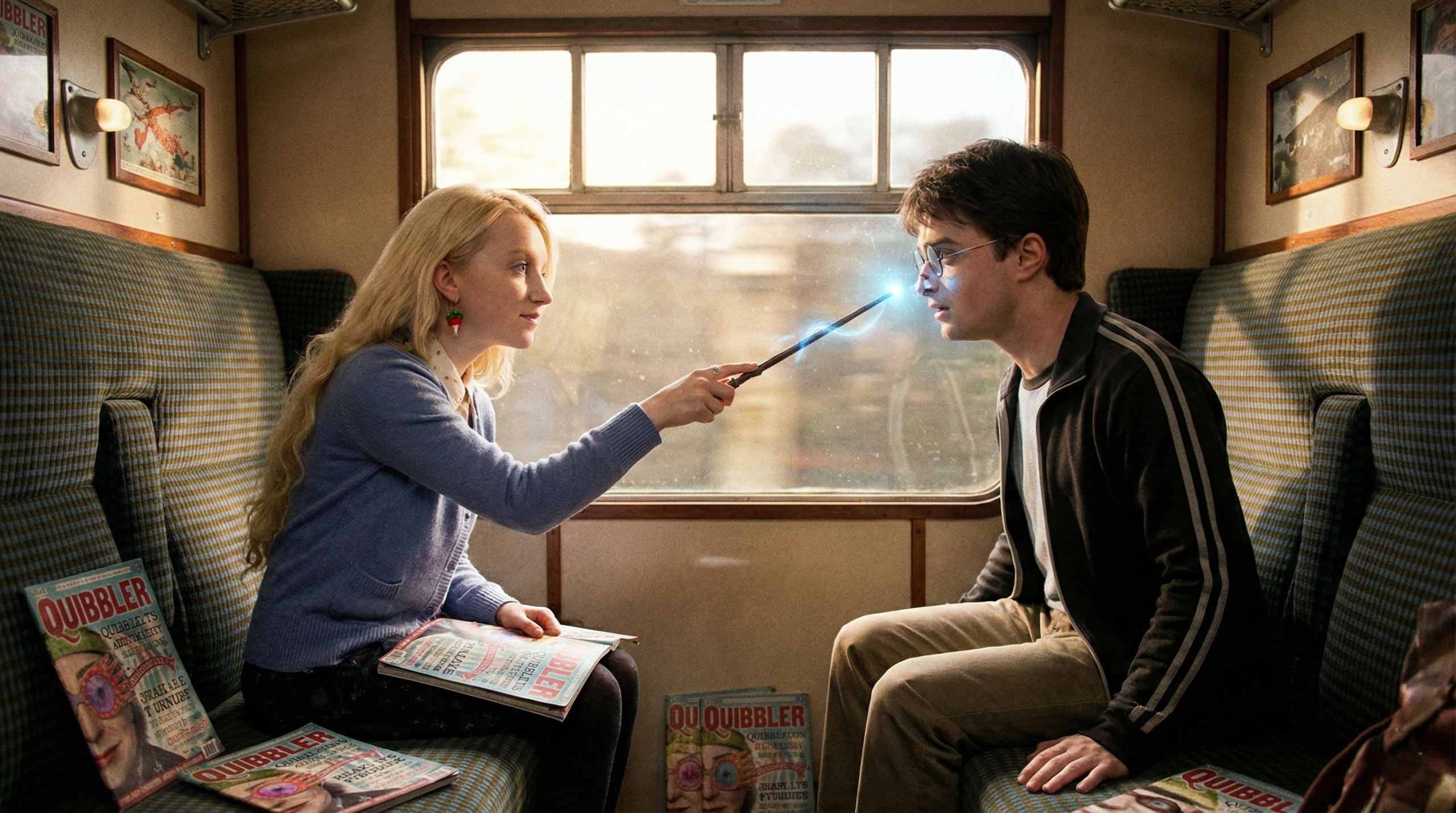
- Episkey Pronunciation: ee-PIS-key Effect: Heals minor injuries like broken noses, split lips, or cartilage damage. Causes a brief hot-then-cold sensation. Notable Use: Luna Lovegood fixes Harry’s broken nose on the Hogwarts Express (Half-Blood Prince, Chapter 8); Tonks also uses it on Harry. Type: Charm. A go-to for quick fixes when Madam Pomfrey isn’t around.
- Anapneo Pronunciation: ah-NAP-nee-oh Effect: Clears blocked airways, saving someone from choking. Notable Use: Horace Slughorn uses it on Marcus Belby during a Slug Club dinner (Half-Blood Prince, Chapter 7). Type: Vanishment spell.
- Tergeo Pronunciation: TER-jee-oh Effect: Cleans wounds or surfaces of blood/dirt (often preparatory for healing). Notable Use: Mentioned in extended canon contexts for wound cleaning.
Bone and Fracture Spells
These target structural damage, but miscasting risks disaster.
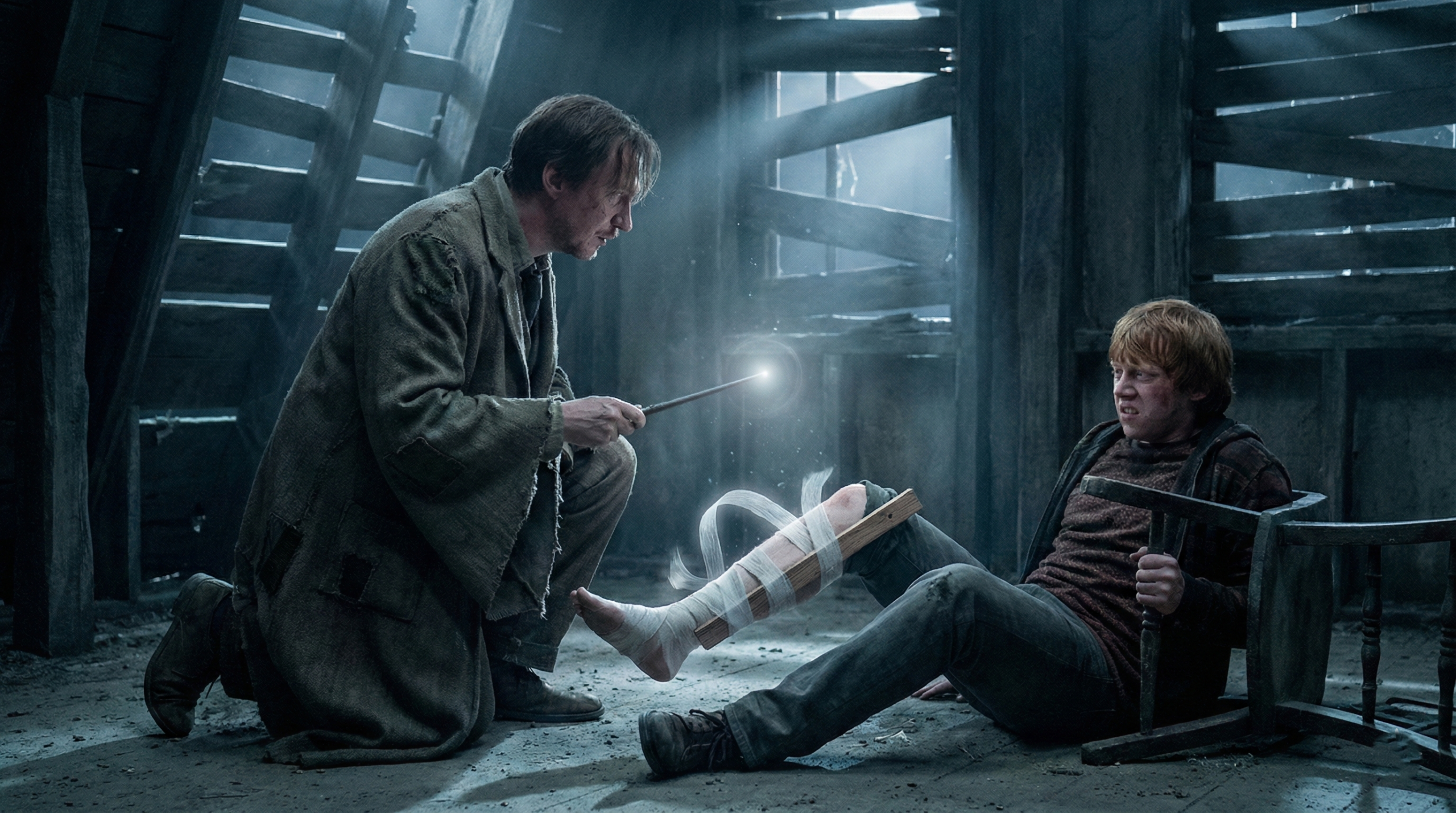
- Ferula (Bandaging Charm) Pronunciation: feh-ROO-lah Effect: Conjures bandages and splints to immobilize fractures while easing pain. Notable Use: Remus Lupin applies it to Ron’s broken leg in the Shrieking Shack (Prisoner of Azkaban, Chapter 19). Type: Conjuration. Quote: “Bandages spun up Ron’s leg, strapping it tightly to a splint.”
- Brackium Emendo Pronunciation: BRA-key-um ee-MEN-doh Effect: Intended to mend broken bones. Notable Use: Gilderoy Lockhart disastrously casts it on Harry’s arm, vanishing all bones instead (Chamber of Secrets, Chapter 10). Risk: Poor execution requires Skele-Gro regrowth.
- Ossio Dispersimus Pronunciation: OH-see-oh dis-PER-sih-mus Effect: Vanishes bones (anti-healing in misuse). Notable Use: Lockhart reference in games.
 Advanced and Life-Saving Spells
Reserved for severe trauma, often by experts.
- Vulnera Sanentur Pronunciation: VUL-ner-ah sah-NEN-toor Effect: Heals deep wounds and gashes; counter-curse to Sectumsempra. Repeated thrice: slows bleeding, clears residue, knits flesh (dittany needed for no scars). Notable Use: Snape saves Draco from Harry’s Sectumsempra in the bathroom (Half-Blood Prince, Chapter 24; film scene iconic). Snape’s chant-like delivery adds drama. Type: Advanced healing spell, invented by Snape as counter to his own curse.
Other mentions include:
- Rennervate (or Ennervate in older editions): Revives stunned/unconscious people.
- Reviving Spell: General revival from fainting.
- Reparifors: Reverses minor magical ailments (e.g., paralysis).
- Pain extraction spell (from games): Removes pain.
For clarity, here’s a quick comparison:
| Spell | Injury Type | Effectiveness | Risk if Miscast | Famous User/Scene |
|---|---|---|---|---|
| Episkey | Minor breaks/cuts | High | Low | Luna on Harry (train) |
| Ferula | Fractures | High | Low | Lupin on Ron (Shrieking Shack) |
| Vulnera Sanentur | Deep gashes/bleeding | Very High | Moderate (needs dittany) | Snape on Draco (bathroom) |
| Brackium Emendo | Broken bones | High (if correct) | High (vanishes bones) | Lockhart disaster |
These spells showcase variety: from simple fixes to life-or-death interventions requiring skill.
Most Memorable Harry Potter Healing Spell Moments
The true power of healing spells shines brightest in the series’ most emotional and high-stakes scenes. These moments reveal character, showcase expertise (or the lack thereof), and underscore the themes of friendship, sacrifice, and the cost of magic. Below are the standout instances ranked by dramatic impact and fan discussion.
- Snape Saves Draco with Vulnera Sanentur (Harry Potter and the Half-Blood Prince, Chapter 24) This is arguably the most iconic healing spell scene in the entire series. After Harry casts Sectumsempra in a moment of rage, Draco collapses in a pool of blood on the bathroom floor. Snape arrives in seconds, his face pale but focused. He kneels, traces intricate wand patterns over the wounds, and repeats the incantation three times in a soft, almost hypnotic tone: “Vulnera Sanentur… Vulnera Sanentur… Vulnera Sanentur.” The blood flow slows to a trickle, the gashes begin to close, and the immediate danger passes. Snape then applies essence of dittany to prevent scarring. This scene is pivotal for multiple reasons: it reveals Snape’s mastery of dark magic (he invented Sectumsempra, so naturally he knows its counter), it humanizes him in a moment of crisis, and it demonstrates that even the most dangerous wounds can be healed with the right knowledge and calm precision. The film version amplifies the drama with Alan Rickman’s measured delivery and close-up shots of the wounds sealing, making it one of the most visually striking healing sequences.
- Lupin Bandages Ron’s Leg with Ferula (Harry Potter and the Prisoner of Azkaban, Chapter 19) In the Shrieking Shack, after Sirius Black’s dramatic reveal and Peter Pettigrew’s escape attempt, Ron’s leg is broken in the chaos. Remus Lupin, calm despite his own impending transformation, immediately casts Ferula. Bandages whirl out of thin air, wrapping Ron’s leg tightly to a conjured splint while simultaneously dulling the pain. The line “That should keep it stable until we get you to the hospital wing” shows Lupin’s practical, caring nature — even as a fugitive werewolf, he prioritizes student safety. This moment is beloved by fans for its quiet competence and for highlighting how healing spells can be used in everyday emergencies, not just life-or-death duels.
- Luna Lovegood Fixes Harry’s Nose with Episkey (Harry Potter and the Half-Blood Prince, Chapter 8) On the Hogwarts Express, a group of Slytherins (including Draco) attack Harry, breaking his nose. Luna calmly steps forward, points her wand, and says “Episkey.” Harry feels a brief flash of heat, then cold, and his nose is instantly mended. The casual delivery and Luna’s dreamy acceptance make this scene charming and memorable. It’s a perfect example of a minor healing spell used by a non-professional — proof that basic healing charms are accessible to skilled students.
- Gilderoy Lockhart’s Catastrophic Brackium Emendo (Harry Potter and the Chamber of Secrets, Chapter 10) After a rogue Bludger shatters every bone in Harry’s arm during a Quidditch match, Lockhart insists on “helping.” He casts Brackium Emendo with theatrical flair — and promptly vanishes every single bone in Harry’s arm. The aftermath is gruesome yet darkly comic: Harry’s arm flops like rubber as Madam Pomfrey later explains he’ll need a full night of painful Skele-Gro to regrow the bones. This scene serves as a stark warning about the dangers of amateur healing magic and remains one of the funniest-yet-horrifying moments in the series.
- Madam Pomfrey’s Post-Battle Treatments (various books) After major battles — the Department of Mysteries, the Battle of the Astronomy Tower, the Battle of Hogwarts — Madam Pomfrey is frequently shown bustling through the hospital wing, mending broken limbs, sealing cuts, and reviving the unconscious with reviving spells. Her quiet efficiency contrasts with the chaos of war and reinforces the idea that healing is an ongoing, essential part of the wizarding world.
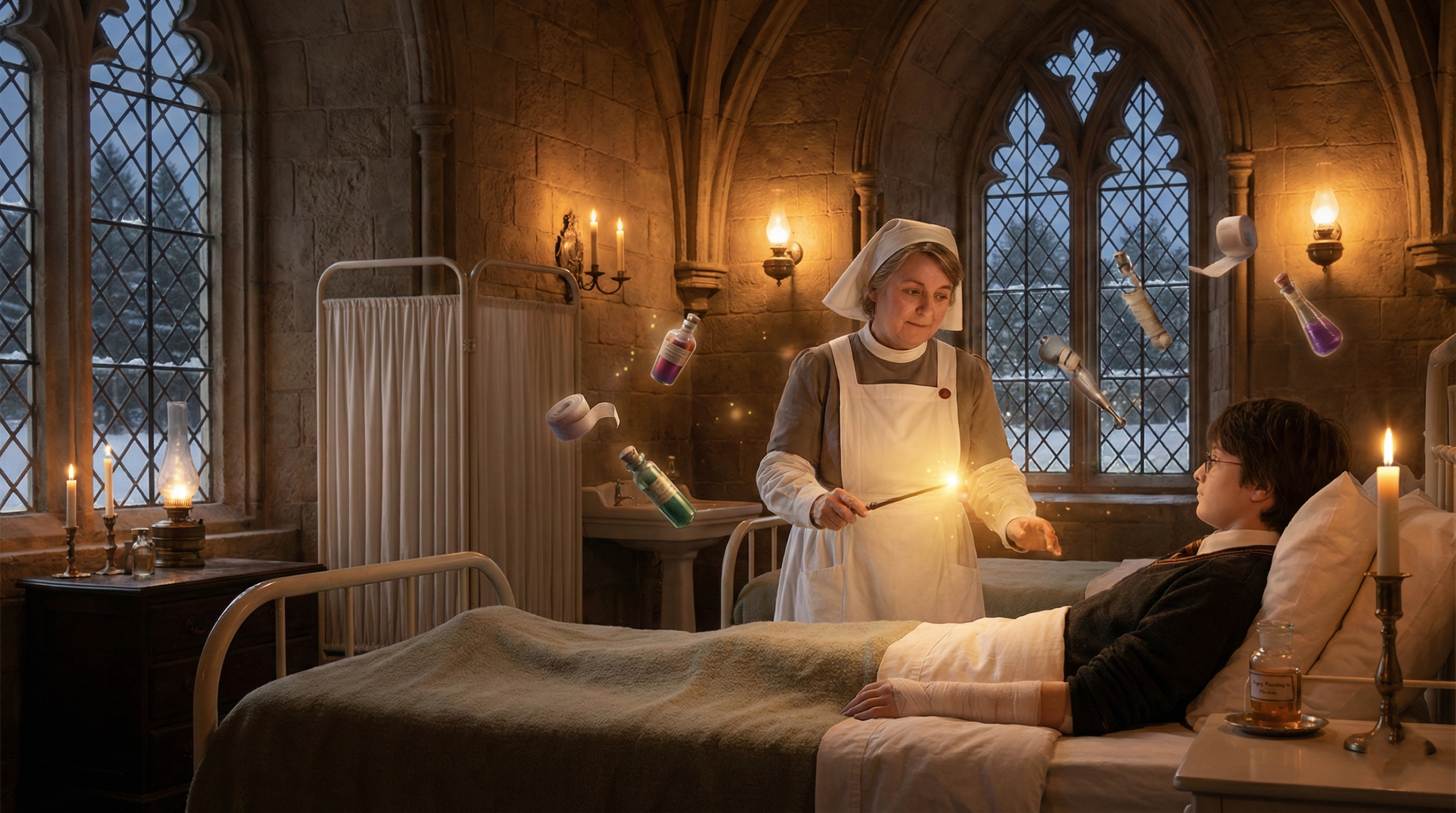 These scenes collectively illustrate that healing spells are not just technical; they carry emotional weight and reveal character traits.
Healing Spells vs. Potions: When Wizards Choose One Over the Other
While spells provide rapid intervention, potions often handle the deeper, slower work of recovery. Understanding this distinction helps explain why no single charm solves every problem.
- Spells excel in immediate trauma: stopping bleeding (Vulnera Sanentur), stabilizing fractures (Ferula), or reviving consciousness (Rennervate). They require a steady wand hand and precise incantation but act in seconds.
- Potions address internal damage, regrowth, or infection: Skele-Gro rebuilds vanished bones over hours of agony; Blood-Replenishing Potion restores volume after massive blood loss; Dittany prevents scarring on curse wounds; Pepperup Potion treats the common cold.
Real-world analogy: Spells are like emergency first aid (stitches, splints, defibrillation), while potions resemble surgery, antibiotics, or physical therapy. In Half-Blood Prince, Snape uses the spell to stop the bleeding and then dittany to finish the job — a textbook combination.
This division also reflects Rowling’s medical realism: quick fixes don’t replace long-term care, and some conditions (like curse damage or lycanthropy) resist full magical resolution.
 Why Aren’t Healing Spells Taught More at Hogwarts? Expert Insights
Hogwarts does not offer a dedicated Healing class, and for good reason.
First, the risk of catastrophic error is high. Lockhart’s two bone-related disasters prove that even a supposedly qualified adult can cause irreversible harm if untrained. Madam Pomfrey herself warns students against amateur spell-casting on injuries.
Second, healing is a regulated profession. Becoming a Healer requires additional training beyond N.E.W.T.s — similar to real-world medical specialization. Hogwarts provides foundational magic; advanced healing belongs to St. Mungo’s apprenticeships.
Third, Rowling intentionally limits easy fixes. The inability to magically erase all pain, death, or trauma forces characters (and readers) to confront grief, resilience, and the value of human connection. A world where every injury vanishes instantly would diminish the stakes of duels, Quidditch accidents, and war.
That said, many fans speculate Harry, Hermione, or even Neville could have benefited from basic healing knowledge during the Horcrux hunt. Hermione’s encyclopedic memory suggests she might have learned a few charms independently — a common fanfiction trope.
Tips for Fans: How to “Use” These Spells in Role-Play, Cosplay, or Trivia
- Pronunciation Practice: Record yourself saying Vulnera Sanentur slowly — the rhythm is almost chant-like. Episkey should be crisp and quick.
- Cosplay Demonstrations: When recreating Snape’s bathroom scene, practice the wand movement (gentle, circular tracing over imaginary wounds) for authenticity.
- Trivia Nights: Memorize the difference between Ferula (bandages) and Brackium Emendo (bone-mending gone wrong) — guaranteed points.
- Fanfiction Ideas: Explore “what if” scenarios — what if Luna taught Harry more healing charms during their DA meetings?
Remember: in canon, responsibility always accompanies power.
FAQs
What is the most powerful Harry Potter healing spell? Vulnera Sanentur is widely considered the most powerful due to its ability to reverse Sectumsempra wounds that would otherwise be fatal.
Can healing spells fix any injury? No. They cannot reverse death, cure certain dark curses (e.g., permanent brain damage from Cruciatus), or fully heal werewolf bites.
Who is the best at healing spells in Harry Potter? Snape demonstrates the highest skill with Vulnera Sanentur, followed closely by Madam Pomfrey’s consistent expertise in the hospital wing.
Is Episkey a real spell or fan-made? It is 100% canon, appearing in Half-Blood Prince when Luna heals Harry’s nose.
How does Vulnera Sanentur work as a counter-curse? It reverses the slashing effect of Sectumsempra by slowing bleeding, clearing residue, and knitting flesh. It requires three repetitions and dittany to prevent scarring.
Why use potions instead of spells sometimes? Spells provide immediate external relief; potions handle internal regeneration, infection control, or long-term recovery (e.g., bone regrowth).
Can Muggle-born students become Healers? Yes — magical ability, not blood status, determines skill. Several canon Healers are implied or stated to be Muggle-born or half-blood.
Are there any healing spells invented by students? Not explicitly in canon, though fan theories suggest Hermione or others could have created minor ones.
Thank you for reading this comprehensive guide. May your own adventures be free of Sectumsempra — but if not, may you always have a skilled healer nearby.
Healing spells are more than plot devices — they illuminate the humanity within the wizarding world. From Luna’s gentle Episkey to Snape’s desperate Vulnera Sanentur, these charms show care, skill, and the acknowledgment that some wounds leave scars no magic can erase. They remind us that even in a world of wonders, healing is hard-won.
Which healing spell moment resonates most with you? Have you ever wished a certain character knew more healing magic? Share your thoughts in the comments — and explore more deep dives into Harry Potter lore right here on the blog.