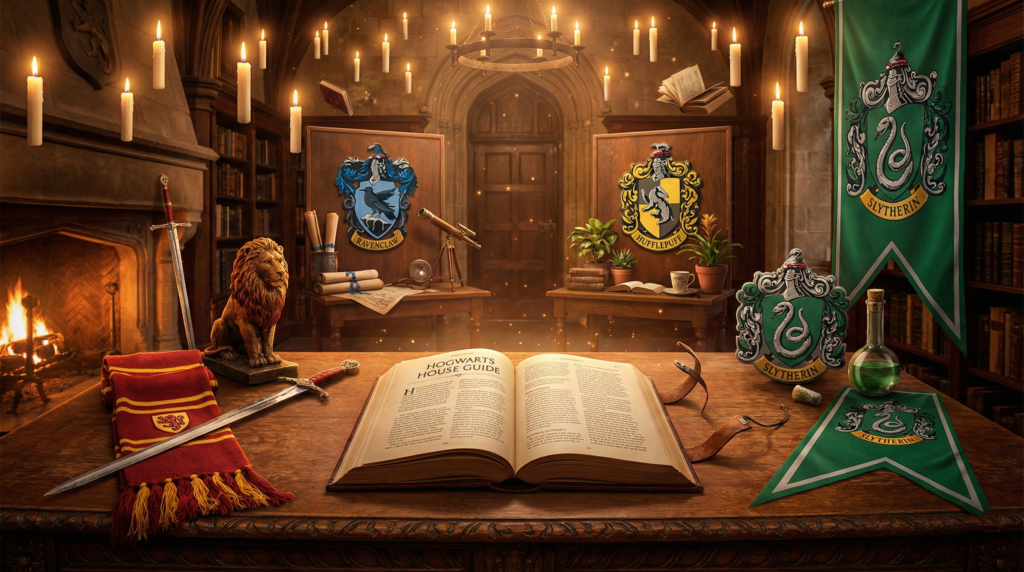
Have you ever wondered why the Sorting Hat hesitated over Harry Potter, or why a single word—”not Slytherin”—could change the course of an entire story? The four Hogwarts houses aren’t just colorful factions in a fictional school; they represent timeless facets of human nature: the spark of courage, the drive for achievement, the pursuit of knowledge, and the quiet strength of loyalty. For millions of fans, discovering (or rediscovering) their house feels like unlocking a piece of their own identity—whether it’s fueling house pride, explaining personality quirks, or settling friendly debates about which house truly reigns supreme.
In this comprehensive guide to Harry Potter house descriptions, we’ll dive deep into each house’s core traits, symbols, history, famous members, strengths, potential pitfalls, and real-world parallels. Drawing directly from J.K. Rowling’s books, official Wizarding World insights, and canonical details, this article goes beyond surface-level lists to offer nuanced, balanced analysis. We’ll bust stereotypes (yes, Slytherin isn’t inherently “evil”), explore elemental connections, and show how the houses reflect the complexity of real people. Whether you’re a longtime Potterhead questioning old assumptions or a newcomer curious about what your house says about you, this guide delivers the depth you’ve been searching for.
The Origins of Hogwarts Houses: A Brief History
The Hogwarts houses trace their roots back over a thousand years to the school’s four founders: Godric Gryffindor, Helga Hufflepuff, Rowena Ravenclaw, and Salazar Slytherin. Each founder sought to nurture specific qualities in young witches and wizards, shaping not just education but the very fabric of the magical world.
The Founders and Their Values
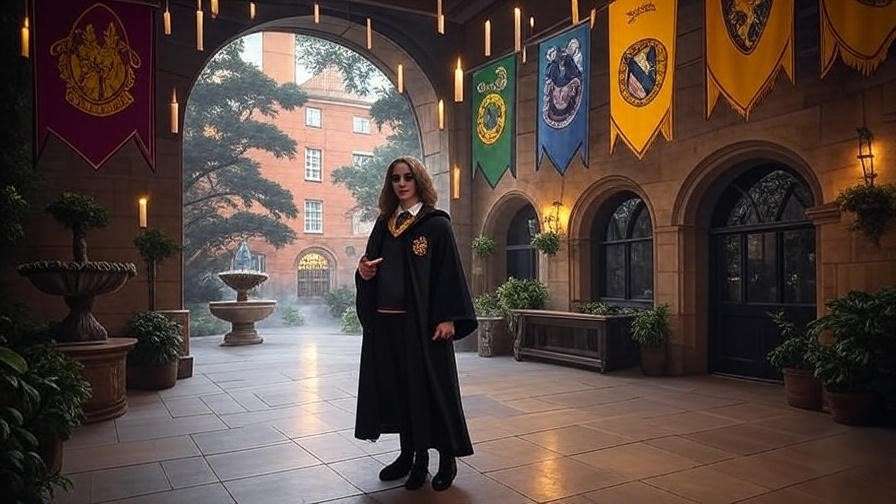
Godric Gryffindor prized bravery and chivalry above all, believing courage could overcome any obstacle. Helga Hufflepuff welcomed all who showed dedication and kindness, rejecting prejudice in favor of inclusivity. Rowena Ravenclaw valued intellect and creativity, insisting that true wisdom came from curiosity and learning. Salazar Slytherin, however, emphasized ambition, cunning, and resourcefulness—traits he believed essential for greatness—while controversially favoring those of pure-blood heritage, a stance that created lasting tension and led to his eventual departure.
These differing philosophies weren’t random; they reflected the founders’ own personalities and beliefs about what made a great witch or wizard. The Sorting Hat, enchanted by all four, continues their legacy by placing students where their core values align most strongly—though, as Harry’s experience shows, personal choice plays a role when traits overlap.
How the Sorting Hat Decides Your House
The Sorting Hat doesn’t merely scan for surface behaviors; it probes deeper motivations and potential. It considers what you value most, how you face challenges, and even what you fear becoming. Harry’s plea of “not Slytherin” demonstrated that while ambition and cunning ran in his blood (via the Horcrux connection), his defining drive was courage and moral conviction. The Hat respects self-awareness and choice, making the Sorting a profound moment of self-discovery rather than a rigid label.
Gryffindor – The House of the Brave
Gryffindor stands as the house most associated with heroism in the series—and for good reason. Its members embody the fire of action, willing to risk everything for what’s right.
 Core Traits and Values
Bravery, daring, nerve, and chivalry define Gryffindor. These aren’t limited to physical courage; they include moral bravery—standing against injustice even when it’s unpopular, as seen in characters who challenge authority or defend the vulnerable.
Symbols and Aesthetics
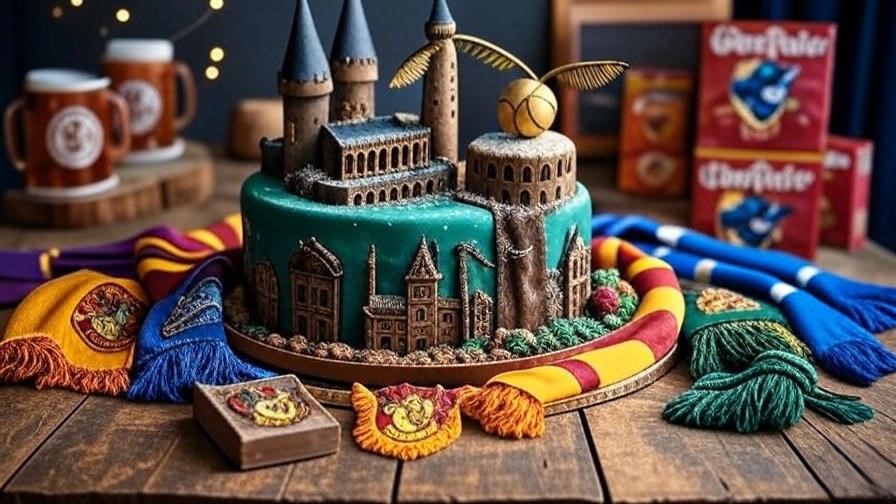
The lion mascot symbolizes regal strength and fearlessness, while scarlet and gold evoke fire and glory. The common room in Gryffindor Tower feels warm and vibrant, with roaring fires and high windows overlooking the grounds—mirroring the house’s passionate, elevated spirit. Connected to the classical element of fire, Gryffindor represents transformation through bold action.
Famous Gryffindors and What They Teach Us
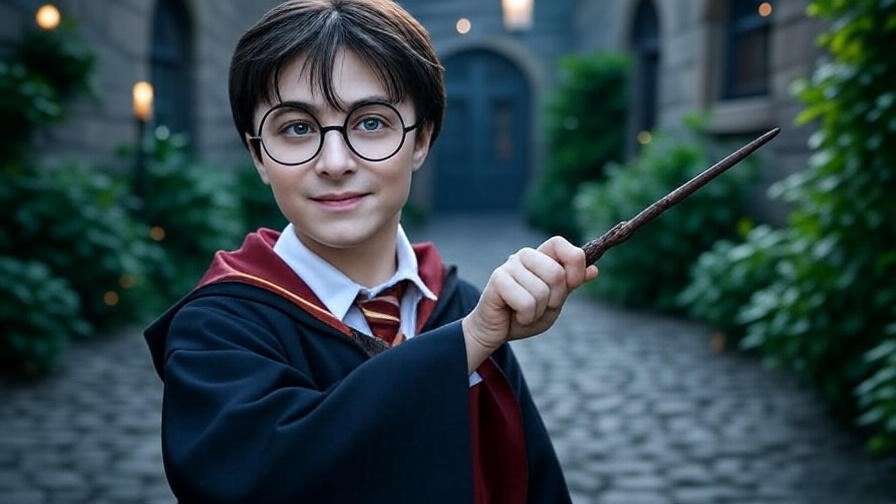
Harry Potter himself exemplifies growth from impulsive boy to principled leader. Hermione Granger shows intellectual bravery, Ron Weasley loyalty-fueled courage, Albus Dumbledore strategic daring, and Neville Longbottom the quiet evolution from timid to heroic. These characters illustrate that Gryffindor courage often develops over time, rewarding perseverance.
Strengths and Potential Weaknesses
Gryffindors excel at leadership, inspiration, and standing firm in crises. However, their impulsivity can lead to recklessness—charging ahead without full plans, as Harry often does early on.
Gryffindor in Real Life
Think of activists who march for change, first responders who run toward danger, or leaders who speak truth to power. Gryffindor energy drives progress through bold, principled action.
Slytherin – The Ambitious and Resourceful House
Slytherin often carries the heaviest baggage in popular perception—frequently labeled the “villain house” due to prominent antagonists. Yet a closer look at the canon reveals a far more nuanced picture: Slytherin values ambition, cunning, resourcefulness, and leadership, traits that can lead to greatness or darkness depending on how they’re applied.
 Core Traits and Values
Ambition drives Slytherins to set high goals and pursue them relentlessly. Cunning involves clever problem-solving and strategic thinking, while resourcefulness means making the most of what’s available—often turning disadvantages into advantages. Self-preservation and loyalty to one’s own circle round out the profile; Slytherins protect their own fiercely.
Symbols and Aesthetics
The serpent mascot evokes wisdom, transformation, and ancient power (think of the basilisk or the Slytherin locket). Green and silver colors suggest emerald ambition and cool, metallic determination. The common room, located in the dungeons beneath the Black Lake, features greenish light, leather sofas, and an underwater view—creating an atmosphere of mystery, depth, and quiet intensity. Tied to the element of water, Slytherin represents adaptability and flowing persistence.
Famous Slytherins and Busting Stereotypes
Severus Snape stands as the ultimate example of complexity—his ambition and cunning served both dark and redemptive paths, with profound loyalty to Lily Potter defining his arc. Draco Malfoy begins as arrogant but shows glimmers of internal conflict and family loyalty. Regulus Black sacrificed himself to destroy a Horcrux, proving Slytherin courage exists. Merlin himself, the greatest wizard, was Slytherin according to legend. Even Horace Slughorn, flawed yet charming, demonstrates social resourcefulness and genuine care for students.
These examples dismantle the “evil house” myth: Slytherin produces dark wizards, but also redeemers and legends. The house rewards those who think several steps ahead.
Strengths and Potential Weaknesses
Slytherins excel in strategy, resilience under pressure, and achieving long-term success. Weaknesses include potential elitism, manipulation when unchecked, or prioritizing personal gain over collective good.
Slytherin in Real Life
Real-world Slytherins appear as visionary entrepreneurs (like Steve Jobs’ relentless drive), shrewd politicians who navigate complex systems, or innovators who pivot cleverly in crises. Their ambition fuels progress when paired with ethics.
Ravenclaw – The House of Wit and Learning
Ravenclaw celebrates the mind—intelligence isn’t just book-smarts but creativity, originality, and a genuine thirst for understanding the world.
 Core Traits and Values
Intelligence, knowledge, wit, and creativity define Ravenclaw. Members prize learning for its own sake, value eccentric ideas, and approach problems with originality and insight.
Symbols and Aesthetics
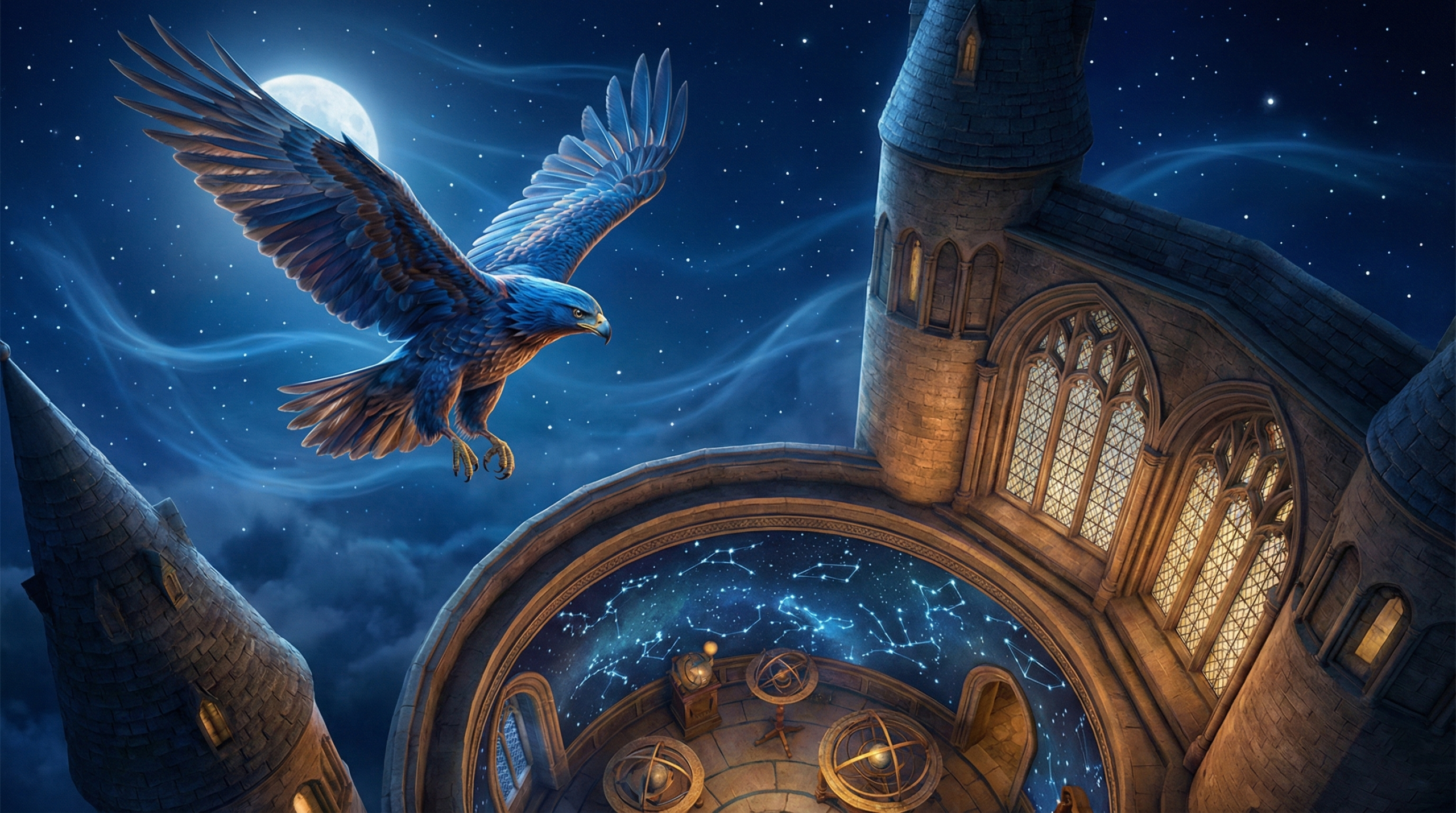
The eagle mascot represents soaring intellect and perspective. Blue and bronze (or silver in some adaptations) evoke sky and clarity. The common room, high in a tower, features airy windows, starry ceilings, and a door that requires solving a riddle—emphasizing wit over rote knowledge. Linked to air, Ravenclaw symbolizes freedom of thought and elevation through ideas.
Famous Ravenclaws and Their Impact
Luna Lovegood embodies quirky creativity and open-minded wisdom. Cho Chang shows emotional depth alongside intellect. Professor Flitwick demonstrates charm and precision. Rowena Ravenclaw’s daughter Helena (the Grey Lady) highlights the house’s pursuit of knowledge even at great cost. Gilderoy Lockhart serves as a cautionary tale of intelligence twisted by vanity.
Strengths and Potential Weaknesses
Ravenclaws innovate, solve complex problems, and bring fresh perspectives. Drawbacks include overthinking, emotional detachment, or intellectual arrogance.
Ravenclaw in Real Life
Scientists, inventors, artists, and philosophers often align here—people like Marie Curie (relentless curiosity) or J.R.R. Tolkien (creative world-building) reflect Ravenclaw energy.
Hufflepuff – The Loyal and Hardworking House
Hufflepuff, frequently underestimated, embodies the most grounded and essential human virtues: dedication, fairness, and kindness without fanfare.
 Core Traits and Values
Hard work, patience, loyalty, justice, and inclusivity define Hufflepuff. Helga Hufflepuff took “all the rest” because she believed everyone deserved a chance—making the house welcoming to diverse talents.
Symbols and Aesthetics
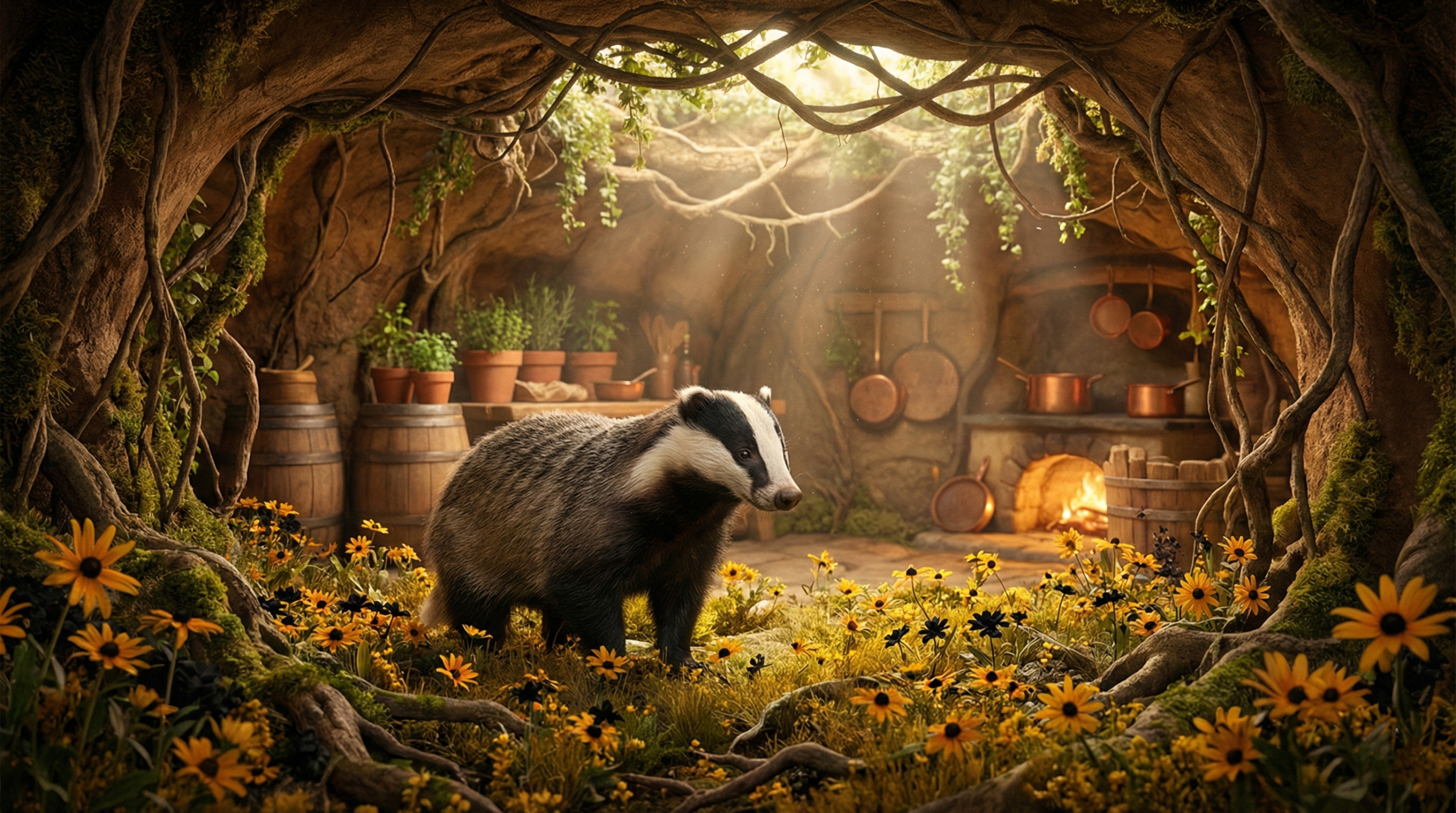
The badger mascot signifies tenacity and quiet ferocity when provoked. Yellow and black colors suggest sunshine and earth—warmth grounded in reliability. The common room near the kitchens feels cozy and welcoming, with plants and earthy tones. Connected to earth, Hufflepuff represents stability and nurturing growth.
Famous Hufflepuffs and Underrated Heroes
Cedric Diggory embodied fair play and bravery. Nymphadora Tonks showed adaptability and fierce loyalty. Newt Scamander demonstrated dedication to creatures and quiet heroism. Professor Sprout nurtured both plants and students. During the Battle of Hogwarts, Hufflepuffs returned en masse to fight—proving their loyalty in crisis.
Strengths and Potential Weaknesses
Hufflepuffs build strong communities, persevere through challenges, and treat others equitably. They can be overlooked or taken advantage of due to their modesty.
Hufflepuff in Real Life
Teachers, nurses, volunteers, and reliable team players often fit here—people who show up consistently, support others, and create lasting positive impact without seeking spotlight.
Harry Potter House Descriptions: Complete Guide to Gryffindor, Slytherin, Ravenclaw, and Hufflepuff Traits (continued)
Beyond the Basics – House Interplay, Hybrids, and Modern Interpretations
The Hogwarts houses were never meant to exist in isolation. J.K. Rowling deliberately designed them to interact, clash, and complement one another, reflecting how real human personalities overlap and evolve.
 House Compatibility and Rivalries
Gryffindor and Slytherin share the most visible rivalry—fire and water, boldness versus calculation—yet they produce some of the series’ most compelling dynamics (Harry and Draco, Snape and James). Gryffindor often finds natural allies in Hufflepuff (shared loyalty and justice) and Ravenclaw (intellect supporting bravery). Ravenclaw and Hufflepuff tend toward quiet harmony, both valuing fairness and depth over flashiness. Slytherin can bond deeply with Ravenclaw over ambition-fueled intellect or with Hufflepuff when loyalty aligns.
Romantic pairings and friendships across houses highlight this interplay: Harry (Gryffindor) and Ginny (Gryffindor), but also examples like Tonks (Hufflepuff) and Lupin (Gryffindor), or fan-favorite cross-house ships that emphasize growth through difference.
Hybrid Houses (e.g., Slytherclaw, Gryfferin)
Many fans identify with traits from multiple houses, leading to popular hybrid labels:
- Slytherclaw — cunning intelligence and ambitious curiosity (think strategic innovators).
- Gryfferin — brave ambition with moral drive (leaders who pursue power for good).
- Ravenpuff — hardworking intellect paired with kindness (dedicated scholars who uplift others).
- Huffindor — loyal courage and patient bravery (quiet protectors who stand firm).
These hybrids aren’t canon, but they acknowledge that real people rarely fit neatly into one box. The Sorting Hat itself notes internal conflict when traits are close (as with Hermione, who could have been Ravenclaw, or Peter Pettigrew, sorted into Gryffindor despite cowardice).
How Houses Evolve – Growth and Change
Characters frequently transcend or complicate their house stereotypes. Neville Longbottom starts as the epitome of a “failed” Gryffindor yet becomes one of the series’ bravest figures. Snape’s Slytherin cunning ultimately serves selfless love. Luna Lovegood’s Ravenclaw eccentricity leads to profound insight others dismiss. This evolution reminds us that house placement reflects starting values and potential—not a fixed destiny.
Which House Are You? Tips for Self-Discovery
Finding (or confirming) your house is more than a quiz result—it’s an exercise in self-reflection.
- Take the official Wizarding World quiz — but answer honestly, not aspirationally. Note any near-misses or Hat stalls; they reveal blended traits.
- Reflect on core questions:
- What motivates you most: standing up for others (Gryffindor), achieving personal greatness (Slytherin), understanding the world deeply (Ravenclaw), or supporting and including everyone (Hufflepuff)?
- How do you handle conflict: charge in, plan carefully, analyze thoroughly, or seek fairness?
- What do you value under pressure: courage, success, truth, or loyalty?
- Analyze favorite characters — Which ones resonate most, and why? Their house often mirrors aspects of yourself.
- Consider growth areas — Houses highlight strengths, but also blind spots worth developing.
Your house isn’t a limitation—it’s a lens for understanding your strengths and a reminder to appreciate the other three.
Share your house (and any hybrid vibes) in the comments below—I’d love to hear your story!
Frequently Asked Questions (FAQs)
What are the main Harry Potter house traits? Gryffindor: bravery, daring, chivalry. Slytherin: ambition, cunning, resourcefulness. Ravenclaw: intelligence, wit, creativity. Hufflepuff: hard work, loyalty, fairness.
Is Slytherin really the ‘evil’ house? No. While it produced Voldemort and many Death Eaters, it also produced Snape (whose love-driven sacrifice saved the wizarding world), Regulus Black, and Merlin. The house values ambition and cunning—tools that can be used for good or ill.
Which house is the best? None is objectively superior. Each contributes uniquely to Hogwarts and the wider world. The series celebrates balance across all four.
Can you change houses after being sorted? Canonically, no—the Sorting is permanent. However, personal growth can lead someone to embody traits of other houses over time.
What do the house colors and animals symbolize? Lion (strength, royalty), serpent (wisdom, renewal), eagle (vision, intellect), badger (tenacity, protection). Colors tie to classical elements: fire (red/gold), water (green/silver), air (blue/bronze), earth (yellow/black).
Why was Hufflepuff called the house that takes ‘the rest’? Helga Hufflepuff believed everyone deserved an education and a place to belong, making her house the most inclusive.
Are there any famous real-life people sorted into Hogwarts houses? J.K. Rowling and Pottermore/Wizarding World have playfully sorted celebrities (e.g., Daniel Radcliffe as Gryffindor, Emma Watson as Gryffindor, Rupert Grint as Gryffindor), but these are unofficial fun assignments.
Do houses still matter after Hogwarts? Yes—in subtle ways. Alumni networks, career paths, and personal identities often reflect house values throughout life.
The four Hogwarts houses are more than childhood labels or team colors—they form a brilliant, enduring metaphor for human diversity. Gryffindor’s fire ignites change, Slytherin’s water carves new paths, Ravenclaw’s air lifts ideas to new heights, and Hufflepuff’s earth provides the steady foundation everything else needs.
In a world that often demands we pick a side, J.K. Rowling gave us a framework that celebrates all strengths: the hero who charges forward, the strategist who plans the victory, the thinker who questions everything, and the supporter who ensures no one is left behind.
Whichever house claims you—or whichever combination feels most like home—wear it with pride. The wizarding world is richer because of every single one of them, just as our own world benefits from every personality type working together.
Thank you for joining this deep dive into Harry Potter house descriptions. If this guide helped you see your house (or your friends’ houses) in a new light, explore more Harry Potter content on the blog—whether it’s character deep-dives, spell analyses, or house-themed recommendations.
What house are you, and how has it shaped the way you see yourself? Drop a comment and let’s keep the conversation going.