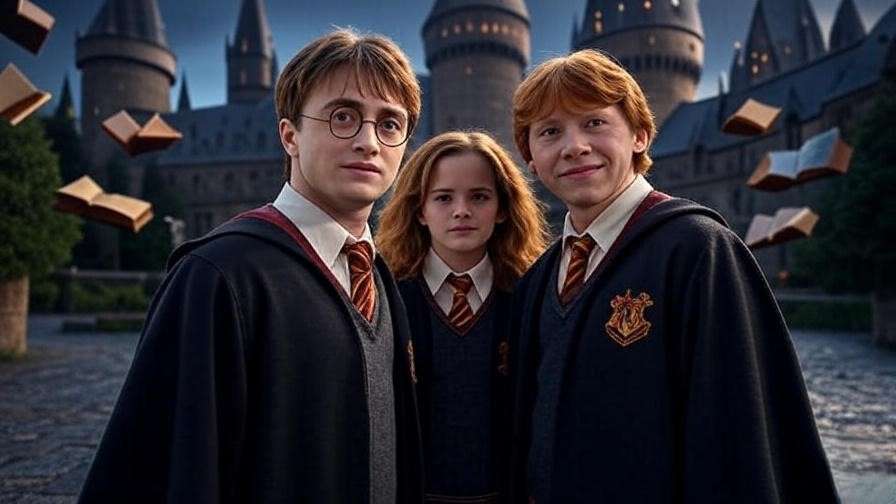
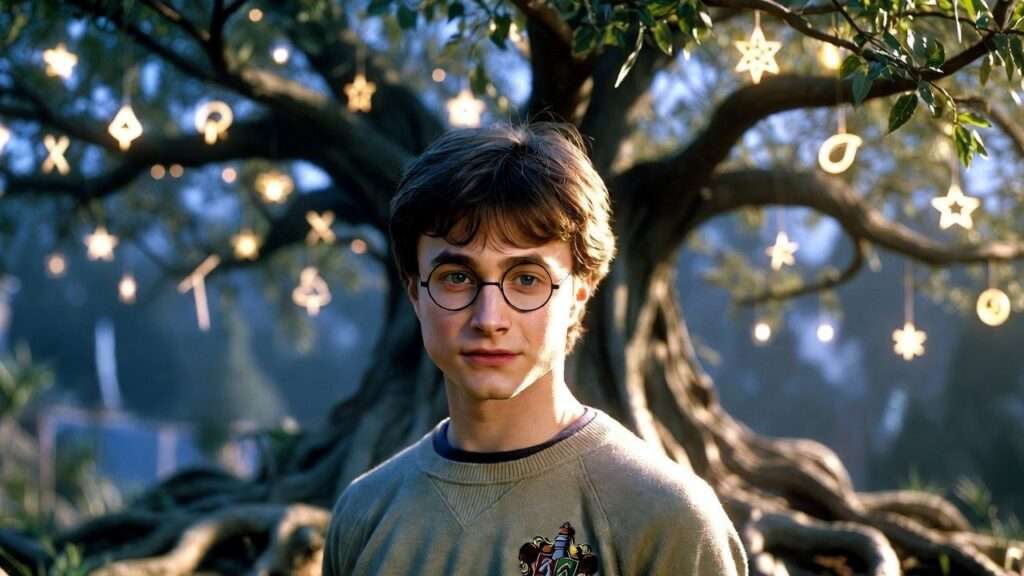
If both of Harry Potter’s parents were powerful witches and wizards who attended Hogwarts, fought dark forces, and died protecting their son, why isn’t Harry considered a pure-blood like Draco Malfoy keeps insisting? This single question has puzzled fans for decades, sparking countless forum threads, Reddit debates, and late-night conversations among readers who thought they knew the lore inside out.
The short, definitive answer is: No, Harry Potter is not a pure-blood. He is officially classified as a half-blood in the wizarding world. But the real story — and the reason this distinction matters so much — lies in the intricate, often hypocritical rules of blood purity that J.K. Rowling wove throughout the entire series.
Understanding Harry’s blood status isn’t just trivia; it unlocks one of the central themes of the Harry Potter books: prejudice, identity, and the dangerous fiction of superiority based on ancestry. In this in-depth guide, we’ll examine the exact definition of pure-blood, trace Harry’s family tree step by step, debunk common misconceptions, explore how blood status shaped key characters and plot points, and look at what the concept means in the broader wizarding society — all backed by direct references to the books, J.K. Rowling’s own statements on Pottermore/Wizarding World, and canonical interviews.
Whether you’re rereading the series, preparing for a heated debate with friends, or simply want to settle the question once and for all, you’re in the right place. Let’s dive deep into the truth about Harry Potter’s blood status.
What Does “Pure-Blood” Actually Mean in the Harry Potter Universe?
Before we can answer whether Harry qualifies, we need to understand exactly what the term “pure-blood” means — and why it’s far more political than biological.
Official Definition from J.K. Rowling and Canon Sources
According to J.K. Rowling’s writings on the now-archived Pottermore (now hosted on WizardingWorld.com), a pure-blood is a witch or wizard who claims to have no Muggle (non-magical) or Muggle-born ancestry in their family tree. The emphasis is on “claims” because, as Rowling has repeatedly pointed out, very few wizarding families can truthfully trace their lineage back far enough to prove complete magical purity.
The Sacred Twenty-Eight — a list published in the 1930s by an anonymous author in The Pure-Blood Directory — identified twenty-eight families considered the last “true” pure-blood lines in Britain at that time. Families on this list (including the Malfoys, Blacks, Lestranges, and — controversially — the Weasleys) were generally accepted as pure-bloods by society, even though some had distant Muggle connections that were quietly ignored.
In practice, the wizarding world applied a three-generation rule of sorts: if your parents and both sets of grandparents were all magical (and not Muggle-born), you were typically regarded as pure-blood. Anything less, and the label shifted.
 The Hypocrisy of Pure-Blood Claims
Rowling has been explicit about the absurdity of pure-blood ideology. In a 2007 Bloomsbury online chat, she stated:
“The pure-blood families… are all interrelated… If you go back far enough, almost every wizarding family has Muggle ancestry.”
She later elaborated on Wizarding World that even the most fanatical pure-bloods — the Malfoys included — would struggle to prove absolute magical lineage if records were scrutinized. The concept was never about strict genetics; it was about social status, exclusion, and fear of “dilution” by Muggle influence.
This hypocrisy becomes especially ironic when we remember that Lord Voldemort — the self-proclaimed champion of blood purity — was himself a half-blood (born to a pure-blood witch and a Muggle father).
Blood Status Categories – At a Glance
To make the distinctions crystal clear, here is how the wizarding world categorizes magical people:
- Pure-blood — No known Muggle or Muggle-born ancestors (at least in living memory). Examples: Draco Malfoy, Lucius Malfoy, Bellatrix Lestrange, most of the Black family.
- Half-blood — One parent is pure-blood or half-blood and the other is Muggle-born, or one grandparent is Muggle/Muggle-born. Examples: Harry Potter, Severus Snape, Tom Riddle (Voldemort), Nymphadora Tonks.
- Muggle-born — Both parents are Muggle (non-magical). Also called “Mudblood” by bigots. Examples: Hermione Granger, Dean Thomas, Justin Finch-Fletchley.
- Squib — Born to magical parents but possesses no magic. Examples: Argus Filch, Mrs. Figg.
These categories were never neutral — they carried heavy social and political weight, especially during Voldemort’s rise.
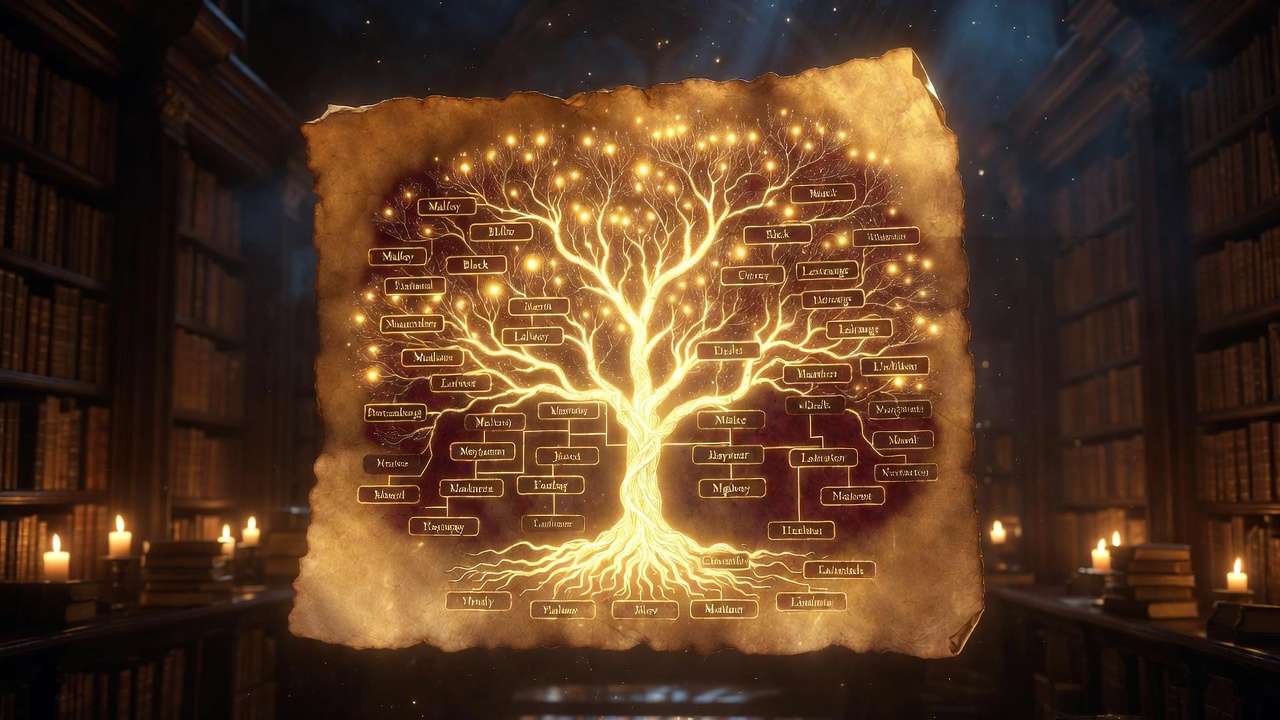
Harry Potter’s Family Tree: Breaking Down His Heritage
To settle the question definitively, let’s examine Harry’s lineage from both sides.
James Potter – A Classic Pure-Blood Lineage
James Potter was born into the Potter family, which had a long and proud wizarding history. The Potters are not officially on the Sacred Twenty-Een list (a point of minor contention among fans), but they were universally accepted as pure-bloods in their social circle.
More intriguingly, the Potter line connects to the Peverell brothers through the Invisibility Cloak, which Harry inherits. The Peverells were among the earliest known wizarding families, giving the Potters an ancient magical pedigree. James’s parents, Fleamont and Euphemia Potter, were both magical, and no Muggle ancestry is ever mentioned or implied in canon for the paternal line.
In short: James Potter was a pure-blood wizard.
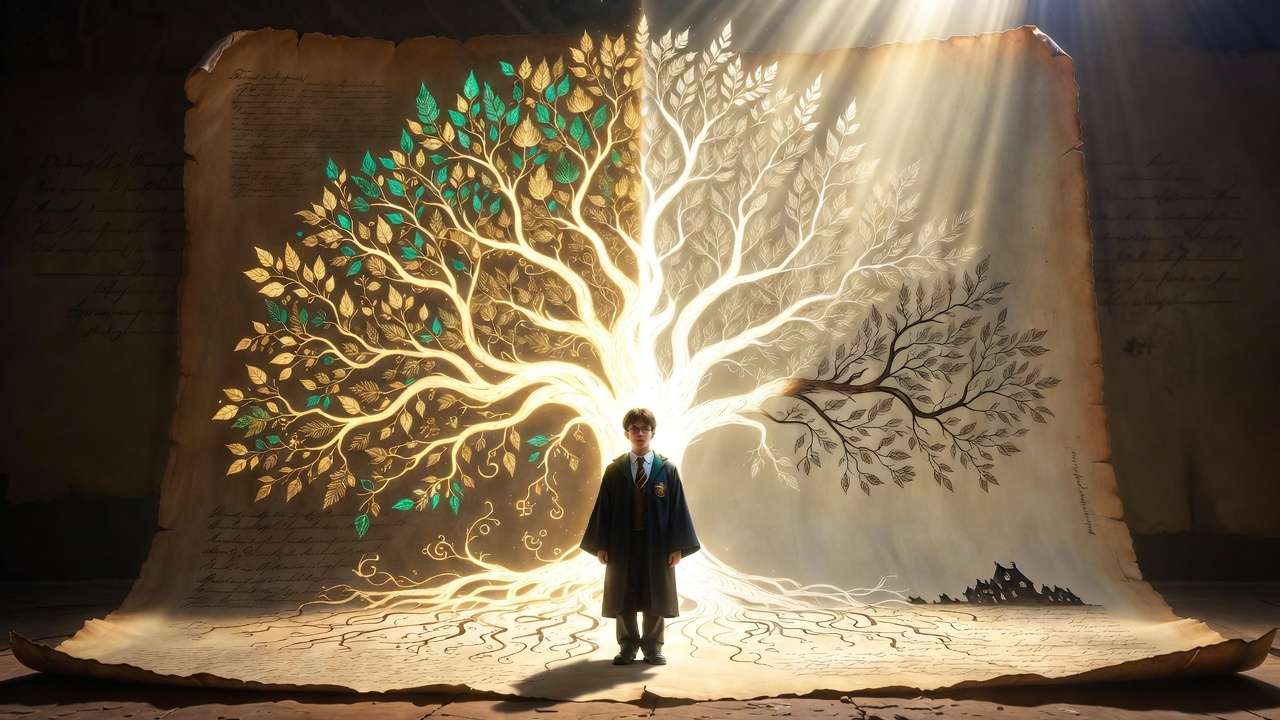 Lily Evans (Potter) – The Muggle-Born Game-Changer
Lily Evans, on the other hand, changes everything.
Lily was born to Mr. and Mrs. Evans, two non-magical (Muggle) parents living in Cokeworth. Her older sister, Petunia, was also a Muggle. Lily displayed accidental magic as a child, received her Hogwarts letter, and proved to be an exceptionally gifted witch — but her parentage was unambiguously Muggle.
This makes Lily a Muggle-born witch.
Because blood status in the wizarding world is determined by the presence of any non-magical ancestry within recent generations (especially grandparents), the child of a pure-blood wizard and a Muggle-born witch is automatically classified as half-blood.
Why Two Magical Parents Don’t Make Harry Pure-Blood
This is the exact point where most casual fans get confused.
Yes, both James and Lily were magical. Yes, Harry was born to two witches and wizards. But the purist definition does not stop at the parents — it extends to the grandparents.
Harry’s maternal grandparents (Mr. and Mrs. Evans) were Muggles.
Therefore, Harry has Muggle blood through one entire side of his family tree.
Under the rules accepted by the wizarding world — and explicitly confirmed in canon — Harry is a half-blood.
Harry Potter’s Blood Status Confirmed – Half-Blood, Not Pure-Blood
To remove any lingering doubt: Harry James Potter is not a pure-blood. He is a half-blood.
This classification appears consistently throughout the series, both implicitly and explicitly.
- In Harry Potter and the Chamber of Secrets, the term “Mudblood” is hurled at Hermione, prompting Ron to explain: “It’s a really foul name for someone who’s Muggle-born — dirty blood, see. Common blood. It’s mad. Most wizards these days are half-blood anyway.” This line subtly sets up the reality that the majority of the wizarding population — including Harry — falls into the half-blood category.
- Voldemort repeatedly refers to Harry as “the half-blood” during their confrontations, most memorably in the Little Hangleton graveyard scene in Goblet of Fire and again in the final duel in Deathly Hallows. He sees Harry’s half-blood status as both an insult and a twisted parallel to his own background.
- The very title Harry Potter and the Half-Blood Prince carries layered irony: while it refers to Severus Snape, it also underscores the thematic importance of half-blood identity in the story — a group that includes Harry, Snape, Voldemort, and many others who drive the central conflict.
J.K. Rowling has confirmed this status multiple times outside the books. In various Wizarding World entries and interviews, she lists Harry explicitly as a half-blood due to Lily’s Muggle-born heritage.
Common Fan Misconceptions Debunked
Here are the most frequent misunderstandings — and why they don’t hold up under canon rules:
- “Both parents were magical, so Harry must be pure-blood.” False. The purist definition looks at recent ancestry, particularly grandparents. Lily’s parents were Muggles → Harry has Muggle blood → half-blood status is locked in, regardless of James and Lily both being fully magical.
- “Harry could claim pure-blood status through the Potter line alone.” No. Blood status isn’t determined by picking and choosing one side of the family tree. The presence of any known non-magical ancestry in the immediate lineage disqualifies pure-blood status in the eyes of society (even if that society is deeply hypocritical).
- “After Voldemort’s fall, blood status stopped mattering, so Harry is effectively pure-blood now.” While prejudice declined dramatically post-1998, Harry’s canonical blood status never changed. He remains a half-blood — and he would be the first to insist that labels like that should never have mattered in the first place.
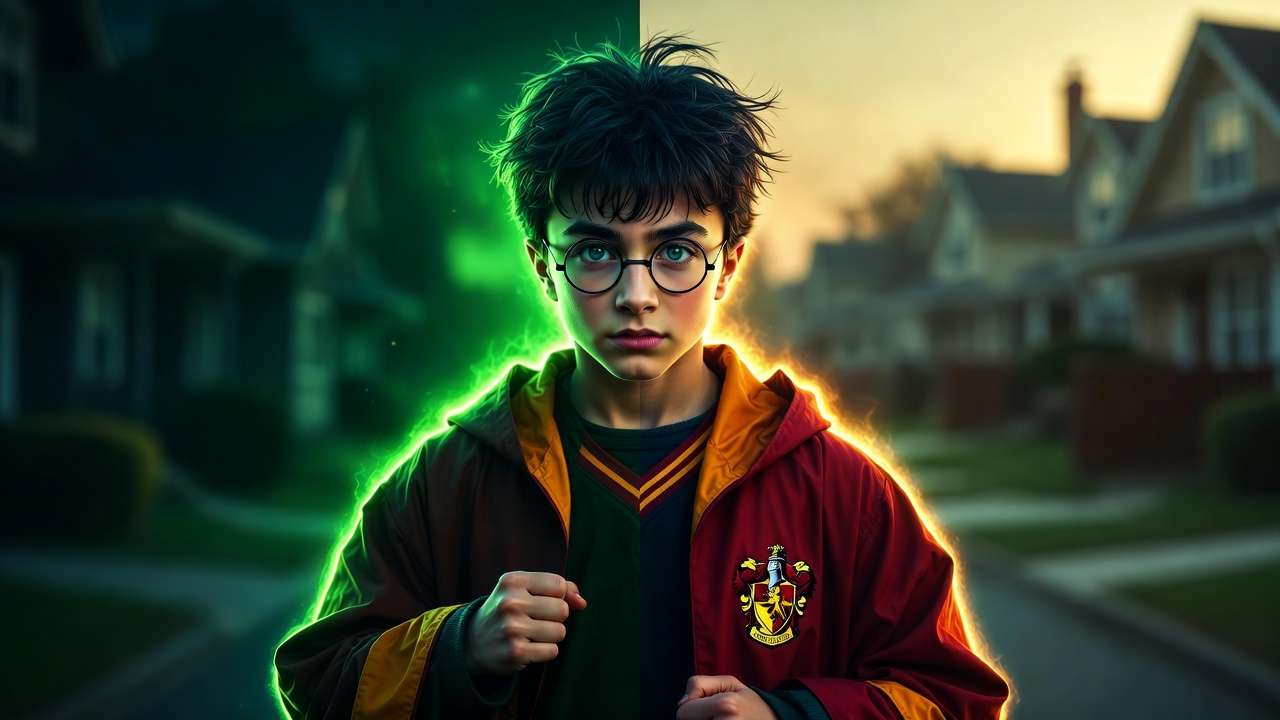 How Blood Status Plays Out in the Story – Harry’s Experience as a Half-Blood
Harry’s half-blood identity is not a background detail; it actively shapes his journey and the series’ core message.
Prejudice and Identity in the Books
From the moment Harry enters the wizarding world, he encounters blood-based prejudice head-on:
- Draco Malfoy’s immediate disdain in Philosopher’s Stone (“You’ll soon find out some wizarding families are much better than others, Potter”).
- The Slytherin house culture that prizes pure lineage (reinforced by the Sorting Hat’s warnings about division).
- The entire ideology of Voldemort and the Death Eaters, who view half-bloods and Muggle-borns as inferior and a threat to “true” wizarding heritage.
Ironically, the prophecy that marks Harry as Voldemort’s equal hinges on him being “born to those who have thrice defied him” — and Voldemort himself misinterprets it as referring to a pure-blood (initially targeting Neville Longbottom, another half-blood, before settling on Harry).
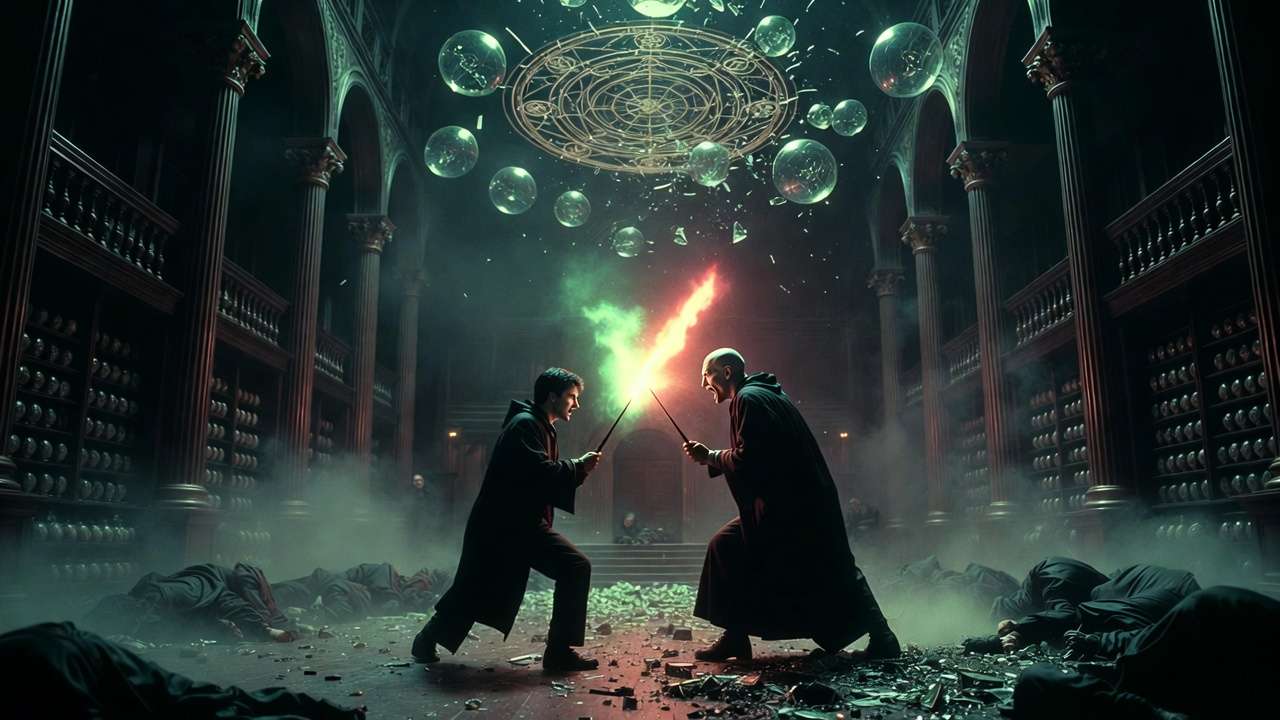 Half-Bloods Who Defied Expectations
The series repeatedly shows that blood status has zero correlation with talent, courage, or moral character:
- Harry Potter — The Boy Who Lived, master of the Elder Wand, defeater of Voldemort.
- Severus Snape — The Half-Blood Prince, brilliant potions master, double agent, and ultimately the bravest man Harry ever knew.
- Tom Marvolo Riddle (Voldemort) — A half-blood who became the most powerful dark wizard in history, yet whose insecurity about his Muggle father fueled his obsession with purity.
These characters illustrate Rowling’s point: magical ability is innate, not inherited through “pure” bloodlines. Half-bloods are not a compromise — they are often the most formidable and complex figures in the story.
Blood Status of Harry’s Children and Descendants
By the epilogue of Deathly Hallows and the events of Harry Potter and the Cursed Child, Harry marries Ginny Weasley — a pure-blood from a long wizarding line (the Weasleys are on the Sacred Twenty-Eight, despite their anti-prejudice stance).
Their children — James Sirius, Albus Severus, and Lily Luna — are therefore half-bloods, inheriting Harry’s Muggle ancestry through Lily Evans.
Interestingly, this means that even the children of “The Chosen One” carry the same mixed heritage that Voldemort once mocked. In a post-Voldemort world, however, this detail is presented as irrelevant. The next generation grows up in a society that has largely rejected blood supremacy.
The Bigger Picture: Why Blood Purity Matters (and Why It Doesn’t)
The obsession with blood purity has deep historical roots in the wizarding world:
- Salazar Slytherin’s refusal to teach Muggle-borns, leading to the Chamber of Secrets.
- The 17th–19th century rise of anti-Muggle sentiment among some old families.
- The 20th-century propaganda campaigns of Grindelwald and later Voldemort, who weaponized pure-blood ideology to gain followers.
Yet Rowling dismantles the concept at every turn:
- Most of the wizarding population is half-blood or Muggle-born by the late 20th century.
- Pure-blood families are dying out or intermarrying with others, diluting their own supposed purity.
- The final victory over Voldemort symbolizes the rejection of blood-based hierarchy.
The message is unmistakable: blood status is a social construct built on fear, ignorance, and elitism. True worth lies in choices, actions, and love — the very qualities Harry embodies.
 FAQs – Your Top Questions Answered
Is Harry Potter a pure-blood? No. Harry is a half-blood because his mother, Lily Evans, was Muggle-born.
Why isn’t Harry pure-blood if both his parents were wizards? Blood status considers grandparents. Harry’s maternal grandparents were Muggles, so he has non-magical ancestry on one side.
Are the Weasleys pure-blood? Yes. The Weasley family has a long, unbroken line of magical ancestry and appears on the Sacred Twenty-Eight list.
What blood status are Ron and Hermione’s children? Half-blood. Hermione is Muggle-born, so Rose and Hugo inherit mixed magical heritage.
Does blood status affect magical ability or power? No. Canon repeatedly shows that talent, skill, and potential are unrelated to blood status (Hermione is the brightest witch of her age; Voldemort and Dumbledore are among the most powerful wizards ever, both half-blood in different ways).
Can someone become pure-blood over generations? Theoretically, if half-bloods or Muggle-borns only married pure-bloods for several generations, their descendants could eventually be accepted as pure-bloods — but this rarely happens, and the concept is portrayed as meaningless after Voldemort’s defeat.
Is Neville Longbottom a pure-blood? Yes. Both sides of his family (Longbottom and his mother’s side) are established wizarding lines with no known Muggle ancestry.
At the heart of the Harry Potter series lies a simple yet profound truth: Harry Potter is not a pure-blood — he is a half-blood, and that very fact makes him one of the most powerful symbols of resistance against prejudice in the entire wizarding world.
His mother’s Muggle-born heritage didn’t weaken him; it became part of what made him extraordinary. The same mixed ancestry that Voldemort mocked as inferior is the ancestry that connected Harry to both the magical and non-magical worlds, giving him empathy, perspective, and ultimately the moral clarity to defeat the purest embodiment of blood-supremacist ideology.
Rowling could have made Harry a pure-blood hero — the last scion of an ancient, untarnished line — but she deliberately chose otherwise. By making him a half-blood (and surrounding him with other half-bloods and Muggle-borns who outshine their “pure” counterparts), she delivered one of modern literature’s clearest repudiations of racism, classism, and inherited superiority.
Blood status never defined Harry’s worth. His courage did. His loyalty did. His willingness to love, to sacrifice, and to choose the right path even when it hurt — those are the qualities that mattered. And in the end, they mattered far more than any family tree could ever measure.
The wizarding world that Harry helped rebuild is one where labels like “pure-blood,” “half-blood,” and “Muggle-born” have lost most of their venom. Children grow up without the shadow of Voldemort’s propaganda. Families intermingle freely. The old Sacred Twenty-Eight list is now little more than a historical curiosity — a reminder of a darker time rather than a badge of honor.
So the next time someone asks, “Is Harry Potter a pure-blood?” you can answer confidently: No. He’s a half-blood. And that’s exactly why he was the one who saved them all.
Thank you for reading this deep dive into Harry Potter’s blood status. If this cleared up any confusion for you — or if it sparked new questions about the lore — drop a comment below. What’s your own “blood status” in headcanon? Have you ever argued this point with friends or family? Which half-blood character do you think is the most underrated?
For more in-depth explorations of the wizarding world — from the complete Sacred Twenty-Eight breakdown to the real history behind the Muggle-born Registration Commission — make sure to subscribe and turn on notifications. There’s always more magic to uncover.