No, Ian McKellen is not in Harry Potter. Despite countless fan discussions, online rumors, and striking visual similarities between his portrayal of Gandalf and the beloved Hogwarts headmaster, the legendary British actor never appeared in any film in the Wizarding World franchise.
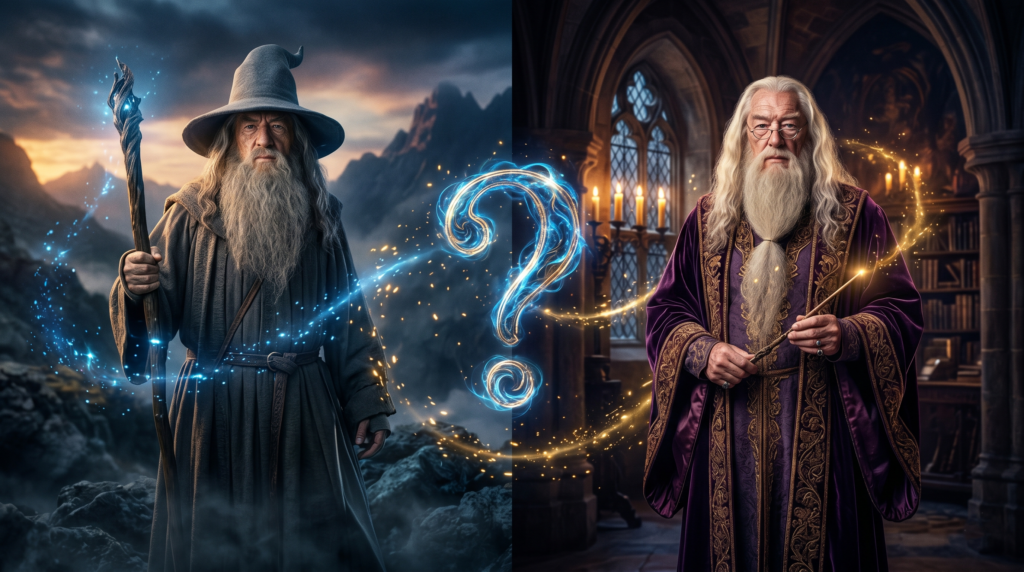
Imagine scrolling through social media and stumbling upon a side-by-side image: a wise, bearded wizard with a flowing robe and piercing eyes. Is it Gandalf the Grey or Albus Dumbledore? For millions of fantasy fans, the lines blur easily. This confusion fuels one of the most persistent casting “what if” questions in modern cinema: Could Ian McKellen have been Dumbledore? And why didn’t he?
As a longtime Harry Potter enthusiast and analyst of Wizarding World lore and casting history, I’ve delved deep into interviews, production timelines, and actor statements to uncover the full story. This article provides the definitive, comprehensive answer to the question “Is Ian McKellen in Harry Potter?” while exploring the fascinating backstory, the real reasons behind the casting decisions, and what it all means for the franchise’s legacy. Whether you’re a die-hard Potterhead, a Lord of the Rings devotee, or simply curious about Hollywood’s biggest “almost” moments, you’ll find clear answers and fresh insights here.
The Short Answer: Is Ian McKellen in Harry Potter?
Absolutely not. Sir Ian McKellen has no credited role, cameo, or voice appearance in any of the eight main Harry Potter films, the Fantastic Beasts prequels, or associated spin-offs. His iconic fantasy credentials come entirely from Peter Jackson’s The Lord of the Rings and The Hobbit trilogies as Gandalf, alongside roles like Magneto in the X-Men series.
The rumor persists for understandable reasons. Both Gandalf and Dumbledore are archetypal wise wizards guiding young heroes against dark forces. McKellen and the actors who played Dumbledore share that distinguished British theatrical gravitas. Social media deepfakes, fan edits, and mistaken identities (some fans even confuse McKellen with Michael Gambon) keep the speculation alive. But the facts remain clear: McKellen was approached but ultimately declined the opportunity.
This “no” opens the door to a much richer story—one involving respect, rivalry, timing, and the delicate art of legacy casting in blockbuster franchises.
The Dumbledore Casting Story: From Richard Harris to Michael Gambon
Richard Harris as the Original Dumbledore (2001–2002)
Richard Harris, the legendary Irish actor known for roles in Camelot, The Field, and Gladiator, brought a warm, grandfatherly wisdom mixed with quiet intensity to Albus Dumbledore in Harry Potter and the Philosopher’s Stone (2001) and Harry Potter and the Chamber of Secrets (2002).
Harris initially hesitated to take the role—he reportedly turned it down multiple times before accepting, partly due to health concerns. His portrayal perfectly captured the early books’ tone: enigmatic, gentle, yet authoritative. Tragically, Harris passed away from Hodgkin’s lymphoma on October 25, 2002, at age 72, shortly after completing the second film. His death left producers with the challenging task of recasting one of the franchise’s most pivotal characters mid-series.
 The Search for a New Dumbledore
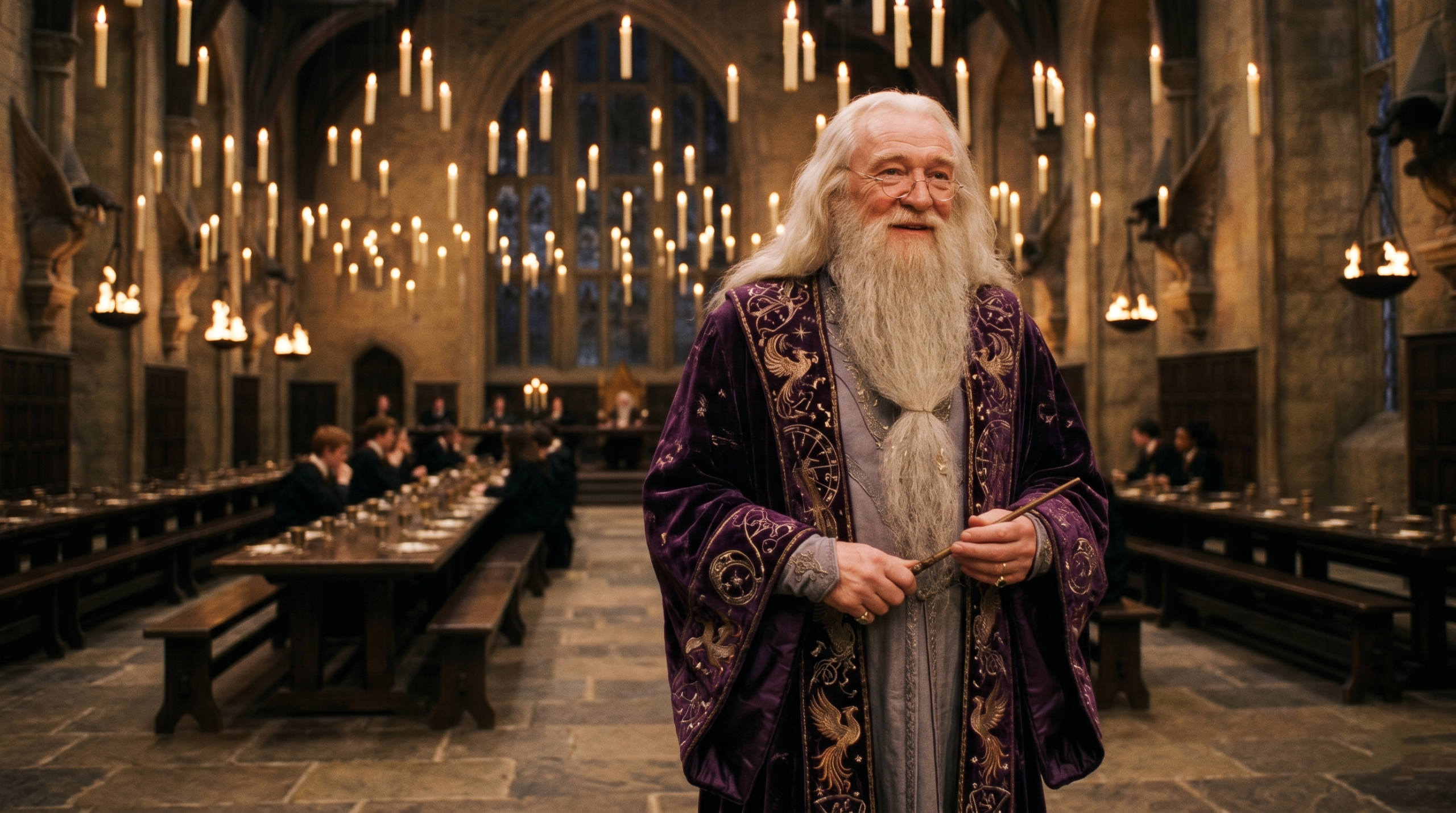
With Harry Potter and the Prisoner of Azkaban entering pre-production, Warner Bros. needed a seamless yet worthy successor. They turned to Britain’s finest theatrical talent. Several acclaimed actors were considered or approached, including Ian McKellen.
McKellen has publicly confirmed that he received a call from the producers. They did not initially specify the role, but he quickly deduced they wanted him as Dumbledore.
Why Michael Gambon Ultimately Took the Role
Irish actor Sir Michael Gambon stepped into the robes starting with Prisoner of Azkaban (2004) and continued through the final films. Gambon’s Dumbledore shifted toward a more energetic, occasionally mischievous, and powerfully commanding presence—perfectly suiting the darker, more action-oriented later installments. His interpretation remains a fan favorite for many, bringing both gravitas and unpredictable charm.
Gambon’s tenure defined Dumbledore for an entire generation, proving that while recasting is never easy, it can lead to equally memorable performances.
Why Ian McKellen Turned Down Dumbledore – The Real Story
This is the heart of the rumor mill. McKellen did not decline due to scheduling conflicts with The Lord of the Rings (those films wrapped principal photography around the same period), fear of typecasting, or disinterest in the franchise. The primary reason was deeply personal and rooted in respect.
McKellen’s Own Words
In a revealing BBC HARDtalk interview, McKellen explained:
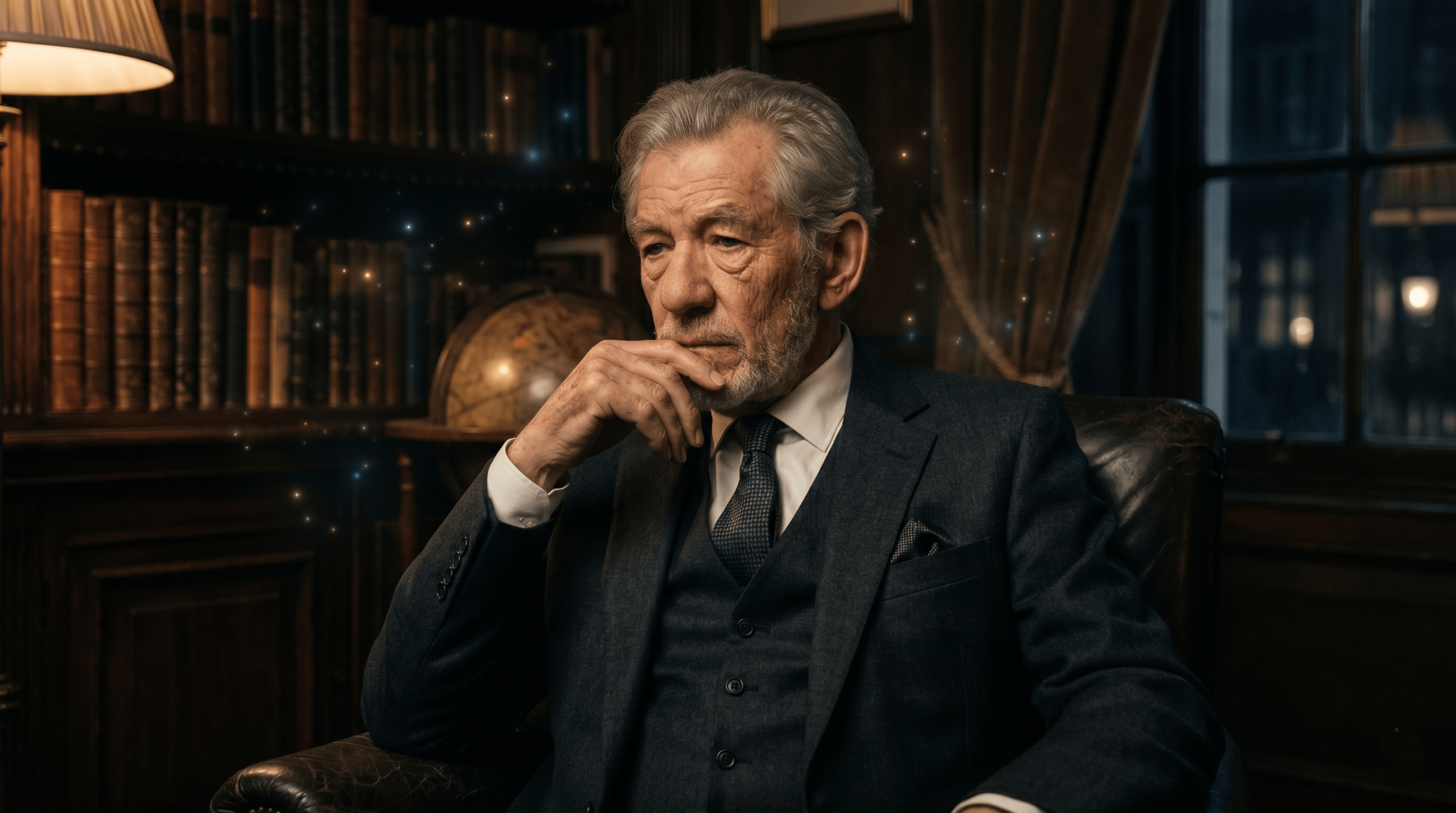
“When he [Richard Harris] died, he played Dumbledore, the wizard. I played the real wizard [Gandalf]. When they called me up and said would I be interested in being in the Harry Potter films, they wouldn’t say what part, I worked out what they were thinking. And I couldn’t. I couldn’t take over the part from an actor who I’d known didn’t approve of me.”
 The Harris Comment That Changed Everything
Years earlier, Richard Harris had criticized a group of actors he viewed as highly skilled but lacking emotional fire. He specifically grouped Ian McKellen with Derek Jacobi and Kenneth Branagh, calling them “technically brilliant, but passionless.” McKellen has described the remark as “nonsense,” yet it lingered.
Rather than stepping into the role of a character made iconic by someone who had publicly dismissed his style, McKellen chose to pass. It was a decision blending professional pride, respect for Harris’s legacy, and personal integrity.
Personal and Professional Context
At the time, McKellen was deeply committed to Gandalf, a role that would define his global stardom. Filming schedules for the massive Lord of the Rings productions were demanding. Additionally, taking on another all-consuming wizard role risked typecasting at a pivotal career stage. Yet McKellen has always framed the core reason as the discomfort of succeeding an actor who disapproved of him.
In a touching tribute written shortly after Harris’s death, McKellen acknowledged their differences while expressing admiration for the late actor’s passion and career.
Is Ian McKellen in Harry Potter? No—but his decision reveals much about the ethics and emotions behind major casting choices.
Ian McKellen’s Legendary Career: The Wizard We Actually Got
While Harry Potter fans never saw Sir Ian McKellen don the half-moon spectacles, the world gained one of the most beloved wizard portrayals in cinematic history through his performance as Gandalf. McKellen’s career spans decades of theatrical excellence and blockbuster dominance, cementing him as a cornerstone of fantasy cinema.
Born in 1939, McKellen rose to prominence on the British stage, earning acclaim for his Shakespearean roles. His transition to screen brought global fame with The Lord of the Rings trilogy (2001–2003), where he portrayed Gandalf the Grey (later the White) with a perfect blend of warmth, wisdom, power, and quiet humor. This role earned him an Academy Award nomination and introduced him to a new generation of fans.
Beyond wizards, McKellen delivered a career-defining turn as Magneto in the X-Men films, showcasing his ability to portray complex, authoritative figures with moral depth. His work in Mr. Holmes, Gods and Monsters, and countless stage productions further demonstrates his versatility and emotional range—qualities that made him a compelling candidate for Dumbledore.
 Gandalf vs. Dumbledore: How the Two Wizards Compare
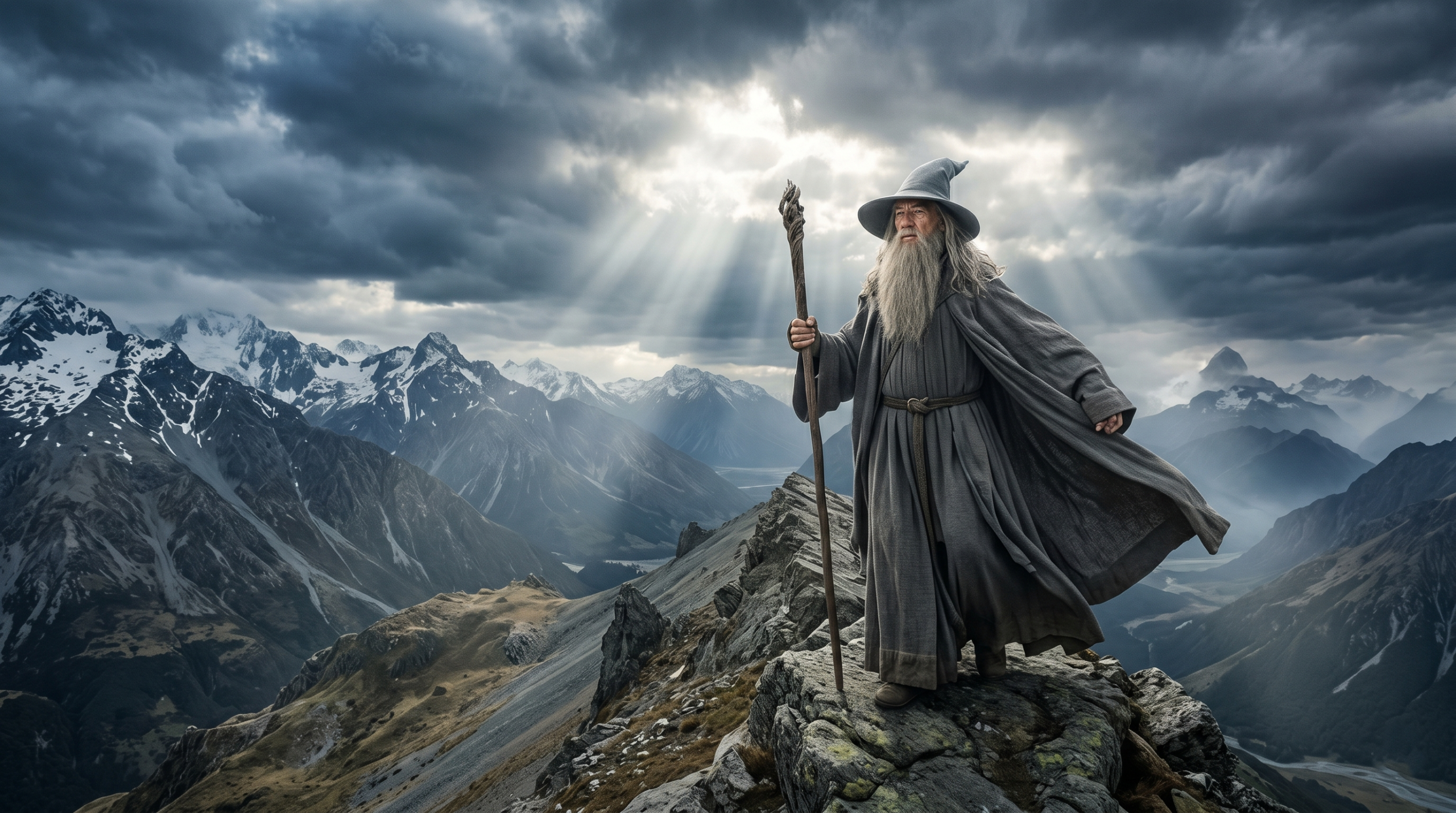
The persistent confusion between Gandalf and Dumbledore stems from deep archetypal similarities. Both are ancient, bearded mentors guiding a young protagonist against overwhelming evil. Both wield immense power while preferring guidance over direct intervention. Visually, flowing robes, pointed hats (in some depictions), and wise eyes create an immediate association.
Key Differences:
- Personality and Tone: Gandalf is more battle-hardened and proactive. He leads charges, fights Balrogs, and exhibits fiery temper when needed. Dumbledore is subtler—master manipulator, chess-player of destinies, often operating through riddles, secrets, and long-term schemes. McKellen’s Gandalf carries a gravitas rooted in ancient mythology and epic warfare, while Harris’s Dumbledore felt more whimsical and Gambon’s more eccentric and forceful.
- Thematic Role: In Tolkien’s world, Gandalf represents hope and resilience against industrial darkness and ancient evil. In Rowling’s Wizarding World, Dumbledore embodies trust, moral complexity, and the flaws within even the greatest leaders.
- Performance Style: McKellen brings a theatrical projection that fills the screen with commanding presence. Many fans argue this would have suited the later, darker Harry Potter films exceptionally well, potentially creating a more unified tone across the series.
McKellen has playfully engaged with the comparison. In interviews, he has quipped that “I played the real wizard” when discussing Gandalf versus Dumbledore, showing both pride in his role and respect for the Harry Potter franchise.
Despite turning down the role, McKellen has spoken fondly of the series and attended related events, showing no lasting bitterness—only a principled choice.
 The Impact of the Casting Decision on the Harry Potter Franchise
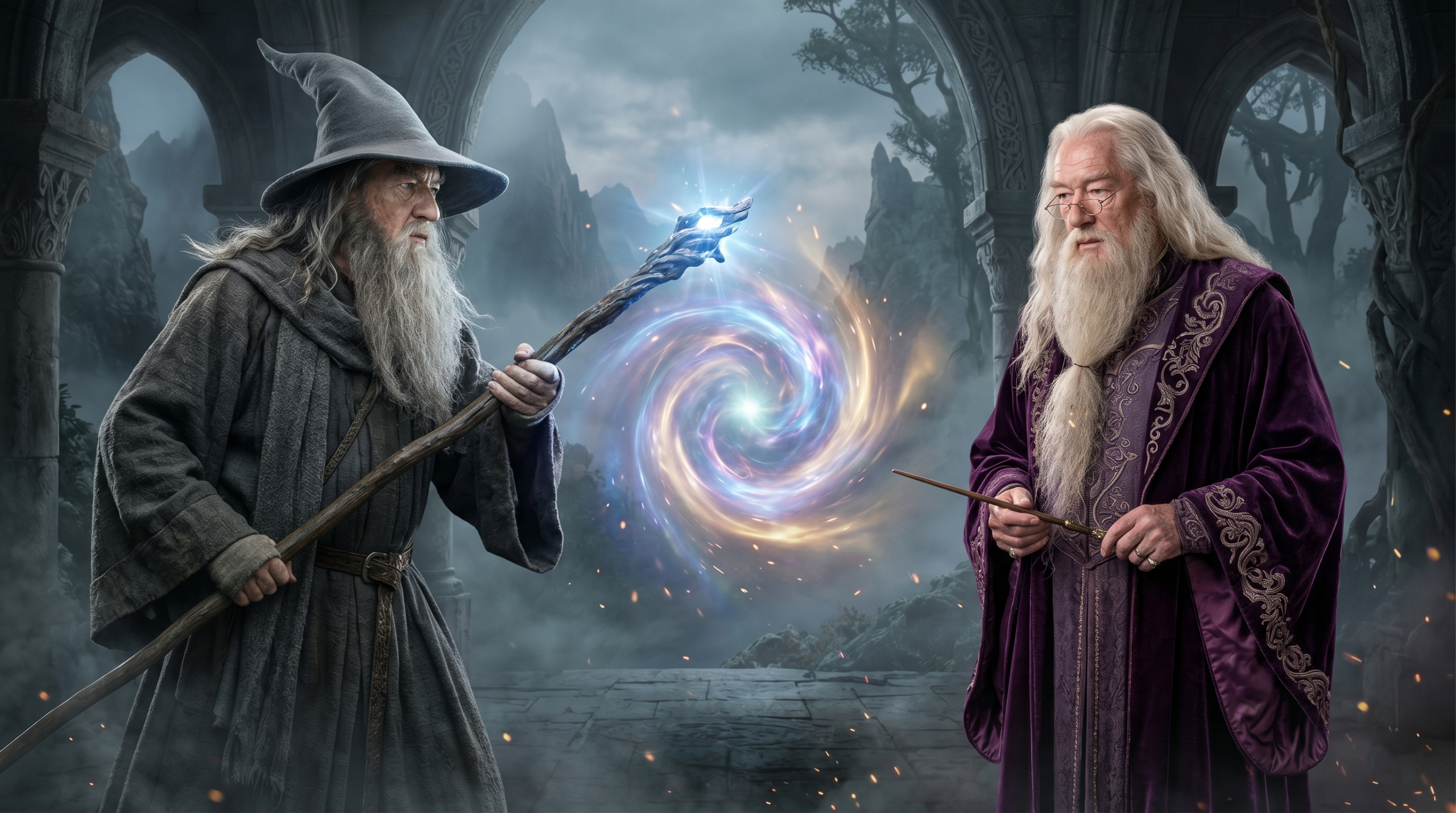
Michael Gambon’s arrival marked a tonal shift. Where Richard Harris offered gentle mystery, Gambon delivered dynamic energy. Scenes like the “I AM THE HALF-BLOOD PRINCE!” outburst or his more physical confrontations in later films reflect this evolution. Some purists preferred Harris’s quieter dignity, while others embraced Gambon’s flair for the escalating stakes of Order of the Phoenix through Deathly Hallows.
The recasting proved successful overall. It allowed the franchise to mature alongside its audience. Had McKellen accepted, the series might have maintained a more consistently solemn, weighty presence—potentially altering audience perception of Dumbledore’s secrecy and occasional whimsy.
Expert Perspective: Casting directors often note the immense pressure of replacing a beloved actor mid-franchise. The Harry Potter team navigated this by embracing change rather than imitation, a lesson echoed in other major series like Star Wars or Marvel recastings.
Fan Theories, Rumors, and Internet Myths
The internet keeps the “McKellen as Dumbledore” dream alive through:
- AI-generated images and deepfakes showing him in Hogwarts robes.
- Edited trailers and fan films.
- Misattributed quotes claiming he “regretted” the decision (he has not).
- Theories about hidden cameos or voice work (none exist).
Social media polls frequently pit Harris vs. Gambon vs. “What if McKellen?” Results vary wildly by age group—older fans lean toward Harris’s classic feel, while younger audiences often favor Gambon’s intensity.
These discussions highlight the passion of the Harry Potter fandom and how casting choices become part of the lore itself.
What If Ian McKellen Had Played Dumbledore?
This remains one of fantasy cinema’s great “what ifs.” McKellen likely would have brought unparalleled stage-trained gravitas and vocal command. His Dumbledore might have emphasized quiet authority and hidden steel, excelling in emotional confrontations like the Ministry battle or revelations in Half-Blood Prince.
Challenges would have included:
- Potential scheduling conflicts with The Hobbit prequels (though early enough to manage).
- Risk of visual and thematic overlap between two major wizard franchises releasing in proximity.
- Fan expectations after Harris’s warm portrayal.
Ultimately, the decision allowed both actors to shine in their respective legendary roles without direct competition. The Wizarding World got Gambon’s unique spark, while Middle-earth received McKellen’s definitive Gandalf. Both franchises benefited immensely.
 Key Lessons from the Harry Potter Casting Saga
- Respect for Predecessors Matters: McKellen’s choice reminds us that professional decisions often involve ethics and personal history beyond contracts.
- Timing and Chemistry Are Everything: Even perfect actors may not fit if the emotional or logistical fit isn’t right.
- British Acting Tradition Shines: The franchise’s strength came from drawing on theatrical knights like Harris, Gambon, and potential McKellen.
- Legacy Over “What Ifs”: Great performances create their own space rather than filling someone else’s shoes.
For fans struggling with recasting in beloved series, this story offers comfort: change can honor the original while allowing evolution.
FAQs
Was Ian McKellen ever considered for Harry Potter? Yes, he was formally offered the role of Dumbledore after Richard Harris’s death.
What did Richard Harris say about Ian McKellen? Harris described McKellen (along with Derek Jacobi and Kenneth Branagh) as “technically brilliant, but passionless.”
Did Ian McKellen regret turning down Dumbledore? There is no public statement indicating regret. He has framed it as a principled decision based on respect.
Are there any deleted scenes or cameos with McKellen in Harry Potter? No. He has zero involvement in the franchise.
Who is considered the best Dumbledore? This is subjective. Richard Harris for the early magical wonder, Michael Gambon for the later intensity. Many wonder what McKellen’s version would have been like.
Would Gandalf beat Dumbledore in a fight? McKellen himself has jokingly said “Gandalf, of course,” embracing the fun crossover debate.
Is Ian McKellen in Harry Potter? The clear answer is no. Yet this simple question opens a window into the heart of one of cinema’s most fascinating near-misses—a story of respect, rivalry, artistic integrity, and the beautiful overlap between two landmark fantasy universes.
Richard Harris gave us Dumbledore’s gentle mystery. Michael Gambon brought fiery unpredictability. And Ian McKellen delivered Gandalf as the wise warrior wizard who helped define a generation. All three performances enriched their worlds without needing to compete directly.
In the end, fantasy fans are the real winners. We get to enjoy multiple masterful interpretations of archetypal wisdom across different screens and stories. The next time you see a bearded wizard and wonder which one he is, remember the rich tapestry of choices that brought these characters to life.
What’s your take? Would you have loved to see McKellen as Dumbledore, or do you prefer the actors we got? Share your favorite Dumbledore moment or Gandalf quote in the comments below. For more deep dives into Wizarding World casting, actor legacies, and franchise secrets, explore our other Harry Potter analyses here.