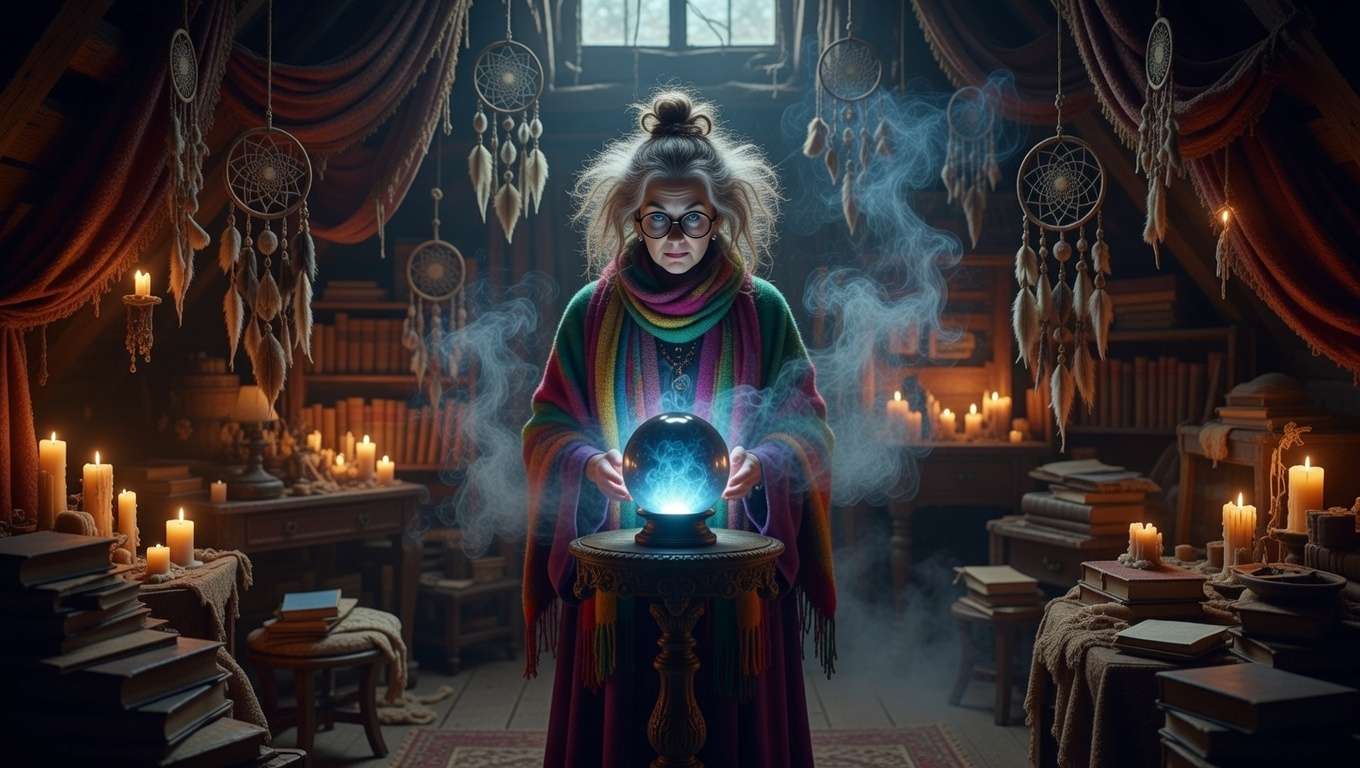
In the shadowy corner of the Hog’s Head pub in early 1980, a sherry-scented witch with enormous glasses and a dramatic shawl slipped into a trance. Her voice, usually theatrical and exaggerated, dropped to an eerie monotone as she delivered words that would reshape the entire Wizarding World: “The one with the power to vanquish the Dark Lord approaches… born to those who have thrice defied him, born as the seventh month dies…” This was no ordinary prediction. This was a genuine prophecy made by Sybill Trelawney from Harry Potter—the eccentric Divination professor many dismissed as a complete fraud. Yet without her, there might never have been a Chosen One, no Harry Potter marked as Voldemort’s equal, and no ultimate defeat of the Dark Lord.
Trelawney from Harry Potter remains one of the series’ most polarizing characters. Fans debate endlessly: Is she a true Seer with the rare gift of prophecy, or merely a theatrical charlatan hiding behind crystal balls and tea leaves? The answer lies in nuance—she’s both, and neither. J.K. Rowling herself described her as “at least ninety per cent fraud,” yet acknowledged that Sybill inherited more of her ancestor’s talent than she realizes. This deep dive explores her full backstory, the two canon-true prophecies that altered history, her many misses, her journey through the books, and why she deserves more credit than the “old fraud” label suggests. If you’ve ever wondered whether Trelawney’s Inner Eye saw more than misty omens, read on—this is the comprehensive guide to understanding one of Hogwarts’ most misunderstood professors.
Who Is Sybill Trelawney? A Complete Character Profile
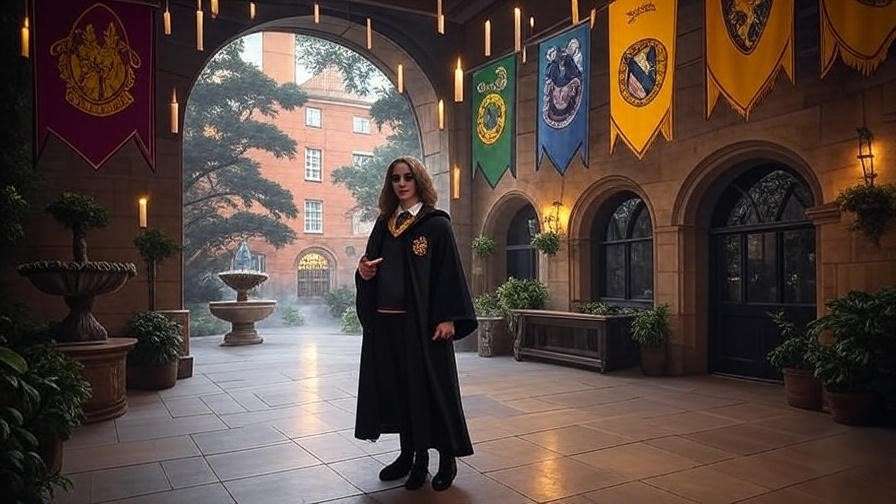
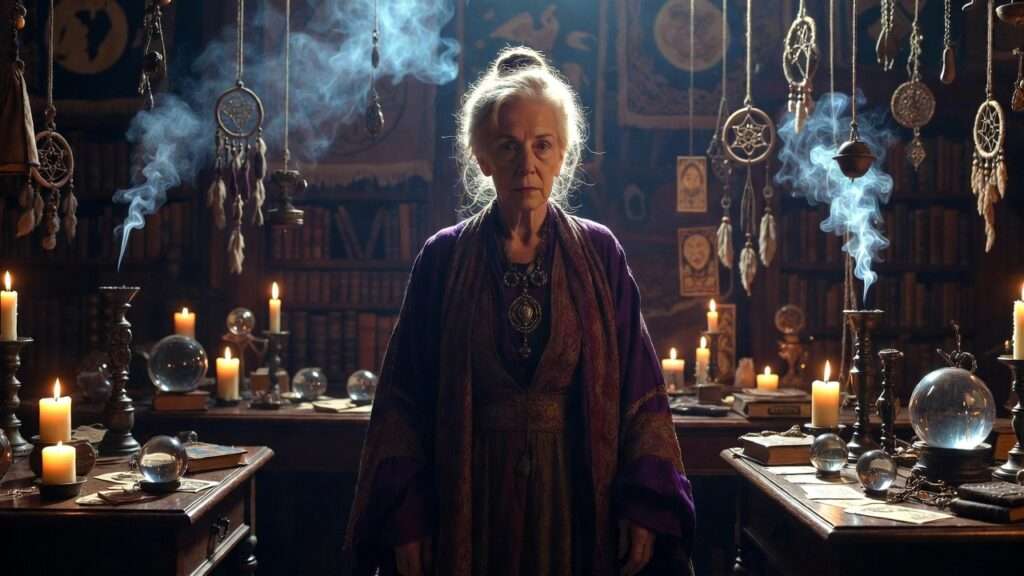
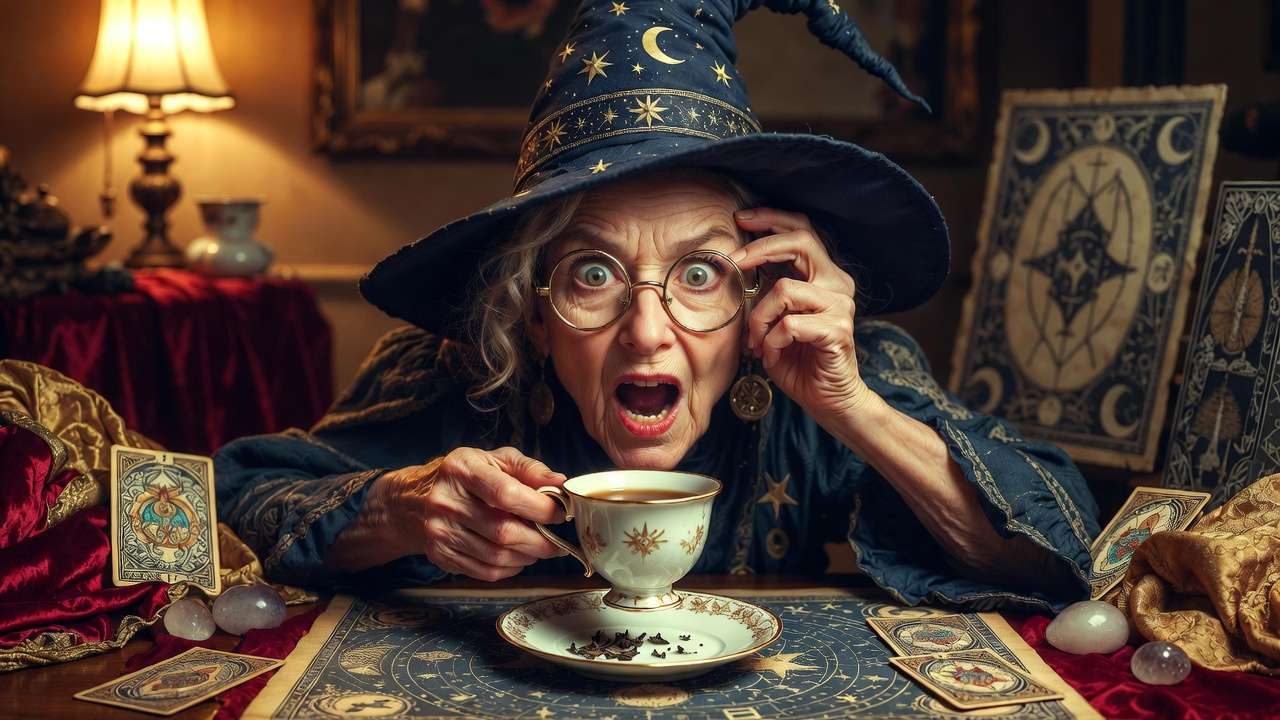
Sybill Patricia Trelawney is the long-serving (and often embattled) Professor of Divination at Hogwarts School of Witchcraft and Wizardry. Born sometime before 1963 (exact date March 9 is noted in some extended canon), she is a half-blood witch—her father was a wizard, her mother a Muggle. Her appearance is unmistakable: frizzy hair piled high, countless shawls and scarves, oversized glasses that magnify her eyes to an almost comical degree, and a voice that shifts from whispery mysticism to dramatic wails.
What sets her apart most is her lineage. Trelawney is the great-great-granddaughter of Cassandra Trelawney, one of the most celebrated Seers in wizarding history. Cassandra’s gift was legendary, but as Rowling explains on Wizarding World (formerly Pottermore), the ability has “diluted over ensuing generations.” Sybill inherited fragments of this rare talent—enough for occasional, uncontrollable flashes of true foresight—but she compensates with exaggeration and showmanship.
Her personality is a mix of insecurity and theatricality. She cultivates an air of mystery, surrounding herself with incense, dream charts, and crystal balls in her cluttered North Tower classroom. She enjoys impressing gullible students with doom-laden predictions, yet her over-the-top style often invites ridicule from skeptics like Hermione Granger and Minerva McGonagall. Beneath the drama lies vulnerability: the pressure of her famous ancestry drives her to overcompensate, fearing she’ll be exposed as inadequate.
 The Prophecy That Defined the Wizarding World
No discussion of Trelawney from Harry Potter is complete without her most famous act: the prophecy delivered during her 1980 job interview with Albus Dumbledore at the Hog’s Head.
The full text, as revealed in Harry Potter and the Order of the Phoenix, reads:
“The one with the power to vanquish the Dark Lord approaches… born to those who have thrice defied him, born as the seventh month dies… and the Dark Lord will mark him as his equal, but he will have power the Dark Lord knows not… and either must die at the hand of the other for neither can live while the other survives…”
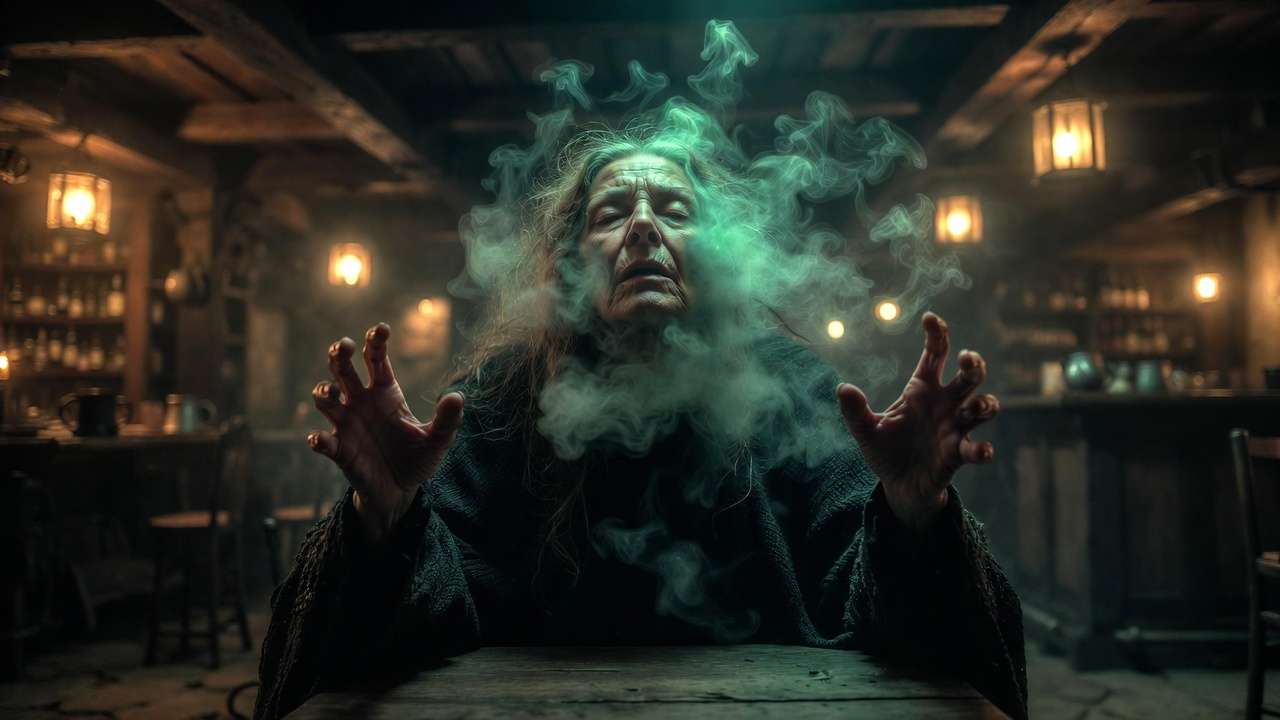
This trance came unbidden; Trelawney herself didn’t recall it afterward, a hallmark of true Seers whose Inner Eye operates beyond conscious control. Severus Snape overheard only the first part before being ejected, leading Voldemort to interpret it as referring to a boy born at the end of July—either Harry Potter or Neville Longbottom.
Voldemort’s choice to attack the Potters marked Harry as his equal, setting the entire series in motion. The “power the Dark Lord knows not” was love—Lily Potter’s sacrifice creating protective magic that ultimately defeated Voldemort. Without Trelawney’s prophecy, Voldemort might never have targeted Harry, and the Second Wizarding War could have unfolded differently. Dumbledore hired her on the spot, not for her everyday Divination skills, but to protect the source of this vital information.
 Evidence of Trelawney’s Genuine Seer Powers
Despite her reputation, canon provides clear proof that Trelawney possesses authentic Seer abilities—rare, involuntary, and forgotten by her afterward.
The second major prophecy occurred in Harry Potter and the Prisoner of Azkaban. During Harry’s Divination exam, she fell into a trance: “It will happen tonight… Tonight, before midnight… the servant will break free and set out to rejoin his master. The Dark Lord will rise again with his servant’s aid, greater and more terrible than ever he was…”
This foretold Peter Pettigrew’s escape and Voldemort’s return in Goblet of Fire. Again, Trelawney had no memory of it.
Other smaller hits include:
- Predicting Neville would break his teacup (which he did immediately).
- Warning Harry of danger tied to the Grim (Sirius Black in dog form).
- Foreseeing the servant rejoining his master exactly as events unfolded.
Rowling confirms these are genuine but rare. True Seers like Trelawney enter trances unconsciously; they can’t summon the gift at will, explaining why her everyday readings rely on theatrics.
 The Fraud Side – When Trelawney Overcompensates
Trelawney’s daily “predictions” are where the “ninety per cent fraud” label sticks. She uses traditional tools—tea leaves, crystal balls, palmistry—but often invents doom for dramatic effect.
Examples of famous misses:
- Annual prediction that one student will die (never happened).
- Telling Augusta Longbottom she was poorly (Neville’s grandmother was robust).
- Warning Parvati Patil of a “red-haired man” as danger (perhaps misreading Ron’s future with Lavender).
- Repeated omens of Harry’s early death.
Her annual “death prediction” was a ploy for attention, as McGonagall notes none ever came true. Students like Hermione dismissed her outright, calling her an “old fraud.” This stems from insecurity—knowing her gift is intermittent, she pads it with performance.
 Trelawney’s Journey Through the Series – Key Moments
Trelawney arrives at Hogwarts pre-1980, hired after her prophecy. In Prisoner of Azkaban, she sees the Grim in Harry’s cup and delivers her second prophecy.
Order of the Phoenix brings her sacking by Dolores Umbridge after a disastrous inspection. Her dramatic exit—sobbing and clutching sherry—highlights her fragility, but Dumbledore rehires her, valuing her despite flaws.
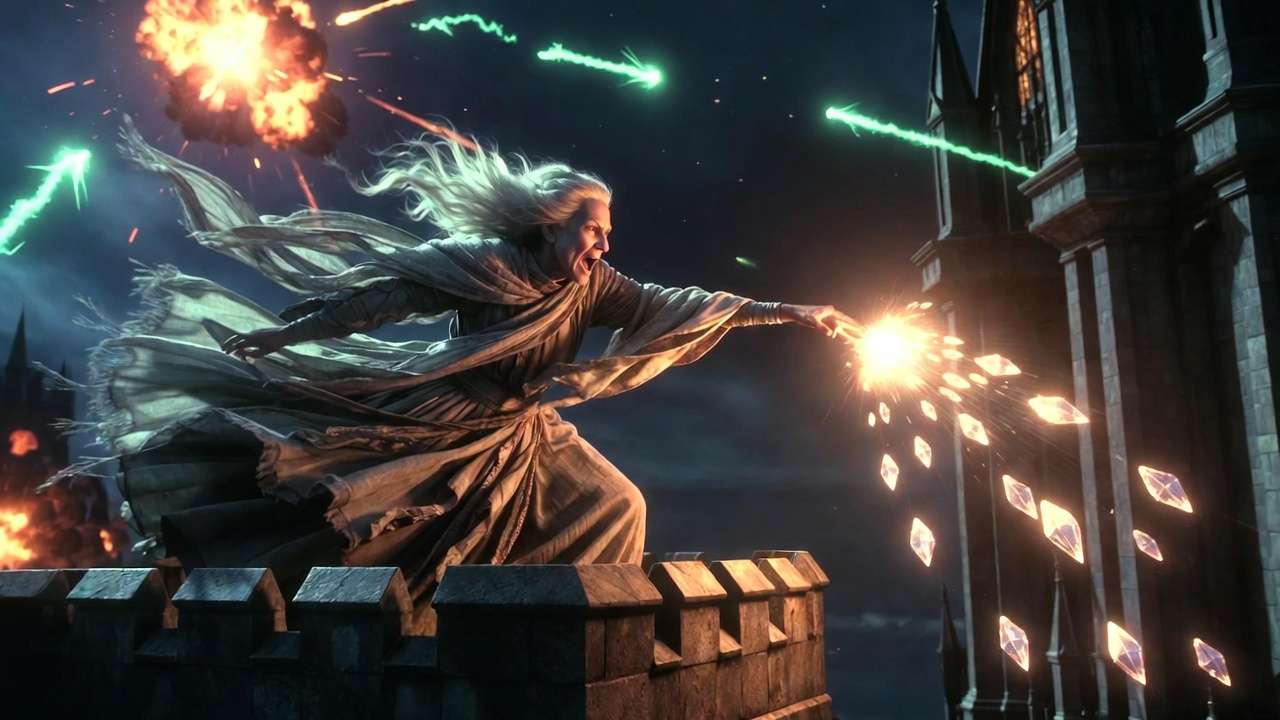
In Half-Blood Prince and Deathly Hallows, she remains, fighting in the Battle of Hogwarts by hurling crystal balls at Death Eaters in a “tennis-like serve.” She tends the wounded, showing unexpected bravery.
After the war, she likely continued teaching under Headmistress McGonagall, as no canon indicates otherwise.
 Is Trelawney Underrated? Defending the Divination Professor
When fans rank Hogwarts professors, Sybill Trelawney rarely makes the top tier. She’s often grouped with the likes of Binns (boring) or Lockhart (fraudulent) rather than the revered McGonagall, Snape, or Lupin. Yet a closer examination reveals she may be one of the most underrated staff members in the entire series.
First, compare her to the only other Divination teacher we see: Firenze the centaur. Firenze teaches with solemn dignity and genuine insight into the stars, yet his classes are described as dull by many students. Trelawney, for all her theatrics, manages to captivate at least a portion of her class—Lavender Brown and Parvati Patil become devoted followers, hanging on her every word. Her dramatic style keeps teenagers engaged in a subject that could easily feel abstract or irrelevant. In a school full of practical magic (potions, charms, transfiguration), she offers something intangible: wonder, mystery, and the tantalizing possibility of glimpsing the future.
Second, consider the sheer impact of her two documented true prophecies. No other professor—except perhaps Dumbledore himself—has directly influenced the course of wizarding history to such a degree. The first prophecy created the Chosen One narrative; the second accurately predicted Voldemort’s return when almost no one else believed it possible. Her gift, however sporadic, carried world-altering weight.
Third, her bravery in the final battle should not be overlooked. While many adult wizards fled or faltered, Trelawney climbed the battlements of Hogwarts and rained crystal balls down on the Death Eaters below. The image of the sherry-swigging, shawl-draped professor hurling heavy orbs “with the expertise of a tennis player” is both comical and unexpectedly heroic. She stayed and fought when she could have hidden in her tower.
Fan theories often circle back to the idea that “she’s always right in hindsight.” While exaggerated, there’s a kernel of truth: many of her vague predictions can be retrofitted to events (the Grim truly did bring danger, the “red-haired man” could loosely tie to Ron’s romantic entanglements). More importantly, her trances prove she isn’t inventing everything. The gift exists; she simply cannot control or even remember it.
Ultimately, Trelawney’s true power lies in the unconscious. She doesn’t need to posture or perform when the Inner Eye takes over. That disconnect—between her conscious fraudulence and her subconscious authenticity—makes her one of J.K. Rowling’s most psychologically layered characters.
Lessons from Trelawney – What Harry Potter Fans Can Learn
Sybill Trelawney may not be the role model McGonagall is, but she still offers valuable takeaways for readers:
- Hidden talents often reveal themselves in unexpected ways — Trelawney never fully understood or harnessed her gift, yet it emerged at the most critical moments. Many people possess abilities they undervalue or fail to recognize until life forces them forward.
- Judging by appearances can be dangerously misleading — The wizarding world (and readers) wrote her off as comic relief. Yet she held one of the most consequential secrets in the fight against Voldemort.
- Belief shapes reality — Voldemort acted on the prophecy because he believed it. Harry survived because of love, the power he “knew not.” Trelawney’s words became self-fulfilling in part because powerful people took them seriously.
- Vulnerability isn’t weakness — Her insecurities and need for validation made her theatrical, but they also made her human. She fought despite ridicule and fear.
- Sometimes the greatest contributions are involuntary — Trelawney didn’t choose to deliver those prophecies. Her gift operated outside her control, reminding us that destiny and choice intertwine in complex ways.
These themes echo the core messages of the Harry Potter series: love triumphs over power, choices define us more than fate, and even the most unlikely people can change history.
Frequently Asked Questions About Trelawney from Harry Potter
Is Trelawney a real Seer? Yes, but only partially. J.K. Rowling has stated she is “at least ninety per cent fraud,” yet she does possess genuine Seer abilities. She made two confirmed true prophecies, both delivered in trance and forgotten afterward—a classic trait of true Seers.
How many true prophecies did Trelawney make? Canon confirms two major ones: the prophecy about the Chosen One (1980) and the prediction of Voldemort’s return via Pettigrew (1994). Several smaller, accurate predictions appear throughout the books, though they’re often vague or coincidental-sounding.
Why did Dumbledore keep her at Hogwarts? Dumbledore hired her after she delivered the prophecy about Harry/Voldemort and kept her partly to protect the secret (Snape had overheard it). He also valued her rare genuine gift, even if her everyday teaching was theatrical.
What happened to Trelawney after the Battle of Hogwarts? Canon does not explicitly state her fate post-war, but she is implied to have continued teaching under McGonagall’s headmistress-ship. She survived the battle and demonstrated loyalty to Hogwarts, making it reasonable she remained on staff.
Is she related to any other famous Seers? Yes—she is the great-great-granddaughter of Cassandra Trelawney, one of the most renowned Seers in wizarding history, whose predictions were recorded in Hogwarts library books.
Did Trelawney ever remember her true prophecies? No. True Seers typically enter an unconscious state during genuine prophecy and have no recollection afterward. This explains why she was unaware of the monumental prophecies she delivered.
Why do some fans call her a fraud? Her daily Divination lessons relied heavily on vague, dramatic predictions that rarely came true. She exaggerated her abilities to compensate for insecurity and the intermittent nature of her real gift.
Was her prediction of Harry’s death ever correct? No. She repeatedly saw omens of Harry dying young (especially tied to the Grim), but he survived into adulthood. These were among her many misses.
Sybill Trelawney from Harry Potter is neither the infallible oracle of legend nor the useless fraud her critics claim. She exists in the gray space between—flawed, theatrical, insecure, yet burdened with a rare and powerful gift she cannot fully control or even remember.
Her two true prophecies reshaped the destiny of the wizarding world. The first created the prophecy that drove Voldemort to mark Harry as his equal; the second foretold his return when hope was at its lowest. Without her, the story of Harry Potter as we know it would not exist.
Next time you revisit the series, pause on the misty, incense-filled tower. Look past the shawls, the sherry, the annual death omens. See the woman whose Inner Eye—however briefly and unconsciously—pierced the veil of time itself.
She may be mostly fraud, but the part that isn’t changed everything.
What do you think—does Trelawney deserve more respect, or is she still the ultimate example of style over substance? Share your thoughts in the comments below, and don’t forget to explore more deep dives into the Wizarding World right here on the blog.