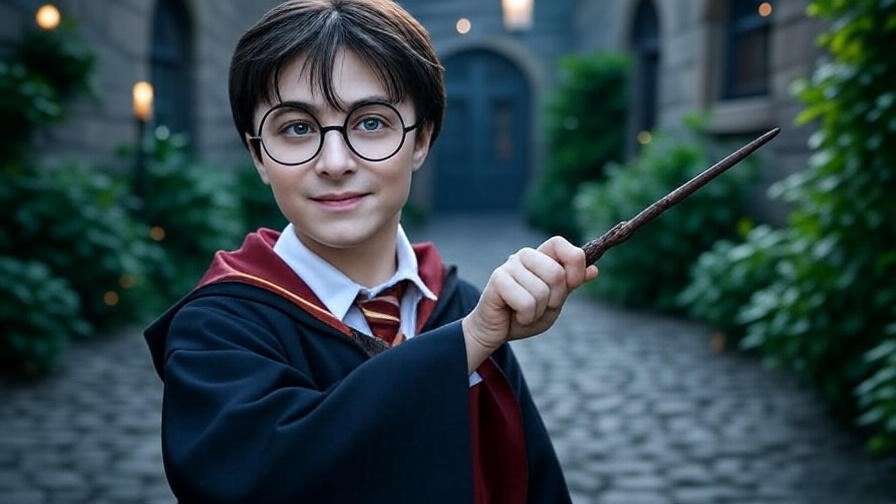

Let us be brutally honest for a moment: how many times have you clicked on an online quiz to find your wand, only to be asked what your favorite color is, or what you would eat for breakfast in the Great Hall? These superficial algorithms might provide a momentary distraction, but they entirely ignore the intricate, psychological science of wandlore established by Garrick Ollivander. If you are searching for the definitive, deeply researched wand test Harry Potter fans genuinely need to discover their true magical affinity, you must look past randomized questions and dive into canon-accurate character analysis.
True wandlore is not about picking your favorite animal; it is about examining your deepest ambitions, your moral rigidness, and how you react when pushed to your absolute breaking point. In this comprehensive guide, we will break down the precise psychology of the supreme wand cores, the hidden meanings behind wand woods, and present a deep-lore evaluation designed to uncover the wand that would actually choose you off the dusty shelves of Ollivanders.
Why True Wandlore Goes Beyond the Basics
To truly understand the results of any legitimate wand evaluation, we must first unlearn a common misconception: a wand is not merely a wooden tool used to channel magic. It is a semi-sentient magical entity.
 The Wand Chooses the Wizard: What That Actually Means
When Mr. Ollivander famously stated, “The wand chooses the wizard,” he was referencing a deeply complex symbiotic relationship. A wand learns from its master, but it also imparts its own wisdom and temperament onto the caster. You cannot simply pick up a rigid piece of Dragon Heartstring and expect it to yield to a passive, uncertain mind. The wand assesses your inherent potential, your latent personality traits, and your capacity for greatness—or terrible destruction.
The Triumvirate of Wand Creation
Achieving true mastery over a wand requires the perfect alignment of three critical elements:
-
The Wood: This acts as the physical vessel and reflects your outward personality, your resilience, and your life’s overarching ambition.
-
The Core: The magical heartbeat of the wand. It dictates your raw power, your magical temperament, and your specific spell-casting specialties.
-
Flexibility and Length: Often overlooked, a wand’s flexibility directly correlates to a wizard’s moral adaptability and willingness to change, while length often mirrors the scale of the wizard’s personality (rather than just physical height).
Decoding the Supreme Wand Cores
Garrick Ollivander revolutionized British wandmaking by strictly utilizing only three materials for his cores, having found them to produce magic of the highest caliber. Before taking the deep-lore test, you must understand the volatile nature of the supreme cores.
 Dragon Heartstring: The Ambitious Powerhouse
Wands with a Dragon Heartstring core produce wands with the most raw magical power, capable of the most flamboyant and dazzling spells. They learn more quickly than other types, making them ideal for exceptionally ambitious witches and wizards who desire fast, tangible results.
However, this power comes at a cost. Dragon wands are the most prone to accidents and are deeply temperamental. Furthermore, while they form a strong bond with their current master, they are the most likely of the three cores to willingly change allegiance if won in a genuine duel. They are drawn to those who assert dominance and command respect.
Unicorn Hair: The Unwavering Loyalist
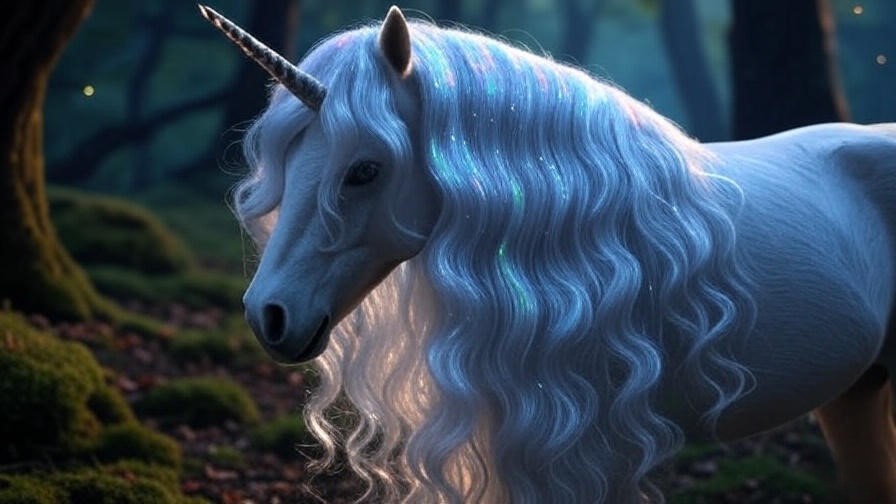
Unicorn Hair produces the most consistent, reliable magic and is notoriously difficult to turn toward the Dark Arts. These wands are deeply faithful, usually remaining intensely attached to their original owner, regardless of whether that witch or wizard is a powerful duelist or a modest herbalist.
The primary drawback of the Unicorn core is its lack of raw, explosive power compared to Dragon Heartstring. Additionally, they are incredibly sensitive to emotional trauma. If severely mishandled or pushed to perform acts completely against their nature, the core can suffer immense melancholy, effectively “dying” and requiring replacement. They choose wizards of high moral integrity and emotional depth.
Phoenix Feather: The Independent Spirit
The rarest of the supreme cores, Phoenix Feathers produce the greatest range of magic, though they may take longer than either Dragon or Unicorn cores to reveal this capability. They show the most initiative, sometimes acting entirely of their own accord—a quality that many wizards find deeply unnerving.
Because the phoenix is a fiercely independent creature, wands containing their feathers are the hardest to tame and the most difficult to win over. They are drawn to individuals who are highly individualistic, destined for extraordinary paths, and fiercely independent.
The Deep-Lore Wand Test: Discover Your Affinity
Instead of asking for your favorite Hogwarts house or preferred flavor of Bertie Bott’s Every Flavour Beans, this evaluation requires profound introspection. Answer these questions honestly, noting your instinctive choices.
Phase 1: Instinct and Crisis Management
This phase evaluates your core magical temperament and raw reflexes.
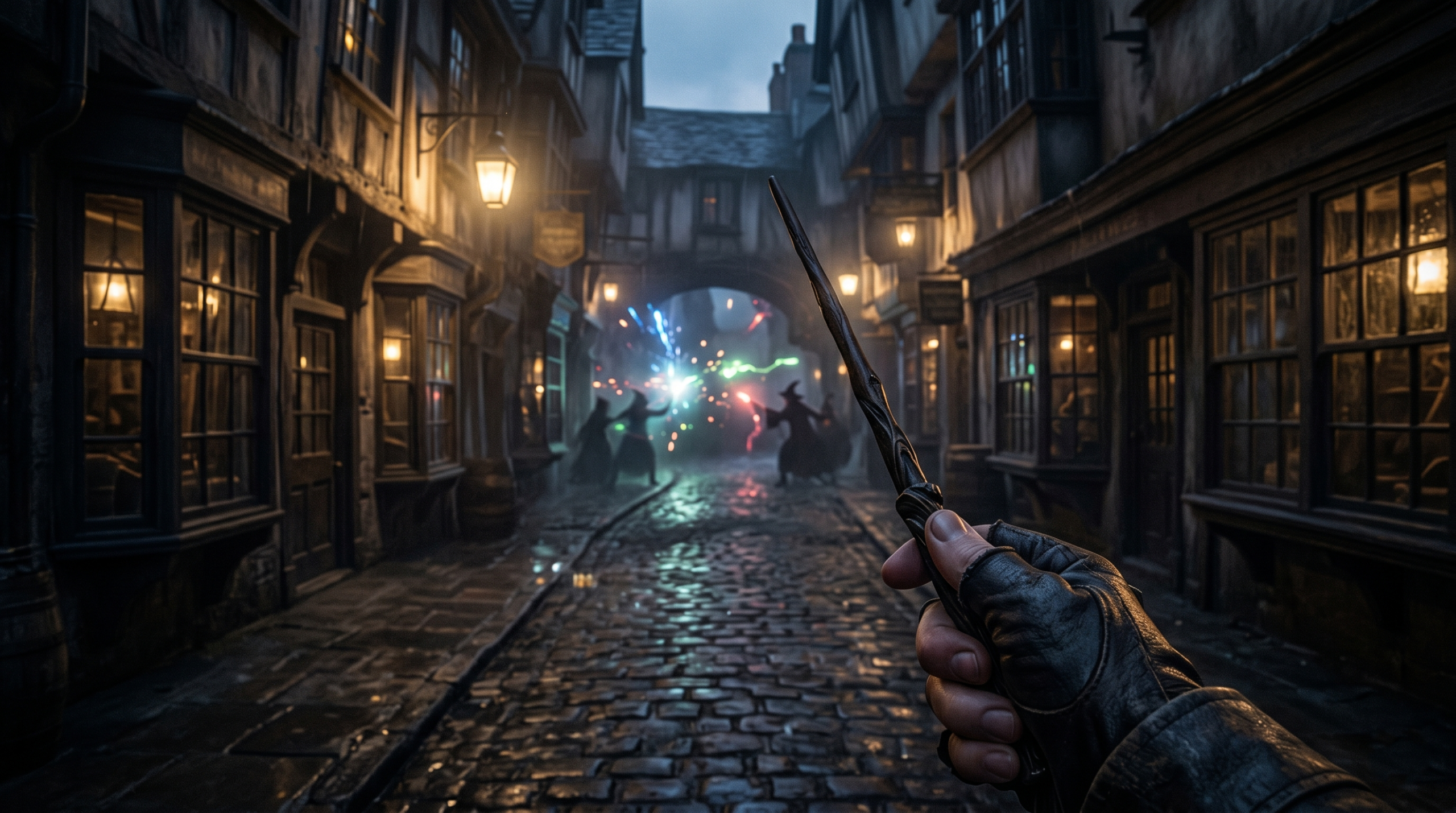
Scenario A: A sudden, unprovoked duel breaks out in the Hogwarts courtyard. A hex is hurtling toward a younger student. What is your micro-second instinct?
-
Defend: You instantly cast a massive, impenetrable Protego, prioritizing absolute safety and absorbing the blow. (Points toward: Unicorn Hair / High Flexibility)
-
Disarm/Attack: You ignore the shield and immediately fire an offensive spell or Expelliarmus directly at the attacker to neutralize the threat at its source. (Points toward: Dragon Heartstring / Rigid Flexibility)
-
Analyze & Redirect: You wait a fraction of a second to observe the spell’s trajectory, then use the environment—perhaps shattering a nearby stone statue to intercept the hex and counter-attack simultaneously. (Points toward: Phoenix Feather / Supple Flexibility)
 Phase 2: Alternate Timeline “What If” Scenarios
This phase deeply evaluates your ambition, moral rigidness, and philosophical alignment.
Scenario B: Consider a highly debated “What If” alternate history: What if Albus Dumbledore had actually joined forces with Gellert Grindelwald permanently, utilizing the Elder Wand for the “Greater Good”? You are a talented wizard living in this era. How do you respond to their rising global empire?
-
The Insurgent: You fight them openly. Regardless of the overwhelming odds or the personal danger, their ideology is fundamentally wrong, and you will not compromise your morals to survive in their new world. (Points toward: Unicorn Hair / Unyielding Flexibility / Alder Wood)
-
The Pragmatist: You leverage the shifting power dynamics. You may not agree with their methods, but you see an opportunity to secure vast resources for your own independent magical research and elevate your family’s status. (Points toward: Dragon Heartstring / Slightly Yielding Flexibility / Elm Wood)
-
The Subversive: You feign allegiance to learn their deepest magical secrets, operating from the shadows to dismantle their empire from within when they least expect it, relying on your own intellect rather than brute force. (Points toward: Phoenix Feather / Pliant Flexibility / Vine Wood)
Phase 3: Emotional Resilience
This phase determines the precise wood that will best channel your magic based on how you handle failure.
Scenario C: You have spent three years attempting to perfect a highly dangerous, experimental potion, but it spectacularly fails, destroying your laboratory. What is your emotional response?
-
You are devastated but refuse to give up. You meticulously document the failure, clean up the ashes, and start again from page one the very next morning. (Points toward: Ash or Hazel Wood)
-
You are intensely frustrated, taking the failure as a personal insult to your intellect. You abandon the project to obsessively master a completely different branch of magic to prove your competence. (Points toward: Walnut or Blackthorn Wood)
-
You calmly analyze the explosion, realizing the chaotic blast created a fascinating, unforeseen magical residue. You pivot your research to study this new phenomenon instead. (Points toward: Elder or Apple Wood)
Interpreting Your Wand Wood Match
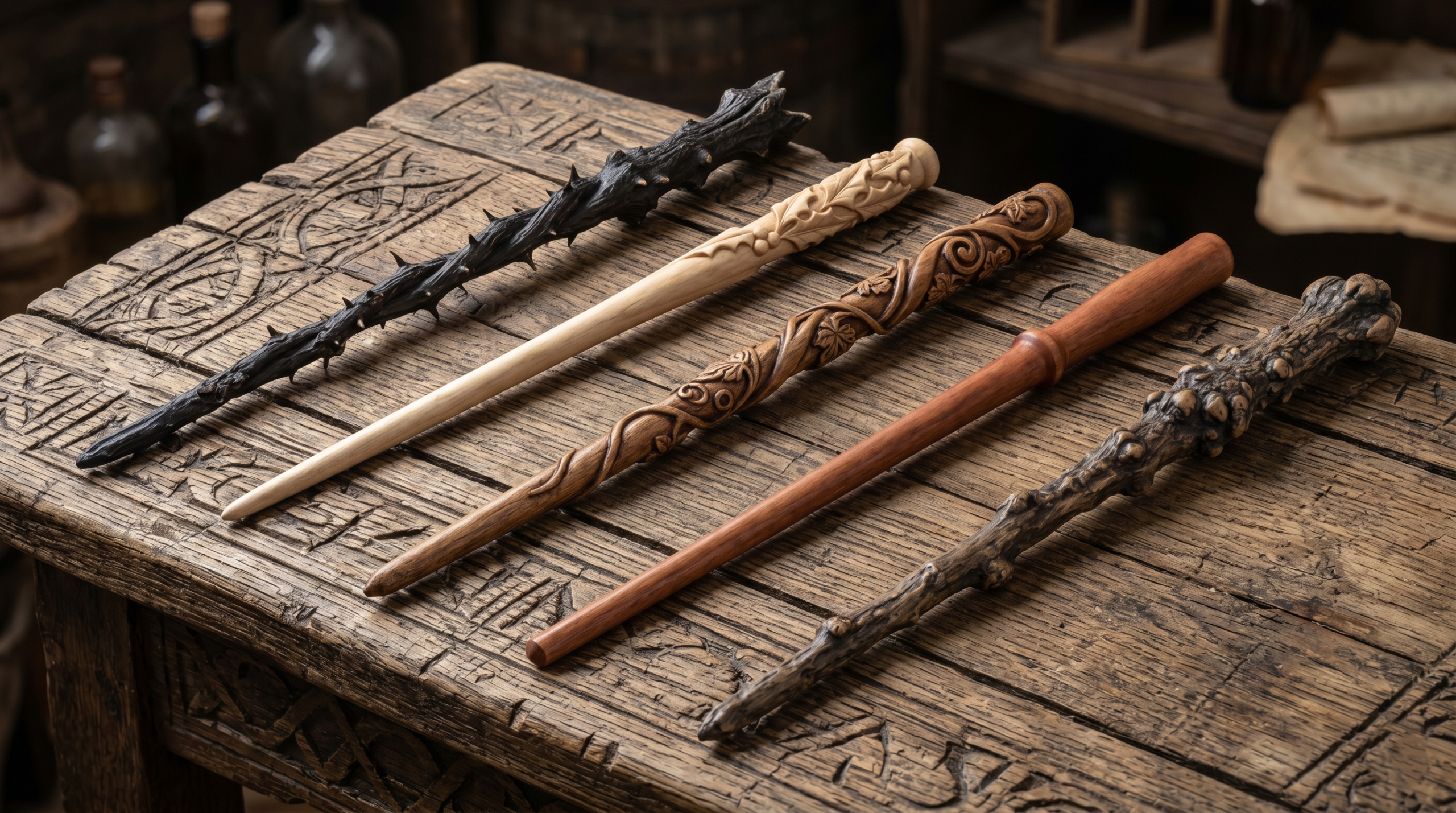
Once you have identified your likely core and flexibility based on your psychological responses above, consult this advanced breakdown of canonical wand woods to find your perfect pairing.
| Wand Wood | Ideal Wizard Trait | Magical Specialty |
| Alder | Considerate, helpful, yet unyielding in belief | Advanced, non-verbal spell work |
| Blackthorn | Warriors, those who must pass through hardship | Formidable defensive magic, curses |
| Elder | Highly unusual, deeply ambitious, marked for greatness | Absolute mastery and profound magical strength |
| Hazel | Emotionally intelligent, sensitive, devoted | Detecting hidden sources, attuned to owner’s emotional state |
| Holly | Protective, often engaged in a significant quest | Deflecting dark magic, natural leadership |
| Vine | Possesses hidden depths, seeks a greater purpose | Astounding, unpredictable magic |
| Walnut | Highly intelligent, innovative, confident | Lethal efficiency in complex charms |
 The Mechanics of Wand Allegiance and Mastery
Many fans wonder about the permanence of their test results. Can you outgrow your wand? Can your wand turn on you? The mechanics of wand allegiance are deeply tied to the concepts of dominance and mutual respect.
Can Your Wand Turn On You?
Wands are not inherently treacherous, but they possess a sharp instinct for power dynamics. A wand won in a true, life-or-death duel will almost certainly yield its allegiance to the victor, leaving the defeated wizard holding a significantly less effective piece of wood. This was famously demonstrated when Harry Potter overpowered Draco Malfoy, winning the allegiance of Malfoy’s hawthorn wand.
However, this is not a universal rule. Wands with Unicorn Hair cores are notoriously stubborn and will often refuse to serve a new master optimally, even if won fairly. Conversely, Dragon Heartstring wands respect power above all else and will pivot their allegiance with startling speed if their master is cleanly bested. If your personality radically shifts—perhaps through severe trauma or a massive change in moral alignment—you may find that your once-trusted wand feels cold and unresponsive, necessitating a return to Ollivanders.
 Frequently Asked Questions (FAQ) About Wandlore
What is the rarest wand wood and core combination in Harry Potter?
The absolute rarest combination recognized by Ollivander is Elder wood paired with a Phoenix Feather core. Elder is famously difficult to master and refuses to stay with any owner who is not the superior of their company. When paired with the fiercely independent Phoenix Feather, it creates a wand that requires a master of unimaginable will and destiny.
Does your wand core dictate if you are destined to be a Dark Wizard?
No. While certain woods and cores have affinities for different branches of magic, a wand does not dictate destiny; it merely reflects potential. While Dragon Heartstring is frequently found in the hands of Dark Wizards due to its affinity for raw power and ambition, it was also the core of Hermione Granger’s wand, one of the greatest forces for good in magical history.
Can a witch or wizard change their wand later in life, or is the bond permanent?
While rare, witches and wizards can acquire new wands later in life. Sometimes, a wand is physically broken beyond repair. Other times, as a wizard matures, experiences profound grief, or undergoes a massive shift in their worldview, their original wand may no longer harmonize with their magical signature. In these cases, a new wand must choose the “new” wizard.
Taking a lore-accurate wand test is about much more than assigning yourself a fun aesthetic; it is an exercise in profound character analysis. Whether you are wielding a fiercely loyal Unicorn Hair and Hazel wand or a volatile Dragon Heartstring and Blackthorn wand, your result is a mirror reflecting your deepest ambitions, your emotional resilience, and your approach to the world around you.
The magic of J.K. Rowling’s universe endures because it demands that we look closely at our own choices. As Dumbledore wisely noted, it is our choices that show what we truly are, far more than our abilities. Your wand is the physical manifestation of those choices.