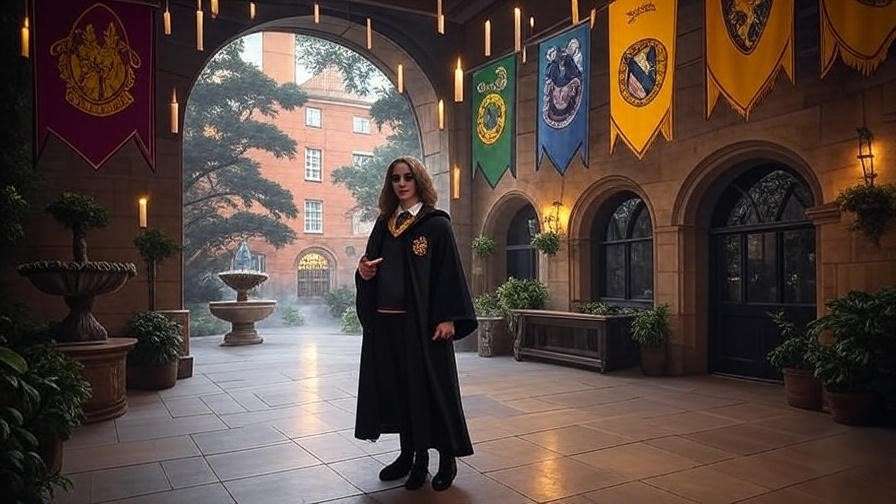

Imagine a cold Halloween night in 1981. A young mother stands between the most feared Dark wizard of the age and her infant son. She has no wand raised in defiance, no spell on her lips—only words of desperate love: “Not Harry! Not Harry! Please—not Harry!” In that moment, Lily Evans Potter makes a choice that changes the course of the entire wizarding world. Voldemort’s Killing Curse rebounds. The Dark Lord falls. And a one-year-old boy survives with nothing more than a lightning-shaped scar.
While Harry Potter became “The Boy Who Lived,” many fans still ask: who was the woman whose love created the ancient magic that made his survival possible? Lily Potter—born Lily Evans—remains one of the most pivotal yet under-explored characters in J.K. Rowling’s series. Her story is more than a tragic footnote; it is the emotional and magical foundation of the entire saga.
In this in-depth exploration, we uncover the full arc of Lily Evans Potter: her Muggle-born childhood, her extraordinary magical talent (especially in Potions and Charms), her complicated friendship with Severus Snape, her evolving romance with James Potter, her courage during the First Wizarding War, and—most importantly—the sacrificial protection that redefined what love can accomplish in the wizarding world. By the end, you’ll see why Lily is not just Harry’s mother, but one of the strongest, most principled, and quietly powerful witches in the Harry Potter canon.
Early Life: From Muggle Childhood to Discovering Magic
Lily Evans was born on January 30, 1960, to a working-class Muggle family in the industrial town of Cokeworth. Her parents were kind but ordinary; her older sister, Petunia, would later become the symbol of everything the wizarding world rejected—prejudice, jealousy, and resentment toward magic.
The name “Lily” carries deep symbolic weight. In the language of flowers, the lily represents purity, innocence, and beauty reborn—qualities that define her character from childhood to her final moments. Petunia, by contrast, is an ordinary garden flower often associated with resentment and domesticity, foreshadowing the sisters’ painful estrangement.
Growing Up in Cokeworth – The Evans Family Dynamic
Lily and Petunia grew up playing together in the scrubby park near their home on Spinner’s End. It was there, around age nine, that Lily first demonstrated accidental magic—making a flower blossom on command. Petunia witnessed it and reacted with awe mixed with envy. That moment planted the seed of lifelong bitterness.
When Lily received her Hogwarts letter, the rift widened. Petunia, who had once begged to attend Hogwarts herself (after overhearing Snape explain the wizarding world), felt robbed of something she could never have. Her parents, proud of Lily but unable to fully understand her new reality, tried to bridge the gap—yet the divide only grew.
This Muggle-born background shaped Lily profoundly. She entered the wizarding world as an outsider, yet never allowed prejudice to define her. Instead, she excelled, proving time and again that talent and character matter more than blood status.
Meeting Severus Snape – The Spark of Magic
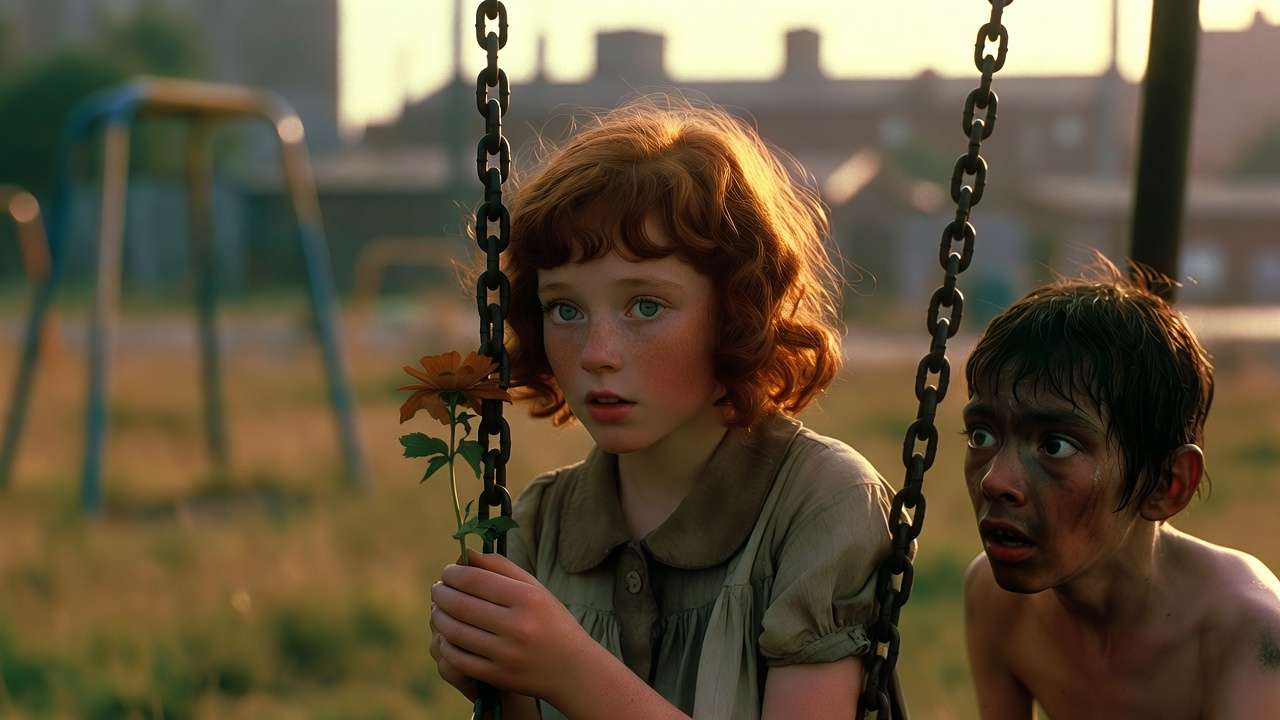
Severus Snape lived just streets away from the Evans sisters on the grimy side of Cokeworth. As a lonely, neglected boy fascinated by the Dark Arts, he spotted Lily performing accidental magic in the park and recognized her gift immediately.
Snape became Lily’s first guide to the wizarding world. He told her about Hogwarts houses, Quidditch, spells, and the Ministry of Magic. For years, the two were inseparable best friends—sharing secrets, dreaming of Hogwarts, and practicing rudimentary spells together.
This friendship reveals early glimpses of Lily’s character: generous, curious, fiercely intelligent, and instinctively kind. Even as a child, she showed moral clarity that Snape lacked. She questioned his interest in the Dark Arts and challenged his emerging prejudices—yet she remained loyal until he crossed an unforgivable line.
The Impact of Being Muggle-Born in a Prejudiced World
Lily’s Muggle-born status placed her directly in the crosshairs of Voldemort’s ideology. The 1970s were the height of the First Wizarding War; pure-blood supremacists were gaining power, and “Mudblood” was becoming a common slur.
Despite this hostility, Lily never hid who she was. Her confidence and talent turned potential weakness into strength, mirroring Harry’s own journey years later. She became living proof that blood status has no bearing on magical ability—a message that resonates throughout the series.
Hogwarts Years: Talent, Friendships, and Growth
Lily Evans arrived at Hogwarts in September 1971 and was sorted into Gryffindor—the house of courage and chivalry. She quickly distinguished herself as one of the most brilliant students of her generation.
Gryffindor, Slug Club, and Academic Brilliance
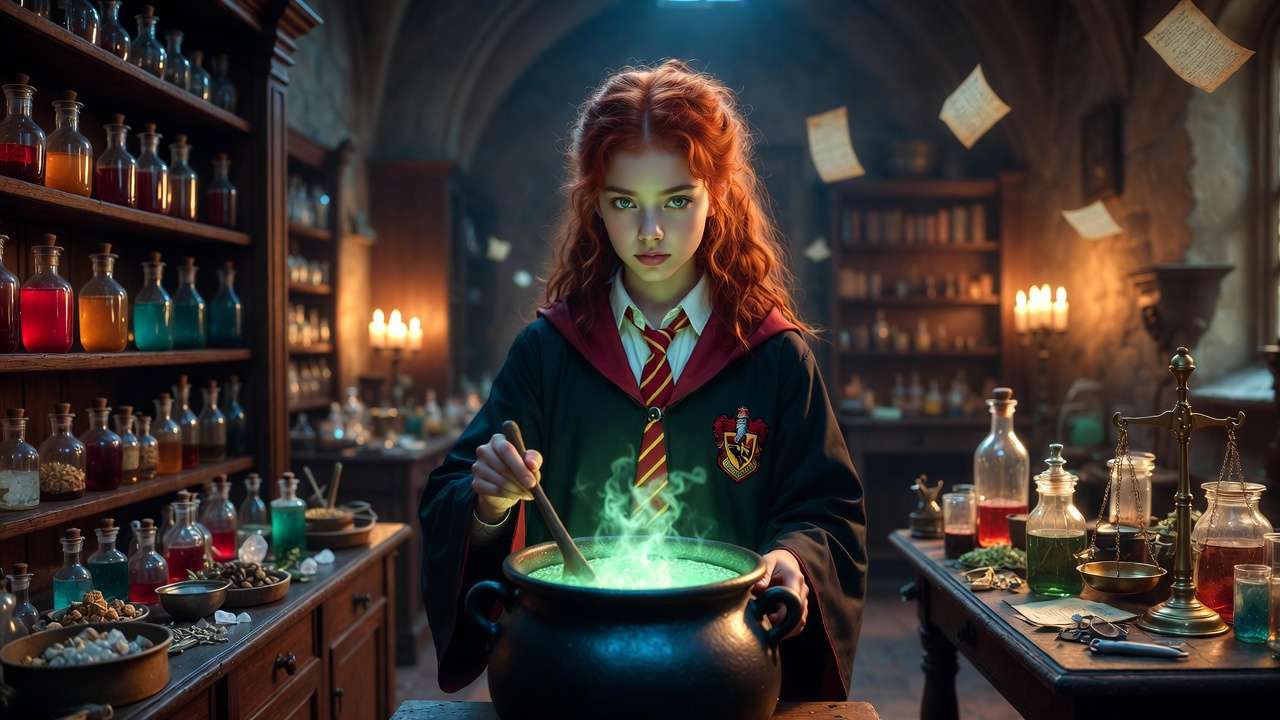
Professor Horace Slughorn, notorious for collecting talented and well-connected students, invited Lily to the exclusive Slug Club not once but repeatedly. He openly called her one of his favorite pupils and marveled at her Potions ability.
In Harry Potter and the Half-Blood Prince, we see concrete evidence of her skill: Harry inherits an old Potions textbook once belonging to Snape, filled with Lily’s elegant handwriting. Her notes improve instructions for Draught of Living Death, Golpalott’s Third Law antidotes, and more—alterations so advanced that even Slughorn awards Harry top marks for following them.
Lily was also exceptionally gifted in Charms. She mastered the Patronus Charm at a remarkably young age (a doe, symbolizing pure, protective love), a feat few adult wizards achieve. Her wand—ten and a quarter inches, swishy, willow with unicorn hair—was noted for its “nice Ollivander make” and suitability for charm work.
The Complicated Friendship with Severus Snape
The bond between Lily and Snape was one of the most emotionally complex relationships in the series. They remained close throughout their early Hogwarts years, but cracks appeared as Snape gravitated toward aspiring Death Eaters in Slytherin.
The breaking point came in their fifth year. During a humiliating confrontation after an exam, James Potter and Sirius Black attacked Snape, hanging him upside down. In panic and humiliation, Snape called Lily a “Mudblood.” She never spoke to him again.
This moment reveals Lily’s core values: she would not tolerate racism, even from her oldest friend. Her decision to end the friendship was not impulsive—it was principled. Years later, Snape’s lifelong regret and his vow to protect Harry stemmed directly from guilt over losing Lily.
Clashing with James Potter – From “Toerag” to Love
James Potter and Lily Evans began Hogwarts on opposite ends of the social spectrum. James was a popular, talented Gryffindor with a tendency toward arrogance; Lily openly disliked his bullying behavior toward Snape and others.
Memories in Order of the Phoenix show Lily calling James a “toerag” and refusing his advances multiple times. Yet James matured. By seventh year, he had become Head Boy, stopped hexing people for fun, and earned Lily’s respect.
They began dating in their final year and married shortly after graduation in 1978—at just 18 years old. Their relationship was built on mutual growth: Lily helped temper James’s recklessness, while James gave her laughter and unwavering loyalty in a darkening world.
Love, Marriage, and the First Wizarding War
By the time Lily and James graduated from Hogwarts in 1978, the First Wizarding War had reached its terrifying peak. Voldemort and his Death Eaters were openly attacking Muggle-borns, half-bloods, anyone who opposed pure-blood supremacy, and even pure-blood families who refused to join them. In this climate of fear, Lily and James made a choice that defined their young adulthood: they joined the Order of the Phoenix.
Joining the Order of the Phoenix
The Order, led by Albus Dumbledore, was a secret resistance group fighting Voldemort when the Ministry was either ineffective or compromised. Lily and James became full members immediately after leaving school. They were barely nineteen—young, newly married, and already risking their lives nightly on reconnaissance missions, protecting Muggle-born families, and gathering intelligence.
Lily’s courage during this period is often understated. She was not just a supportive wife or grieving mother-to-be; she was an active fighter. According to Dumbledore’s own words in Harry Potter and the Deathly Hallows, Lily and James “defied him three times”—meaning Voldemort personally tried to recruit or kill them on three separate occasions, and they refused each time. This placed them directly in the crosshairs of the prophecy that would later mark their son.
Motherhood and the Prophecy
On July 31, 1980, Lily gave birth to Harry James Potter in Godric’s Hollow. The arrival of their son brought fleeting moments of joy amid constant danger. A surviving letter Lily wrote to Sirius Black (shown in Deathly Hallows) reveals a playful, loving mother: she describes Harry zooming around on his toy broomstick at his first birthday, laughing uncontrollably, and teases Sirius about being named godfather.
But the joy was short-lived. That same year, a prophecy made by Sybill Trelawney identified a child born at the end of July to parents who had thrice defied Voldemort as the one with the power to vanquish the Dark Lord. Both Harry and Neville Longbottom fit the description, but Voldemort chose to target Harry—perhaps because, like him, Harry was a half-blood.
Desperate to protect their son, Lily and James went into hiding under the Fidelius Charm. They chose Peter Pettigrew as their Secret-Keeper, believing no one would suspect the timid Marauder. It was a fatal miscalculation.
The Tragic Night in Godric’s Hollow
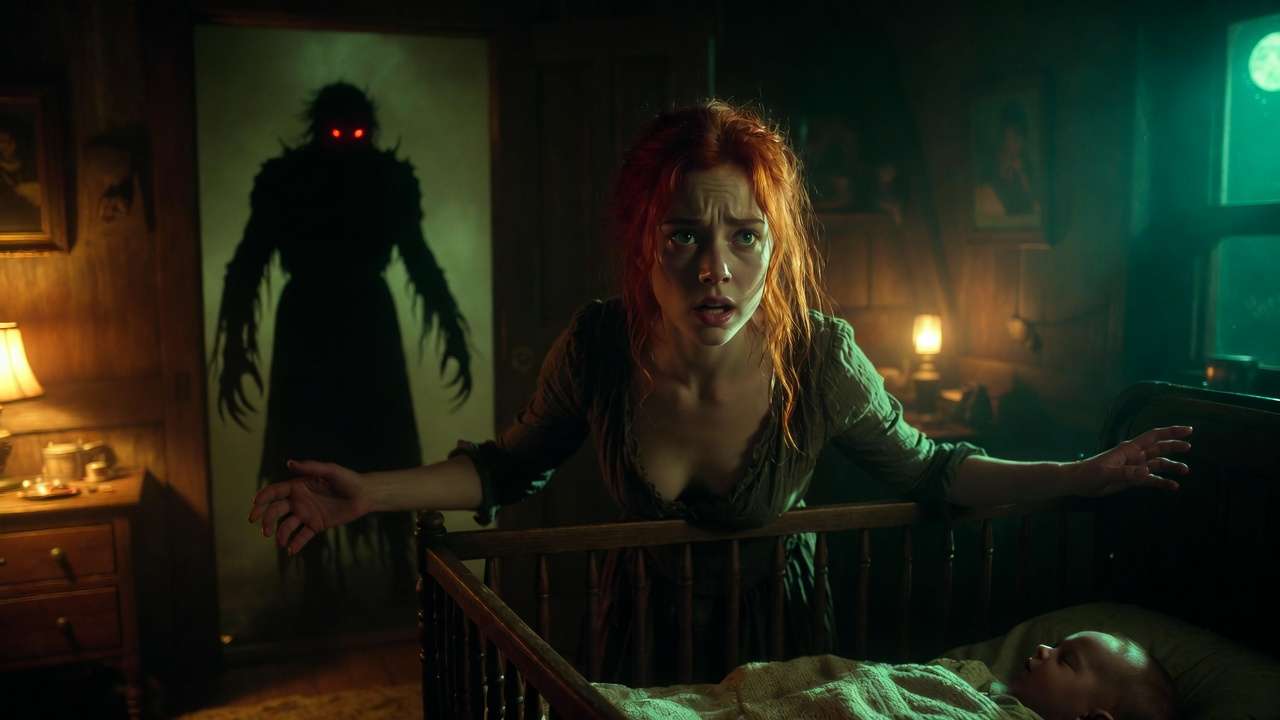
On October 31, 1981, Peter betrayed them. Voldemort arrived at their cottage in Godric’s Hollow.
James told Lily to take Harry and run upstairs while he held Voldemort off—without a wand. He died within seconds, shouting, “Lily, take Harry and go! It’s him—go! Run! I’ll hold him off—”
Lily barricaded herself in the nursery. When Voldemort entered, she stood between him and the crib.
“Not Harry, not Harry, please not Harry!” she begged.
Voldemort offered her the chance to step aside. She refused.
“Stand aside, you silly girl,” he said.
She did not move.
He killed her.
In that instant of willing, loving sacrifice—choosing death over abandoning her child—Lily invoked an ancient, wandless magic older than Hogwarts itself. Voldemort’s Killing Curse struck Harry and rebounded, destroying the Dark Lord’s body and leaving only a orphaned boy and a lightning-bolt scar.
The Power of Lily’s Sacrifice – Ancient Magic Explained
Lily’s death was not merely tragic; it was magically revolutionary.
How Love Defeated the Killing Curse
The sacrificial protection charm is one of the rarest and most powerful forms of magic in the wizarding world. It requires a conscious, deliberate choice to die rather than allow harm to come to a loved one, with no thought of self-preservation. Lily’s death met every condition.
This magic is blood-based and ancient—Dumbledore describes it as “old magic” that Voldemort, in his arrogance, never understood. When Voldemort used Harry’s blood to resurrect himself in Goblet of Fire, he unwittingly carried Lily’s protection into his own body, ensuring Harry could not be killed by him until the Horcrux connection was severed.
Lasting Protections for Harry
The charm’s effects were immediate and long-lasting:
- Voldemort could not touch Harry without experiencing agonizing pain (seen in Philosopher’s Stone).
- A blood ward extended to anyone sharing Lily’s blood—Petunia Dursley. As long as Harry could call the Dursleys’ house “home,” he was protected from Death Eaters.
- In the Forbidden Forest in Deathly Hallows, Lily’s love shielded Harry once more, allowing him to survive the Killing Curse a second time and return to life.
This protection is the literal embodiment of the series’ central theme: love is the most powerful magic of all.
Lily’s Talent and Skills – Beyond the Sacrifice
While her sacrifice is legendary, Lily was far more than a martyr. She was a prodigy.
A Potions Prodigy and Charms Expert
Lily’s Potions skill rivaled Snape’s. Her handwritten improvements to textbook instructions were so brilliant that Slughorn openly preferred her work to most of his N.E.W.T.-level students. Harry’s success with her notes in sixth year is direct evidence that Lily could have become one of the greatest potion-makers of her generation.
Her Charms mastery was equally impressive. Mastering a corporeal Patronus as a teenager places her among an elite group that includes Harry, Tonks, Dumbledore, and Snape himself.
Patronus and Magical Signature
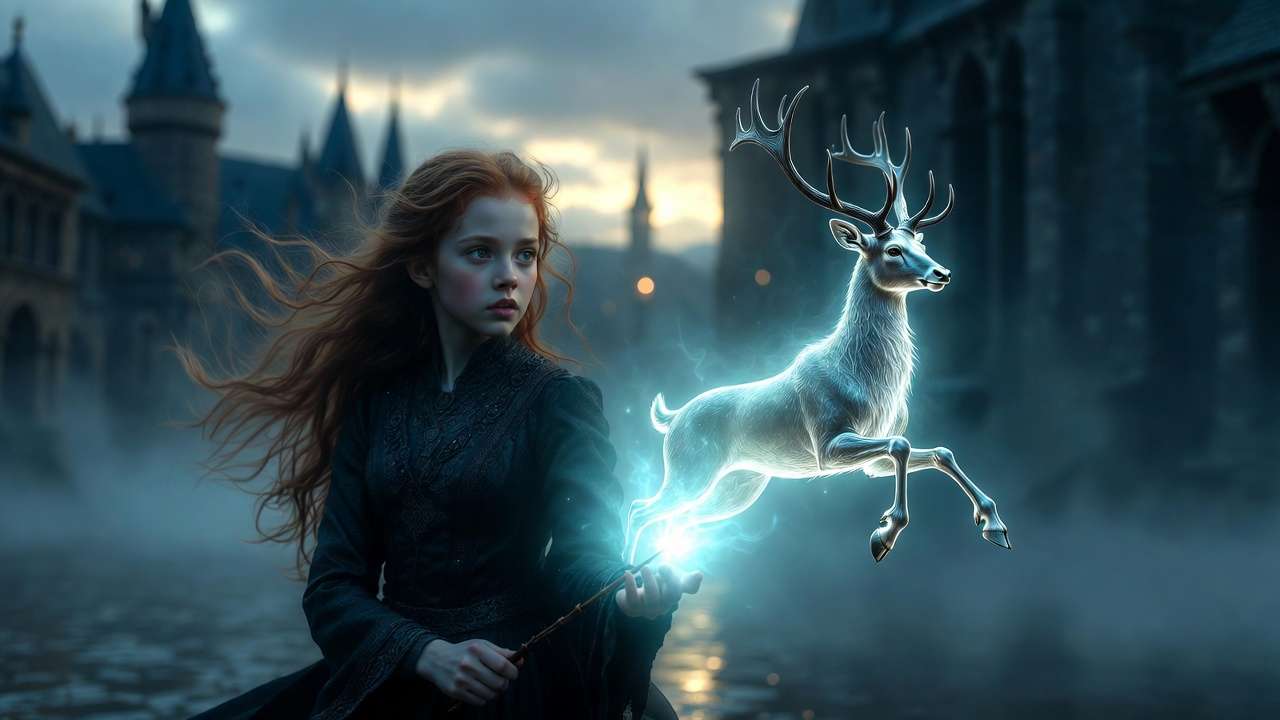
Lily’s Patronus was a doe—identical to Snape’s. This has been interpreted in many ways: shared childhood memories, unrequited love, or simply the symbol of gentle, protective love. Whatever the reason, the matching Patronuses remain one of the series’ most poignant details.
Her wand (willow, unicorn hair core) was described by Garrick Ollivander as “swishy” and excellent for charm work—perfect for someone whose greatest act of magic required no wand at all.
Relationships and Legacy – How Lily Shaped the Series
Lily Evans Potter’s influence reaches far beyond the night she died. Her choices, values, and love ripple through every major character arc and thematic thread of the Harry Potter series.
Influence on Severus Snape
Snape’s entire adult life was shaped by the memory of Lily. After calling her a “Mudblood” and losing her friendship forever, he joined the Death Eaters—only to defect when Voldemort targeted Lily specifically. His plea to Dumbledore to protect her, and later her son, became the cornerstone of his double-agent existence.
The word “Always,” accompanied by his doe Patronus in Deathly Hallows, remains one of the most emotionally devastating moments in the series. It reveals that Snape never stopped loving Lily—not romantically in the possessive sense Voldemort might have imagined, but in a deep, regret-filled, redemptive way. Lily’s memory gave Snape purpose, moral direction, and ultimately the courage to help bring Voldemort down.
Without Lily, there would have been no reformed Severus Snape, no spy within Voldemort’s inner circle, and quite possibly no victory for the Order.
Traits Harry Inherited from Lily
While Harry is frequently compared to his father—same messy black hair, same Quidditch talent, same bravery—many of his most defining characteristics come from Lily.
- His green eyes are repeatedly described as Lily’s eyes, serving as a constant reminder of her presence.
- His moral compass, compassion for the underdog, and refusal to use power for cruelty mirror Lily’s principles. She stood up to prejudice as a Muggle-born and ended her oldest friendship over a racial slur—Harry does the same by rejecting the Slytherin pure-blood elitism he encounters.
- His instinct to protect others (Dobby, Kreacher, even Draco in the end) echoes Lily’s willingness to die for her child.
- Harry’s capacity for love and forgiveness—seen in his pity for Voldemort in the King’s Cross chapter—feels deeply rooted in the woman who believed love could conquer anything.
In contrast to James’s more impulsive, showy courage, Lily’s was quiet, steadfast, and sacrificial. Harry inherited both sides, but it is Lily’s influence that allows him to make the ultimate choice in the Forbidden Forest.
Broader Impact on the Wizarding World
Lily became a symbol of the power of love over hatred. Her sacrifice proved Dumbledore’s long-held belief that love is the one force Voldemort could never understand or defeat. That lesson reverberates through the final battle: Harry’s own willingness to die for his friends mirrors his mother’s act and destroys the final Horcrux within himself.
In the years after the war, Lily is remembered as a heroine of the resistance. Her story—along with James’s—serves as inspiration for a new generation that grew up without fear of Voldemort.
Expert Insights and Lesser-Known Facts
J.K. Rowling has shared several revealing details about Lily in interviews, Pottermore/Wizarding World writings, and supplemental materials:
- Lily’s maiden name “Evans” is Welsh in origin, meaning “son of Evan,” tying into Rowling’s frequent use of meaningful names.
- Rowling once stated that Lily was “a bit of a Mary Sue” in early drafts—too perfect—before she deliberately gave her flaws (stubbornness, occasional sharpness) to make her more human.
- The doe Patronus was not originally intended to match Snape’s; Rowling later decided it added emotional weight to their history.
- Lily was only 21 when she died—the same age James was—making their story even more tragic. They had barely begun adult life before it was cut short.
- In the films, Geraldine Somerville’s portrayal emphasizes Lily’s gentleness, but book-Lily is noticeably fiercer and more outspoken, especially in memories.
Canon vs. film differences are significant: the books give us Lily’s sharp tongue (“I wouldn’t go out with you if it was a choice between you and the giant squid”), her Potions brilliance, and her letter to Sirius—details largely omitted from the movies.
Compared to other mother figures—such as Molly Weasley’s fierce protectiveness or Narcissa Malfoy’s love-driven betrayal—Lily stands out for combining intellectual talent, moral clarity, and ultimate self-sacrifice.
Frequently Asked Questions (FAQ)
Who was Lily Potter before she married James? Lily Evans was a Muggle-born witch from Cokeworth, best friends with Severus Snape as a child, and one of Hogwarts’ most brilliant students (especially in Potions and Charms).
Was Lily really as talented as Snape in Potions? Evidence suggests she may have been even better at creative innovation. Her notes in the Half-Blood Prince’s textbook outperform standard instructions and impress Slughorn more than most N.E.W.T. work.
Why did Lily’s sacrifice work when others didn’t? It was a willing, conscious choice made purely out of love, with no attempt to save herself. This invoked an ancient protective magic Voldemort never studied or respected.
Did Lily ever forgive Snape? No. After the “Mudblood” incident, she permanently ended their friendship. There is no canon indication she ever reconsidered.
How old were Lily and James when they died? Both were 21. They married at 18, had Harry at 20, and died just over a year later.
What traits did Harry inherit from Lily? His green eyes, moral courage, compassion, hatred of prejudice, and ability to love deeply despite pain.
Lily Evans Potter was never meant to be a background figure. She was a gifted witch, a loyal friend (until principle demanded otherwise), a loving wife, a fiercely protective mother, and—most importantly—the architect of Voldemort’s first downfall.
Her sacrifice was not an accident of fate; it was a deliberate act of love so powerful that it rewrote the rules of magic itself. That single moment in a nursery in Godric’s Hollow ensured Harry’s survival, gave Snape a path to redemption, proved Dumbledore’s philosophy, and ultimately enabled the defeat of the darkest wizard of the age.
In a series filled with heroes who fight with wands and spells, Lily reminds us that the greatest power requires no incantation at all—just the courage to stand between evil and innocence, and say, “Not my son.”
Her legacy lives every time Harry chooses kindness over cruelty, love over hate. She is the heartbeat beneath the story of the Boy Who Lived—and perhaps the true reason he lived at all.
Thank you for reading this deep dive into one of the Harry Potter series’ most essential yet often overlooked characters. If this exploration moved you, consider revisiting the Godric’s Hollow chapter in Deathly Hallows or sharing your own thoughts about Lily in the comments below. What aspect of her story resonates most with you?