It is a quiet, tense moment in the Headmaster’s office at Hogwarts. With a flick of a wand, a brilliant, silver creature bursts forth from the tip, landing gracefully on the floor before bounding out the window into the darkness. “Lily?” Albus Dumbledore asks, his voice thick with realization. “After all this time?” Severus Snape replies with a single, devastating word that would forever change how fans viewed his character: “Always.”
For casual fans and dedicated Potterheads alike, Snape’s allegiance is the ultimate puzzle piece to his character arc. If you are diving into the deeper mechanics of J.K. Rowling’s magic system, you have almost certainly asked this crucial question: Why was Snape’s Patronus a Doe?
Severus Snape’s Patronus was a doe because he was deeply and eternally in love with Lily Evans Potter. In the Harry Potter universe, a corporeal Patronus can take the shape of the animal associated with a person’s true love. Because Lily’s Patronus was a doe, Snape’s Patronus manifested as the exact same creature, symbolizing his enduring devotion.
This revelation is the emotional climax of Harry Potter and the Deathly Hallows. However, to fully understand the gravity of this magical manifestation, we have to look beyond the surface. In this comprehensive guide, we will explore the intricate mechanics of the Patronus charm, the tragedy of the Potter and Snape love triangle, and the profound symbolism behind the silver doe that guided Harry in his darkest hour.
The Mechanics of Magic: How Does a Patronus Choose Its Shape?
To understand the weight of Snape’s spell, we first need to understand the magic behind it. The Patronus Charm (Expecto Patronum) is one of the most famous and powerful defensive charms in the Wizarding World. It is an incredibly advanced piece of magic, designed primarily to repel Dementors and Lethifolds.
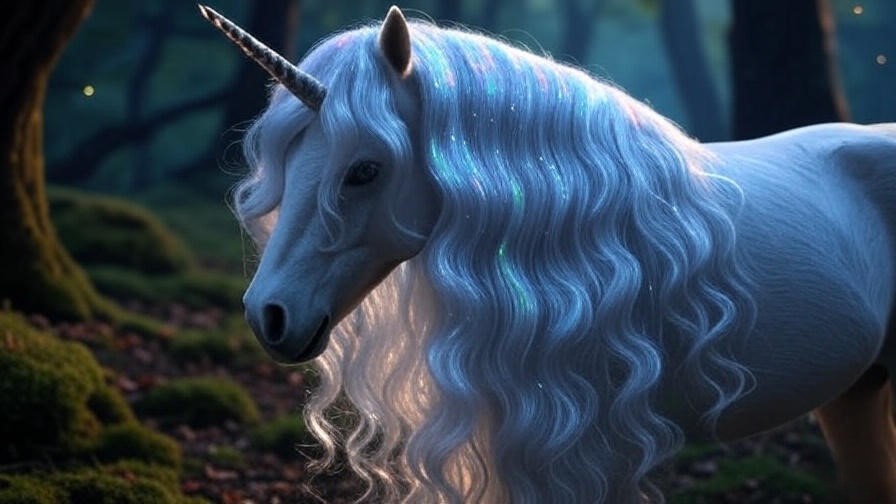
When cast successfully, it produces a silver, ethereal guardian. While some wizards only manage a wisp of silver vapor (an incorporeal Patronus), highly skilled witches and wizards can produce a corporeal Patronus—a fully formed animal.
But how is that animal chosen?
According to established Wizarding World lore, a Patronus is a physical manifestation of a person’s innermost, positive emotions. It is drawn from the caster’s “secret self.” Because it is tied to the soul and the subconscious mind, a witch or wizard cannot choose the form their Patronus takes. Often, the shape is a complete surprise to the caster. It represents who they are at their core, stripped of all pretense, trauma, and societal masking.
For many, the Patronus takes the form of an animal they feel a deep affinity for, or one that represents their personality traits. For others, however, the Patronus is shaped not by who they are, but by who they love.
 The Direct Answer: The Tragedy of Unrequited Love
Snape’s Patronus taking the form of a doe is the ultimate proof of his allegiance. It is the direct result of his profound, unbroken love for Lily Evans.
From the moment a young, isolated Severus Snape met Lily in Cokeworth, she became the center of his universe. She was his first friend, his confidante, and the only light in an otherwise dark and abusive childhood. Even after their friendship spectacularly collapsed during their Hogwarts years—largely due to Snape’s descent into the Dark Arts and his inexcusable use of the word “Mudblood”—his love for her never waned.
When a Patronus is influenced by love, it typically happens in one of two ways: mirroring or complementing.
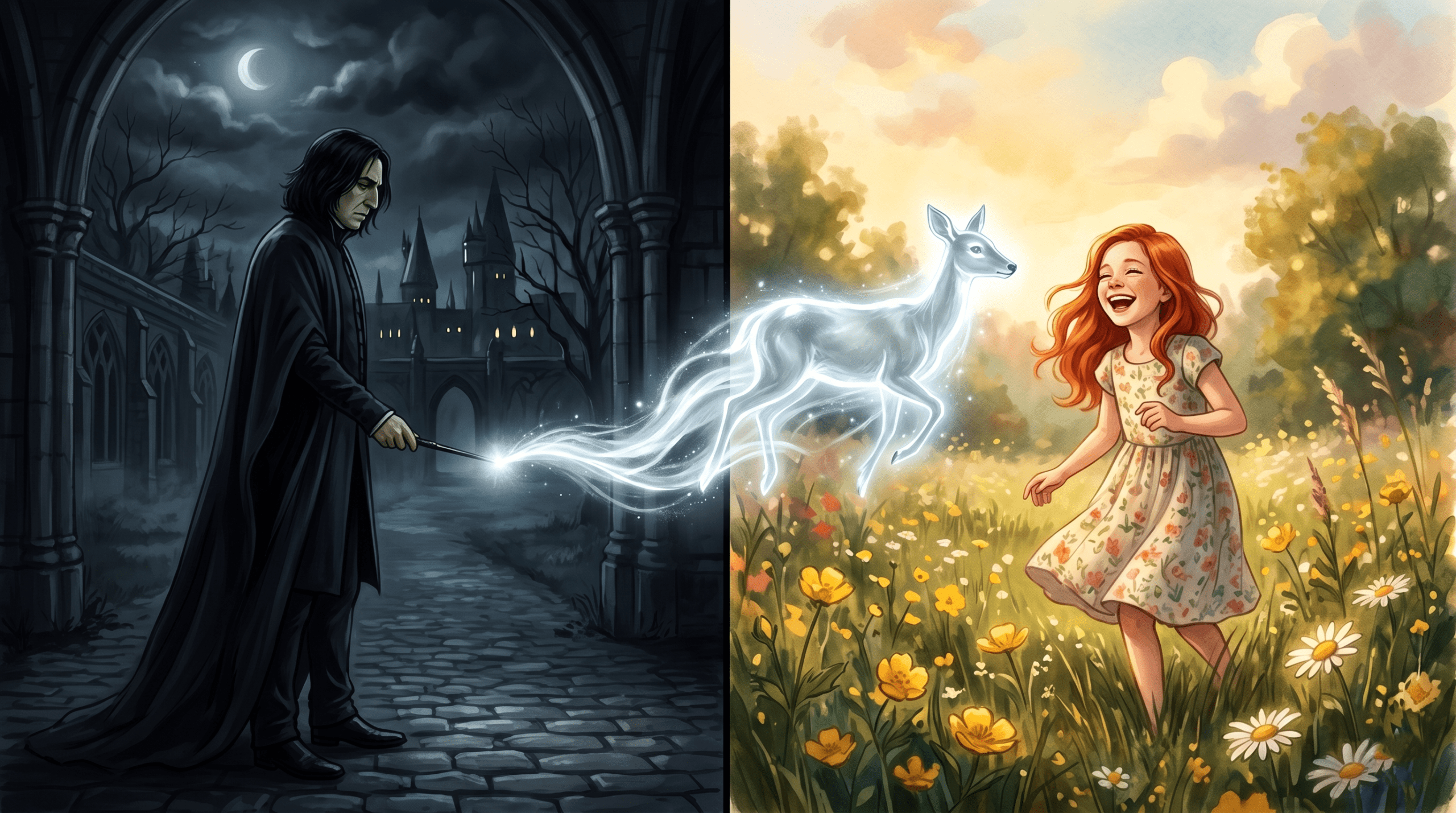
In Snape’s case, it was a direct mirror. His Patronus did not reflect his own abrasive, guarded, and dark personality. Instead, his soul had been so profoundly impacted by Lily that his magical signature aligned entirely with hers. It wasn’t just a tribute; it was a physical manifestation of his lifelong grief, his paralyzing guilt over his role in her death, and his ultimate redemption. The doe proved that his core motivation—the reason he acted as a double agent, lied to Lord Voldemort, and protected a boy he despised—was entirely driven by Lily.
 The Stag and the Doe: James, Lily, and Snape
To fully dissect the lore, we must look at the trio at the center of the First Wizarding War: James Potter, Lily Evans, and Severus Snape. The Patronuses of these three individuals tell a tragic, silent story about their relationships.
James Potter (Prongs) and the Stag
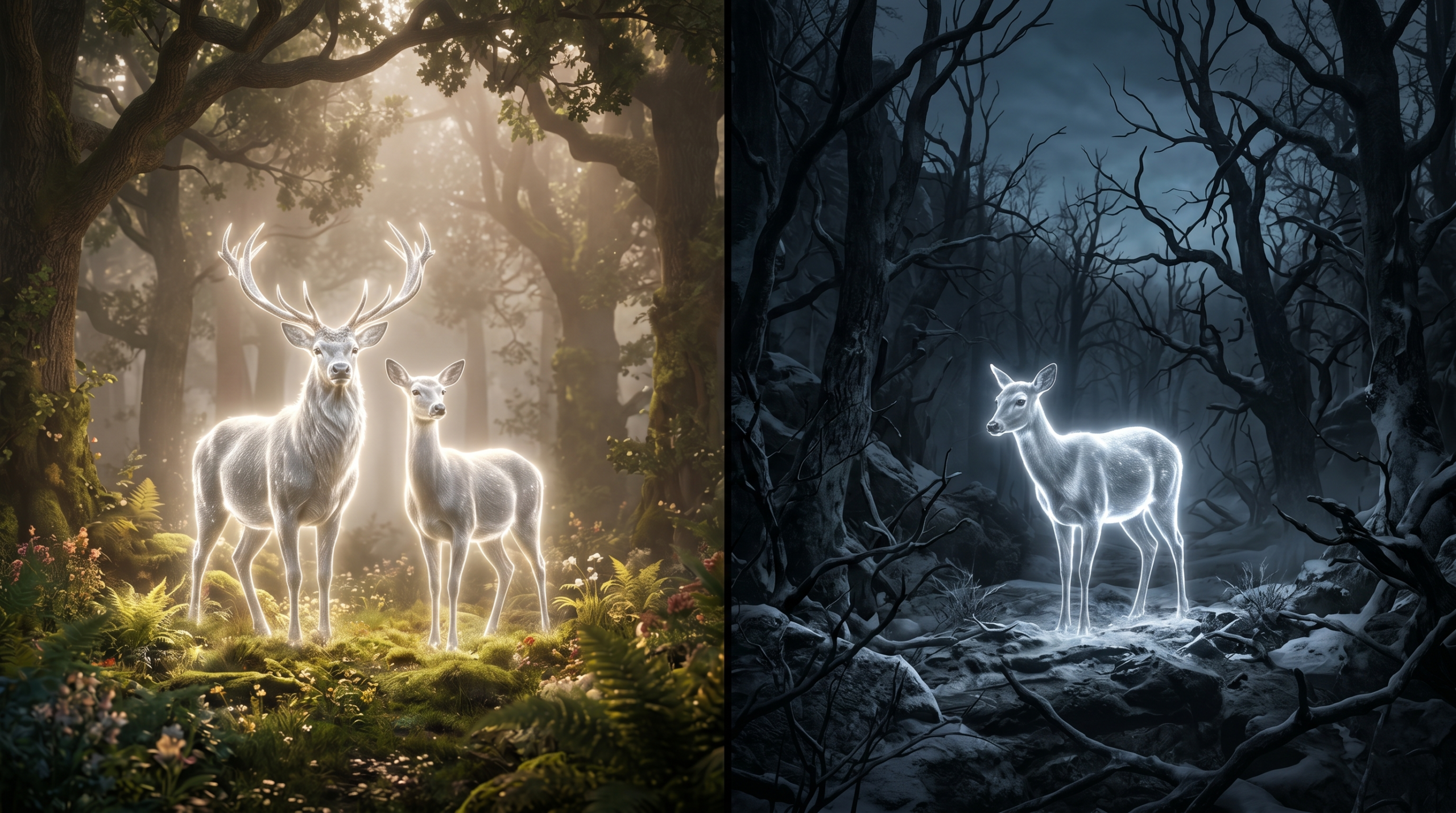
James Potter was an unregistered Animagus who learned the incredibly difficult transfiguration to support his friend, Remus Lupin. His Animagus form was a massive, proud stag, which earned him the Marauder nickname “Prongs.” Unsurprisingly, James’s Patronus was also a stag. It reflected his bold, confident, and somewhat arrogant nature, as well as his protective leadership qualities.
Soulmates in Magic
Lily Potter’s Patronus was a doe. In nature, the doe is the female counterpart to the stag. This is one of the most beautiful examples of magical synergy in the Harry Potter canon. James and Lily were complementary soulmates. Their magic balanced and matched one another perfectly, representing two halves of a whole. Their Patronuses were distinct, yet inherently designed to stand side-by-side.
Snape’s Intrusive Magic
When we analyze Snape’s doe in the context of James’s stag, the tragic irony becomes glaringly apparent. Snape’s Patronus didn’t complement Lily’s in the way that James’s did; it merely copied hers.
This subtle difference in magical lore highlights the painful reality of their relationship. James and Lily were partners moving forward together. Snape, on the other hand, was trapped in the past. He was left carrying Lily’s memory alone, obsessively clinging to the one person who had ever shown him kindness. His magic could not complement hers because they were never truly together; his magic could only mourn her.
 Can a Patronus Change Shape? The Proof of Snape’s “Always”
A common question among those studying Wizarding World lore is whether a witch or wizard is stuck with their original Patronus forever. If a Patronus reflects the inner self, and people grow and change, does their magical guardian change with them?
The Fluidity of the Patronus Charm
The short answer is yes. While rare, the Patronus Charm is highly fluid and susceptible to intense emotional shifts. Severe trauma, profound grief, or falling deeply in love can completely alter a caster’s original Patronus form. Because the spell relies heavily on a happy memory and a positive emotional anchor, a dramatic change in a person’s core emotional state will naturally rewire the spell’s output.
Nymphadora Tonks as the Prime Example
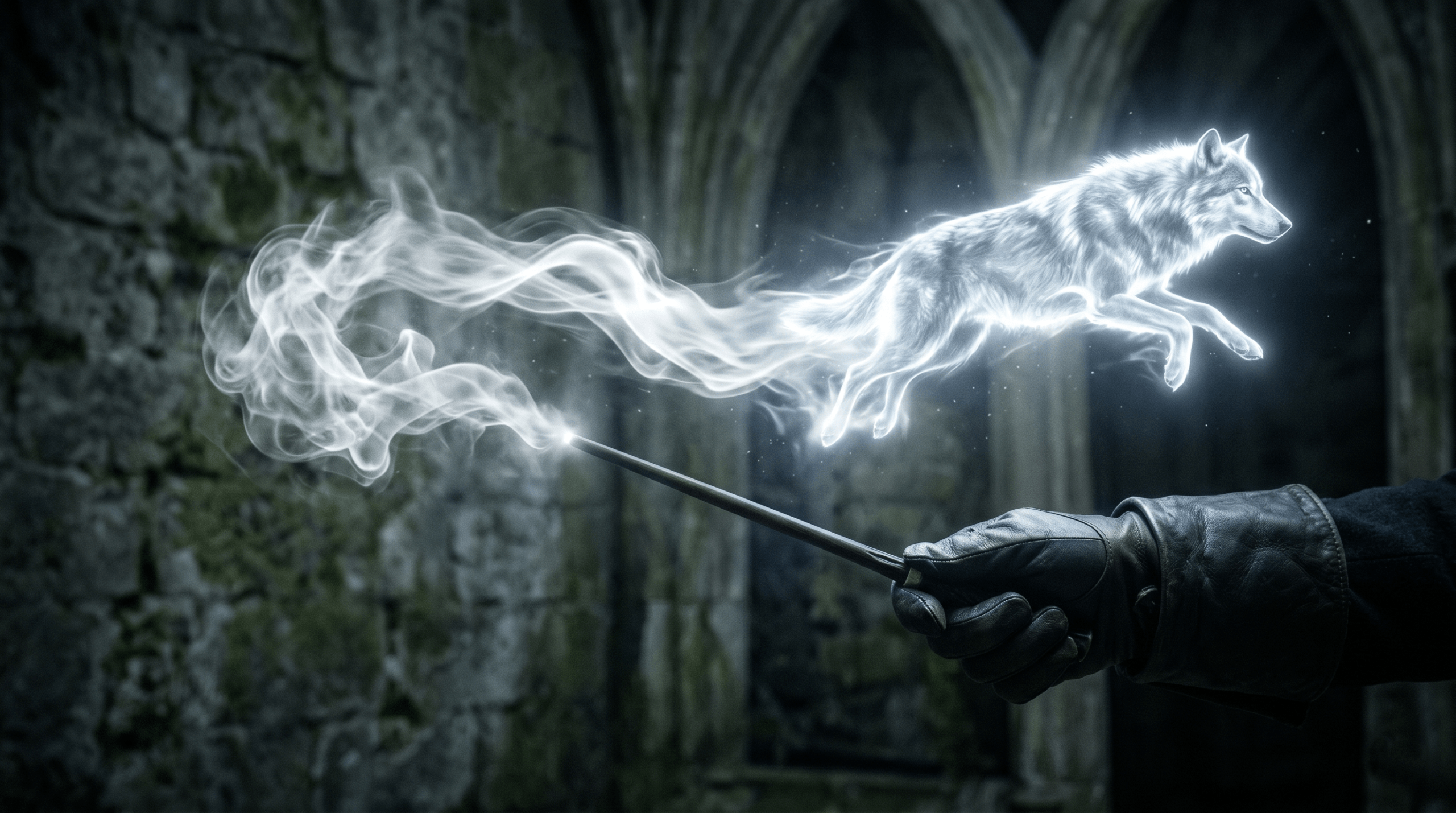
The most prominent canon example of this phenomenon is Nymphadora Tonks. Originally, Tonks’s Patronus took the form of a jack rabbit. However, during the events of Harry Potter and the Half-Blood Prince, her Patronus changed into a large, four-legged creature—eventually revealed to be a wolf.
This drastic shift occurred because she had fallen desperately in love with Remus Lupin, a werewolf who repeatedly rejected her out of fear for her safety. Her agonizing, unrequited love temporarily overshadowed everything else in her life, altering her magical signature.
The Significance of “Always”
When we compare Tonks to Snape, the true tragedy of his character is magnified. Tonks’s Patronus changed due to a contemporary, active emotional upheaval. Snape’s Patronus, however, was not a temporary shift.
Did Snape have a different Patronus before Lily died? It is highly probable, though never explicitly confirmed in canon. What is certain, however, is that from the moment she was murdered in Godric’s Hollow, his grief locked his magical identity in place. Decades passed, yet his love for her remained the single defining emotion of his life from childhood to his dying breath. The doe remained permanent because his devotion was permanent—proving the agonizing truth behind his iconic declaration: “Always.”
The Symbolism of the Doe in the Wizarding World
Beyond the literal connection to Lily Potter, the specific choice of a doe carries profound symbolic weight within the narrative of the Deathly Hallows. J.K. Rowling masterfully used this creature to convey multiple layers of meaning regarding Snape’s redemption arc.
 Purity and Innocence
In classical mythology and literature, the doe often represents gentleness, purity, and intuition. For Severus Snape—a man who had immersed himself in the Dark Arts, branded his own arm with the Dark Mark, and lived a life of bitter resentment—the doe is a glaring contradiction.
It represents the one pure, untainted sliver of his soul. Despite the darkness he harbored and the terrible choices he made as a Death Eater, the doe proves that his capacity to love remained entirely intact. It is the visual proof that he was not fully consumed by the darkness.
The Guide in the Forest of Dean
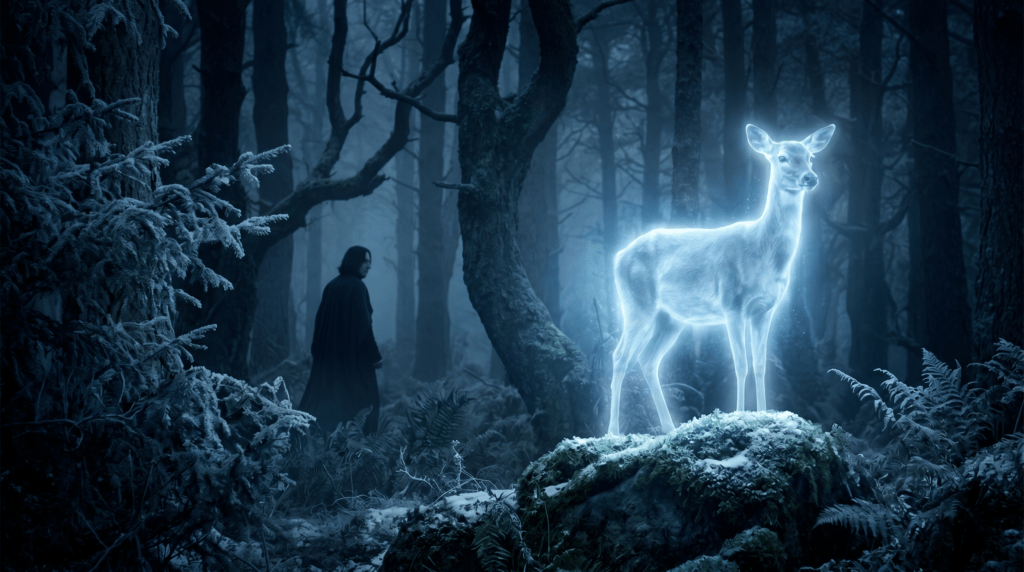
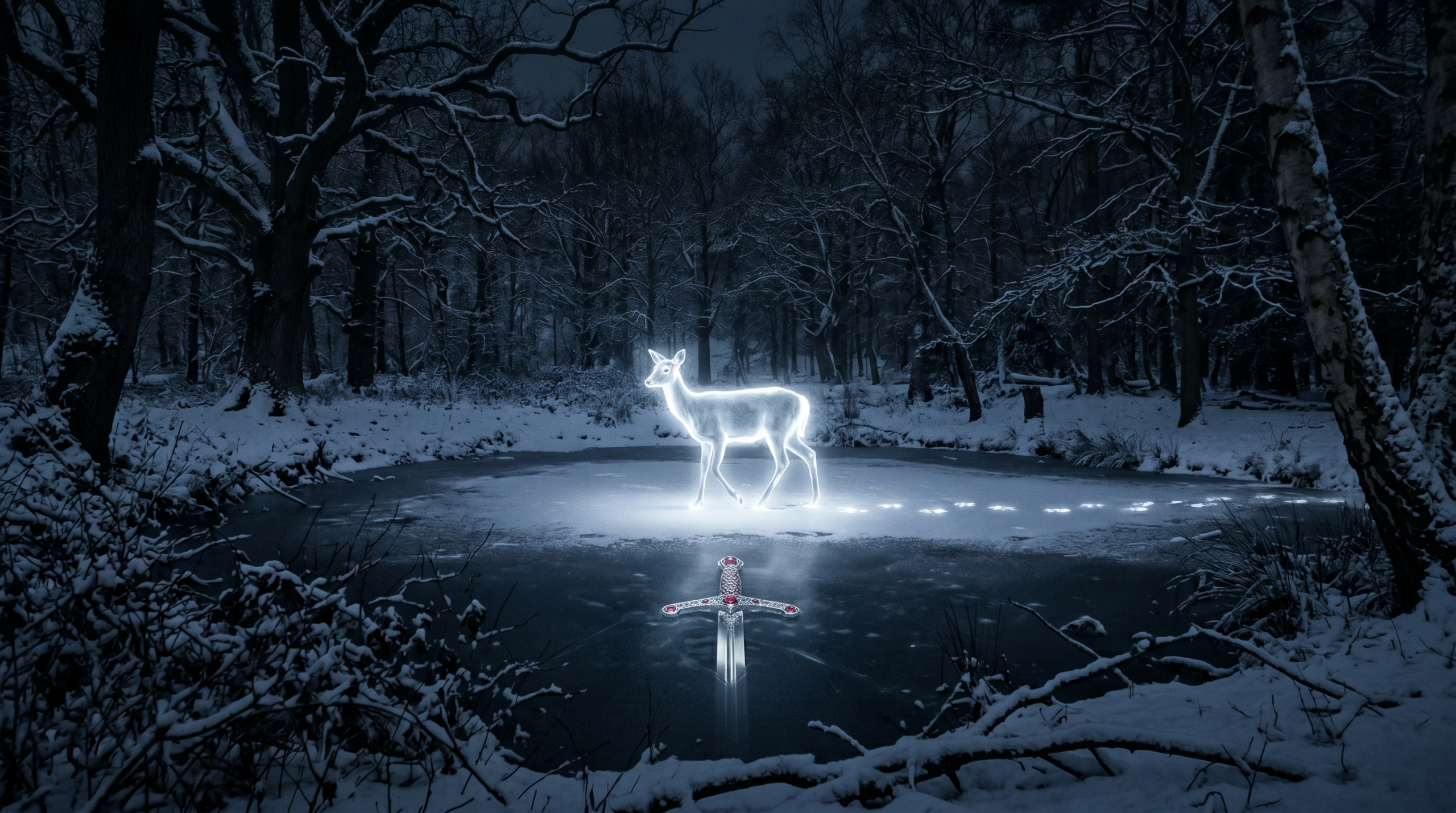
The doe’s most critical role in the series occurs in the Forest of Dean. When Harry Potter is isolated, desperate, and struggling to find a way to destroy Salazar Slytherin’s locket, a silver doe appears through the frozen trees. It does not speak, yet it radiates a sense of safety, leading Harry directly to the frozen pool containing the Sword of Gryffindor.
This scene is a masterpiece of atmospheric storytelling. The doe acts as an ethereal guide, cutting through the despair brought on by the Horcrux.
A Mother’s Protection Extended
Most importantly, the doe in the forest serves as a proxy for Lily Potter herself. Because Snape was forced to maintain his cover as Voldemort’s most trusted servant, he could never openly help or protect Harry. He had to operate in the shadows. By sending the doe—Lily’s exact magical signature—Snape was symbolically allowing Lily to guide and protect her son one last time. It was Snape’s magic, but it was Lily’s spirit that led Harry out of the dark.
 Why Dumbledore Was Shocked
To fully appreciate the revelation of Snape’s Patronus, we must examine the reaction of the only other person in the room: Albus Dumbledore.
The Context of the Scene
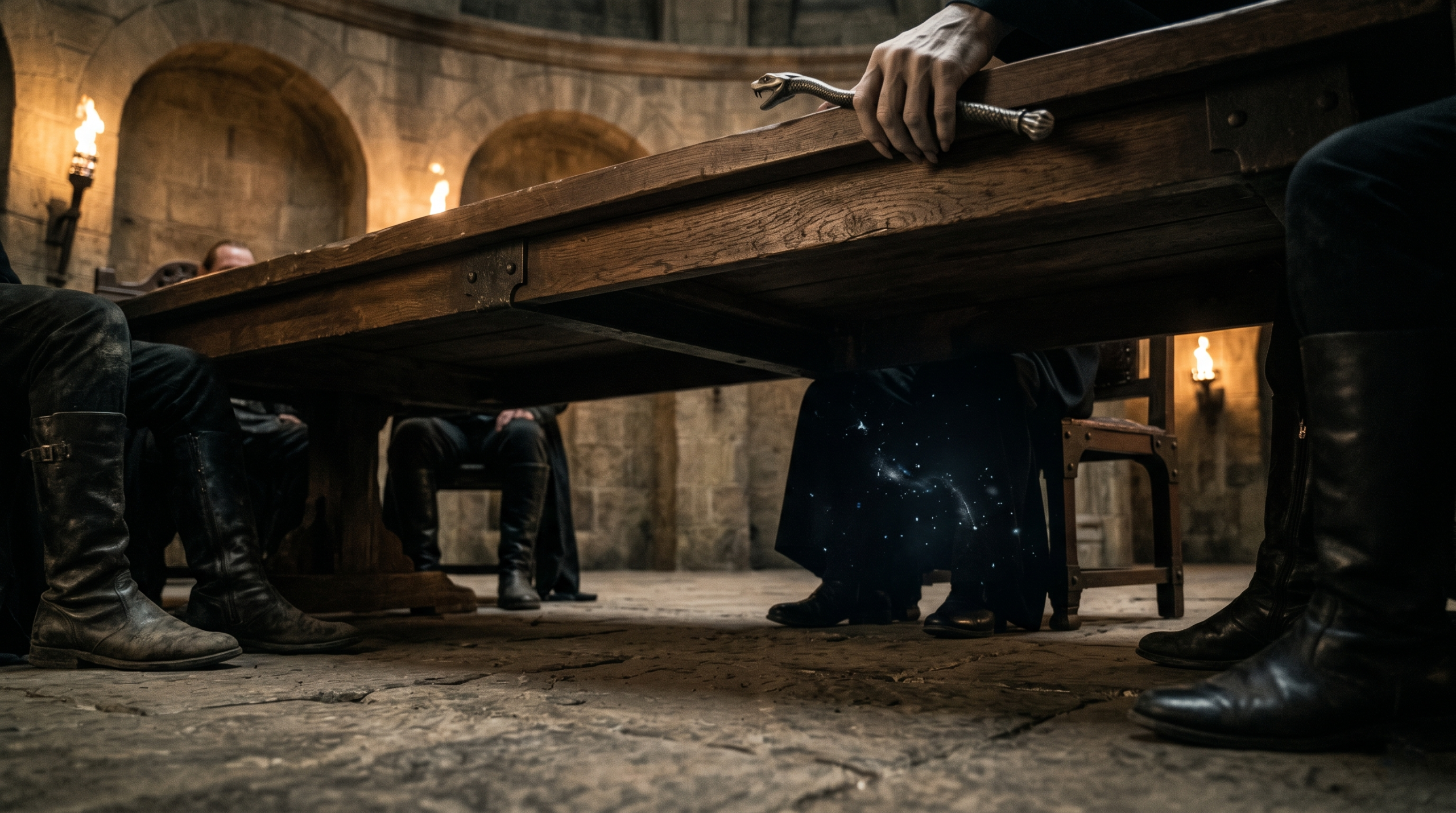
When Snape casts the Patronus in Dumbledore’s office during “The Prince’s Tale,” it is in response to Dumbledore’s suggestion that Snape has grown to care for Harry Potter. Snape is disgusted by the implication that he cares for James Potter’s son. To prove that his true motivation has never wavered, he casts Expecto Patronum.
When the silver doe erupts from the wand, Dumbledore actually weeps. He asks, “Lily? After all this time?”
The Deception of Severus Snape
Why was the greatest wizard of the age—and an unparalleled Legilimens (mind reader)—so profoundly shocked?
Dumbledore knew Snape loved Lily, and he knew that guilt over her death drove Snape to defect from the Death Eaters. However, Dumbledore is a master strategist who views the world in terms of the “greater good.” He likely assumed that over the course of nearly two decades, Snape’s motivations had evolved into a broader ideological commitment to defeating Voldemort.
The doe proved Dumbledore wrong. It revealed the terrifying depths of Snape’s Occlumency (mind shielding). Snape had successfully hidden the absolute, raw intensity of his unchanging heart not just from the Dark Lord, but from Dumbledore himself. The doe was the undeniable, undeniable proof that every sacrifice Snape made was for one reason, and one reason only.
Frequently Asked Questions (FAQs)
Did Snape’s Patronus change, or was it always a doe?
Canon does not explicitly state what Snape’s Patronus was before Lily’s death, or if he was even capable of casting one during his time as an active Death Eater (as dark wizards rarely use the charm). However, based on the lore of Patronus fluidity, it is highly likely that the doe was a permanent shift caused by the overwhelming trauma and grief of losing her.
Why didn’t Harry realize the doe was Snape’s?
When Harry saw the doe in the Forest of Dean, he felt a strange sense of familiarity and safety, instinctively associating it with his mother. Because Harry had never seen Snape cast a Patronus, and because Snape’s public persona was so hostile and dark, Harry had no logical reason to connect a creature of such purity with the Potions Master he despised.
Are James and Lily the only couple with matching Patronuses?
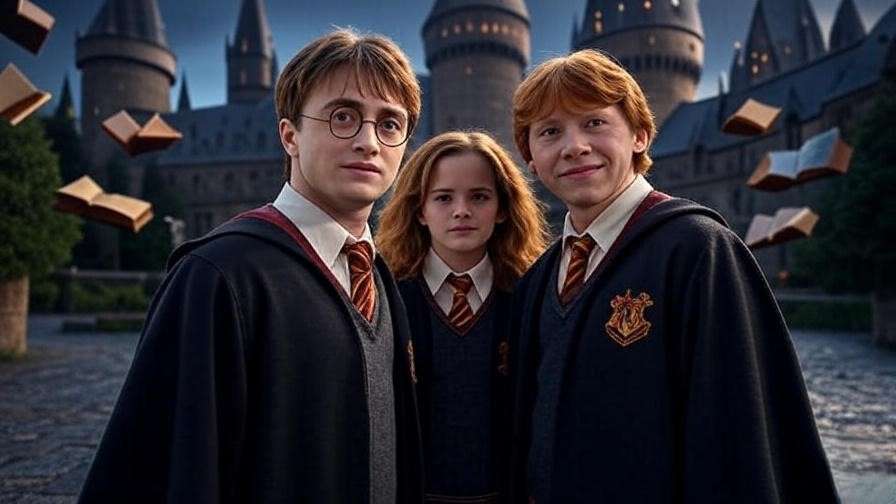
While James and Lily are the most famous example of complementary Patronuses (a stag and a doe), they are not the only ones whose magic is intertwined. Ron Weasley’s Patronus is a Jack Russell Terrier (a dog known for chasing otters), and Hermione Granger’s Patronus is an otter. This subtly foreshadowed their eventual romantic relationship long before it was officially established.
Did Voldemort know about Snape’s Patronus?
No. Voldemort was completely unaware of Snape’s Patronus. Dark wizards, particularly Death Eaters, generally do not cast Patronuses because they do not need protection from Dementors (who are their natural allies). Furthermore, Voldemort was incapable of understanding love, making him entirely blind to the emotional magic that fueled Snape’s true allegiance. Had Voldemort ever seen the silver doe, Snape’s cover as a double agent would have been instantly blown.
The question of why Snape’s Patronus was a doe is answered by looking at the very fabric of magic in the Wizarding World. It was not a random assignment, nor was it a reflection of his own abrasive personality. It was the physical embodiment of Lily Potter’s lasting impact on his soul.
Through the mechanics of the Patronus Charm, we see that love leaves an indelible mark on a wizard’s magic. The silver doe connects the tragedy of unrequited love with the triumph of ultimate redemption. It guided Harry to the Sword of Gryffindor, shielded Snape’s true allegiance from Lord Voldemort, and gave readers one of the most heartbreaking plot twists in modern literature.
While Severus Snape remains a deeply flawed and polarizing figure, the doe transforms him from a traditional, two-dimensional villain into a remarkably complex anti-hero. It stands as a shimmering testament to the fact that even in a soul shadowed by dark magic, true love endures. Always.
What do you think about Snape’s redemption arc? Do you think his Patronus would have taken a different form if he had never lost Lily, or was their magical connection destined to be a tragedy? Let us know your thoughts and theories in the comments below!