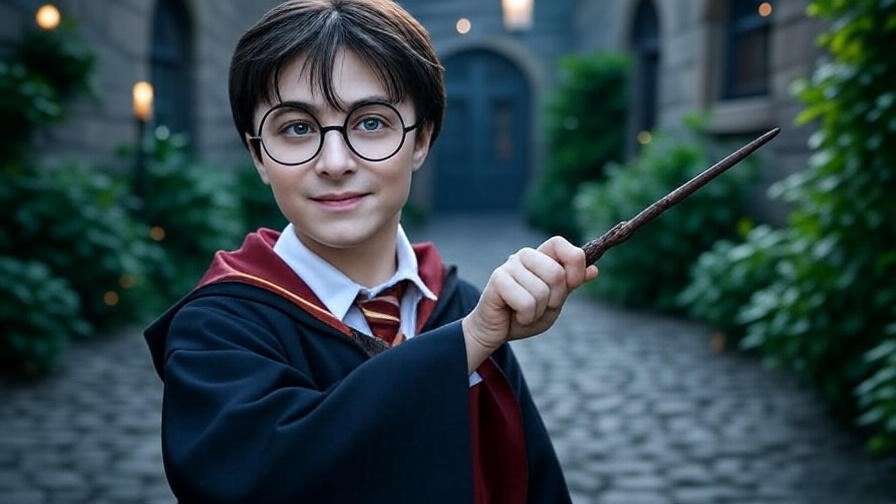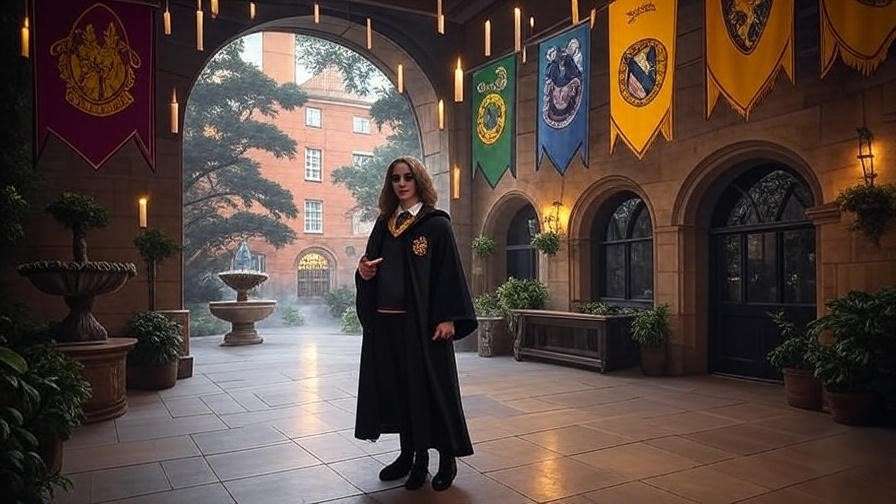

Picture the cinematic moment in Harry Potter and the Prisoner of Azkaban where Tom the innkeeper at the Leaky Cauldron casually clears away a table and lights a candle with a simple flick of his finger. Or consider Albus Dumbledore effortlessly manipulating heavy tables in the Great Hall without uttering an incantation. It looks breathtakingly cool on screen, but for dedicated fans, it raises a massive lore question. When diving into the mechanics of the wizarding world, Harry Potter wandless magic remains one of the most fascinating and misunderstood topics.
If magic can be performed without a wand, why did Harry feel completely defenseless whenever his wand was snapped, dropped, or confiscated? Why do Hogwarts students spend seven arduous years mastering precise wrist movements and incantations if a simple hand gesture could do the trick?
This definitive guide breaks down the hidden mechanics of casting spells without a physical conduit. We will explore how international wizarding schools completely reject wands, analyze the psychological toll of unchanneled casting, and reveal why only the most elite witches and wizards ever truly master this volatile art.
What is Wandless Magic in the Harry Potter Universe?
To understand why casting without a wand is so rare in Western wizarding society, we first have to deconstruct what a wand actually does, and what it means to cast without one.
The Fundamental Mechanics of Magic Without a Channel
A common misconception among casual fans is that wands are the source of magical power. In reality, magic is an internal, biological trait within witches and wizards. The magic lives within the caster’s blood and genetics; a wand is simply a tool.
Specifically, a wand is a quasi-sentient focus tool engineered to channel, amplify, and steady a wizard’s chaotic internal energy. When a wizard performs wandless magic, they are forcing that raw, internal energy out into the physical world without a stabilizing funnel. It is the magical equivalent of trying to paint a masterpiece with your bare hands instead of a fine-tipped brush.
Furthermore, it is crucial to separate wandless magic from non-verbal magic.
-
Non-verbal magic involves casting a spell without speaking the incantation aloud. It requires immense concentration and is taught to sixth-year students at Hogwarts, but it still heavily relies on a wand to direct the spell.
-
Wandless magic is the act of performing magic without a physical focus tool whatsoever. It can be done verbally or non-verbally, but the defining factor is the complete absence of a wand.
The History of Wand-Making and Eurocentric Bias
Why is European wizarding culture so dependent on wands? The answer lies in the history of wandlore. For centuries, wandmakers like the Ollivander family refined the craft of embedding magical cores (like dragon heartstring or phoenix feather) into specific woods.
This technological advancement revolutionized European magic. Wands made spellcasting precise, highly reproducible, and drastically safer. However, this convenience came at a cultural cost. European wizards became structurally dependent on their tools. By designing a curriculum around wand-use at institutions like Hogwarts, Beauxbatons, and Durmstrang, the European magical community essentially traded the raw, untamed potential of wandless casting for the precision and safety of wand-assisted magic.
The Core Anatomy of Wandless Magic: How Does It Work?
If wands are just “training wheels” and amplifiers, how does a witch or wizard successfully cast a spell using only their hands? The anatomy of a wandless spell relies on three critical internal pillars.
Intent, Willpower, and Emotional Resonance
Without a piece of wood and a magical core to focus the spell, the mental tax on the caster is astronomical. A wand naturally directs magic toward a target. Without it, the caster must rely entirely on intense mental visualization and absolute willpower.
To cast a spell wandlessly, a wizard must perfectly envision the desired outcome, lock onto their target with unbreakable focus, and push the magic out of their body through pure intent. Because of this, wandless magic is deeply tied to emotional resonance. It requires a calm, dominant mind to execute precisely.
The primary risk of casting without a wand is volatility. Because the magic is untethered, it is highly prone to backfiring, fizzling out before reaching the target, or exploding, causing massive collateral damage to the caster’s surroundings.
Accidental Magic: The Primitive Form of Wandless Casting
Interestingly, almost every witch or wizard has performed wandless magic in their youth. In the Harry Potter universe, this is known as accidental magic.
Before children receive formal magical training, their internal magic is raw, unchanneled, and highly reactive to their emotional state. When a magical child feels intense fear, anger, or even joy, their magic lashes out as a survival instinct.
-
Harry Potter vanishing the glass at the reptile house to trap Dudley Dursley.
-
Harry magically regrowing his hair overnight after Aunt Petunia gave him a terrible haircut.
-
Lily Evans (Potter) manipulating a flower to open and close in her hand before ever setting foot in Hogwarts.
These are all instances of primitive wandless magic. So, why do adults lose this ability? Formal education at schools like Hogwarts actively “tames” this raw power. By teaching students to constantly channel their magic through a wand and bind it to Latin incantations, the wizard’s brain becomes rewired. They lose the instinctual ability to cast raw magic, replacing it with the disciplined, structured casting of adult wizards.
The Cultural Divide: African vs. European Wizarding Traditions
When discussing spellcasting without a conduit, it is impossible to ignore the distinct cultural divide in the global wizarding community. While European wizards treat the wand as an absolute necessity, other cultures view it as an optional accessory—or reject it entirely.
Uagadou: The School That Rejects Wands
The most prominent example of normalized wandless magic is Uagadou (pronounced Wag-a-doo), the largest wizarding school in the world, located in the Mountains of the Moon in Uganda.
In African wizarding traditions, the wand is largely recognized as a European invention. While some African witches and wizards have adopted the tool in the modern era for its precision, Uagadou students are trained from childhood to cast complex spells, hexes, and transfigurations simply by pointing their fingers or using specific hand gestures.
The strategic advantage of the Uagadou method cannot be overstated. Because they do not rely on a physical tool, a Uagadou graduate can never be truly disarmed in a duel. An opponent casting Expelliarmus (the Disarming Charm) against a Ugandan wizard would find the spell entirely useless. This makes their style of magic incredibly versatile, highly adaptable, and terrifyingly difficult to defend against in global dueling circuits.
 Native American Magic Before Ilvermorny
Similarly, before the formal establishment of Ilvermorny School of Witchcraft and Wizardry in North America, Indigenous American magical communities practiced highly advanced magic without wands.
According to wizarding lore, these early American magical practitioners were particularly renowned for their skills in potion-making, herbalism, and Animagi transformations. They possessed a deep, spiritual connection to the natural world, allowing them to channel their internal magic fluidly. It was only when European colonizers and immigrants began arriving—bringing with them the Ollivander-style wands and establishing Ilvermorny—that the standardized use of wands permeated North America, slowly phasing out indigenous wandless techniques over centuries.
Iconic Masters of Wandless Magic (Case Studies)
In Western magical society, performing magic without a wand is a mark of exceptional power, discipline, and intellect. Only the most elite practitioners can bypass the need for a focus tool. Here is a breakdown of the most iconic masters of this rare art.
Albus Dumbledore: Effortless Mastery
Albus Dumbledore is perhaps the most skilled practitioner of wandless casting in modern British history. His mastery is so absolute that he integrates it seamlessly into his daily life and combat.
-
Key Moments: In Harry Potter and the Prisoner of Azkaban, Dumbledore uses a wandless Aresto Momentum to save Harry from a fatal fall during a Dementor attack at a Quidditch match. He frequently changes the banners in the Great Hall with a mere clap of his hands and effortlessly manipulates physical environments, such as commanding the statues in the Ministry of Magic Atrium to protect Harry during his duel with Voldemort.
Tom Riddle / Lord Voldemort: Raw, Malicious Control
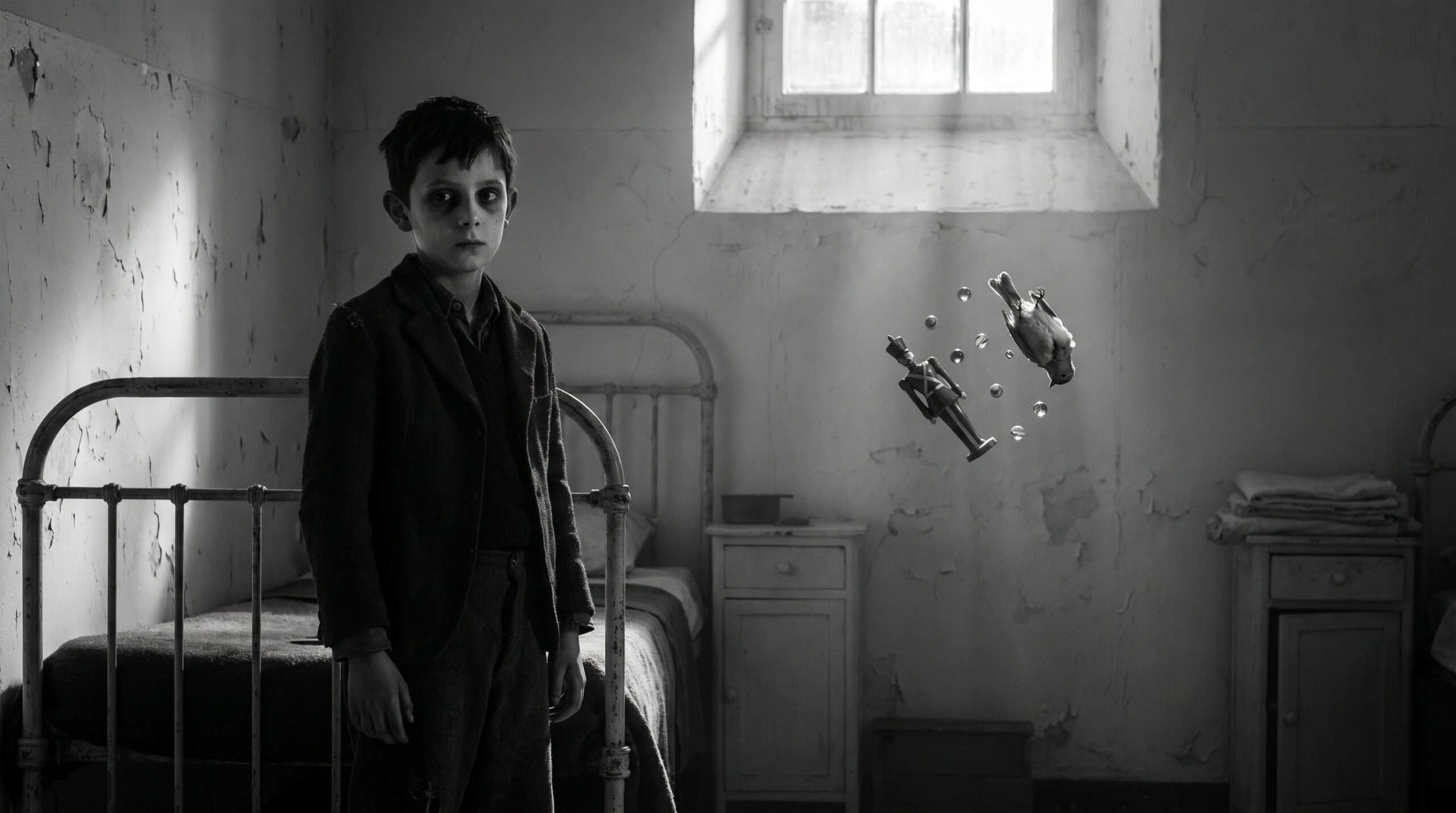
Long before he possessed a wand of yew and phoenix feather, young Tom Riddle demonstrated a terrifying baseline of natural, wandless control. Unlike normal accidental magic, which is erratic and instinctual, Riddle could deliberately direct his magic to cause harm.
-
Pre-Hogwarts Discipline: At Wool’s Orphanage, he could move objects with his mind, command animals, and inflict pain on those who crossed him.
-
Adult Feats: As Lord Voldemort, his mastery evolved into the ability to fly unsupported—a highly advanced variation of wandless and broomless magic—and physically repel opponents with telekinetic waves of dark energy.
 Gellert Grindelwald: The Kinetic Duelist
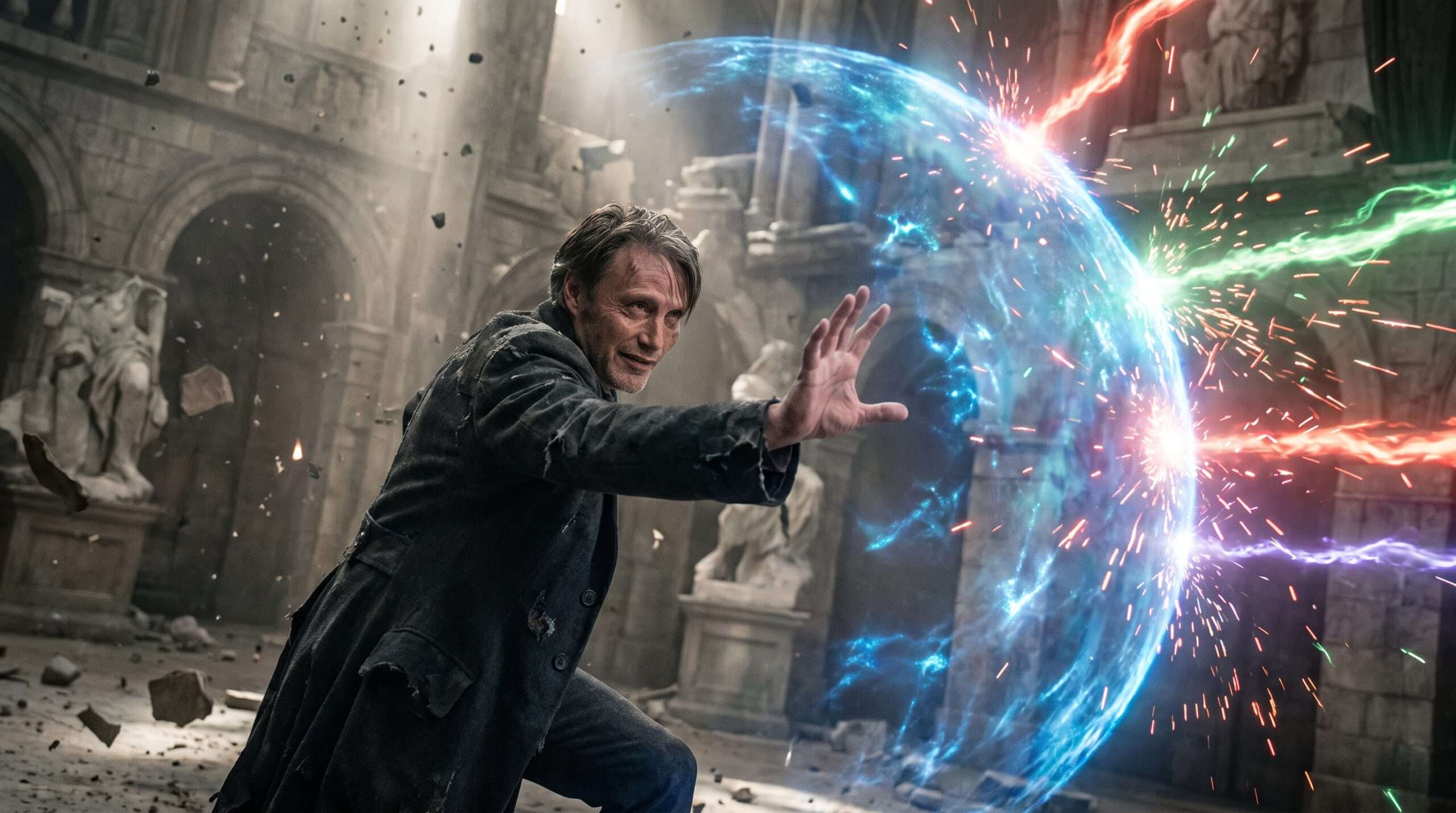
The cinematic lore of the Fantastic Beasts franchise showcases Gellert Grindelwald as a hyper-kinetic duelist who heavily utilizes wandless casting in active combat.
-
Cinematic Lore: Grindelwald is frequently seen using sweeping hand motions to deflect incoming spells, hurl heavy objects like cars at Aurors, and even manipulate the devastating elemental blue fire of his Protego Diabolica spell without strictly relying on the Elder Wand. His style relies on fluid, martial-arts-like gestures, proving that wandless magic can be aggressively weaponized.
 Domestic and Everyday Users
It is important to note that you do not have to be a Dark Lord or a Supreme Mugwump to perform minor wandless magic. Domestic casting requires significantly less power. Characters like Tom the innkeeper or Queenie Goldstein (who uses subtle hand gestures for baking and preparing meals) prove that small, repetitive household charms can be mastered without a wand, emphasizing convenience over combat power.
The Pros and Cons of Wandless Magic
If wandless magic offers such incredible independence, why doesn’t everyone learn it? The reality is that the trade-offs are significant. This quick reference table highlights why wands remain the industry standard in the wizarding world.
| The Advantages of Wandless Magic | The Disadvantages & Limits |
| Impossible to Disarm: You are never defenseless in a combat scenario; your body is the weapon. | Drastically Reduced Precision: Complex charms or intricate transfigurations become highly unpredictable without a focused tip. |
| Subtlety and Stealth: Allows for casting without drawing immediate attention or shouting incantations. | Extreme Mental Fatigue: Forcing raw magic into the world drains a wizard’s physical and mental stamina far quicker than wand-assisted magic. |
| Immediate Execution: No need to reach into a robe or draw from a holster under pressure; reaction times are instantaneous. | High Entry Barrier: Requires exceptional latent magical power, relentless emotional control, and decades of discipline to master safely. |
Deep-Dive Lore Analysis: Why Didn’t Harry Ever Learn It?
A frequent question raised in fan communities and lore discussions is: If Harry Potter was constantly facing life-or-death situations, why didn’t he take the time to learn wandless magic?
 The Hogwarts Curriculum and British Ministry Restrictions
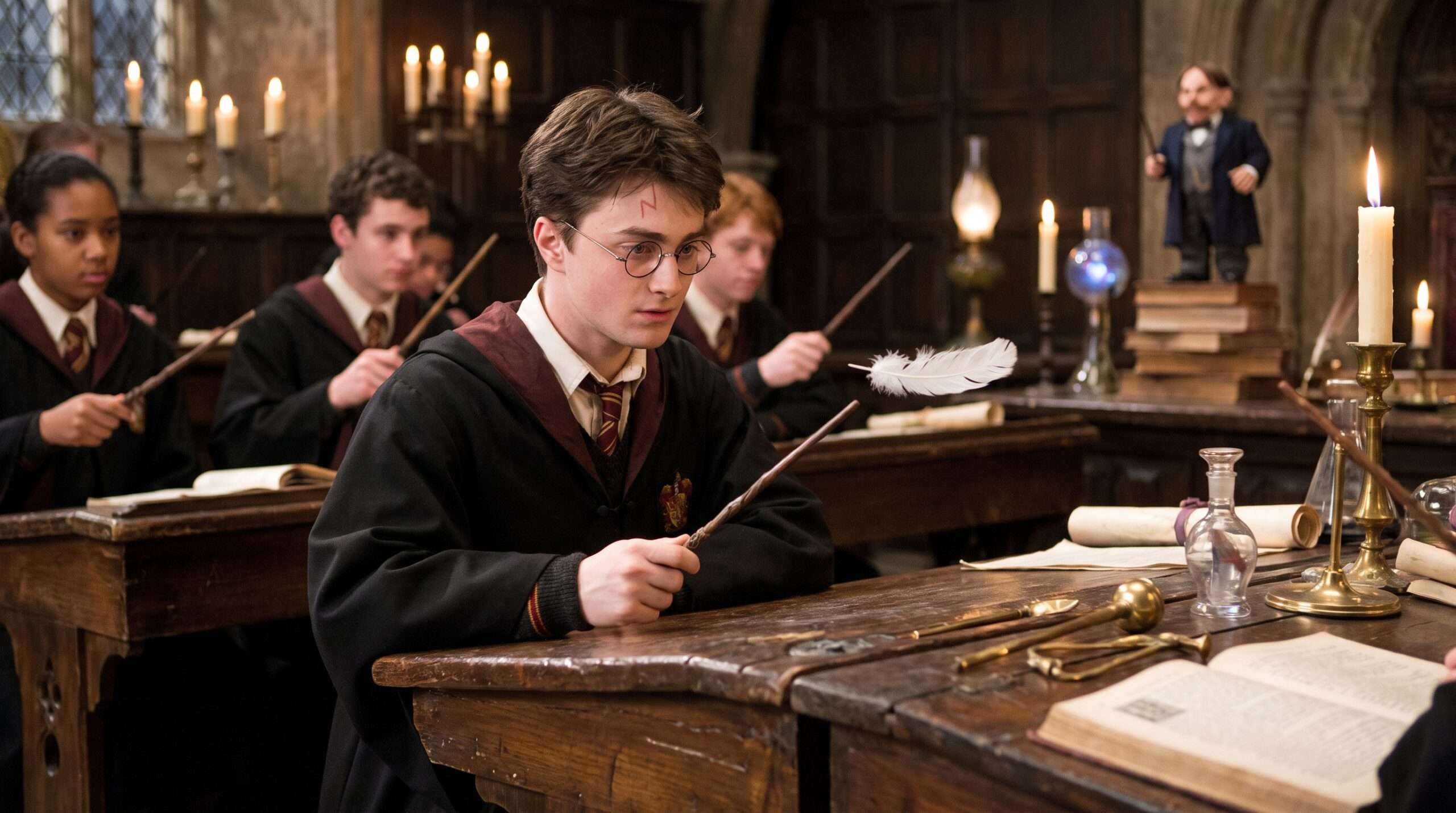
The first barrier is systemic. Hogwarts School of Witchcraft and Wizardry is built entirely around wand-use. The curriculum does not offer classes in wandless magic. Furthermore, the British Ministry of Magic enforces strict wand regulations (such as the Trace on underage wizards and formal wand registration). A populace that can cast spells invisibly and without a traceable tool is incredibly difficult for a government to police. Therefore, alternative casting styles are simply not taught, encouraged, or resourced in Western Europe.
Harry’s Survivalist Style
From a psychological standpoint, Harry’s specific magical style does not lend itself to wandless casting. Harry is a practical, reactive wizard. He is a survivor who relies heavily on fast, muscle-memory spells like Expelliarmus (Disarming Charm) and Stupefy (Stunning Spell). These are highly directional, projectile-based spells that require the sharp, sniper-like focus of a wand tip. Harry’s magic is fueled by adrenaline and instinct; he lacks the calm, detached, and meticulously controlled mental state required to force complex magic out of his bare hands safely.
Frequently Asked Questions About Wandless Magic
Can any wizard do wandless magic?
Theoretically, yes. The genetic capacity for magic exists within every witch and wizard. However, practically speaking, the answer is no. Without intense childhood training (like the students receive at Uagadou) or rare, genius-level mastery, the average Western-educated adult wizard cannot produce much more than a few sparks without their wand.
Is Wandless Magic more powerful than Wand Magic?
No, it is not inherently more powerful; it is simply more difficult. Because a wand acts as an amplifier and a funnel, a spell cast with a wand is usually much more concentrated and potent than the exact same spell cast without one. Only absolute masters can output the same level of raw power wandlessly.
Can you brew potions without a wand?
Yes. Potion-making is one of the few magical disciplines that does not strictly require a wand. The magic relies heavily on the innate magical properties of the ingredients themselves (like boomslang skin or lacewing flies) and the precise brewing process. While wands are sometimes used to manipulate heat or stir, the core chemistry is wandless.
Why did American wizards adopt wands if they didn’t use them originally?
The founding of Ilvermorny by European immigrants introduced the Ollivander-style wand to North America. Wands offered a safer, easier, and more precise way to teach magic to mass populations of students. Over time, the convenience of the wand standardized the curriculum, and the older indigenous techniques were largely marginalized.
The exploration of Harry Potter wandless magic ultimately proves one profound truth about the wizarding universe: wands are merely training wheels and amplifiers for a biological force. The true magic lies within the witch or wizard, not the piece of polished wood they carry in their robes.
By understanding the mechanics of wandless casting, we gain a much deeper appreciation for the terrifying, raw power of figures like Lord Voldemort, the unparalleled brilliance of Albus Dumbledore, and the rich, diverse tapestry of global magical cultures that thrive beyond the stone walls of Hogwarts.
Now we want to hear from you! If you received your acceptance letter to a magical school today, which style of magic would you dedicate yourself to learning: the precise, wand-based dueling of Hogwarts, or the untamed, wandless mastery of Uagadou? Let us know your thoughts in the comments below!