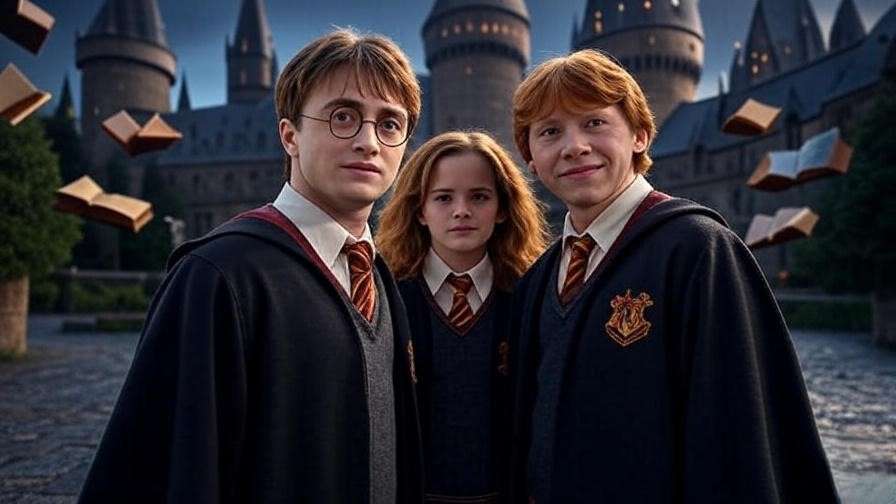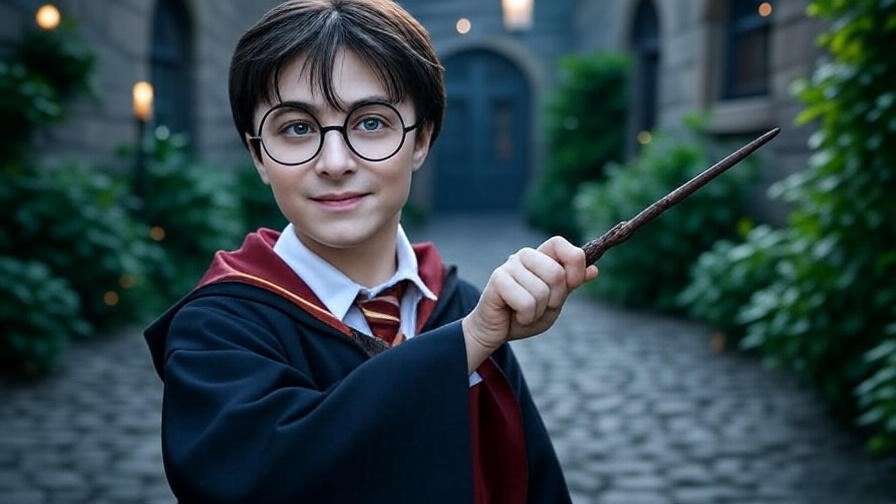
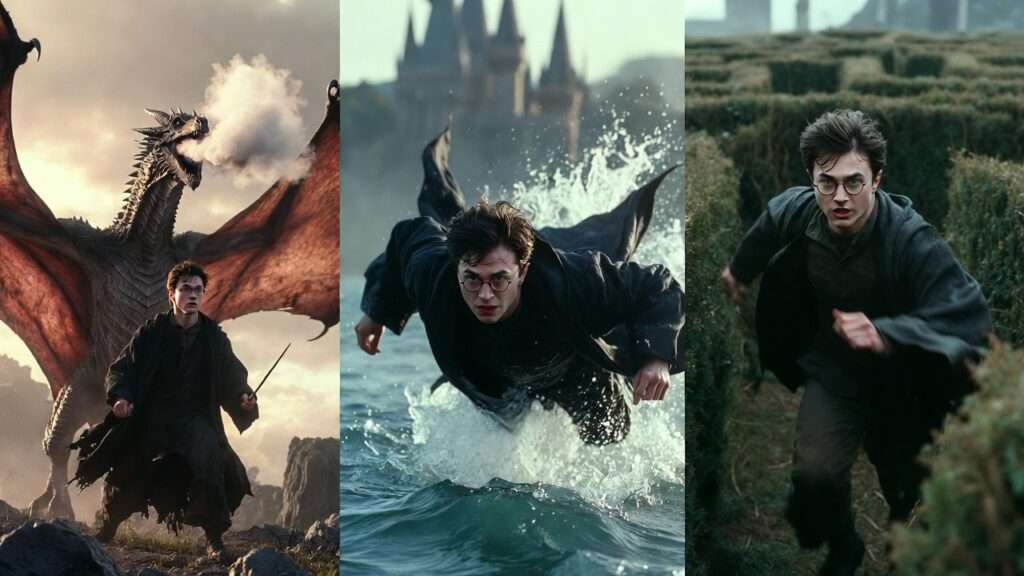
Imagine being just fourteen, still mastering basic spells, when a magical artifact mysteriously forces you into a life-or-death competition designed for seventeen-year-olds—one where past champions have died in gruesome ways. That’s precisely what happened to Harry Potter in his fourth year at Hogwarts School of Witchcraft and Wizardry. Harry Potter in the Triwizard Tournament stands as one of the most gripping, high-stakes, and emotionally charged storylines in J.K. Rowling’s series, transforming a school year into a relentless battle of courage, cunning, and survival.
Revived after centuries of dormancy due to its notorious fatality rate, the 1994–1995 Triwizard Tournament brought together champions from Hogwarts, Beauxbatons Academy of Magic, and Durmstrang Institute to face three extraordinarily perilous tasks. Harry’s unexpected selection as a fourth champion—despite being underage and never entering his name—bound him by an unbreakable magical contract. What followed was a whirlwind of dragon fire, underwater rescues, maze horrors, and a shocking confrontation that marked Voldemort’s return. In this in-depth, expert-level guide, we dissect the tournament’s rules, provide chronological breakdowns of each task, reveal Harry’s ingenious strategies and narrow escapes, examine the hidden manipulations at play, and explore the profound legacy of his improbable survival—offering fans the most comprehensive resource available for reliving or understanding this pivotal chapter.
The Rules and Setup of the 1994–1995 Triwizard Tournament
The Triwizard Tournament traces its origins back over seven hundred years, created as a prestigious inter-school rivalry to foster magical cooperation among Hogwarts, Beauxbatons, and Durmstrang. Each school traditionally sent one champion, selected by the impartial Goblet of Fire, to compete for the Triwizard Cup, one thousand Galleons, and lasting glory. The tasks—varying each time—tested courage, intelligence, resourcefulness, and magical prowess, but the competition’s danger led to its suspension sometime after the late 1700s, following multiple champion deaths, including a chaotic 1792 event involving a rampaging cockatrice that injured participants.
In 1994, the Ministry of Magic revived the tournament at Hogwarts with enhanced safeguards, including an Age Line drawn by Albus Dumbledore to bar anyone under seventeen. Champions were chosen on Halloween night when the Goblet of Fire ejected their names in bursts of flame. The legitimate selections were Cedric Diggory (Hogwarts, Hufflepuff), Fleur Delacour (Beauxbatons), and Viktor Krum (Durmstrang). Then, shockingly, a fourth name emerged: Harry Potter.
The binding magical contract compelled Harry to compete, sparking widespread accusations of cheating and fame-seeking. Tensions ran high—friendships frayed (notably with Ron Weasley), and Harry faced isolation. Unbeknownst to almost everyone, the Goblet had been tampered with using a powerful Confundus Charm by Barty Crouch Jr., disguised as Defense Against the Dark Arts professor Alastor “Mad-Eye” Moody, to ensure Harry’s participation and delivery to Lord Voldemort.
A panel of judges—Dumbledore, Maxime (Beauxbatons headmistress), Karkaroff (Durmstrang headmaster), Crouch Sr., and Ludo Bagman—scored performances, with points reflecting speed, style, and ingenuity.
First Task – Facing the Dragons: Courage Under Fire
Held on November 24, 1994, the first task demanded champions retrieve a golden egg from a fiercely protective mother dragon. These eggs held a coded clue for the second task, but reaching them required surviving one of four breeds: Swedish Short-Snout, Common Welsh Green, Chinese Fireball, or Hungarian Horntail.
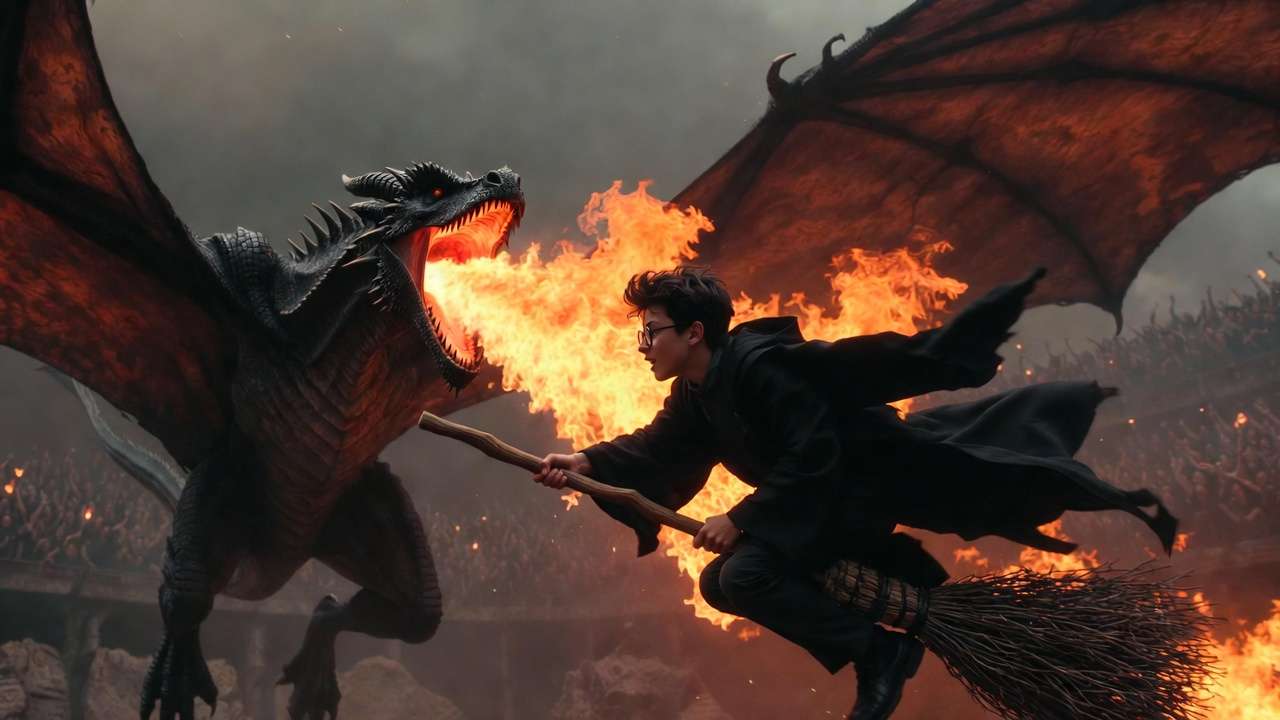 Champions selected their dragon via miniature models in a bag, determining order. Cedric Diggory went first against the Short-Snout, transfiguring a rock into a Labrador to distract it—effective, but he suffered burns. Fleur Delacour tried enchanting her Welsh Green into a trance-like state; the dragon snorted fire, singeing her skirt. Viktor Krum cast a Conjunctivitis Curse on his Chinese Fireball’s eyes, blinding it temporarily for a swift grab, though the enraged dragon crushed real eggs, costing points.
Harry, drawing last, faced the Hungarian Horntail—the most vicious, with black scales, a spiked tail, and scorching flames. Hagrid secretly showed Harry the dragons, and “Moody” subtly suggested playing to his strengths. Harry used the Summoning Charm (“Accio Firebolt!”) to call his racing broom. He flew complex aerial maneuvers, dodging tail swipes and fire blasts, luring the dragon skyward. When it lifted off, exposing the nest, Harry dove and snatched the egg in a daring swoop—the quickest retrieval.
Judges awarded Harry strong scores (tied first with Krum), commending his bravery and innovative use of flight. This task primarily tested raw courage; Harry’s Quidditch expertise as Seeker gave him a unique edge, turning potential disaster into a showcase of skill.
Expert insight: Unlike ground-based tactics, Harry’s airborne strategy minimized direct exposure to fire and claws, highlighting why broom-based evasion remains a fan-favorite “what if” strategy for similar challenges.
Second Task – The Black Lake Rescue: Resourcefulness and Loyalty
The second task took place on February 24, 1995, beneath the icy surface of the Black Lake. Each champion had precisely one hour to dive into the depths, locate their “most precious treasure” held captive by the merpeople, and return to the surface—failure meant the hostage would remain lost forever. The golden egg from the first task provided the clue: when held underwater, the screeching transformed into a clear, haunting mermaid voice revealing the time limit and stakes.
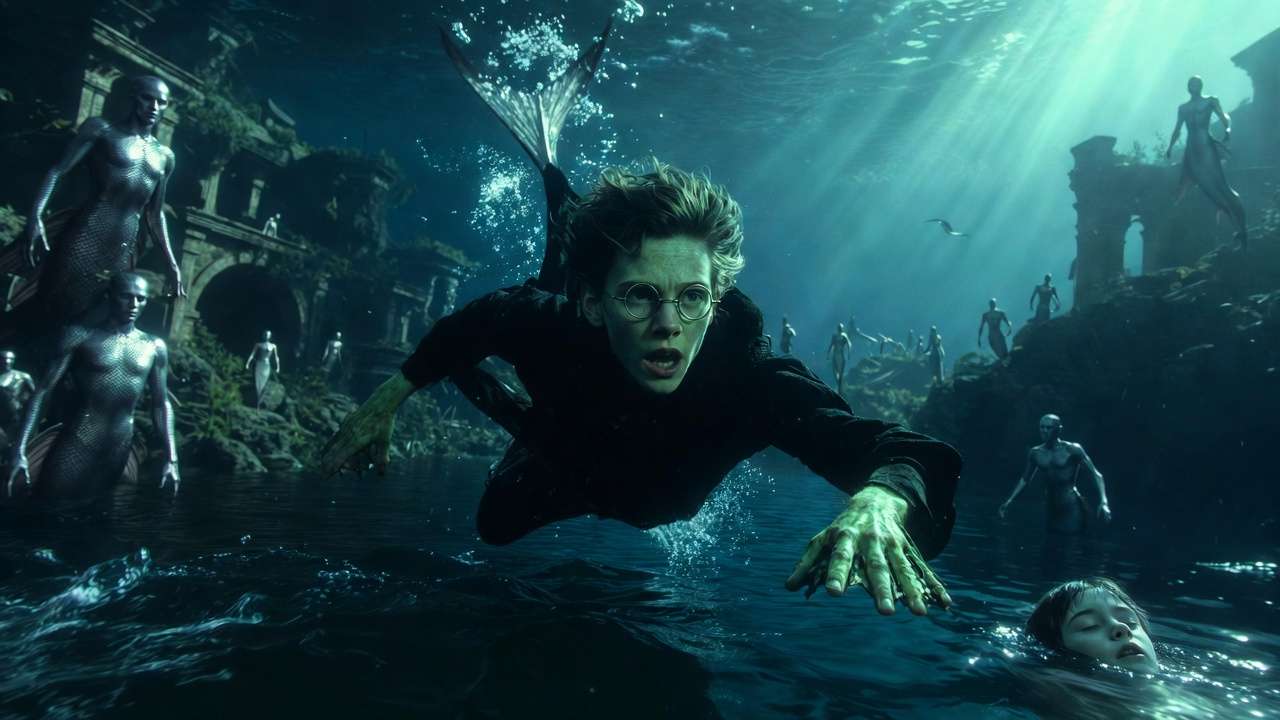 Preparation proved critical and varied wildly among the champions. Viktor Krum, leveraging his powerful physique, used a partial human-shark transfiguration spell to gain speed and gills, though the crude transformation left him looking monstrous. Cedric Diggory mastered the Bubble-Head Charm after receiving a discreet hint from Harry (who in turn had been tipped off by “Moody”). Fleur Delacour attempted a similar partial-transfiguration approach but was hampered by an ambush from Grindylows—small, horned water demons that dragged her down.
Harry struggled most with the clue. Despite Hermione Granger’s tireless research and Ron Weasley’s eventual reconciliation, Harry couldn’t master gills or breathing underwater spells in time. On the morning of the task, Dobby the house-elf appeared with a crucial gift: Gillyweed, a magical plant that temporarily granted Harry gills, webbed hands and feet, and enhanced swimming speed. (Later revealed to have been planted by Barty Crouch Jr. posing as Moody to keep Harry alive for the final stage.)
Harry’s “most precious treasure” was Ron Weasley, deliberately chosen to exploit Harry’s loyalty and friendship. Fleur’s sister Gabrielle and Cho Chang (Cedric’s partner) were also taken. Harry not only rescued Ron but, seeing Fleur fail to reach her sister in time due to the Grindylow attack, he risked his own hour limit to save Gabrielle as well. The merpeople allowed this act of moral courage, though it cost Harry precious minutes.
He surfaced last—well past the hour—but the judges, moved by his selflessness, awarded him second place (behind Cedric), granting bonus points for “moral fiber.” This decision underscored one of the series’ core themes: true heroism often lies in protecting others, not merely winning.
Deeper analysis: The Black Lake task mirrors earlier rescues in the series—Harry diving into the Chamber of Secrets to save Ginny, or confronting the basilisk. It reinforces the recurring motif that friendship and loyalty are Harry’s greatest strengths, often outweighing raw magical power. The Gillyweed solution also showcases Rowling’s brilliant world-building: a rare, obscure plant becomes the perfect counter to an impossible challenge.
Third Task – The Maze: Intelligence, Teamwork, and Tragedy
The final task, held on June 24, 1995, transformed the Quidditch pitch into an enormous, twenty-foot-high hedge maze enchanted with shifting paths and deadly obstacles. The Triwizard Cup waited at the center; the first champion to touch it would claim victory. Entry order was determined by cumulative points: Harry and Cedric entered last, giving them the shortest route but also the most time for dangers to activate.
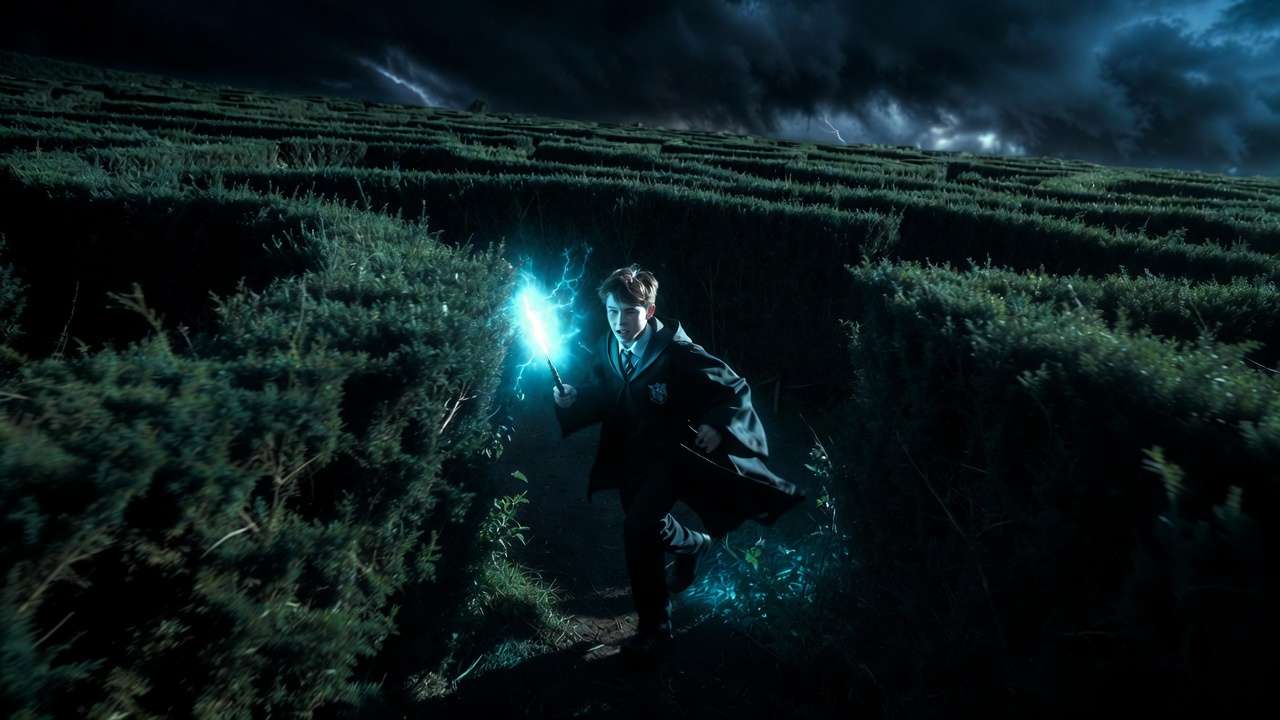 The maze was filled with a gauntlet of challenges: Blast-Ended Skrewts (Hagrid’s dangerous hybrid creatures), riddles posed by a golden sphinx, swarms of Acromantulas, Boggarts disguised as Dementors, an Imperius-Cursed Viktor Krum attacking others, and various magical traps designed to disorient or injure.
Harry navigated using the Point Me spell (a makeshift compass charm), his quick reflexes, and sheer determination. He and Cedric crossed paths and chose to cooperate rather than compete aggressively—most notably teaming up to stun a giant spider that had cornered them both. Reaching the Cup simultaneously, they displayed extraordinary sportsmanship: neither would touch it alone. They grasped it together.
The Cup was a Portkey.
It whisked them to Little Hangleton graveyard. Peter Pettigrew (Wormtail), acting on Voldemort’s orders, killed Cedric instantly with the Killing Curse. Voldemort then used Harry’s blood, Pettigrew’s flesh, and Tom Riddle Sr.’s bone in a dark ritual to restore his body. The reborn Dark Lord dueled the unarmed Harry, but when their wands connected, Priori Incantatem occurred—the rare “Reverse Spell Effect.” Echoes of Voldemort’s previous victims emerged, including James and Lily Potter, who shielded Harry long enough for him to grab Cedric’s body and the Portkey, escaping back to Hogwarts.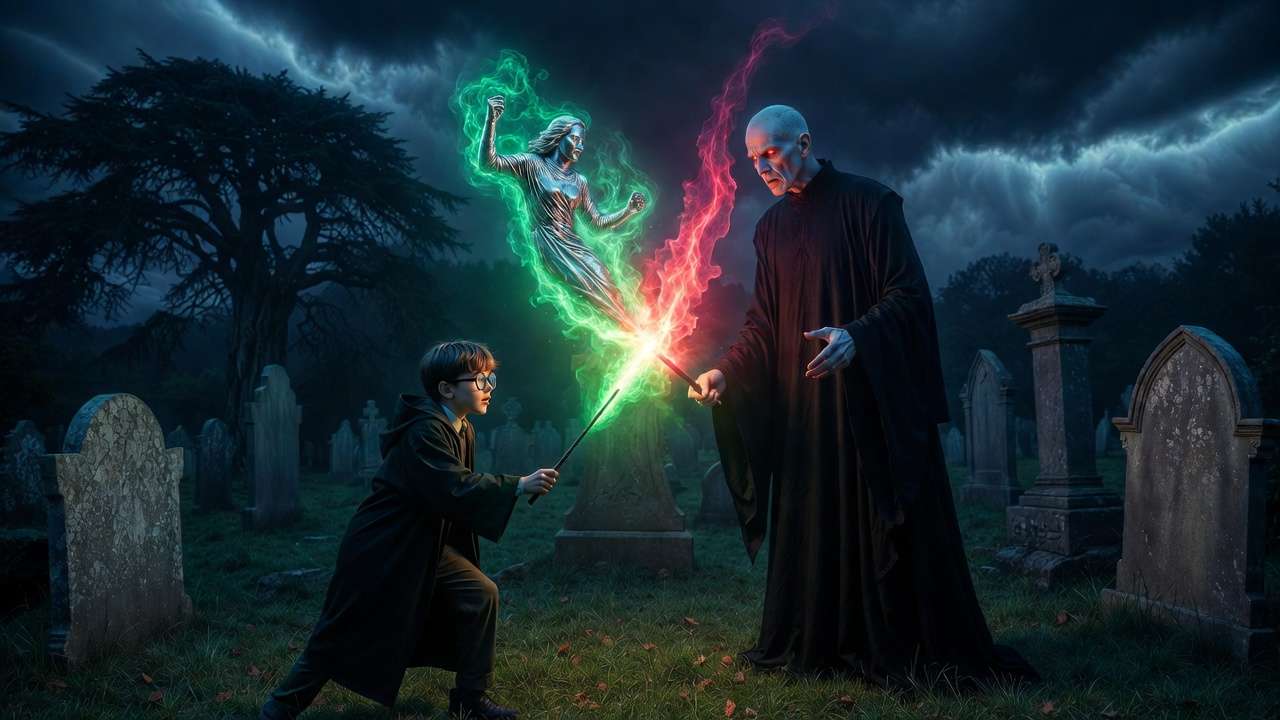
Harry survived the graveyard through a combination of Lily’s sacrificial protection (carried in his blood), instinctive wand knowledge, and the magical resonance between the brother wands (both containing feathers from Fawkes the phoenix).
The aftermath was devastating: Harry returned clutching Cedric’s body, declared the official Triwizard champion, and immediately warned of Voldemort’s return. He donated the 1,000-Galleon prize to Fred and George Weasley to fund their joke shop—later a vital front for the resistance.
How Harry Really Survived: Help, Luck, and Inner Strength
Harry Potter’s improbable survival through the Triwizard Tournament was never the result of solo heroism or sheer good fortune. Instead, it stemmed from a complex interplay of external assistance, strategic manipulation by others, and Harry’s own core strengths as a wizard and person.
The single most significant factor was the deliberate interference of Barty Crouch Jr., operating under Polyjuice Potion as “Mad-Eye” Moody. Crouch Jr. engineered Harry’s entry into the tournament by placing his name under a fourth school and confounding the Goblet of Fire. He then subtly guided Harry through every task:
- Suggesting the Summoning Charm for the dragon task.
- Planting the idea of Gillyweed (via Dobby) for the lake.
- Ensuring the maze’s final obstacle was a rigged Portkey leading directly to Voldemort.
Without this sabotage disguised as mentorship, Harry would almost certainly have perished early.
Beyond the villain’s help, genuine allies played irreplaceable roles:
- Hagrid illegally showed Harry the dragons, giving him advance knowledge no other champion received.
- Hermione Granger decoded the egg clue, researched breathing solutions, and provided moral support.
- Ron Weasley, after reconciliation, offered unwavering friendship that became the emotional anchor during the lake task.
- Dobby risked everything to deliver Gillyweed at the last moment.
- Cedric Diggory demonstrated fairness by sharing the lake clue and agreeing to a joint victory in the maze.
Harry’s personal qualities turned these advantages into survival:
- Bravery — charging head-on at a Hungarian Horntail or diving deeper into the Black Lake despite time running out.
- Quick thinking and adaptability — improvising Accio for his broom, using Point Me in the maze, recognizing Priori Incantatem during the duel.
- Quidditch-honed reflexes — allowing him to outmaneuver dragon fire and maze obstacles where older, more experienced wizards might have faltered.
- Moral compass — saving Gabrielle Delacour and refusing to abandon Cedric’s body, decisions that earned judges’ favor and preserved his humanity.
Compared to the other champions, Harry’s youth was a disadvantage in raw power and experience, but his resourcefulness, moral courage, and ability to inspire loyalty more than compensated. Viktor Krum’s physical prowess and Fleur’s elegance were impressive, but neither showed the same willingness to sacrifice personal victory for others.
Theories among fans and scholars of the series often center on whether the tournament could have been survived without Crouch Jr.’s interference. Most agree the answer is no—Harry was deliberately placed in mortal peril at every step, with “help” calibrated just enough to keep him alive for the graveyard ritual.
Lasting Impact and Legacy of Harry’s Triwizard Experience
The Triwizard Tournament did far more than test Harry’s survival skills; it served as the fulcrum on which the entire Second Wizarding War turned.
Cedric Diggory’s murder shattered the wizarding world’s denial. Until that moment, Minister Cornelius Fudge and much of the public dismissed Voldemort’s return as a teenage fantasy. Harry’s eyewitness account, backed by the Dark Mark in the sky above the stadium, forced acknowledgment of the threat—even if many refused to believe it initially.
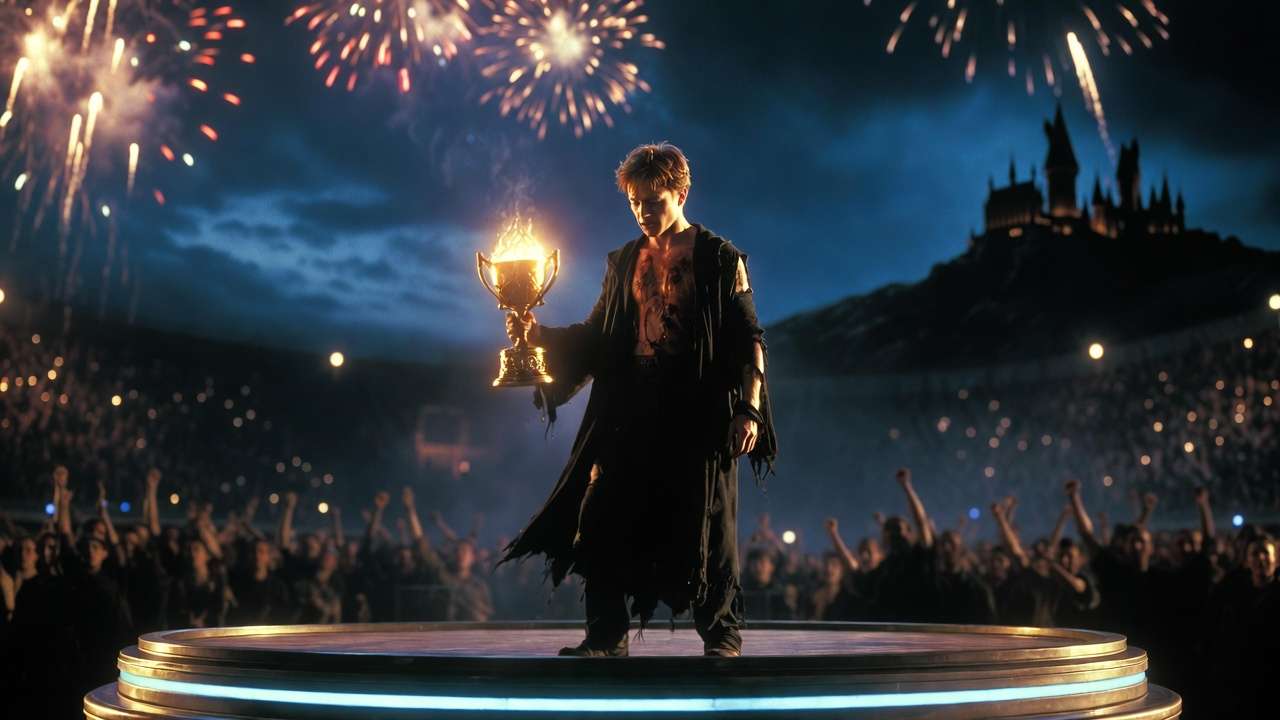 The emotional toll on Harry was profound. Survivor’s guilt over Cedric haunted him throughout Order of the Phoenix and beyond, deepening his sense of isolation and responsibility. The tournament also hardened his resolve, teaching him that power alone (Voldemort’s obsession) could never defeat love, loyalty, and sacrifice.
Practically, the 1,000-Galleon prize Harry won was donated to Fred and George Weasley, enabling them to open Weasleys’ Wizard Wheezes. The shop later became a crucial source of income for the resistance and a symbol of defiance against Dolores Umbridge and the Ministry’s control over Hogwarts.
On a broader scale, the events directly led to the reformation of the Order of the Phoenix, the recruitment of new members, and the eventual Battle of Hogwarts. Harry’s Triwizard journey proved he could stand against Voldemort not because of prophecy or superior magic, but because of the choices he made under pressure.
FAQs About Harry Potter in the Triwizard Tournament
Who officially won the Triwizard Tournament? Harry Potter was declared the winner and awarded the Cup and prize money. However, he and Cedric had agreed to share the victory before the Portkey activated, so many fans view it as a joint triumph in spirit.
Why was Harry chosen by the Goblet of Fire? Barty Crouch Jr., disguised as Mad-Eye Moody, used a powerful Confundus Charm on the Goblet to place Harry’s name under a fictitious fourth school, ensuring his selection.
Could Harry have refused to compete? No. The magical contract was binding. Refusal would have resulted in the loss of his magic or death, as the Goblet’s decisions are enforced by ancient, unbreakable magic.
What would have happened if Harry hadn’t survived the graveyard? Voldemort’s resurrection ritual required Harry’s blood. His death would have completed the ritual differently (possibly without the blood protection), but the Dark Lord’s return was assured either way. Harry’s survival delayed full acceptance of the threat and allowed him to warn Dumbledore immediately.
Which task do most fans consider the hardest? Opinions vary, but the third task is frequently cited due to its psychological terror, physical danger, and tragic outcome. The maze combined everything—intelligence, teamwork, combat, and betrayal.
What lessons does the Triwizard Tournament teach? It emphasizes that courage isn’t the absence of fear, that loyalty and friendship often outweigh individual power, and that glory pursued at any cost (Voldemort’s path) leads to destruction.
Harry Potter in the Triwizard Tournament remains one of the most thrilling and heartbreaking sequences in the Harry Potter saga. From outflying a Hungarian Horntail on his Firebolt, to risking everything to save Ron and Gabrielle in the Black Lake, to facing Voldemort himself in a graveyard duel, Harry’s journey showcased every facet of his character—bravery, ingenuity, loyalty, and an unyielding moral core.
What began as a school competition became the catalyst for war, proving once again that true strength lies not in avoiding danger, but in facing it with friends by your side and doing what’s right even when the odds are impossible.
If you’re revisiting Harry Potter and the Goblet of Fire, pay special attention to these moments—they’re the foundation of everything that follows. Which task do you think tested Harry the most? Share your thoughts in the comments below, and explore more in-depth Harry Potter analyses across our blog.