Last updated: 28 November, 2026 | Verified against the seven books and official Wizarding World material
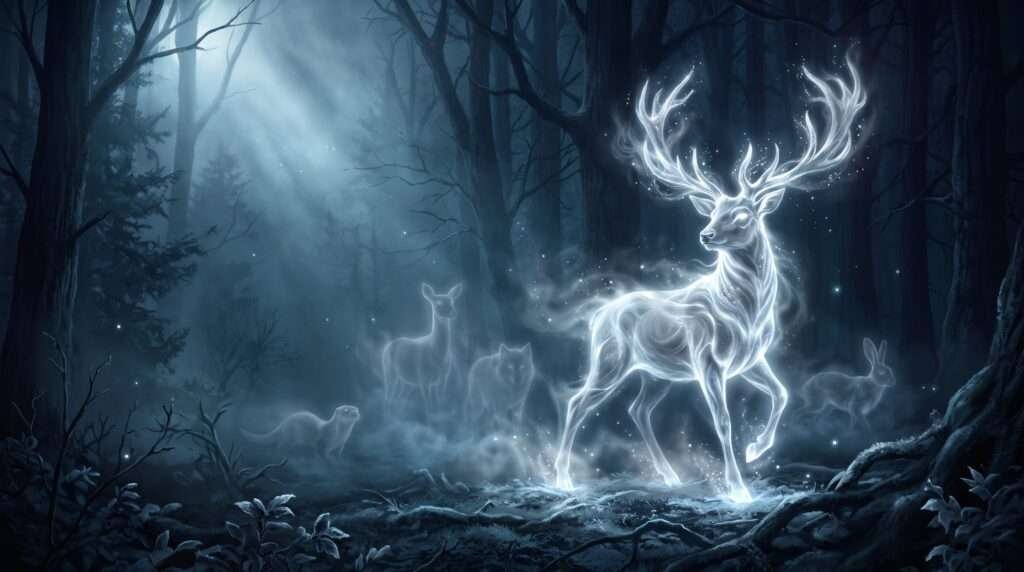
A silver doe steps out of the dark, calm and unhurried, through a frozen forest. Almost no one in the Harry Potter universe could have guessed who cast it. When the truth arrives, it reframes one of the most hated characters in the series. That is the power of the Patronus charm: it shows who a person is when everything else is stripped away.
This Harry Potter Patronus list covers every confirmed Patronus, what each one reveals about its caster, and how the magic works. Every entry is tagged by source (books, films, or Rowling’s later writing), so you know exactly what is canon.
What Is a Patronus? (A Quick Refresher)
A Patronus is a defensive charm and one of the most advanced pieces of magic taught in the series. It is cast with the incantation Expecto Patronum while the caster concentrates on a powerful, happy memory. Its main purpose is to repel Dementors, the soul-draining guards of Azkaban, which ordinary spells cannot hurt.
How the Patronus Charm Works
The charm does not run on spell mechanics alone. It runs on emotion. Harry’s first lessons with Professor Lupin in Prisoner of Azkaban make this clear: he struggles at first because the memory he picks isn’t strong enough. The Patronus acts as a shield. Dementors feed on despair, and the Patronus is made of the opposite, so they have nothing to feed on.
Corporeal vs. Non-Corporeal Patronuses
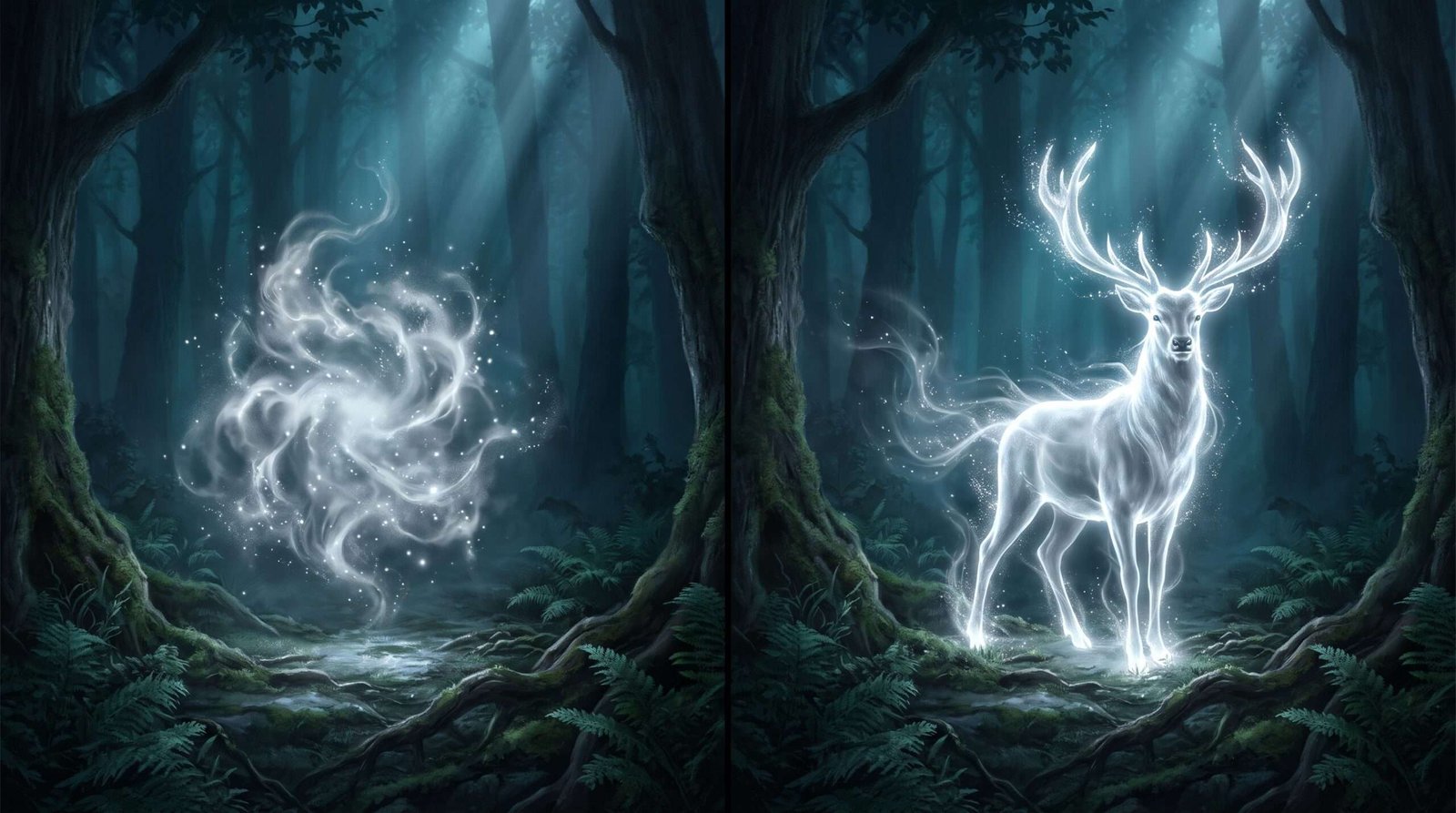
A non-corporeal Patronus is a shapeless cloud of silver mist. It can still push Dementors back, but it is weaker. A corporeal Patronus takes the form of a specific animal and is far more powerful. Harry famously casts a corporeal Patronus at the age of thirteen, which is why Lupin is so astonished.
 Why a Patronus Takes an Animal Form
The animal is unique to each caster. It reflects something fundamental about their personality or emotional life, and it can be tied to people they love. That is why the Patronus list is more than trivia. Each entry is a small character study.
Who Can’t Cast a Patronus?
Some wizards never manage a corporeal Patronus. Lord Voldemort is the best-known example, and Rowling has tied his inability to his incapacity for love. The charm depends on happiness and love, which he rejected.
The Complete Harry Potter Patronus List (Quick-Reference Table)
The table below uses a simple source system. Books/Films means the Patronus is shown or stated in the main story. Wizarding World/Rowling means it was confirmed in Rowling’s later writing or on the official Wizarding World site.
| Character | Patronus | Source |
|---|---|---|
| Harry Potter | Stag | Books/Films |
| Hermione Granger | Otter | Books/Films |
| Ron Weasley | Jack Russell terrier | Books/Films |
| Albus Dumbledore | Phoenix | Books/Films |
| Severus Snape | Doe | Books/Films |
| Lily Potter | Doe | Wizarding World/Rowling |
| Luna Lovegood | Hare | Books/Films |
| Ginny Weasley | Horse | Wizarding World/Rowling |
| Nymphadora Tonks | Jackrabbit, later a wolf | Wizarding World/Rowling |
| Remus Lupin | Wolf | Wizarding World/Rowling |
| Kingsley Shacklebolt | Lynx | Books |
| Arthur Weasley | Weasel | Books |
| Minerva McGonagall | Tabby cat | Books |
| Aberforth Dumbledore | Goat | Books |
| Cho Chang | Swan | Wizarding World/Rowling |
| Ernie Macmillan | Boar | Books/Wizarding World |
| Seamus Finnigan | Fox | Books/Wizarding World |
Fan wikis often mix film-only details with later-added lore, which is why source labeling matters. Some characters, such as Sirius Black, never had a Patronus confirmed in canon, so I have left them off rather than guess.
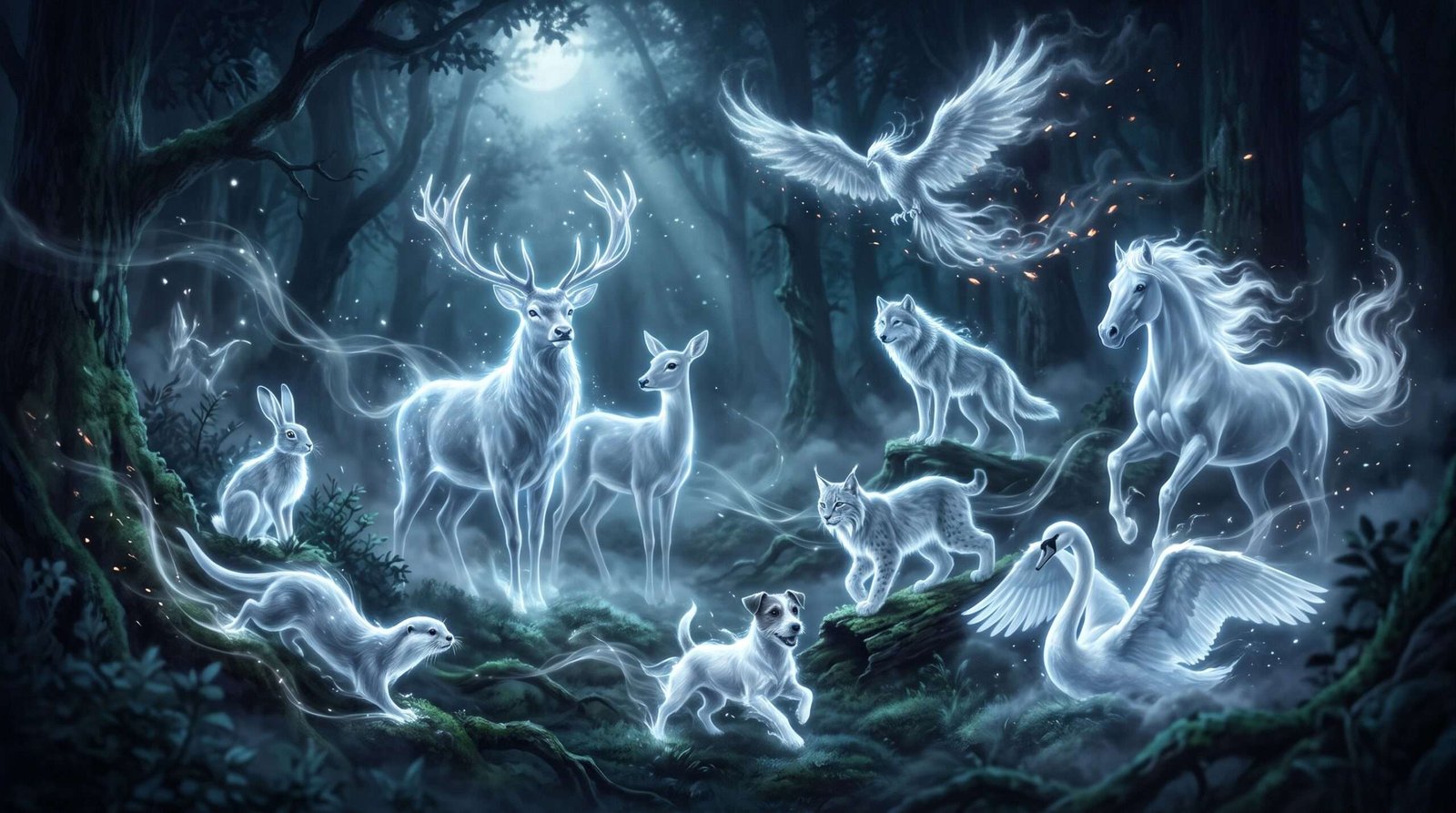 Main Characters’ Patronuses Explained
Harry Potter’s Patronus: The Stag
Harry’s stag is the most iconic Patronus in the series. It is also the Animagus form of his father, James Potter, which is why the moment at the lake in Prisoner of Azkaban lands so hard. Harry believes he sees his father cast the spell, only to realize it was himself, years later, in a loop of time. The stag symbolizes protection, legacy, and the idea that the people we lose never fully leave us.
Hermione Granger’s Patronus: The Otter
Hermione’s otter suits her intelligence, her playfulness, and the warmth that often hides behind her seriousness. Otters are clever, social, and adaptable, which describes her exactly. It is also one of the most fun details of the series for anyone who loves a good symbolic match.
Ron Weasley’s Patronus: The Jack Russell Terrier
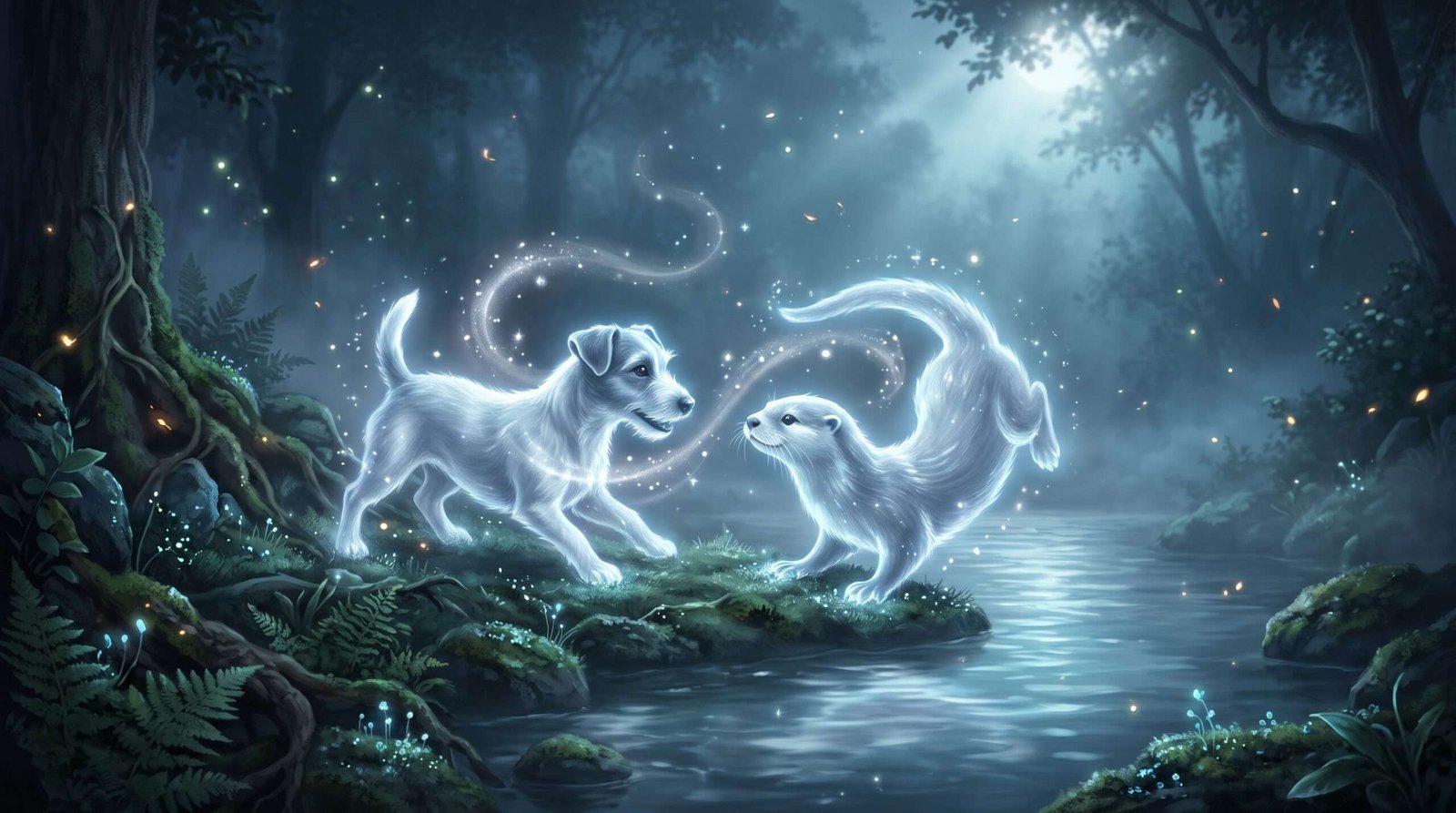
Ron’s Patronus is a Jack Russell terrier, a small, loyal, fearless dog that will chase anything. It reflects his loyalty and his courage under pressure. It also has a well-known link to Hermione’s otter. Rowling has discussed that Jack Russells are traditionally used to hunt otters, a detail fans have long read as a hint of the pair’s connection.
Albus Dumbledore’s Patronus: The Phoenix
Dumbledore’s phoenix echoes Fawkes and the Order of the Phoenix itself. It symbolizes rebirth, resilience, and the idea that hope can rise from the ashes of defeat. It is fitting for a man who spent his life fighting a war that required constant renewal.
Severus Snape’s Patronus: The Doe
This is the most emotionally powerful Patronus in the series. When Snape’s silver doe leads Harry to the Sword of Gryffindor, it looks like a mysterious act of help. Only in “The Prince’s Tale” do we learn what the doe means: Snape’s love for Lily never faded. A Patronus drawn from his deepest grief and devotion is the most poignant twist in the saga.
On a re-read, this is the moment that hits hardest. Every earlier scene with Snape changes once you know what the doe stands for, and I notice something new each time.
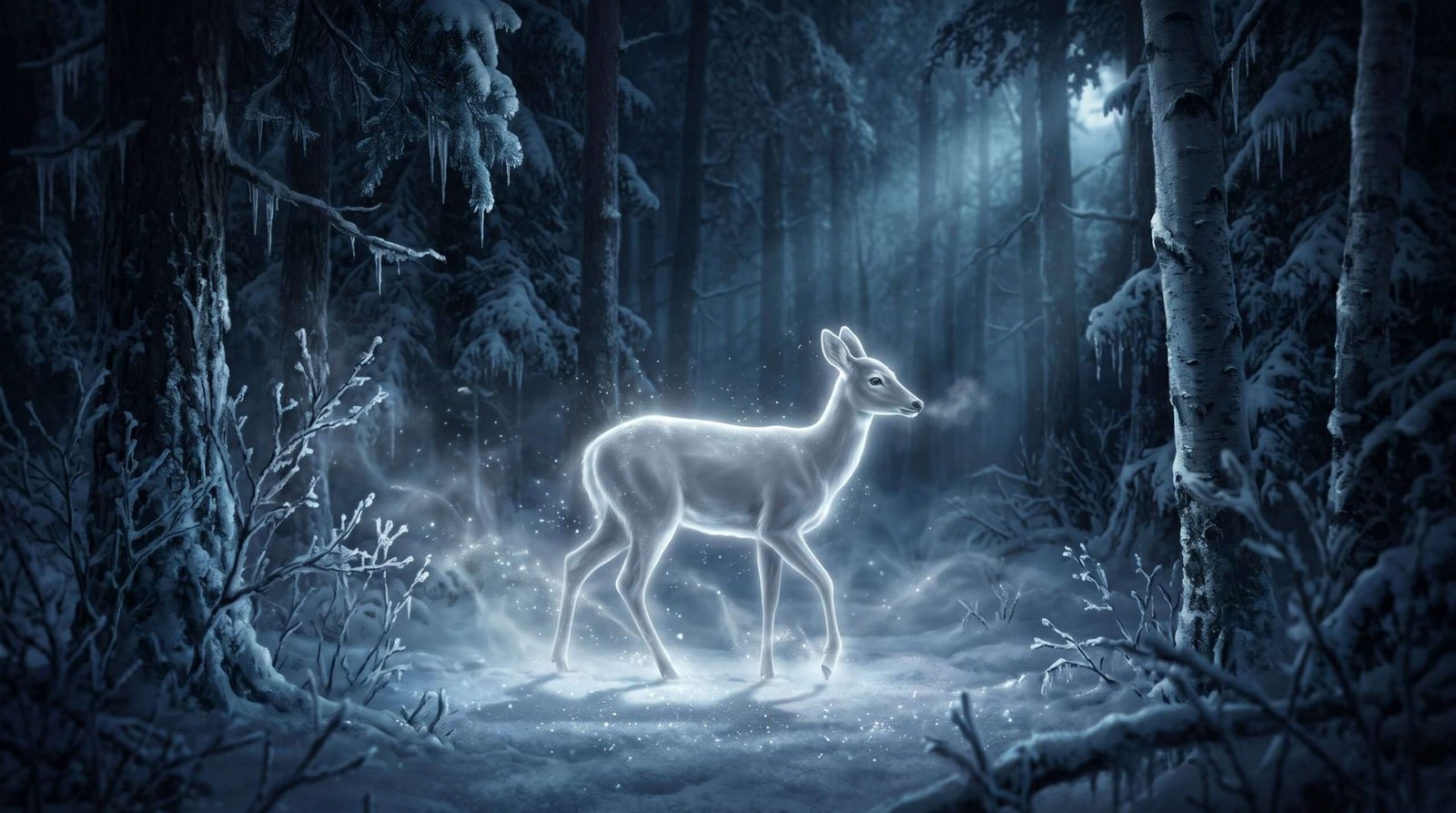 Lily Potter’s Patronus: The Doe
Lily’s Patronus was also a doe, which is why Snape’s matches hers. The doe is the feminine counterpart to James’s stag, a pairing that quietly links Harry’s parents even in death. Snape’s Patronus taking the same form is one of the most moving details in the story.
Ginny Weasley’s Patronus: The Horse
Ginny’s horse reflects her strength, independence, and spirit. It suits someone who grew up among six brothers and learned early to hold her own.
Luna Lovegood’s Patronus: The Hare
Luna’s hare is a perfect match for her gentle, unconventional view of the world. Hares have long been associated with intuition and the unusual, and Luna’s Patronus shows she is exactly as she seems, quietly confident in her own way of seeing things.
Nymphadora Tonks’s Patronus: The Jackrabbit and the Wolf
Tonks’s Patronus is one of the few that famously changes, which gets its own section below.
Dumbledore’s Army and Order of the Phoenix Patronuses
Dumbledore’s Army Members and Their Patronuses
When Harry teaches the Patronus charm to Dumbledore’s Army in Order of the Phoenix, several classmates produce Patronuses, and a number of them are confirmed in canon:
- Luna Lovegood: hare
- Cho Chang: swan
- Ernie Macmillan: boar
- Seamus Finnigan: fox
Seeing these forms gives a small but satisfying glimpse into each student’s character, from Cho’s grace to Ernie’s stubborn confidence.
Order of the Phoenix Members’ Patronuses
Members of the Order use the Patronus for something beyond defense:
- Kingsley Shacklebolt: lynx
- Arthur Weasley: weasel
- Minerva McGonagall: tabby cat
- Aberforth Dumbledore: goat
McGonagall’s tabby cat is a quiet nod to her Animagus form, and Aberforth’s goat is the kind of detail that makes the character feel lived-in.
Patronuses Used to Send Messages
In the later books, the charm doubles as a communication tool. A Patronus can carry a spoken message across distance, which makes it valuable when owls and Floo calls are unsafe. This turns a defensive spell into the Order’s emergency messaging system.
Do Patronuses Ever Change?
Tonks and the Wolf
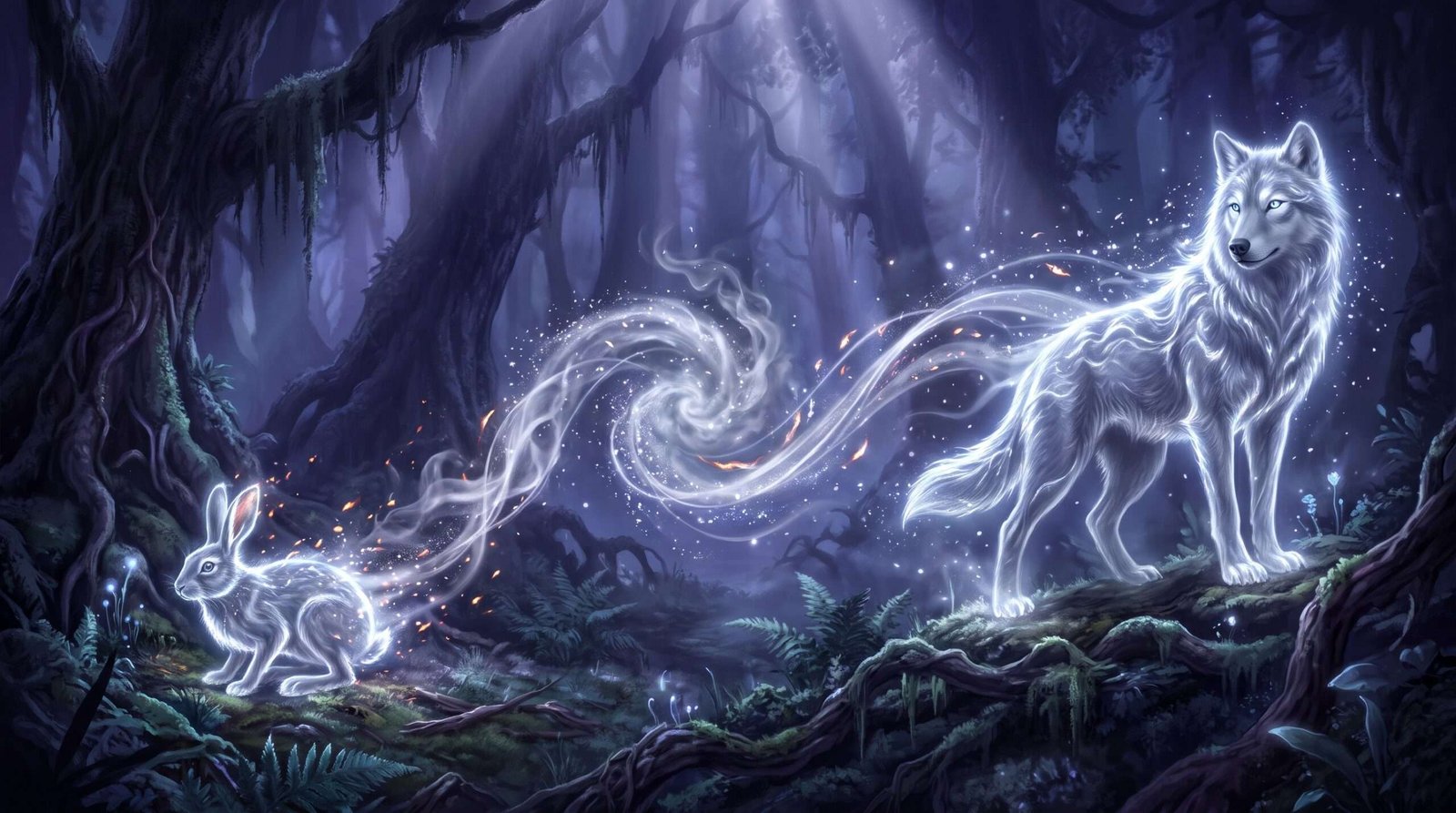
Yes, and the best-known case is Tonks. Her Patronus was a jackrabbit, but after she fell in love with Remus Lupin, it changed to a wolf, matching his. In Half-Blood Prince, Harry notices her Patronus has taken a new, larger, four-legged form, a visible sign of how deeply her heart was affected.
Why Patronuses Can Change
According to Rowling, a Patronus can change after a significant emotional event such as great love, grief, or trauma. That is part of what makes the charm so personal. It is not a fixed trait like blood status. It is a reflection of the heart as it is now.
Does Your Patronus Reveal Your Personality?
In the story, yes, to a point. But it is worth reading symbolism carefully. A stag does not mean “brave” in every context, and a terrier does not mean “small.” The animal reflects something specific to that person’s life and relationships, so the best readings look at the story behind each Patronus, not just the animal’s reputation.
Patronus Meanings: What Each Animal Reveals
Protective Patronuses
The stag and the wolf are protectors. Harry’s stag guards the people he loves, and the wolf links Lupin and Tonks through shared vulnerability and devotion.
Loyalty and Love-Based Patronuses
The Jack Russell terrier and the doe are about devotion. Ron’s loyalty to his friends and Snape’s lifelong love for Lily are both written into the form of their Patronuses.
Intelligence and Curiosity-Based Patronuses
The otter and the hare point to quick thinking and an open, curious nature. Hermione and Luna could hardly be more different, yet both Patronuses suggest minds that never stop wondering.
Why Rowling Chose These Animals
Rowling has been open about some of her choices. She has said the otter is her own favorite animal, which is part of why she gave it to Hermione. Where she has not explained a choice, it is better to treat any interpretation as fan analysis rather than canon.
Patronus Pairs and Hidden Connections
Harry and Lily/James: Stag and Doe
Harry’s stag mirrors his father’s Animagus form, and the doe belongs to his mother and to Snape. Together they form a quiet family portrait written in silver.
Ron and Hermione: Terrier and Otter
The terrier and the otter are a pair that fans have connected since the books. Whether or not it was designed as a joke, the link between predator and prey gives their relationship a playful, affectionate edge.
 Tonks and Lupin: A Patronus Changed by Love
Of all the pairings, this is the one where a Patronus literally transforms because of another person. It is perhaps the clearest proof in canon that the charm reflects a person’s emotional life, not just their personality.
 How to Find Your Own Patronus
Want to know what your Patronus would be? The official Wizarding World Patronus quiz is the best place to start. Remember that your result is for fun and is not canon, but it is a great way to explore the same symbolism the books use. If you get something unexpected, think about why it fits: that is exactly how the series invites us to read these animals.
Frequently Asked Questions
What is the most powerful Patronus in Harry Potter?
The books never rank Patronuses by strength. Power depends on the caster’s skill and emotional focus, not the animal. Harry’s stag and Snape’s doe are the most narratively significant, and Harry casting a corporeal Patronus at thirteen is treated as exceptional.
Can a Patronus change shape?
Yes. Rowling has said a Patronus can change after a major emotional event, and Tonks’s shift from a jackrabbit to a wolf after falling in love with Lupin is the best-known example.
Why can’t Voldemort cast a Patronus?
The Patronus charm draws on happiness and love. Voldemort rejected both, so he cannot produce one. His inability is consistent with how the series treats love as a source of real power.
Is Snape’s Patronus the same as Lily’s?
Yes. Both are does. Snape’s matching Lily’s is a powerful sign of his devotion to her, revealed in The Deathly Hallows.
What is a non-corporeal Patronus?
A non-corporeal Patronus is a shapeless cloud of silver mist. It can still repel Dementors but is weaker than a corporeal Patronus, which takes the form of an animal.
Which Patronuses appear in the movies vs. the books?
Many main characters’ Patronuses, such as Harry’s stag and Snape’s doe, appear in both. Some, like Ginny’s horse and Cho’s swan, are better documented in Rowling’s later writing. That is why this list labels each source.
Can wizards choose their Patronus?
No. The form is determined by the caster and is not a matter of choice. It can only change through major emotional shifts.
The Patronus is one of the clearest windows into character in the entire series. A stag, a doe, an otter, and a terrier are not just animals. They are portraits of love, loss, loyalty, and courage. Whether you came here to settle a debate or simply to revisit your favorite characters, I hope this Harry Potter Patronus list has given you a fuller picture of the magic behind the silver.
Which Patronus would you want, and why? Share your answer in the comments.
Looking for more? Explore our guides to Harry Potter Wands and Their Cores and the Hogwarts Houses.