Imagine the comforting scent of Molly Weasley’s hearty cooking wafting through the air, the rhythmic, comforting ticking of a deeply magical family clock, and a warm, chaotic energy that instantly makes you feel like you belong. For fans of the wizarding world, Harry Potter the Burrow is much more than just a setting; it is the ultimate symbol of love, safety, and found family. While Hogwarts Castle is spectacular and Diagon Alley is thrilling, the Weasley family home remains the undisputed emotional core of J.K. Rowling’s universe.
However, casual fans and movie watchers often only scratch the surface of this iconic dwelling. Beyond the crooked chimneys and flying cars lies a treasure trove of hidden lore, architectural mysteries, and set-design brilliance. Hardcore Potterheads crave a deeper understanding of the magical mechanics and canonical history that bring this home to life.
Whether you are looking to test your wizarding trivia or discover behind-the-scenes secrets omitted from the blockbuster films, we are diving deep into the foundations of Ron Weasley’s house. Here are 10 hidden magical secrets of the Burrow that prove it is the true heart of the Harry Potter universe.
Section 1: The Architectural Marvels and Origins
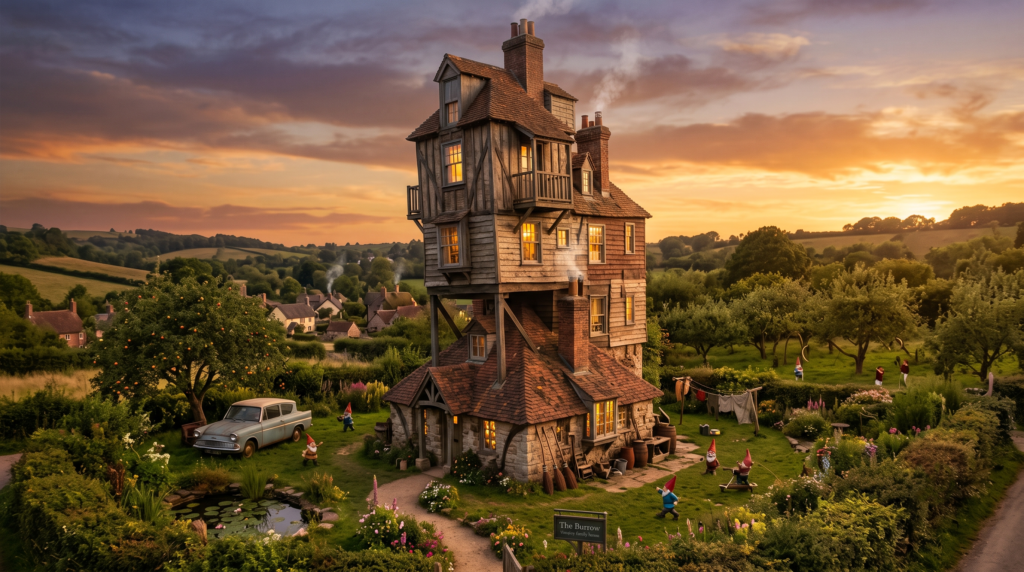
The Burrow is a testament to the fact that in the wizarding world, a home is not built with wealth, but with magic and necessity. Its very structure defies Muggle physics, standing as a proud rebellion against conventional architecture.
1. It Started as a Stone Pigpen
One of the most fascinating pieces of book canon is the humble origin of the Weasley residence. Before it became the towering, multi-story patchwork home fans know and love, the property consisted merely of a small Tudor building attached to a large stone pigpen.
When Arthur and Molly Weasley first married and started their family, they did not have the galleons to purchase a sprawling wizarding estate like Malfoy Manor. Instead, they settled into this modest structure. As their family rapidly expanded—eventually welcoming seven children (Bill, Charlie, Percy, Fred, George, Ron, and Ginny)—they simply built upwards. They added rooms onto the existing structure using salvaged materials and a heavy dose of magical reinforcement, resulting in the iconic, jumbled aesthetic that perfectly reflects the family’s resourcefulness and lack of pretension.
2. The Magic Holding the Six Stories Together
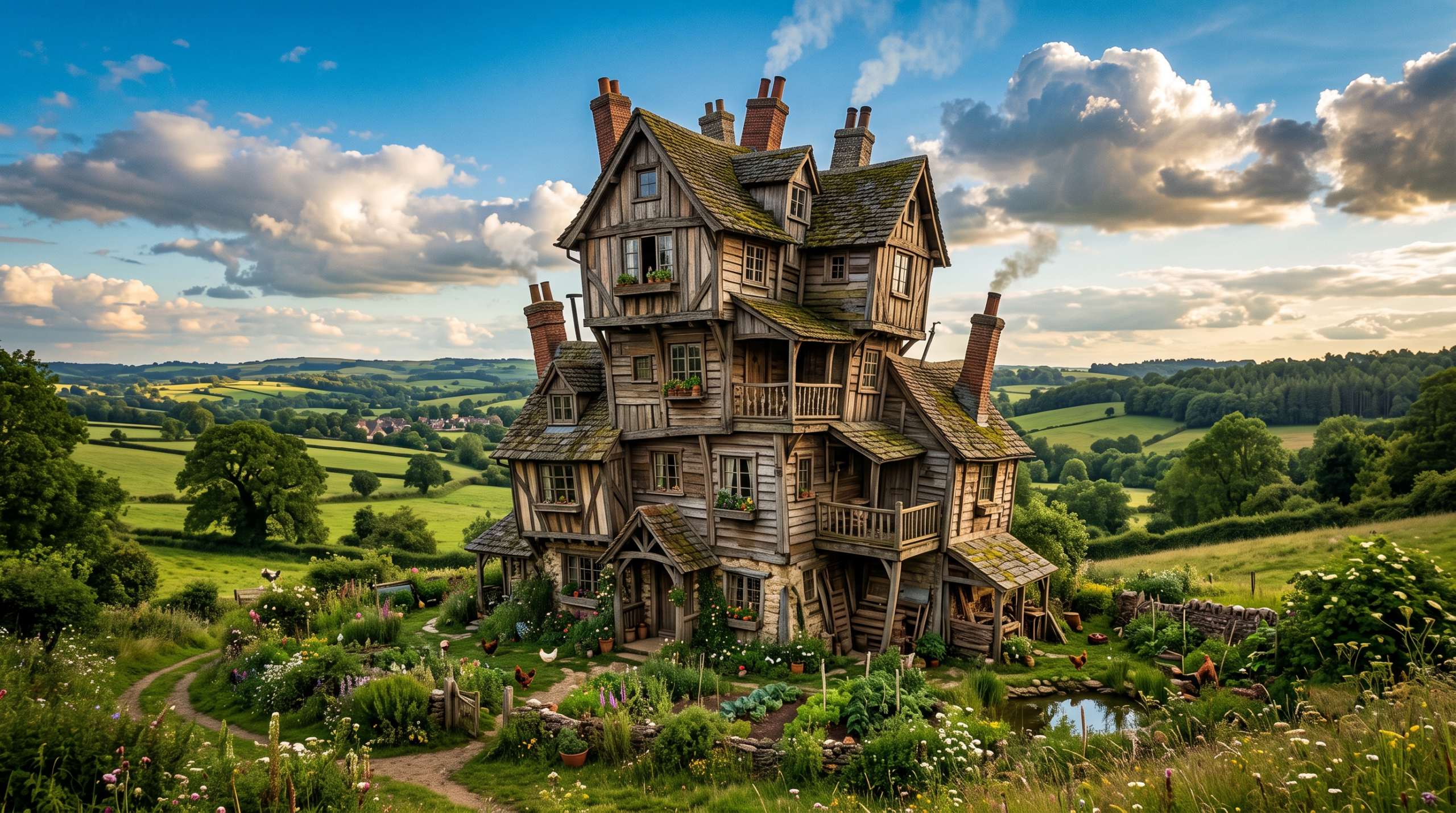
From the outside, the Burrow boasts an impossible silhouette. It features at least six distinct bedrooms, six crooked stories, and a crowded attic. If a Muggle building inspector were to look at it, they would condemn it immediately.
In Harry Potter and the Chamber of Secrets, it is explicitly stated that the house looks as though it is held up entirely by magic—and that is exactly the case. Without structural enchantments, the mismatched timber, extra chimneys, and jutting rooms would instantly collapse.
This magical structural integrity translated brilliantly to the big screen. Production designer Stuart Craig intentionally constructed the film sets with a complete lack of right angles. Every wall, doorframe, and support beam was built slightly off-kilter to emphasize that magic, not gravity or mortar, was the true foundation of the Weasley home.
 3. The True Mechanics of the Weasley Family Clock
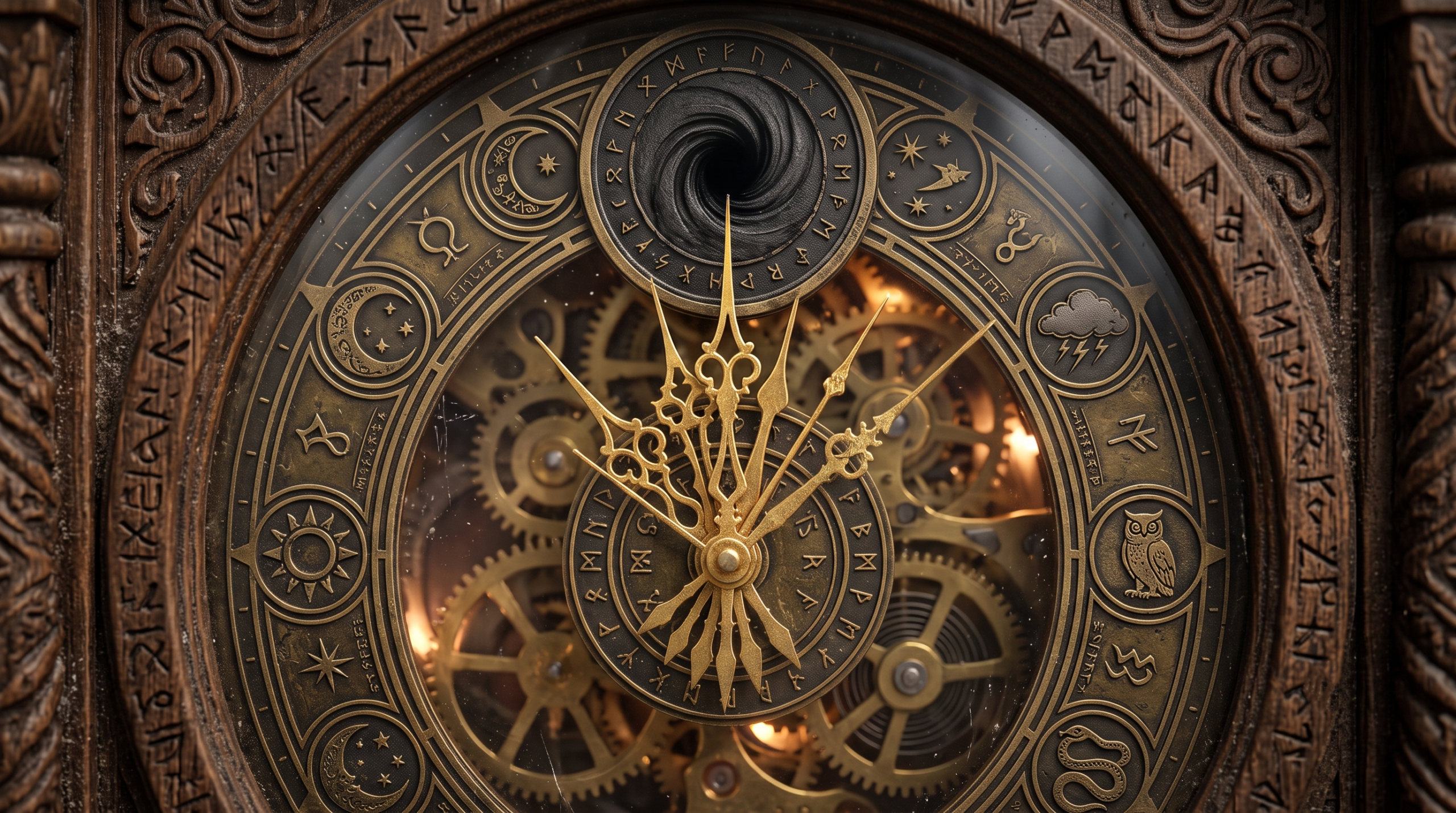
Perhaps the most famous artifact within the house is the Weasley family grandfather clock. Instead of telling the time, this deeply magical object tracks the whereabouts and wellbeing of every family member. With nine hands—one for each Weasley—it points to locations such as “Home,” “School,” “Work,” “Traveling,” “Lost,” “Hospital,” “Prison,” and the ominous “Mortal Peril.”
What many fans miss is the psychological weight this clock carries in the later books. In Harry Potter and the Half-Blood Prince, following the public return of Lord Voldemort, the clock undergoes a chilling transformation. All nine hands permanently point to “Mortal Peril.” Molly Weasley takes to carrying the clock around the house with her, a heartbreaking detail that underscores the constant, suffocating anxiety of the Second Wizarding War. It is a brilliant piece of world-building that turns a quirky magical item into an instrument of profound emotional tension.
 Section 2: Inside the Weasley Walls
Stepping through the front door of the Burrow reveals a space where magic is seamlessly integrated into domestic, everyday life. It is messy, loud, and bursting with character.
4. The Attic Ghoul’s Finest Hour
Living in the attic, directly above Ron’s bedroom, is the family’s resident ghoul. For years, the ghoul serves as little more than a noisy nuisance, groaning and banging on the pipes whenever the house becomes too quiet.
However, in Harry Potter and the Deathly Hallows, this forgotten creature becomes the linchpin of a brilliant survival strategy. When Ron leaves to hunt Horcruxes with Harry and Hermione, the Weasleys transfigure the ghoul to look like Ron. They dress him in Ron’s pajamas and spread the rumor that Ron is suffering from a highly contagious, severe case of Spattergroit. The ghoul’s natural groaning perfectly mimics a delirious, sick teenager, successfully fooling the Ministry of Magic inspectors and protecting the family from being arrested for treason.
5. Fred and George’s Explosive Bedroom
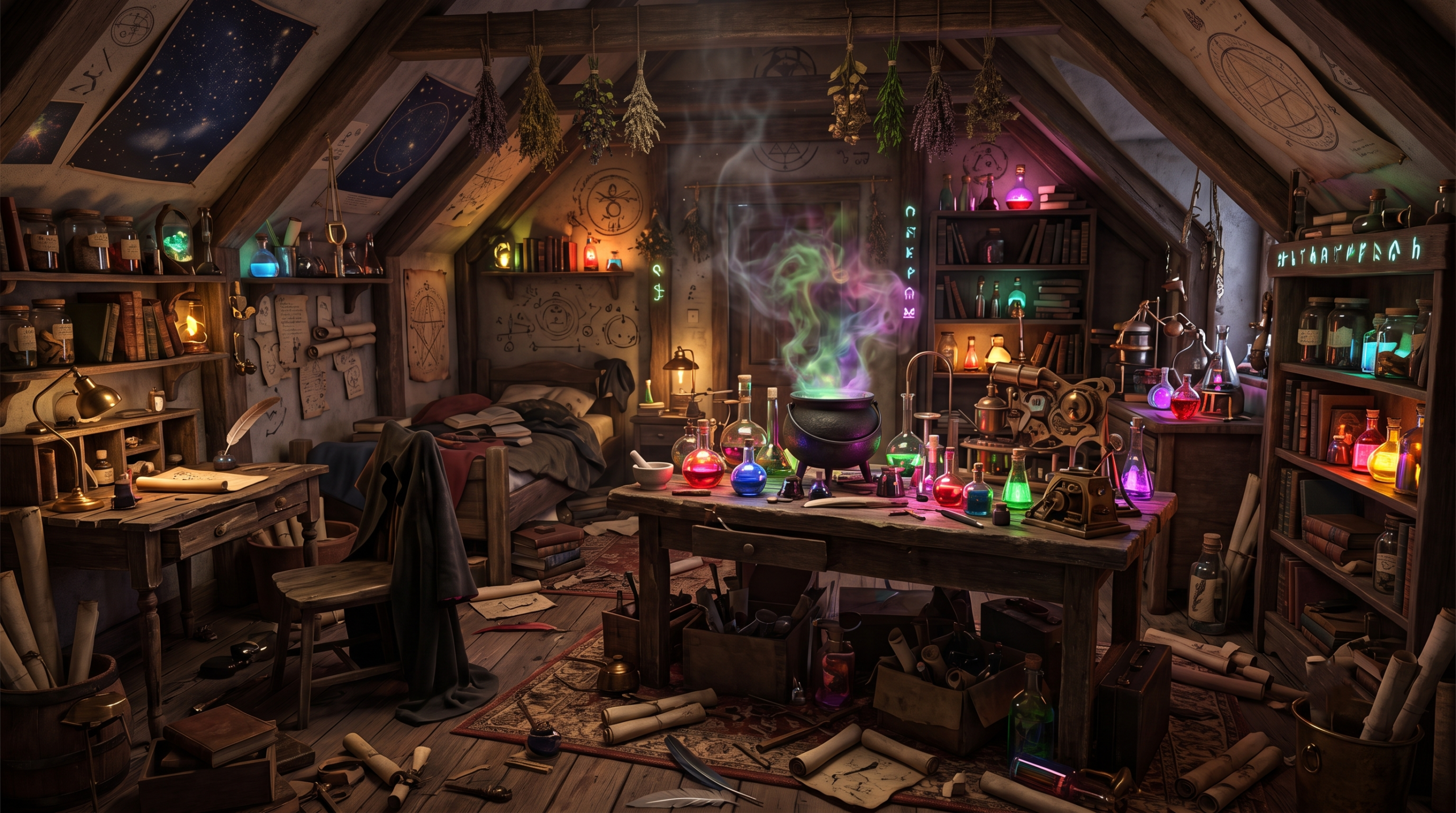
Situated on the second floor, the bedroom shared by the Weasley twins is a laboratory of chaos. Long before they opened their storefront in Diagon Alley, Fred and George used their room as the secret research and development headquarters for Weasleys’ Wizard Wheezes.
The lore of the books frequently mentions the lingering, acrid smell of gunpowder seeping from under their door. To the rest of the family, the sounds of small explosions, strange whirring noises, and sudden flashes of light were considered “perfectly normal.” This room is a testament to their hidden genius; beneath the guise of being academic underachievers, the twins were inventing highly complex magical formulas, charms, and potions right under their mother’s nose.
 6. The Hidden Kitchen Artifacts
The kitchen is the unquestionable heart of the Burrow, dominated by a large wooden table and the commanding presence of Molly Weasley. But the background details of this room are what make it truly magical.
Look closely at the bookshelves, and you will find Molly’s extensive collection of magical cookbooks, including titles like Charm Your Own Cheese, Baking with Magic, and One Minute Feasts—It’s Magic! The sink is permanently occupied by self-washing pots and pans, scrubbing themselves with enchanted brushes. In the corner sits a battered wooden wireless radio, frequently tuned to the Wizarding Wireless Network so Molly can listen to her favorite singer, Celestina Warbeck. These artifacts create a rich tapestry of magical domesticity that grounds the fantasy in a relatable reality.
Section 3: The Magical Grounds
The magic of the Weasley home extends far beyond its crooked walls. The surrounding property in the Devon countryside is a sprawling playground of wizarding secrets.
7. The Secret Orchard Quidditch Pitch
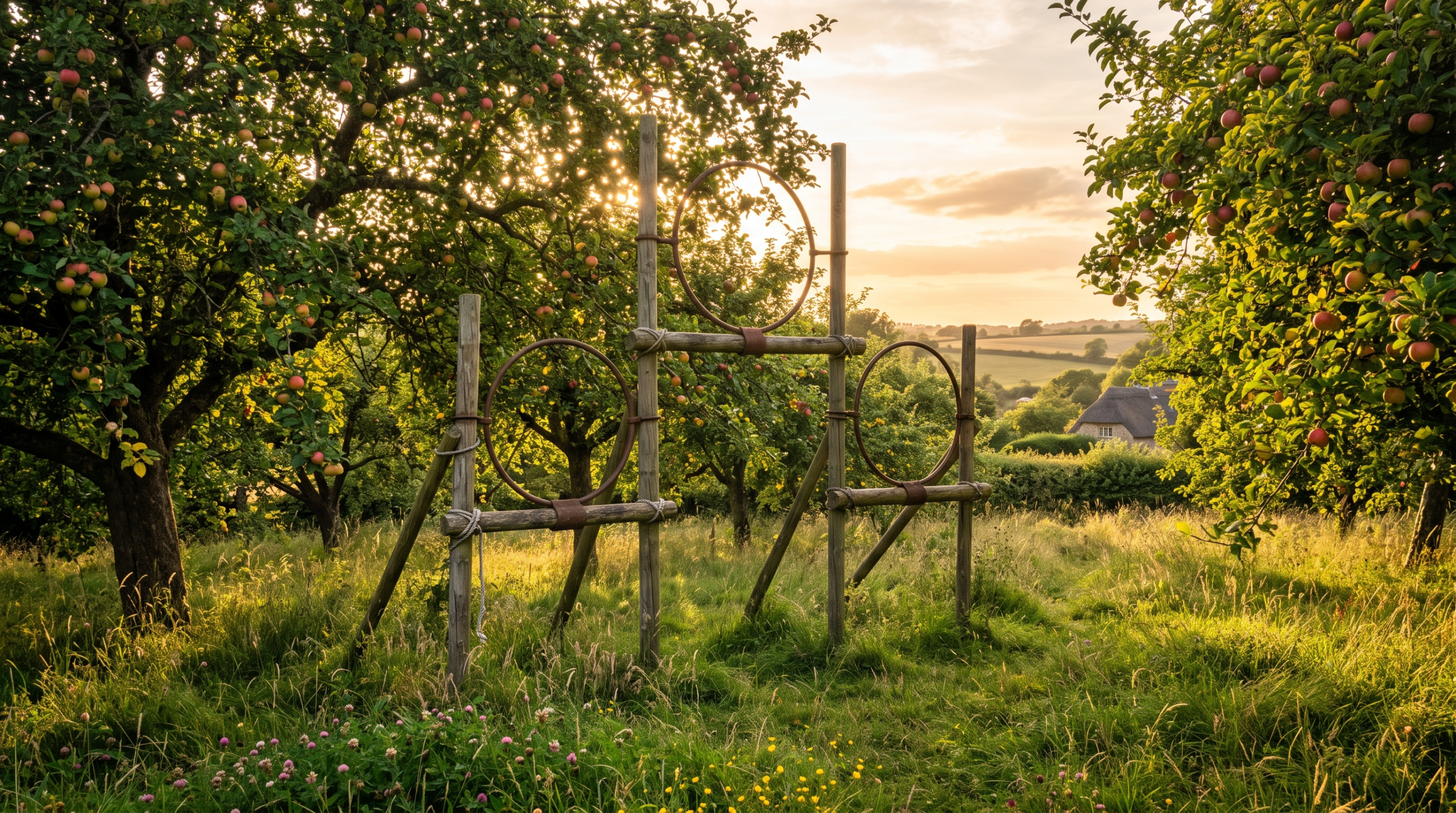
Because the Weasleys are a pure-blood family living near Muggles, they have to be incredibly careful about performing magic or flying in plain sight. To solve this, they utilize a large orchard tucked away up the hill from the main garden.
Surrounded by high trees that shield them from view, the Weasley children turned this space into a makeshift Quidditch pitch. They practiced their flying skills here for years, using apples as practice Snitches and throwing real Quaffles. Secretly, this is also where Ginny Weasley honed her incredible Quidditch skills. Since she was six years old, she would break into the family broom shed, steal her older brothers’ brooms, and practice in the orchard by herself—explaining her sudden, expert flying abilities in Order of the Phoenix.
 8. The Smelly Broomshed Interrogation
Off to the side of the garden sits a run-down, stone outhouse used to store the family’s Cleansweeps and Shooting Stars. It is described as smelling of damp earth and being infested with spiders.
While it seems insignificant, this shed is the setting for one of the most crucial, secretive conversations in the series. In Harry Potter and the Half-Blood Prince, before Albus Dumbledore brings Harry inside to meet the Weasleys, he pulls Harry into this dark, smelly shed. Here, surrounded by rusty cauldrons and old brooms, Dumbledore privately interrogates Harry about his feelings regarding the prophecy and Sirius Black’s death, emphasizing the extreme need for secrecy, even from the trusted Weasley family.
9. The Garden Gnomes’ Secret Ecosystem
Muggle garden gnomes are cheerful, ceramic lawn ornaments. Wizarding garden gnomes, however, are an entirely different breed. They are described in the books as looking like small, leathery potatoes with stubby legs and large, knobby heads.
“De-gnoming” the Burrow’s garden is a frequent chore. The process involves grabbing the gnomes by the ankles, swinging them in circles until they are dizzy, and tossing them over the hedge. What fans might not realize is the strange relationship the Weasleys have with these pests. The gnomes often sneak back into the garden simply because they enjoy the dizzying sensation of being thrown. During Bill and Fleur’s wedding in Deathly Hallows, Xenophilius Lovegood actually gets bitten by one, mistakenly believing it possesses magical properties.
10. The Famous Neighbors of Ottery St Catchpole
The Burrow is situated in the rolling hills of Devon, specifically near the fictional Muggle village of Ottery St Catchpole. But the Weasleys are not the only magical residents in the area. J.K. Rowling established this region as a quiet hub for wizarding families attempting to blend in.
Hidden away in the surrounding hills and valleys are several other notable families. The Diggorys (including Hufflepuff champion Cedric Diggory) live within walking distance, as do the Lovegoods (Luna and her father Xenophilius), who reside in a bizarre, rook-shaped house nearby. The Fawcetts are also local. This geographic cluster of magical families adds depth to the wizarding world, showing how magical communities discreetly weave themselves into the fabric of Muggle Britain.
Section 4: The Burrow on Screen vs. The Page
As with any major adaptation, translating the magic of a 700-page book onto the screen requires compromises. The cinematic portrayal of the Weasley home is visually stunning, but it introduces several stark differences from the established book canon. Understanding these differences is a rite of passage for dedicated fans.
| Feature | In the Harry Potter Books | In the Harry Potter Movies |
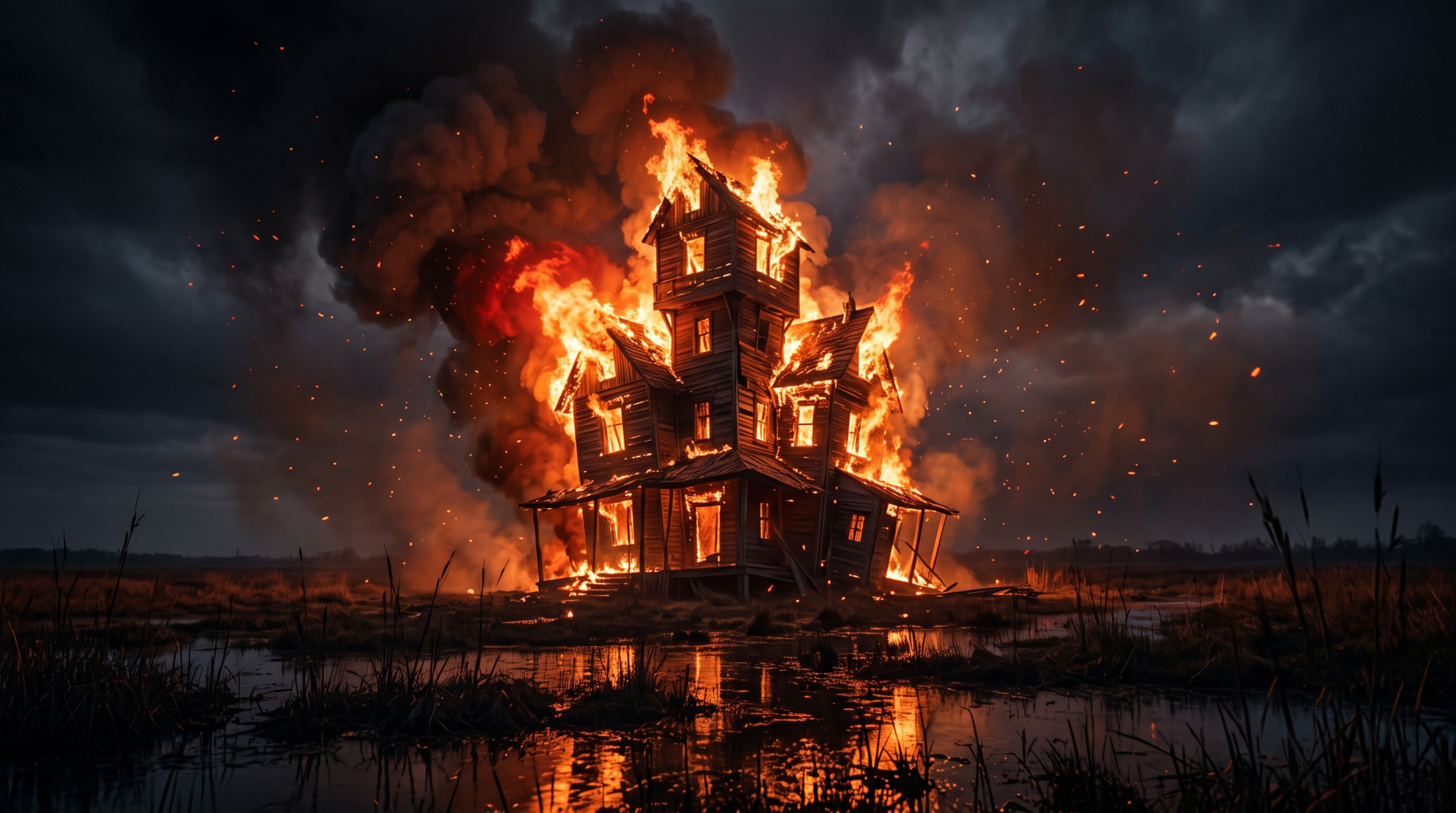
| The Christmas Fire | The Burrow is an impenetrable safe haven; it is never attacked, breached, or burned down by Bellatrix Lestrange or the Death Eaters during the holidays. | In a highly controversial scene in Half-Blood Prince, Bellatrix and Fenrir Greyback attack the Burrow at Christmas, burning it entirely to the ground. |
| Location and Surroundings | It is tucked away in a lush, green, rolling Devon valley with a large garden, high hedges, and a sprawling apple orchard. | It is placed in a bleak, flat, marshy wetland. Filmmakers did this to visually emphasize the family’s isolation and vulnerability in the later, darker films. |
| The Attic Ghoul | A permanent resident who plays a major, plot-critical role in hiding Ron’s absence during the Horcrux hunt in Book 7. | The ghoul is completely omitted from the cinematic universe, and Ron’s absence from Hogwarts is explained away by the general chaos of the war. |
The decision to burn down the Burrow in the sixth film remains one of the most hotly debated topics in the fandom. Director David Yates added the scene to inject action into the middle of the film, but book purists argue it undermines the powerful protective enchantments placed on the home by the Ministry of Magic and the Order of the Phoenix.
 Frequently Asked Questions (FAQ) About The Burrow
Where is the Burrow located in real life?
While Ottery St Catchpole is a fictional village, it is canonically located in the real-world county of Devon, England. If you want to visit the physical Burrow, you can’t find it in a field. The breathtaking, gravity-defying interior sets and exterior models were built at Leavesden Studios, which fans can now tour at the Warner Bros. Studio Tour London – The Making of Harry Potter.
Did the Burrow really burn down in the canon?
No. In J.K. Rowling’s original book canon, the Burrow never burns down. The Death Eaters do raid the house during Bill and Fleur’s wedding in The Deathly Hallows after the Ministry falls, but the physical structure of the house is left intact. The burning of the home was an invention purely for the movie adaptation of The Half-Blood Prince.
Who owns the Burrow after the Wizarding War?
Following the conclusion of the Second Wizarding War and the defeat of Lord Voldemort, Arthur and Molly Weasley return to their home. They repair any damage from the war and continue to live there. As their children marry and have children of their own, the Burrow returns to its true purpose: serving as a warm, chaotic, and loving gathering place for the massive, extended Weasley-Potter-Granger family during holidays and Sunday dinners.
When we examine the architectural quirks, the hidden artifacts, and the rich canon surrounding Harry Potter the Burrow, it becomes clear why this whimsical house is so universally beloved. It stands as a profound antithesis to the cold, sterile environment of the Dursleys’ home on Privet Drive, and a stark contrast to the dark, imposing grandeur of Malfoy Manor.
The Weasley home proves that magic is not just about wandwork, grand duels, or ancient prophecies; it is about the warmth of a self-knitted sweater, the chaotic noise of a crowded kitchen, and a family clock that ensures no one is ever truly lost. The Burrow is the ultimate safe haven, teaching readers and viewers alike that a home is made beautiful not by its pristine architecture, but by the people who fill it with love.