
Imagine stepping into the Room of Requirement during the Christmas season of 1995, the air thick with holiday cheer and twinkling decorations. Harry Potter finds himself alone amid the festive trimmings when a dreamy voice breaks the silence: “Mistletoe.” Luna Lovegood points upward, her wide eyes fixed on the white-berried cluster hovering just above Harry’s head. Startled, he jumps back. “Good thinking,” Luna says seriously. “It’s often infested with nargles.”
In that single, whimsical moment from Harry Potter and the Order of the Phoenix, J.K. Rowling introduces one of the series’ most puzzling and beloved mysteries: nargles Harry Potter fans have debated for years. What exactly are these invisible mischief-makers? Are they real magical creatures lurking in festive foliage, mischievous thieves responsible for lost belongings, or simply a charming product of Luna Lovegood’s extraordinary imagination? This question has captivated Potterheads since the book’s release, blending curiosity about the wizarding world’s hidden wonders with deeper reflections on belief, perception, and eccentricity.
In this comprehensive guide, we’ll dive deep into the canon facts, explore fan theories, analyze the Lovegood family’s unique worldview, and uncover why Nargles remain one of the most enduring enigmas in the Harry Potter universe. Whether you’re a longtime fan revisiting Luna’s scenes or a newcomer wondering why mistletoe suddenly feels suspicious, this article aims to provide the most thorough, insightful exploration available — far beyond basic wiki summaries.
Who First Introduced Nargles to the Wizarding World? Luna Lovegood’s Role
Luna Lovegood – The Dreamy Ravenclaw Who Believes in the Unseen
Luna Lovegood enters the series in Harry Potter and the Order of the Phoenix as a fourth-year Ravenclaw with a reputation that precedes her. Described by many students as “Loony Lovegood,” she reads The Quibbler upside down, wears radish earrings, and speaks in a soft, distant voice that often leaves others puzzled. Yet beneath her eccentric exterior lies a razor-sharp intelligence, unwavering kindness, and an unshakeable belief in things most wizards dismiss as nonsense.
Luna’s worldview stems from her upbringing. Raised by her father, Xenophilius Lovegood — editor of the alternative magazine The Quibbler — she grew up surrounded by stories of rare creatures, conspiracy theories, and phenomena ignored by mainstream wizarding society. This environment fostered her openness to the impossible, making her the perfect (and only) ambassador for creatures like Nargles.
The Iconic Mistletoe Scene in the Room of Requirement
The first canonical mention of Nargles occurs in Chapter 21 of Order of the Phoenix. Harry, seeking solitude, enters the Room of Requirement and discovers it transformed into a festive wonderland. Luna appears, barefoot and serene, pointing out the mistletoe. When Harry instinctively steps away, she approves: “Good thinking… It’s often infested with Nargles.”
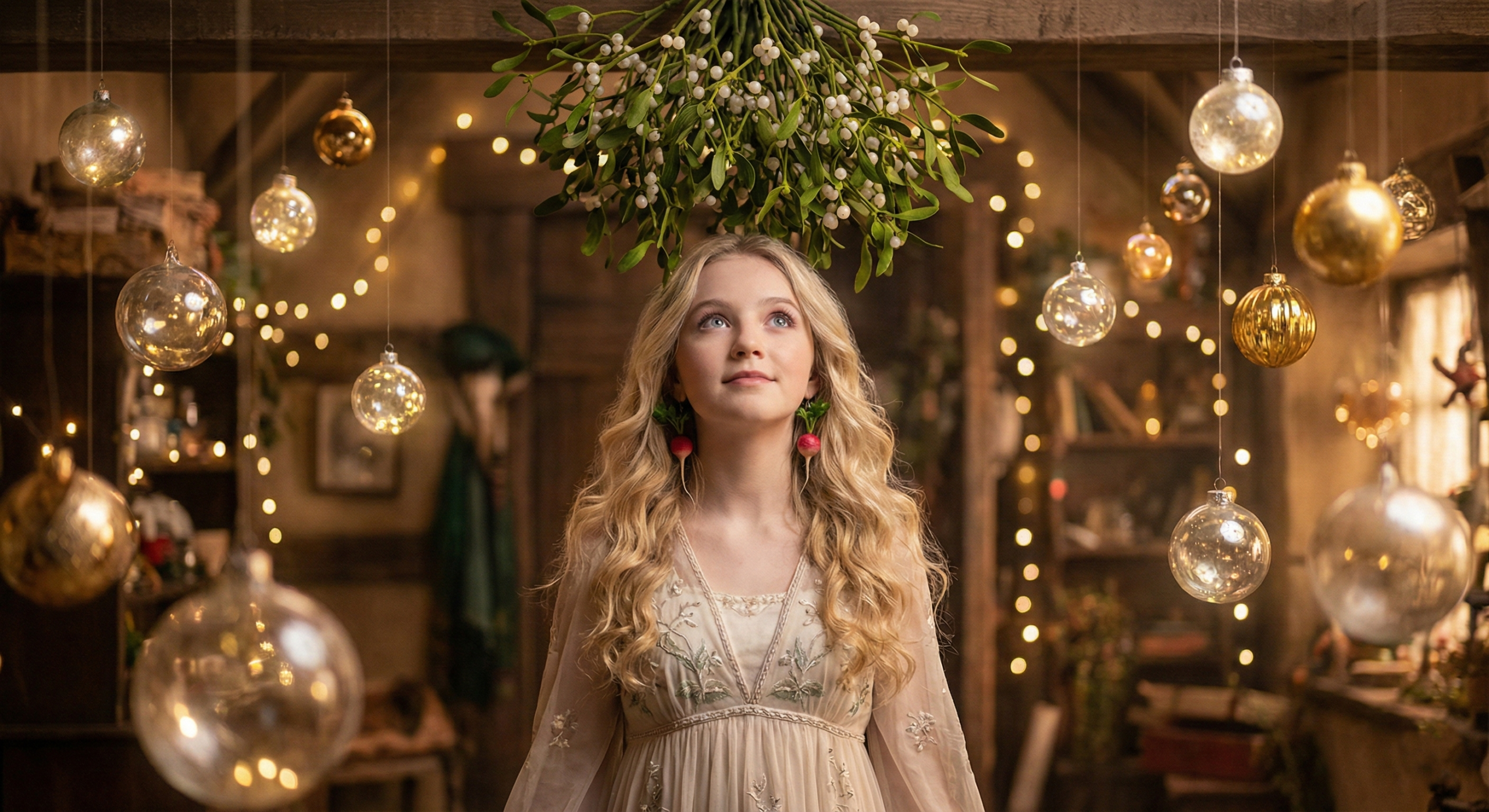 This brief exchange is packed with charm. Luna doesn’t explain further — she simply accepts the creatures as fact, much like she accepts Harry’s scar or the return of Voldemort. Later in the same book, during a tense moment with Cho Chang under more mistletoe, Harry nervously blurts, “It’s probably full of Nargles, though.” When Cho asks what they are, he admits, “No idea. You’d have to ask Loony — Luna, I mean.” The moment highlights how Luna’s influence has already seeped into Harry’s thinking, turning an awkward situation into a lighthearted one.
In the film adaptation, Evanna Lynch’s portrayal adds visual whimsy — Luna’s serene delivery makes the warning feel both absurd and oddly convincing.
Nargles and Luna’s Protective Charms
Luna doesn’t just believe in Nargles; she takes practical steps to defend against them. Her signature Butterbeer cork necklace, she explains early in Order of the Phoenix, “keeps away the Nargles.” She also wears radish earrings (Dirigible plums, according to some interpretations) as additional wards against invisible threats.
These accessories serve dual purposes in the narrative. On the surface, they mark Luna as eccentric. Deeper down, they symbolize her resilience — a quiet rebellion against bullies who steal her belongings and mock her beliefs. When items like her shoes or beetle-wing earrings go missing, Luna initially blames Nargles, only to later acknowledge (in Order of the Phoenix) that classmates are responsible. This moment of self-awareness adds nuance: Luna’s faith in the unseen doesn’t blind her to real-world cruelty.
 What Do We Actually Know About Nargles from Canon?
Despite their memorable introduction, the amount of concrete information J.K. Rowling provides about Nargles is surprisingly — and deliberately — sparse. This scarcity is part of what makes them so fascinating.
Physical Description and Behavior (Or Lack Thereof)
Nargles are never seen, heard, smelled, or touched by any character in the series. The only descriptors we have come indirectly through Luna:
- They are invisible
- They infest mistletoe
- They are responsible (according to Luna) for stealing small personal items such as shoes, quills, and other belongings
No Ministry classification exists in any known magical bestiary. They do not appear in Fantastic Beasts and Where to Find Them (either the original textbook or the later film series). Newt Scamander, the preeminent magizoologist of the era, makes no mention of them. This absence from official records is significant — most magical creatures, even obscure ones, receive at least a passing reference in wizarding literature.
Their supposed behavior mirrors common childhood excuses for lost items (“The dog ate my homework”), but elevated to a magical plane. The connection to mistletoe adds a layer of romantic comedy: the plant traditionally associated with kissing becomes a potential hazard zone due to invisible pests.
Key Mentions Across the Series
Nargles appear explicitly only twice in the seven-book canon:
- The Room of Requirement mistletoe scene (Order of the Phoenix, Chapter 21)
- Harry’s nervous reference to them when standing under mistletoe with Cho Chang (Order of the Phoenix, Chapter 21)
They are mentioned a handful of additional times in passing:
- Luna’s Butterbeer cork necklace is worn “to keep away the Nargles”
- When Luna’s possessions are repeatedly stolen by other students, she initially attributes the disappearances to Nargles (before later admitting, with gentle sadness, that “people” are responsible)
In Harry Potter and the Deathly Hallows, Nargles are not mentioned again, even during Luna’s imprisonment at Malfoy Manor or her time at Shell Cottage. Their absence in the final book suggests they were a fifth-year quirk rather than a lifelong fixation.
Nargles in the Harry Potter Films vs. Books
The films handle Nargles with characteristic restraint. Evanna Lynch delivers her lines about mistletoe and Nargles with perfect dreamy sincerity, but the movies never attempt to visualize the creatures themselves — a wise choice that preserves the mystery.
Interestingly, the films do introduce visual representations of other invisible creatures Luna mentions, most notably Wrackspurts (seen as swarming, glowing insects that enter people’s ears and cloud their brains). This cinematic choice has led many casual viewers to assume Nargles might have a similar ethereal appearance, even though no such depiction exists in canon.
The films thus amplify the whimsical atmosphere surrounding Luna without resolving the central question — an artistic decision that mirrors the books’ approach.
Are Nargles Real? The Great Debate Among Potter Fans
Perhaps no other element of the Harry Potter series inspires as much spirited debate in fan communities as the ontological status of Nargles. The question has divided forums, Discord servers, Reddit threads, and Tumblr tags for two decades.
Evidence They Might Be Real
Several arguments support the possibility that Nargles exist, even if unseen:
- The wizarding world is full of creatures visible only under specific conditions (Thestrals, Demiguises in certain states, certain ghosts to certain people)
- Luna demonstrates occasional uncanny intuition and insight throughout the series — she correctly predicts the return of Sirius, understands thestrals immediately, and grasps truths others miss
- Xenophilius Lovegood publishes articles about creatures later proven real or plausible (the Deathly Hallows themselves began as “crackpot” legend)
- Mistletoe is a symbolically loaded plant in both Muggle and wizarding folklore — associating it with an invisible force fits Rowling’s pattern of re-enchanting traditional symbols
Evidence They Are Imaginary or Metaphorical
The counterarguments are equally compelling:
- No character besides Luna ever claims to have seen, heard, or been affected by Nargles
- Luna herself eventually acknowledges that her stolen possessions were taken by human classmates, not magical creatures
- The wizarding world’s educational and scientific institutions (Hogwarts, the Ministry, magizoologists) show no awareness of Nargles
- Many of Luna’s other beliefs (Heliopaths, Crumple-Horned Snorkacks) remain unconfirmed by the end of the series
- Thematically, Luna’s belief in Nargles serves as a coping mechanism for profound childhood trauma (her mother’s death) and adolescent bullying
Symbolic Interpretations – Nargles as a Metaphor
The strongest scholarly and fan consensus falls here: Nargles function primarily as metaphor rather than as literal creatures.
Popular symbolic readings include:
- Mischief in relationships — mistletoe is the plant of forced or awkward kisses; Nargles become the invisible force that disrupts romantic moments
- Theft of agency — lost belongings represent the way bullying and social exclusion steal pieces of one’s identity
- Neurodiversity and different perception — Luna’s belief in Nargles represents a neurodivergent way of seeing the world that is neither wrong nor delusional, but simply different
- Open-mindedness vs. cynicism — believing in Nargles is an act of faith in wonder, even when evidence is lacking
 The Lovegood Family Legacy – Xenophilius and The Quibbler Connection
No discussion of Nargles would be complete without examining their most likely origin point: the Lovegood household and the pages of The Quibbler.
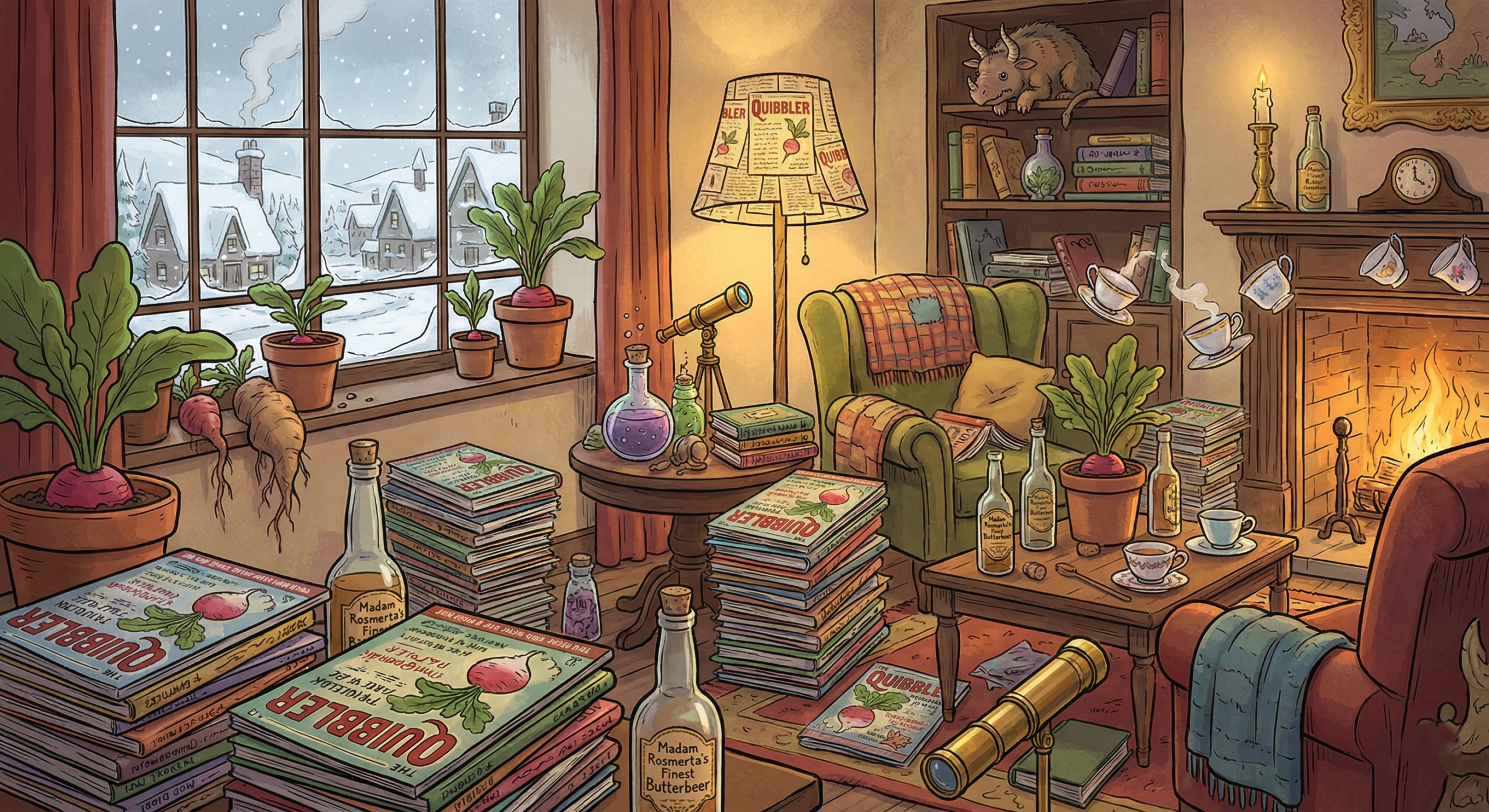
Xenophilius Lovegood, Luna’s father, runs a publication that proudly positions itself outside the boundaries of mainstream wizarding journalism. While the Daily Prophet chases Ministry-approved headlines, The Quibbler publishes articles on such topics as:
- The alleged existence of Heliopaths (fiery spirit horses)
- The possibility that Cornelius Fudge is part goblin
- The mating habits of the Crumple-Horned Snorkack
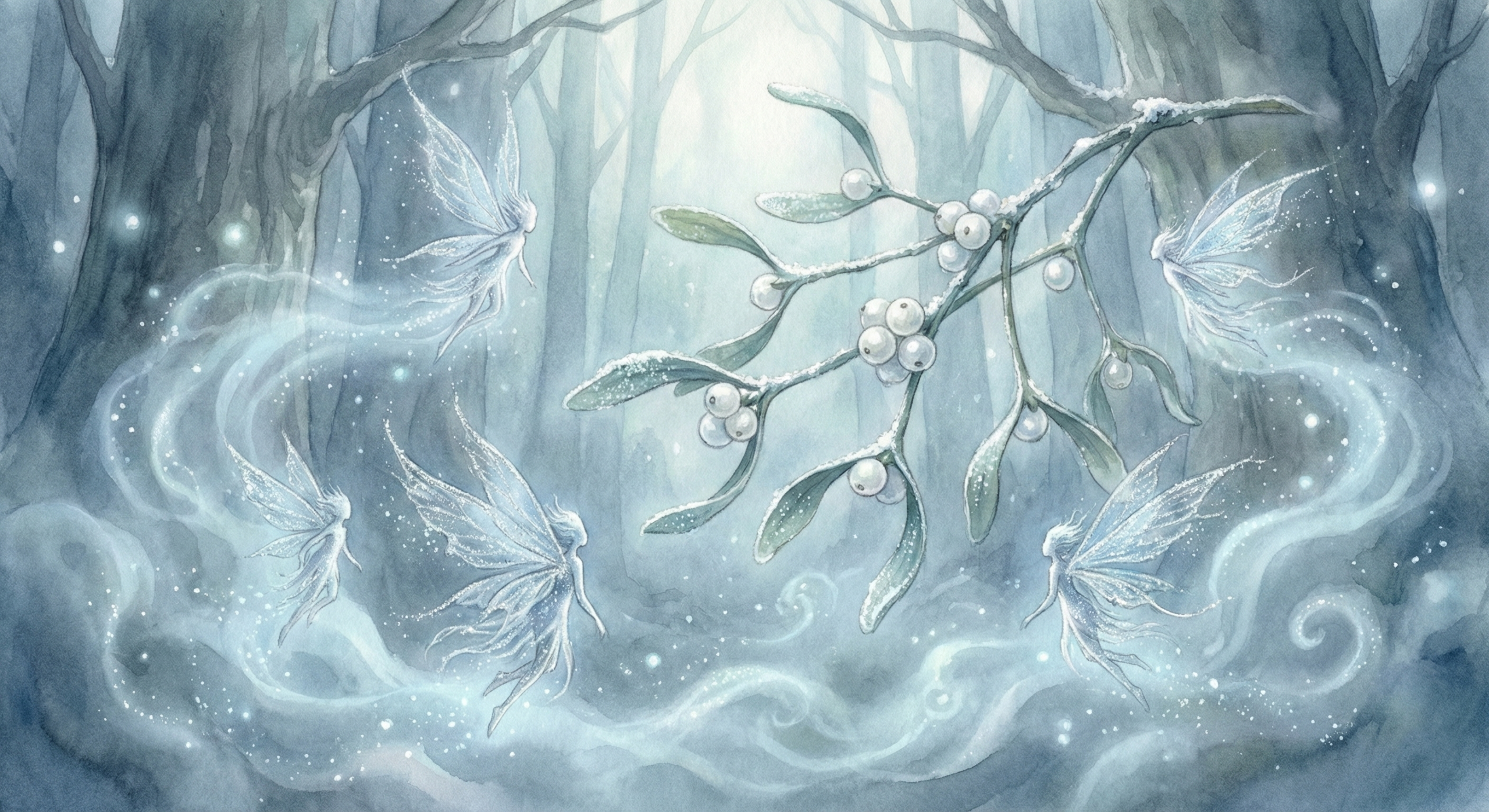
- And, presumably, the ecology and behavior of mistletoe-dwelling Nargles
 In Deathly Hallows, we learn that Xenophilius’s more fantastical claims sometimes contain kernels of truth. The story of the Deathly Hallows — long dismissed as children’s fairy tale nonsense by most of the wizarding world — turns out to be grounded in historical reality.
This pattern suggests an important possibility: many of the creatures featured in The Quibbler may be real, just misunderstood, extremely rare, or perceptible only under very specific circumstances. Nargles could easily fall into this category — too elusive for conventional magizoology, too minor to warrant serious study, yet genuinely present in the wizarding ecosystem.
Luna’s unwavering belief in her father’s work isn’t blind faith. It’s a continuation of a family tradition that values wonder, skepticism toward authority, and openness to the unexplained. In that sense, Nargles are as much a Lovegood family heirloom as Luna’s radish earrings or her mother’s old butterbeer-cork necklace.
Why Nargles Matter – Deeper Themes in Harry Potter
At first glance, Nargles appear to be comic relief — a quirky detail meant to highlight Luna’s oddness. Yet a closer reading reveals they serve several sophisticated narrative purposes.
Belief, Perception, and Magic
The Harry Potter series repeatedly explores how belief shapes reality:
- Thestrals are invisible to those who haven’t witnessed death
- Boggarts take the shape of one’s deepest fear
- The Mirror of Erised shows only what the viewer most desires
Luna’s belief in Nargles fits perfectly into this pattern. Whether or not the creatures physically exist, her faith in them is real — and that faith gives her strength, comfort, and a unique lens through which to view the world.
Luna Lovegood as a Symbol of Acceptance
Luna is bullied relentlessly throughout Order of the Phoenix. Her belongings are hidden, her nickname “Loony” is used openly, and she is generally treated as an outcast. Yet she never wavers in her kindness or her convictions.
By believing in Nargles (and other “ridiculous” creatures), Luna models radical acceptance — both of herself and of the world’s strangeness. In a series that celebrates friendship across differences, Luna stands as one of the purest embodiments of that theme.
Nargles in Pop Culture and Fandom
Outside the books, Nargles have enjoyed surprising longevity:
- “I blame the Nargles” has become a popular meme and catchphrase among Potter fans
- Butterbeer-cork necklaces and radish-earring replicas are staples at conventions and Etsy shops
- The phrase appears in fanfiction, cosplay descriptions, and even official Wizarding World merchandise from time to time
Their staying power speaks to something deeper: in a world that often demands certainty and evidence, Nargles represent the joy of believing in the impossible — and the quiet rebellion of holding onto wonder.
How to Protect Yourself from Nargles (Fun & Practical Tips for Fans)
While we may never know for certain whether Nargles are real, that doesn’t mean you can’t adopt Luna’s precautionary measures — if only for the fun of it.
Here are some lighthearted, Luna-inspired tips:
- Wear protective accessories Craft (or purchase) a Butterbeer cork necklace. Bonus points for authenticity if you can source real corks from butterbeer bottles sold at theme parks.
- Be cautious around mistletoe Next holiday season, give those decorative sprigs a suspicious side-eye. You never know when a Nargle might be lurking.
- Keep an eye on your belongings If your left sock mysteriously vanishes from the dryer, whisper “Nargles” with a knowing smile before blaming the laundry gremlins.
- Cultivate a Luna mindset The best defense against Nargles isn’t cork jewelry — it’s staying open to wonder, treating eccentric ideas with respect, and refusing to let cynicism steal your sense of magic.
 Frequently Asked Questions About Nargles
What do Nargles look like? No one knows. They are described only as invisible, so any artistic depiction (glowing orbs, tiny fairies, etc.) is pure fan imagination.
Do Nargles exist outside of Luna’s imagination? Canon leaves the question deliberately unanswered — the perfect ambiguous magical mystery.
Why does Luna believe in Nargles? Most likely a combination of her father’s influence, childhood wonder, and a gentle coping mechanism for grief and bullying.
Are Nargles mentioned in Fantastic Beasts or other extended canon? No. They remain exclusive to Luna’s dialogue in the main Harry Potter series.
What’s the connection between Nargles and mistletoe kisses? Thematically, Nargles add a layer of whimsical danger to a plant already loaded with romantic tension — perfect for awkward teenage moments.
Could Nargles be some kind of pest like Bowtruckles or Nifflers? Possible, but unlikely. Bowtruckles and Nifflers are visible, documented, and classified. Nargles’ total invisibility sets them apart.
Nargles may never be officially classified, photographed, or studied — and perhaps that’s exactly as it should be. Their greatest power lies not in their existence (or lack thereof), but in what they represent: the courage to believe in things unseen, the refusal to let the world’s cynicism dim your inner light, and the quiet magic of staying open to wonder even when others laugh.
Luna Lovegood never needed proof to love the impossible. In a world that too often demands evidence before belief, she simply chose to see the Nargles — and in doing so, reminded us all that sometimes the most real things are the ones no one else can see.
So the next time you stand under mistletoe, lose a sock, or feel the world dismissing something you hold dear… smile softly, whisper “Nargles,” and carry on being unapologetically yourself.
After all — it’s often infested.