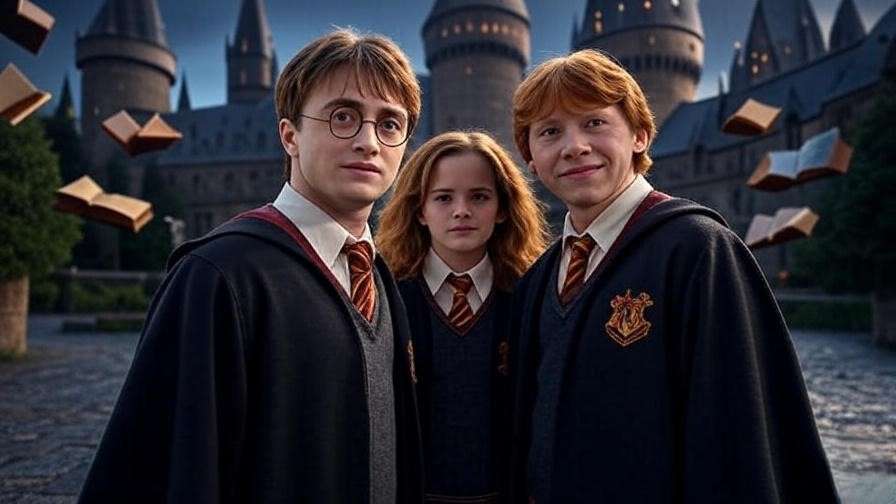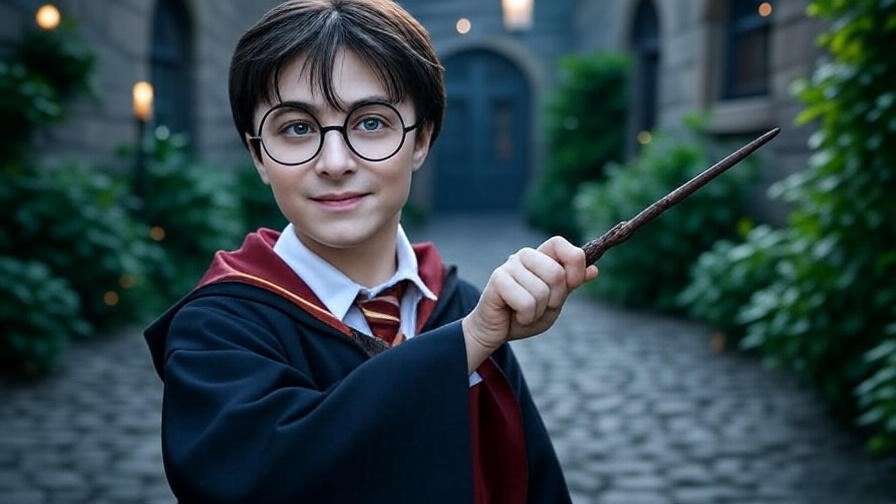
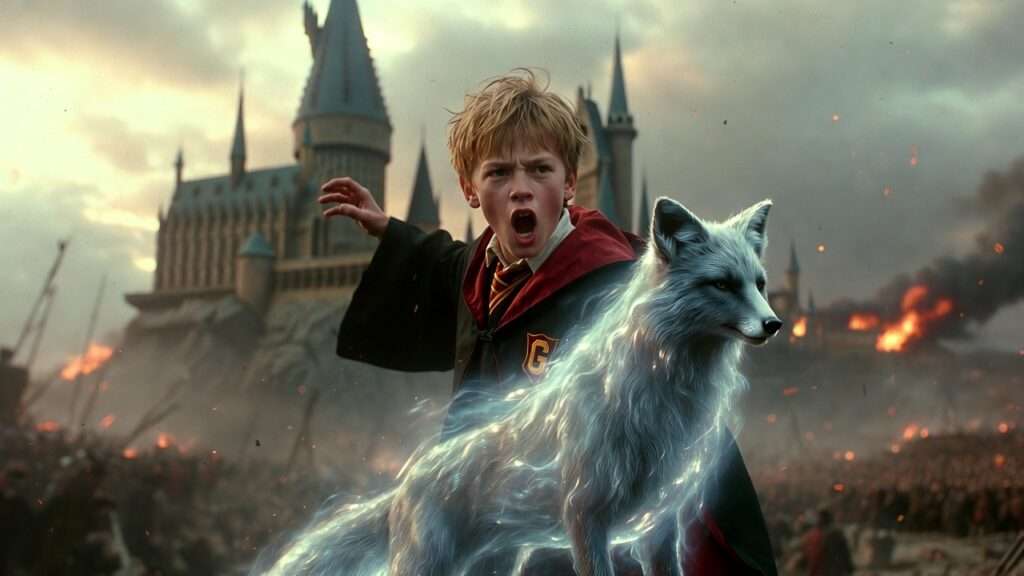
Picture this: A wide-eyed first-year Gryffindor waves his wand in Charms class, only for his feather to burst into flames, singeing his eyebrows and filling the room with smoke. Fast-forward seven years, and that same boy stands amid the chaos of the Battle of Hogwarts, conjuring a gleaming silver fox Patronus to fend off swarms of Dementors, destroying a vital bridge with controlled blasts, and fighting alongside his friends to protect the school he loves. This is Harry Potter Seamus Finnigan — the Irish half-blood wizard whose journey from accidental pyromaniac to steadfast hero captures the very essence of what makes the Harry Potter series timeless.
Too often dismissed as mere comic relief — especially in the films, where his “explosions” became a running gag — Seamus represents something far deeper. He embodies everyday growth, the struggle against misinformation, family loyalty clashing with personal conviction, and the quiet bravery of ordinary students caught in an extraordinary war. In a franchise filled with chosen ones, prodigies, and tragic backstories, Seamus Finnigan stands out as relatable: flawed, redeemable, and ultimately heroic.
Drawing from the original books by J.K. Rowling, official Wizarding World insights, film adaptations, and years of fan analysis (including discussions on platforms like Reddit and articles from Wizarding World itself), this comprehensive guide explores why Seamus deserves reevaluation. Whether you’re revisiting the series, preparing for the upcoming HBO adaptation, or simply curious about overlooked characters, you’ll discover layers to Seamus that go beyond the “guy who blows things up” trope. Let’s give this underrated Gryffindor the appreciation he has long earned.
Who Is Seamus Finnigan? The Basics
Seamus Finnigan, born around 1980 in Ireland, is a half-blood wizard whose life straddles the Muggle and magical worlds. His mother is a witch, his father a Muggle — a detail revealed casually in his first year at Hogwarts but carrying significant emotional weight. Sorted into Gryffindor after the Sorting Hat pondered for nearly a full minute (a clue to his multifaceted personality), Seamus shares a dormitory with Harry Potter, Ron Weasley, Neville Longbottom, and his best friend Dean Thomas.
Physically, the books describe him with sandy hair and an easy-going, good-natured vibe, often punctuated by his thick Irish accent. He arrives at Hogwarts excited about the magical world, particularly Quidditch — he’s a lifelong fan of the Irish national team and likely supports local sides like Kenmare Kestrels. His wand work shines in Charms, where he earns a high O.W.L. score and continues to N.E.W.T. level, mastering spells like Aguamenti and the advanced Patronus Charm.
Seamus isn’t a spotlight character like the Golden Trio, but his presence in the Gryffindor common room makes him integral to the “everyday Hogwarts” experience. His traits — enthusiasm, loyalty, and a touch of clumsiness — make him one of the most human figures in the series.
Seamus Finnigan’s Family: The Ultimate “Nasty Shock”
Seamus’s family background provides one of the series’ most understated yet poignant insights into half-blood life. As he explains over dinner in his first year: “I’m half and half. Me dad’s a Muggle. Mam didn’t tell him she was a witch ’til after they were married. It was a nasty shock for him.”
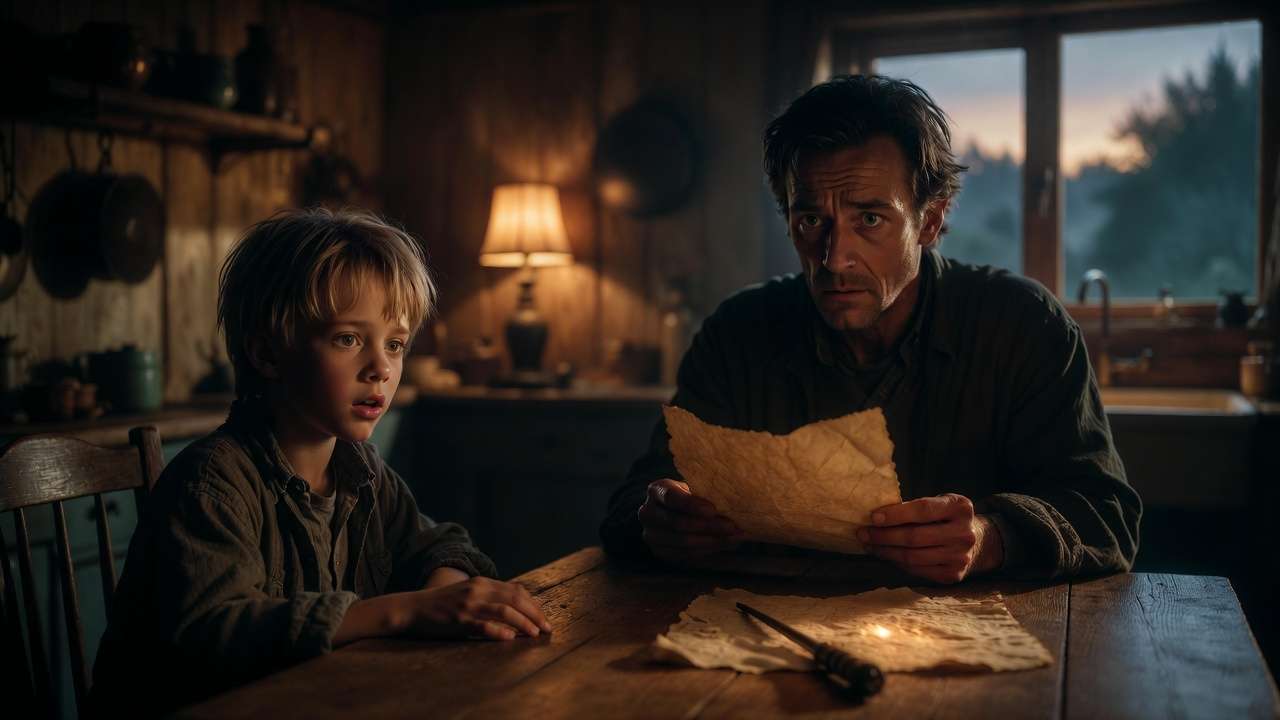 This revelation — delivered so matter-of-factly — hints at deeper family dynamics. His mother’s secrecy about her magic suggests a desire to protect her relationship or avoid prejudice, while his father’s acceptance (despite the shock) shows adaptability and love. Unlike Harry’s orphanhood or Hermione’s Muggle-born excitement, Seamus grows up in a mixed household, navigating two worlds from childhood.
The “nasty shock” line echoes broader themes of identity and prejudice in the Wizarding World. It contrasts with pure-blood elitism, showing how half-bloods like Seamus bridge divides. His Irish heritage adds cultural flavor — fans often tie his fox Patronus to Celtic folklore, where foxes symbolize cunning and survival. This background fuels his eventual defiance of his mother’s views, highlighting personal conviction over familial pressure.
Seamus in the Early Years: More Than Just Explosions
Seamus’s early Hogwarts years showcase promise beneath the mishaps. In Philosopher’s Stone, he assists Harry during the giant wizard’s chess battle, demonstrating quick thinking and teamwork. He’s thrilled by Quidditch, charms lessons, and the wonders of magic — though his first Wingardium Leviosa attempt ignites his feather (a single incident in the books).
Book vs. Movie Differences
The films significantly amplify Seamus’s explosive reputation for comedic effect. In the books, mishaps are minimal: one feather incident, perhaps implied others. The movies expand this into a signature trait — exploding goblets, singed eyebrows, cauldrons ablaze, and Professor McGonagall’s film-only line about his “particular proclivity for pyrotechnics.” This shift turns him into comic relief, emphasizing his accent and clumsiness over competence.
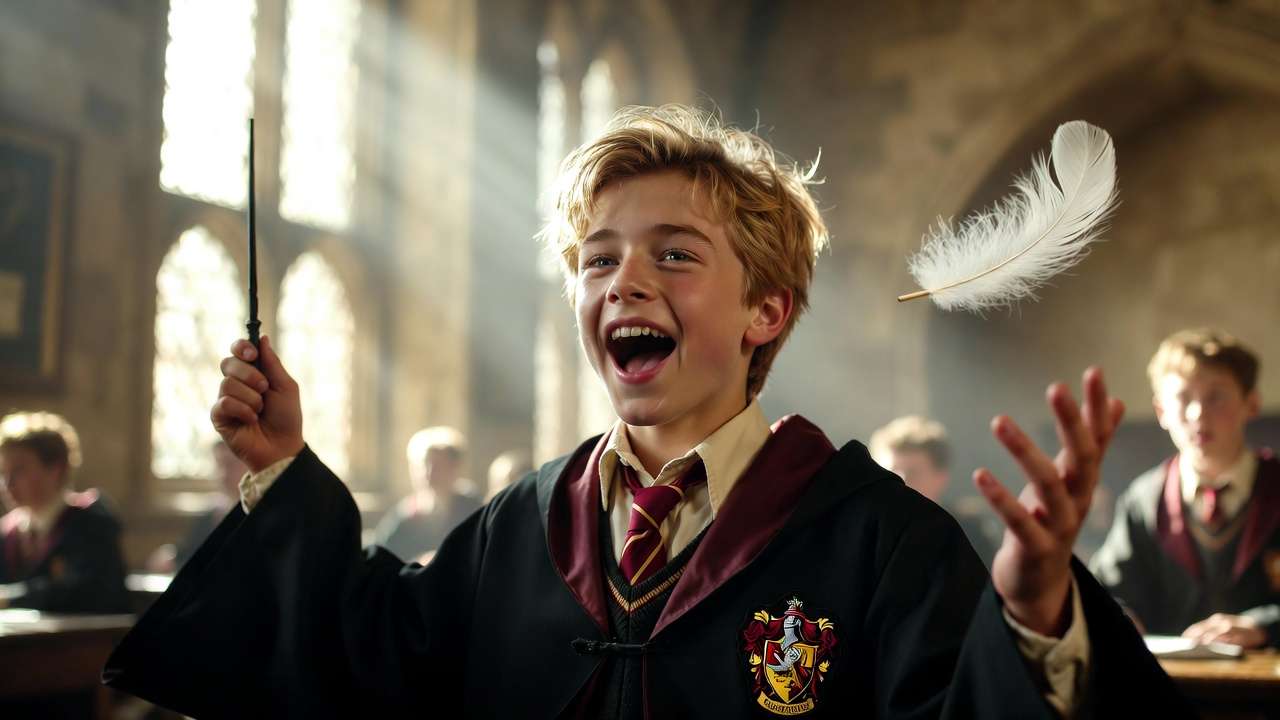 In canon, Seamus is skilled: high Charms marks, successful Aguamenti casting, and mastery of the Patronus Charm. His early portrayal shows a supportive, enthusiastic friend — not a perpetual disaster.
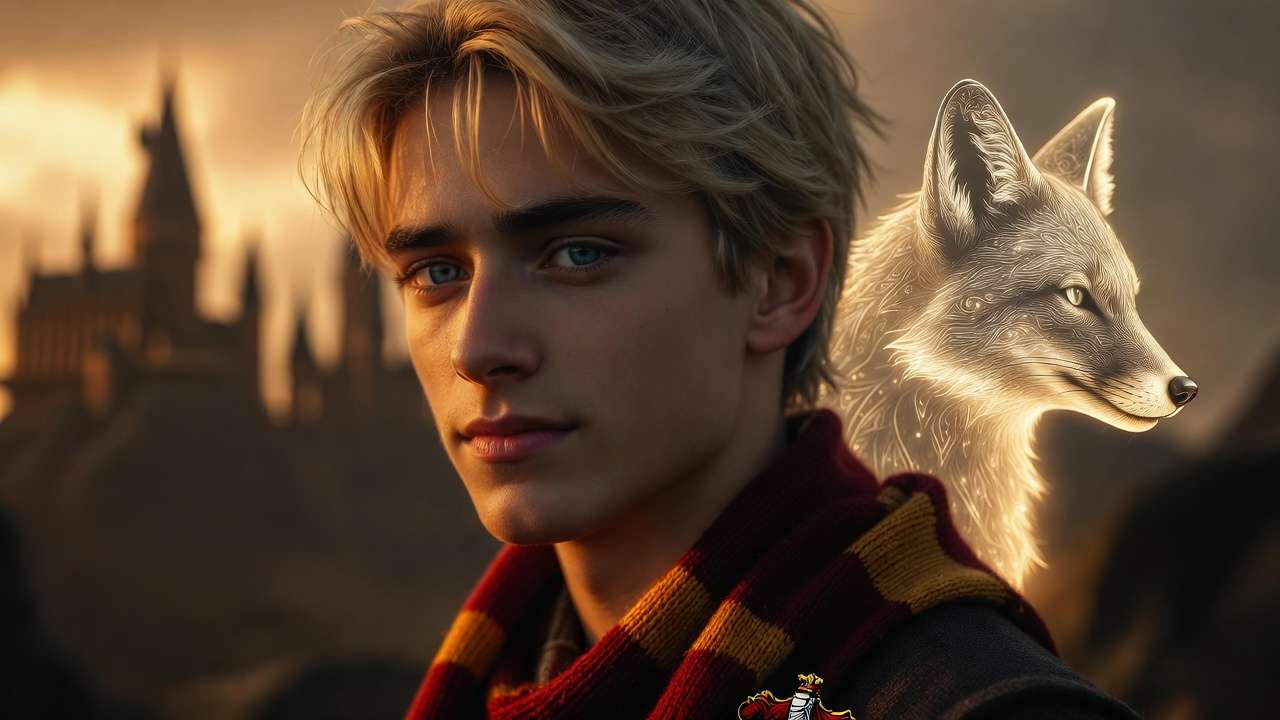
His Patronus, a fox, perfectly fits. As Wizarding World notes, foxes symbolize cunning, stealth, and adaptability — thriving in any environment. In Irish lore, they represent cleverness and resilience, aligning with Seamus’s heritage and growth from doubt to heroism.
The Turning Point: Doubt, Conflict, and Redemption in Order of the Phoenix
Seamus reaches his lowest point in Order of the Phoenix. Influenced by his mother’s trust in the Daily Prophet’s anti-Harry propaganda, he doubts Voldemort’s return. This sparks a heated dorm confrontation where he accuses Harry of lying for attention — a painful moment given their shared history.
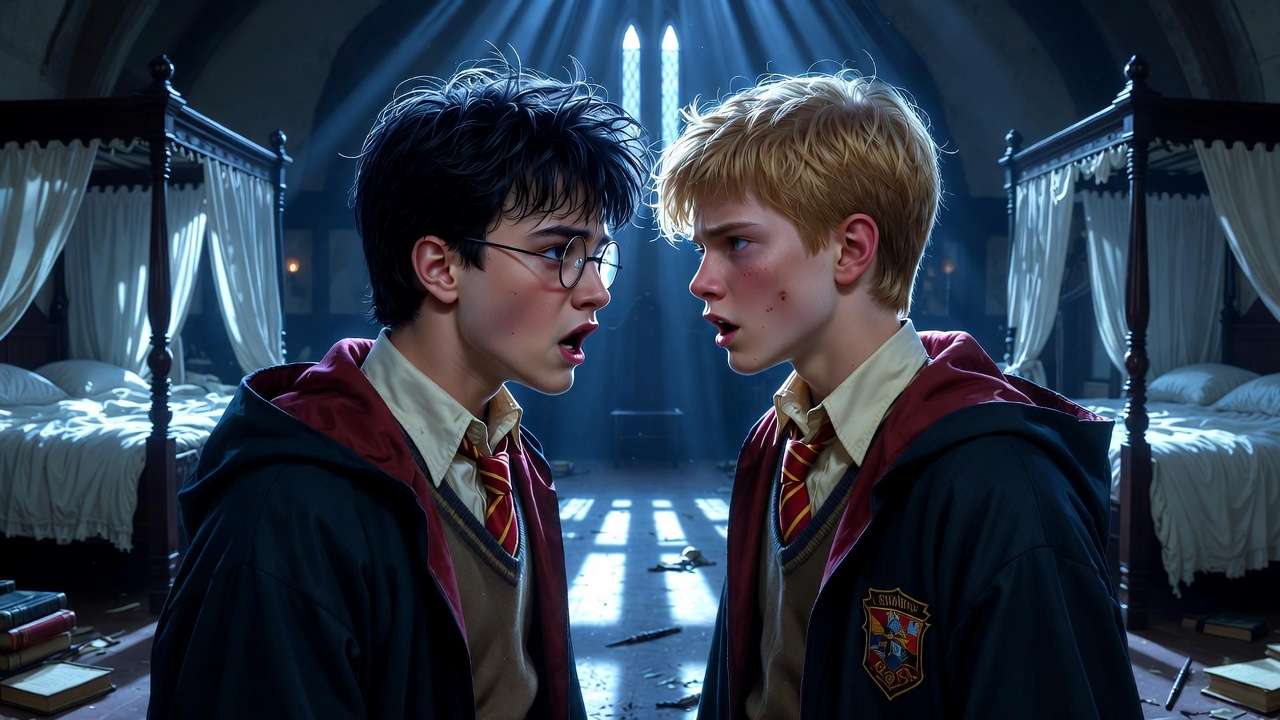 The argument isn’t villainy; it’s fear, loyalty to family, and susceptibility to misinformation — themes resonant today. Seamus redeems himself quickly: he reads Harry’s The Quibbler interview, sends it to his mother, and joins Dumbledore’s Army. His Patronus practice yields a “something hairy” form that evolves into a full fox, marking emotional progress.
This arc illustrates real growth: acknowledging mistakes, prioritizing truth, and reaffirming friendships. It’s a masterclass in how doubt can transform into steadfast loyalty.
The Turning Point: Doubt, Conflict, and Redemption in Order of the Phoenix
Seamus reaches his lowest point in Order of the Phoenix. Influenced by his mother’s trust in the Daily Prophet’s anti-Harry propaganda, he doubts Voldemort’s return. This sparks a heated dorm confrontation where he accuses Harry of lying for attention — a painful moment given their shared history.
The argument isn’t villainy; it’s fear, loyalty to family, and susceptibility to misinformation — themes resonant today. Seamus redeems himself quickly: he reads Harry’s The Quibbler interview, sends it to his mother, and joins Dumbledore’s Army. His Patronus practice yields a “something hairy” form that evolves into a full fox, marking emotional progress.
This arc illustrates real growth: acknowledging mistakes, prioritizing truth, and reaffirming friendships. It’s a masterclass in how doubt can transform into steadfast loyalty.
Seamus’s Bravery in the Final Battles
As the series darkens in Half-Blood Prince and Deathly Hallows, Seamus emerges as a pillar of resistance. Under the tyrannical regime of the Carrow siblings — who impose sadistic punishments and force students to practice the Unforgivable Curses — Seamus chooses to stay at Hogwarts rather than flee. This decision alone marks profound growth; earlier, his mother’s fears might have pulled him home, but now he defies her, echoing his family’s “nasty shock” by embracing his full magical identity.
He becomes a quiet but vital force in keeping Dumbledore’s Army’s spirit alive. Whispers of secret meetings, smuggled messages, and subtle acts of defiance keep hope flickering among the students. Seamus’s role isn’t flashy — no grand speeches like Neville’s — but his steady presence sustains the group.
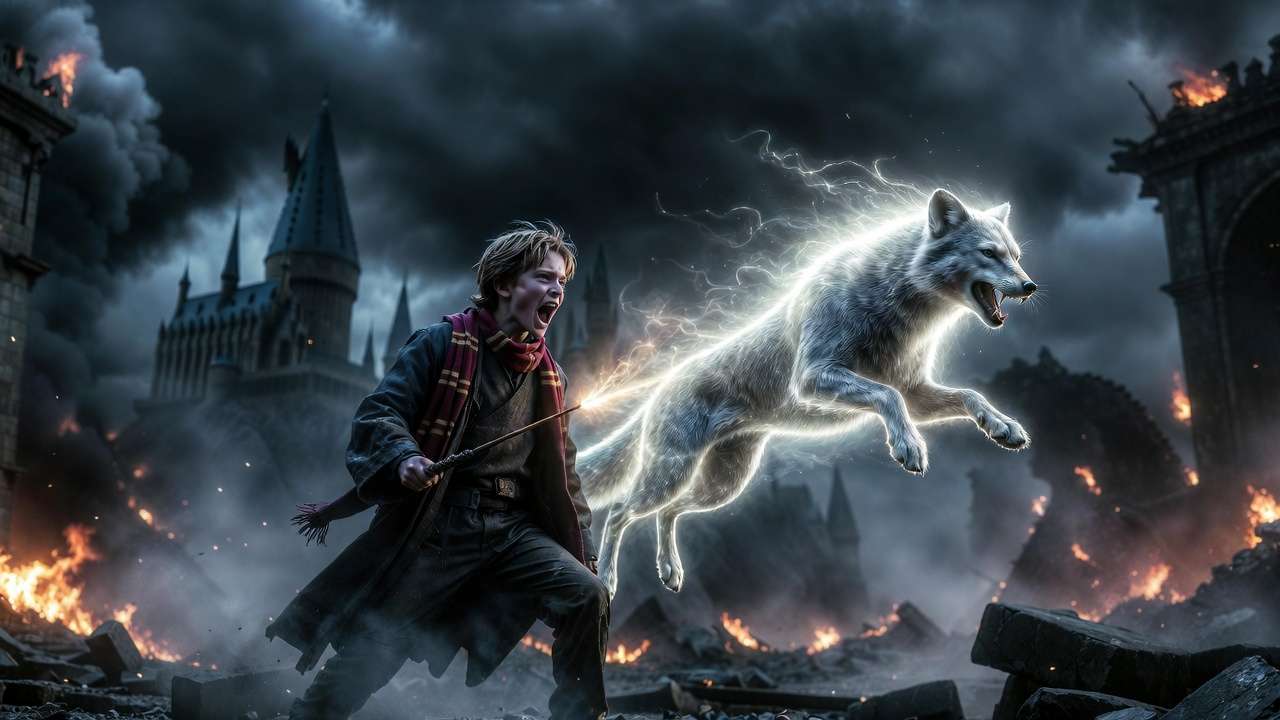 The Battle of Hogwarts cements his heroism. As Death Eaters swarm the castle, Seamus joins the front lines with unyielding determination. One of his standout moments comes early in the fray: protecting Harry, Ron, and Hermione from Dementors swarming the grounds. Alongside Luna Lovegood and Ernie Macmillan, he conjures his corporeal fox Patronus — a silvery, agile form that darts through the shadows, repelling the soul-sucking guardians with graceful precision. This isn’t just spellwork; it’s a testament to his emotional resilience, honed through years of personal trials.
Later, Seamus turns his infamous “pyrotechnic proclivity” — once a source of embarrassment — into a weapon of war. In the books, he collaborates with other DA members to collapse the covered bridge spanning the Black Lake, severing a key route for Voldemort’s giant reinforcements. The films dramatize this with explosive flair, showing Seamus igniting the structure in a blaze of fire and debris, but the core act remains: strategic destruction born from skill, not accident. He fights through the night, shielding younger students and holding positions against overwhelming odds.
These moments aren’t isolated; they reflect Seamus’s evolution from a boy swayed by doubt to a young man who chooses sides unequivocally. His bravery underscores the series’ message that heroism often lies in persistence — showing up, day after day, even when the odds seem impossible. For fans grappling with themes of resistance in their own lives, Seamus offers a blueprint: courage isn’t innate; it’s cultivated through redemption and resolve.
Why Seamus Finnigan Is Underrated: Fan and Expert Perspectives
Seamus Finnigan’s status as an underrated character stems from a perfect storm of narrative choices and adaptations. In the sprawling Harry Potter universe, he’s one of many supporting Gryffindors — eclipsed by the Golden Trio’s centrality, Neville’s redemptive arc, or Dean’s artistic depth. Yet, his quiet contributions make him indispensable, and overlooking them diminishes the series’ richness.
From an expert lens, J.K. Rowling’s writing emphasizes ensemble dynamics, where characters like Seamus humanize Hogwarts. Wizarding World articles, such as “Why Seamus Finnigan Deserves a Little Love,” praise his “ups and downs” but spotlight his DA loyalty and battle feats as underappreciated gems. Film critic analyses, like those on Screen Rant, note how the movies’ comedic amplification — turning minor book gaffes into slapstick — flattens his complexity, reducing a nuanced half-blood to an accent-driven punchline.
Fan communities amplify this call for recognition. On Reddit’s r/harrypotter, threads like “Underrated Characters: Seamus Finnigan Appreciation” garner thousands of upvotes, with users sharing how his doubt-to-devotion journey mirrors real-life growth amid misinformation. Tumblr fan art and fics explore his Irish heritage, imagining post-war adventures with Dean or family reconciliations. These perspectives highlight Seamus as a lens for broader themes: half-blood prejudice (subtler than Hermione’s overt discrimination), familial influence versus autonomy, and the valor of “background” players.
Comparatively, characters like Luna or Ginny get standalone spotlights for eccentricity or fierceness, but Seamus’s everyman appeal — flawed, funny, fierce — makes him profoundly relatable. In today’s climate of polarized narratives, his arc feels timely: a reminder that questioning isn’t betrayal if it leads to truth.
Looking ahead, the HBO Harry Potter series (slated for 2026) presents a golden opportunity. With a prestige-drama approach, showrunners could delve into Seamus’s family tensions, cultural roots, and internal monologues — perhaps casting an Irish actor to honor his accent authentically. This could elevate him from side note to ensemble standout, much like how The Crown fleshes out minor royals. Until then, reevaluating Seamus invites us to cherish the series’ unsung heroes, proving depth hides in the details.
10 Surprising Facts About Seamus Finnigan
To further illuminate this overlooked Gryffindor, here are ten lesser-known tidbits drawn from canon, Pottermore archives, and Rowling’s interviews. These facts peel back layers, revealing why Seamus lingers in fans’ hearts.
- St. Patrick’s Day Ties: Born around early 1980, Seamus’s Irish roots fuel fan theories linking his birthday to March 17 — perfect for leprechaun jokes and emerald-clad celebrations at Hogwarts feasts.
- The “Nasty Shock” Origin: His mother’s post-marriage magic reveal to his Muggle father isn’t just backstory; it subtly critiques secrecy in relationships, a theme Rowling wove throughout the series.
- Prolonged Sorting Ceremony: The Hat took nearly a full minute on Seamus — longer than most first-years — suggesting traits like Hufflepuff loyalty or Ravenclaw wit beneath his Gryffindor bravado.
- Chess Hero in Year One: During the Philosopher’s Stone’s underground trials, Seamus aids Harry by sacrificing a knight in the giant chess game, showcasing strategic smarts early on.
- Fox Patronus Symbolism: His corporeal Patronus, a sly silver fox, embodies adaptability and cunning — traits from Irish folklore where foxes outwit foes, mirroring Seamus’s redemption.
- Charms Prodigy: Despite mishap memes, he scores an Outstanding O.W.L. in Charms, advancing to N.E.W.T.s — proof his “explosions” are outliers, not norms.
- Quibbler Evangelist: After doubting Harry, Seamus mails Rita Skeeter’s interview to his skeptical mother, sparking her change of heart and his DA enlistment.
- Dementor Defense Duo: In the Battle of Hogwarts, his Patronus teams with Luna’s hare and Ernie’s boar — a whimsical “animal squad” fending off despair.
- Bridge Buster: He masterminds the covered bridge’s collapse, a tactical win that strands giants — turning “pyrotechnics” from joke to juggernaut.
- Post-War Reunion Regular: Rowling confirmed via Twitter (now X) that Seamus attends the 2014 Dumbledore’s Army reunion, hinting at enduring bonds and a life of quiet fulfillment.
These nuggets aren’t exhaustive but invite deeper dives, rewarding rereads with fresh appreciation.
 Seamus Finnigan’s Legacy in the Wizarding World
Seamus’s story doesn’t end with Voldemort’s fall; it ripples into the series’ hopeful epilogue and beyond. As an adult wizard, he likely channels his Charms expertise into a Ministry role — perhaps in the Department of Magical Accidents and Catastrophes, ironically fitting his reputation — or pursues Quidditch commentary, blending passion with Irish flair. His unbreakable friendship with Dean Thomas suggests adventures in art, activism, or Auror work, as hinted in Cursed Child cameos and Rowling’s notes.
Thematically, Seamus embodies the franchise’s core: that ordinary individuals, through choice and growth, shape history. His half-blood resilience challenges blood purity myths, while his arc affirms redemption’s power. In fan extensions like Harry Potter and the Cursed Child, echoes of DA camaraderie linger, positioning Seamus as a bridge between generations.
For modern readers, his legacy inspires: in an era of echo chambers and family divides, Seamus teaches us to question kindly, act boldly, and value the unsung. He’s proof that Hogwarts’ magic lies not just in spells, but in souls like his — adaptable, loyal, and luminously human.
FAQs
Is Seamus Finnigan in all Harry Potter books and movies? Yes, Seamus appears across all seven books and eight films, though his screen time varies. He’s most prominent in Philosopher’s Stone (introduction), Order of the Phoenix (conflict and DA), and Deathly Hallows (battle scenes), providing consistent Gryffindor flavor.
Why does Seamus blow things up so much? This is largely a film exaggeration for humor. The books limit incidents to one Charms mishap (the feather); movies add goblet explosions and more for laughs, contrasting his canon competence in spells like Patronus.
What is Seamus Finnigan’s Patronus? A corporeal fox, revealed in Deathly Hallows. It symbolizes cunning, adaptability, and playfulness — fitting his Irish heritage and personal evolution from clumsy to clever warrior.
Did Seamus fight in the Battle of Hogwarts? Unequivocally yes. He resists the Carrows, conjures his Patronus against Dementors, and destroys the covered bridge to halt reinforcements — acts of quiet, crucial bravery.
Is Seamus Finnigan underrated? Why? Absolutely. Films prioritize his comedic explosions over book-depth like family secrets, DA loyalty, and growth from doubt to heroism. Fans love him for relatability — he’s the “average” hero proving everyday courage counts.
From a smoke-filled Charms classroom to the rubble-strewn halls of Hogwarts’ final stand, Seamus Finnigan’s path weaves humor, heartache, and heroism into the Harry Potter tapestry. He doubts Harry under pressure, yet apologizes with sincerity; he blows up feathers (and bridges) with equal abandon; he conjures foxes from fear, proving growth isn’t linear but luminous. In reducing him to tropes, we’ve missed a character who mirrors our messiest, most meaningful selves — the everyday wizard finding courage amid chaos.
This isn’t just fan advocacy; it’s a call to reclaim the series’ ensemble soul. Reread Order of the Phoenix for his raw confrontation, Deathly Hallows for his Patronus glow — or dive into Wizarding World essays for more. Share your Seamus stories in the comments: What’s your favorite overlooked moment? With HBO’s adaptation looming, let’s champion portrayals that honor his depth, accent, and arc.
Ultimately, Seamus reminds us: true Gryffindors aren’t flawless icons but flawed friends who rise. In a world craving heroes, he shows ordinary love — for mates, truth, and a bit of magic — conquers all. Here’s to Seamus Finnigan: may his fox forever outfox the shadows.