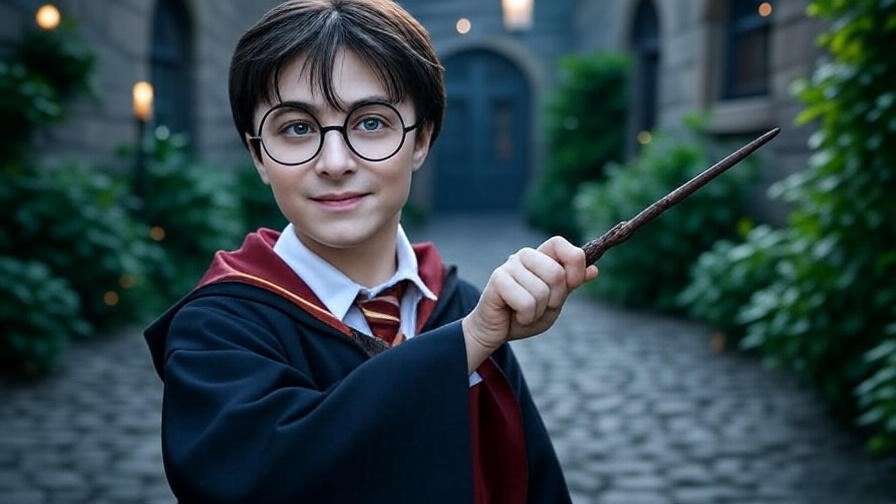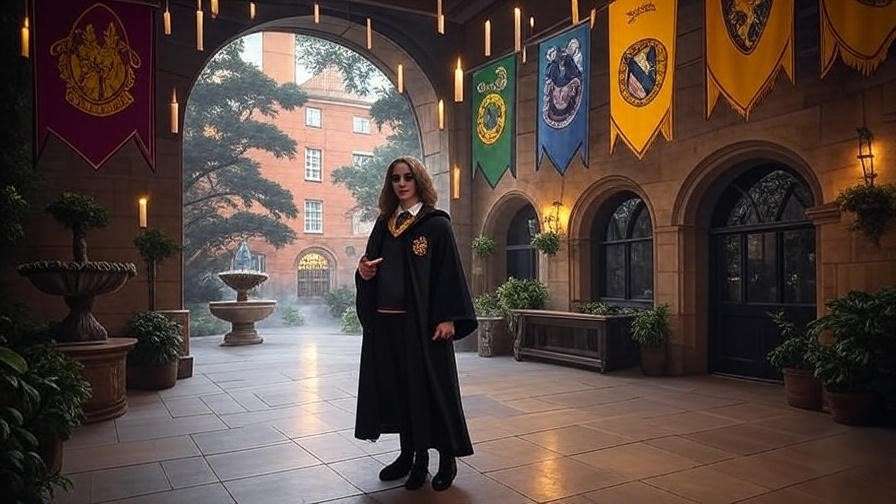
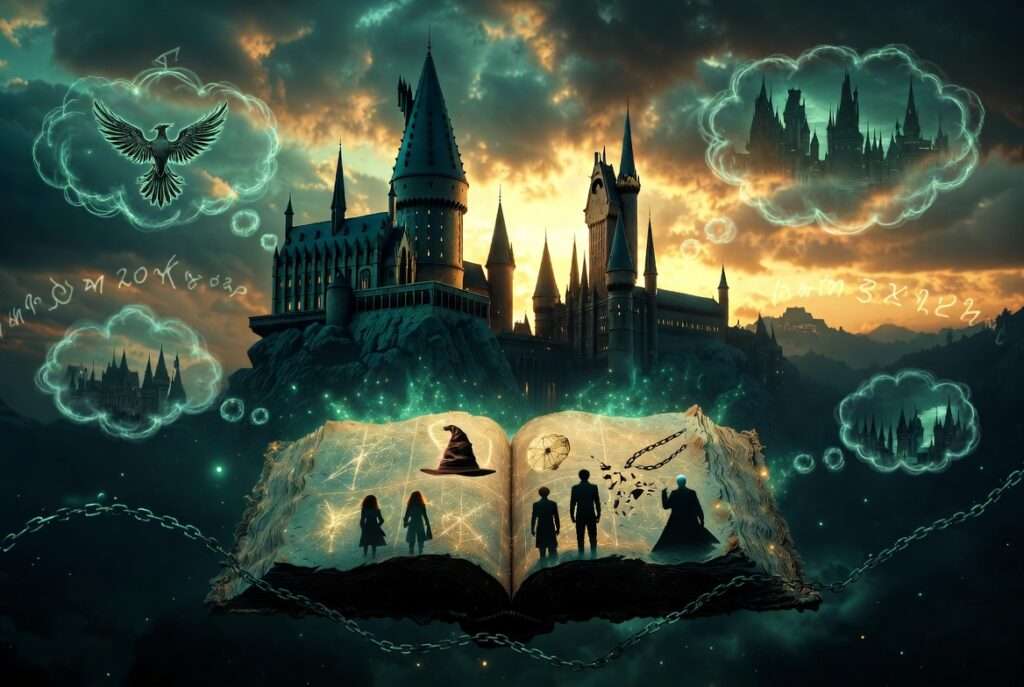
Imagine stepping off the Hogwarts Express on a crisp September 1st, the castle glowing in the distance, and overhearing students whisper secrets about the Marauders, the founders, or what really happened to Harry after the Battle of Hogwarts. These aren’t wild guesses — they feel like missing chapters from J.K. Rowling’s books themselves. That’s the magic of great Harry Potter headcanons.
For millions of fans worldwide, Harry Potter headcanons bridge the gaps left by the seven books and eight films. They deepen our favorite characters, heal post-war wounds, and make the Wizarding World feel richer and more alive. Whether you’re a longtime Potterhead rereading the series for the tenth time or a newer fan exploring fan theories, this curated list delivers the 35 best Harry Potter headcanons that feel undeniably canon.
These theories are grounded in book lore, character consistency, subtle hints from Rowling’s writings, and the emotional truth that makes the stories resonate decades later. I’ve spent years analyzing the texts, Wizarding World lore, and vibrant fandom discussions to select only the most compelling, heartfelt, and logical ones. Grouped by theme, they’ll enhance your rereads, spark meaningful conversations, and remind you why this world still holds such power.
What Makes a Headcanon Feel Truly Canon?
Not every fan idea earns the “feels canon” label. The strongest Harry Potter headcanons share key traits:
- They align seamlessly with established personalities, motivations, and themes from the books.
- They fill logical gaps without contradicting canon events.
- They add emotional depth or thematic richness (found family, redemption, prejudice, love).
- They’re supported by subtle clues — a throwaway line, a character’s behavior, or unaddressed implications.
This selection prioritizes quality over quantity. You’ll find heartwarming post-war stories, tragic Marauders-era insights, clever plot-hole fillers, and joyful Next Generation moments. Each one respects the source material while expanding it beautifully.
Heartwarming & Emotional Harry Potter Headcanons
These headcanons focus on healing, friendship, and found family — the emotional core that keeps readers returning to the series.
Post-War Healing and Found Family
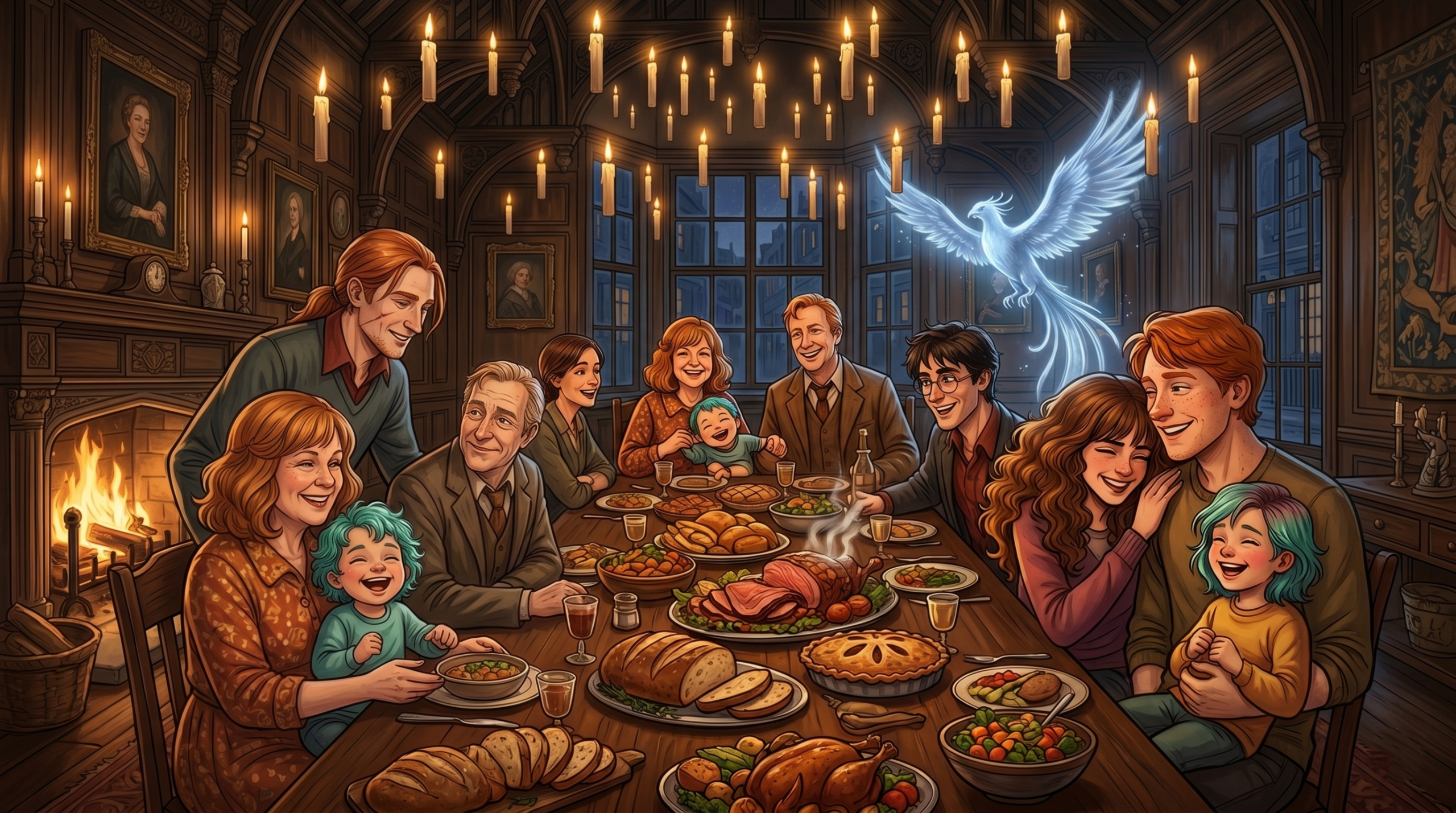
- Harry hosts monthly Sunday dinners at Grimmauld Place for the entire Weasley family, Hermione, and extended friends. The house slowly transforms from a dark relic into a noisy, loving home filled with Molly’s cooking and laughter. Harry finally experiences the big family he always craved.
- The Weasleys officially consider Harry their son long before any legal adoption. Molly knits him jumpers every Christmas without fail, and Arthur takes him aside for gentle fatherly advice about cars, Muggle gadgets, and life.
- George Weasley’s Patronus eventually changes or strengthens after years of grief. Initially unable to cast one after Fred’s death, it returns as a fox (or a second phoenix) once he finds purpose again — symbolizing quiet resilience and the enduring Weasley spirit.
- Harry becomes a surrogate father to Teddy Lupin. He visits often, shares stories about Remus and Tonks, and ensures Teddy grows up knowing his parents’ bravery. Teddy’s Metamorphmagus abilities often mirror Harry’s emotions during visits.
- Neville Longbottom regularly visits Hogwarts greenhouses with Professor Sprout even after becoming a professor himself, maintaining their quiet mentorship that began in the Chamber of Secrets era.
 Character Depth & Relationships
- Draco Malfoy quietly works to atone by using his family’s influence to support war reparations and anti-prejudice initiatives, all while avoiding the spotlight. He never says the slur again after the war.
- Severus Snape’s portrait in the Headmaster’s office occasionally offers cryptic but genuinely helpful advice to future Potions professors, showing a sliver of redemption beyond his memories.
- Sirius Black’s animagus form was chosen partly because dogs represent unwavering loyalty — a direct contrast to the betrayal he feared in his own family and later experienced with Peter.
- Dean Thomas and Seamus Finnigan’s friendship evolves into a deep romantic partnership after the war. Their bond, forged through every dorm room conversation and battle, becomes one of the quiet success stories of the Golden Trio’s generation.
- Minerva McGonagall sends anonymous care packages to vulnerable students, especially those from difficult family situations, drawing from her own observations of Harry, Neville, and others.
Marauders Era Headcanons That Feel Straight Out of the Books
The Marauders — James, Sirius, Remus, and Peter — capture fans’ imaginations like no other group. These headcanons expand their legacy while staying true to the tragedy and friendship of the First Wizarding War.
The Golden Trio of Their Time
- James Potter was the one who insisted on including Remus in everything, fighting hardest against anti-werewolf prejudice within their friend group and using his privilege to protect him.
- Lily Evans became an exceptional duelist not just because of her talent, but because she practiced relentlessly after witnessing Slytherin bullying. She and James bonded over late-night strategy sessions for the Order.
- The Marauder’s Map was created over multiple years, with each friend contributing unique enchantments. Remus added the safety features that prevented teachers from seeing it easily.
- Peter Pettigrew’s betrayal stemmed from years of feeling like the weakest link, slowly poisoned by Voldemort’s targeted flattery. It wasn’t sudden — it was a tragic, gradual fall that James and Sirius missed because of the war’s stress.
Tragic & Poignant Theories
- Remus Lupin hated full moons not just for the transformation, but because they reminded him of the nights his friends stayed up with him — the best and worst nights of his life.
- Sirius Black never fully furnished 12 Grimmauld Place during the war because he hoped it would one day become a proper home for the Order or for Harry. The emptiness reflected his broken family and lost dreams.
- The Order of the Phoenix members had a secret “family dinner” tradition whenever possible, hosted by the Potters or Weasleys, to maintain morale and humanity amid constant loss.
- James and Lily’s final moments included a whispered plan for Harry’s future if they survived — names for more children and dreams of a peaceful life after Voldemort.
These Marauders headcanons make “The Prank,” the betrayal, and their sacrifices feel even more heartbreaking and real.
Hogwarts Houses & Founders Headcanons
The four founders of Hogwarts represent ideals that still shape the Wizarding World today. These headcanons expand their legacies and the deeper meaning behind each house.
- Godric Gryffindor and Salazar Slytherin were once close friends who disagreed passionately about blood purity but respected each other’s bravery. Their falling out was tragic rather than purely hateful, explaining why the Sorting Hat still honors both courage and ambition.
- Helga Hufflepuff was the glue that held the founders together, mediating disputes and ensuring the castle’s construction emphasized fairness and loyalty. Many early Hufflepuff traditions of inclusivity stem directly from her influence.
- Rowena Ravenclaw designed the moving staircases and many enchantments not just for security, but as intellectual puzzles for clever students to solve, reflecting her belief that knowledge should be earned.
- Inter-house friendships were far more common in the founders’ time, with the Sorting Hat originally encouraging students to value all four traits. House rivalries intensified centuries later due to external political pressures.
- The basilisk in the Chamber of Secrets was originally intended by Slytherin as a protector of the school against external threats, but his growing paranoia twisted its purpose — a headcanon that adds tragic nuance to one of the series’ biggest dangers.
These founder headcanons enrich house pride and help fans understand why the Sorting Hat’s song emphasizes unity.
Next Generation & Post-Hogwarts Headcanons
The stories didn’t end at Platform 9¾. These headcanons explore the healing, challenges, and joys of the next generation.
- Albus Severus Potter and Scorpius Malfoy’s friendship becomes a symbol of house unity, with both boys regularly visiting each other’s homes and helping dismantle old prejudices between their families.
- Teddy Lupin dates Victoire Weasley, but maintains a big-brother role for all the Potter and Weasley cousins, often using his Metamorphmagus abilities to entertain the younger children at family gatherings.
- James Sirius Potter becomes a professional Quidditch player but eventually takes a role at the Ministry alongside his father, using his charisma to improve Auror recruitment and public trust in the wizarding government.
- Hermione Granger-Weasley pushes for house-elf rights and educational reform as Minister for Magic, while Ron runs a successful joke shop with George, proving that different paths can lead to equally fulfilling lives.
- Harry Potter remains haunted by nightmares but finds peace through talking openly with his children about trauma, breaking the cycle of silence that affected previous generations.
- Lily Luna Potter inherits her mother’s fiery temper and her father’s moral compass, often mediating between her brothers while pursuing a career in magical creature rights, inspired by Luna Lovegood.
- The Potter and Weasley families establish an annual “Battle of Hogwarts Remembrance Day” that focuses on celebration and unity rather than grief, including storytelling, feasts, and inter-house Quidditch matches.
Mind-Bending & Clever Plot Hole-Filling Headcanons
These theories elegantly address lingering questions while staying true to established magic rules.
- Dumbledore used the Time-Turner not only for practical reasons but to guide key moments across timelines, always working within strict limits to avoid paradoxes — explaining his seemingly omniscient knowledge.
- The Mirror of Erised shows what the viewer most desires at that moment, but it also subtly reveals hidden truths about the self; Harry seeing his family was as much about belonging as it was about love.
- Patronuses can evolve based on personal growth and relationships. Several characters’ Patronuses would have changed form if the books continued further into adulthood.
- Mrs. Norris was once a young witch who suffered a terrible magical accident, transformed and bound to Filch out of a twisted sense of loyalty and protection — adding melancholy depth to the pair.
- The Resurrection Stone doesn’t truly bring back the dead but creates convincing echoes drawn from the user’s memories and the stone’s magic. This explains why the shades Harry saw urged him toward sacrifice rather than offering escape.
How These Headcanons Enhance Your Rereads
Applying these Harry Potter headcanons transforms rereads from simple nostalgia into deeper emotional experiences. When you revisit Order of the Phoenix, imagine Sirius’s empty house with new compassion. During Deathly Hallows, picture the quiet strength behind Neville and Luna’s resistance. These ideas don’t replace canon — they illuminate it.
Practical Tips:
- Keep a “headcanon journal” while rereading.
- Discuss one theory per book club meeting.
- Compare book vs. movie interpretations.
- Use them to spark creative writing or artwork.
Many fans report that these believable fan theories increase their appreciation for J.K. Rowling’s world-building and character consistency.
Bonus: How to Create Your Own Canon-Feeling Harry Potter Headcanons
Want to develop your own? Follow this framework:
- Start with a gap or unanswered question in the books.
- Ask: Does this fit the character’s established personality and values?
- Check for supporting evidence — even small details like a single line of dialogue.
- Ensure it adds emotional or thematic value.
- Test it against major canon events for contradictions.
Example: What if Ginny Weasley became a professional Quidditch commentator? It fits her bold personality, love of the sport, and post-war desire to live fully.
Frequently Asked Questions (FAQs)
What are the most popular Harry Potter headcanons? Post-war found family stories, Draco’s redemption, and Marauders-era friendships consistently rank highest in fandom communities.
Do any headcanons contradict J.K. Rowling’s statements? The ones featured here are chosen to avoid major conflicts, focusing instead on areas she left open to interpretation.
Which headcanons work best with the movies vs. books? Book-based headcanons tend to be richer due to deeper characterization, but many (especially emotional ones) enhance the films beautifully.
Are there official Wizarding World headcanons? Wizarding World Pottermore writings provide some expanded lore, but the best fan theories often feel more personal and emotionally true.
Where can I find more Harry Potter headcanons? Trusted communities on Reddit (r/harrypotter, r/TheMaraudersEra), Tumblr, and dedicated fan archives offer thousands of well-reasoned ideas.
These 35 Harry Potter headcanons represent the very best of what thoughtful fandom can offer — theories that respect the original story while breathing new life into it. From the quiet healing of George Weasley to the unbreakable bonds of the Next Generation, they remind us that the Wizarding World extends far beyond the final page.
Headcanons keep the magic alive. They help us process grief, celebrate friendship, question prejudice, and imagine brighter futures. Whether this is your first deep dive into fan theories or your hundredth, I hope these selections enriched your connection to Harry, Hermione, Ron, and the countless characters who still feel like old friends.
Now it’s your turn. Which of these Harry Potter headcanons resonated with you the most? Do you have a favorite theory that feels completely canon? Share it in the comments below — your insights might become someone else’s new favorite.
Thank you for reading. May your Patronus always shine brightly, and may your journeys through the Wizarding World never truly end.